Best Bourbon for Old Fashioned: Expert Mixologist Recommendations
The Old Fashioned stands as one of the most iconic cocktails in mixology history, a timeless drink that has graced the bars of sophisticated establishments and home collections alike. Yet despite its simplicity—bourbon, sugar, bitters, and a twist of citrus—the choice of bourbon fundamentally transforms the entire drinking experience. What separates a mediocre Old Fashioned from an exceptional one often comes down to selecting the right spirit, understanding its flavor profile, and appreciating how it interacts with the other ingredients.
Whether you’re a seasoned cocktail enthusiast or someone just beginning to explore the world of premium spirits, understanding what makes certain bourbons ideal for this classic drink is essential. The craft of bartending shares surprising parallels with fashion and style—both require an understanding of balance, proportion, and the subtle interplay of complementary elements. Just as you’d carefully find your personal style through experimentation and refinement, discovering your ideal Old Fashioned bourbon involves exploration and discernment.
This comprehensive guide brings together insights from professional mixologists, bourbon connoisseurs, and bartending experts to help you navigate the extensive world of bourbon selections and make informed decisions about which spirit truly deserves a place in your home bar.
Understanding Bourbon Fundamentals
Before diving into specific recommendations, it’s crucial to understand what defines bourbon and why these specifications matter for crafting an exceptional Old Fashioned. According to the U.S. Federal Standards of Identity for Distilled Spirits, bourbon must be produced in the United States, made from a grain bill that contains at least 51% corn, distilled to no more than 160 proof, aged in new charred oak barrels, and entered into the barrel at no more than 125 proof.
These regulations ensure consistency and quality, but they also create a framework within which distillers express creativity. The mashbill—the specific combination of grains—varies significantly between distilleries and brands. Some bourbons emphasize rye in their mashbill, creating spicier, more complex flavor profiles, while others use wheat or other grains, resulting in smoother, more approachable spirits. This variability is what makes bourbon selection for cocktails such an engaging pursuit.
The aging process profoundly influences the final product. Bourbon aged in Kentucky’s climate experiences significant temperature fluctuations, causing the spirit to expand and contract within the barrel, extracting more color and flavor compounds from the charred wood. A four-year-old bourbon tastes markedly different from a twelve-year-old expression, with extended aging typically introducing deeper notes of oak, vanilla, caramel, and spice.
The Classic Old Fashioned Formula
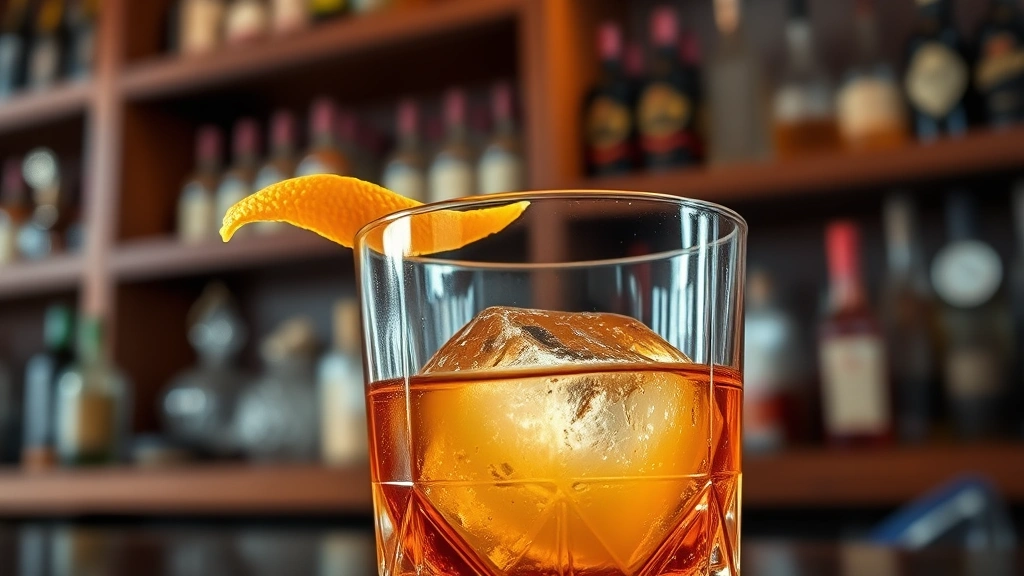
The Old Fashioned emerged in the late 19th century at the Pendennis Club in Louisville, Kentucky—fitting, given bourbon’s deep Kentucky roots. The drink’s construction remains elegantly simple: a sugar cube or teaspoon of sugar, a few dashes of Angostura bitters, a splash of water, a measure of bourbon, and a garnish of orange peel and cherry. Yet this simplicity demands precision and quality ingredients.
The sugar and bitters create a foundation that must complement rather than overpower the bourbon. The water opens up the spirit’s flavor compounds, making them more accessible to the palate. The citrus garnish adds aromatic complexity and a subtle brightness that balances the drink’s richness. Every component matters, which is why exploring cocktail culture requires the same attention to detail as understanding fashion history.
When selecting bourbon for this drink, you’re looking for a spirit with enough character to stand out but enough balance to integrate harmoniously with the other ingredients. Too light a bourbon gets lost, while an overly aggressive spirit can dominate the palate. The ideal Old Fashioned bourbon occupies a sweet spot of flavor complexity and drinkability.
Top Mixologist Bourbon Picks
Professional mixologists across the country have refined their bourbon selections through years of experimentation and customer feedback. Here are the most consistently recommended options:
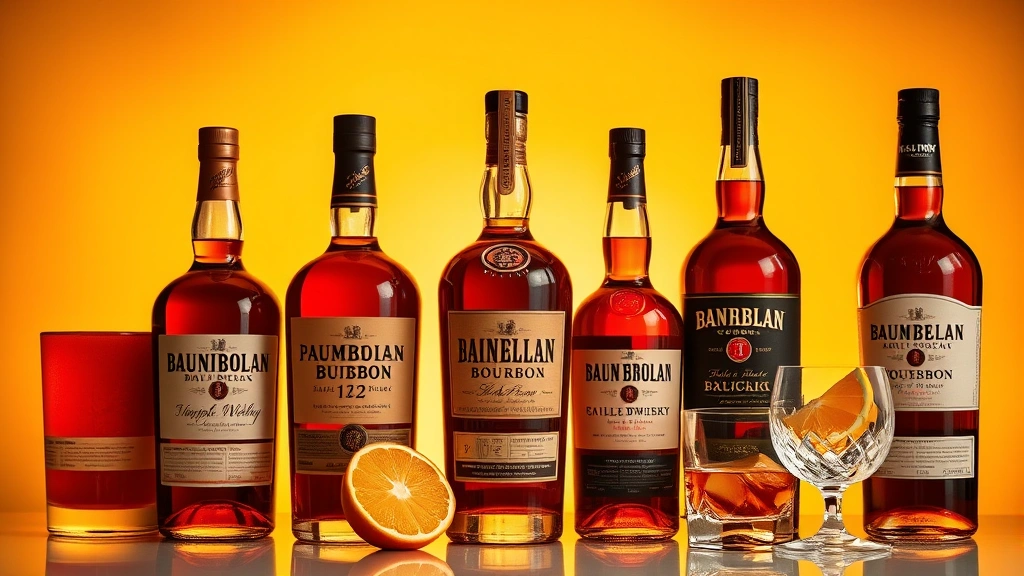
Woodford Reserve stands as perhaps the most universally respected choice among bartenders. This Kentucky straight bourbon features a complex mashbill including malted barley, creating a sophisticated flavor profile with notes of vanilla, caramel, dried fruit, and subtle spice. At 90.4 proof, it offers enough intensity to shine in a cocktail without overwhelming the other ingredients. Woodford’s availability and consistent quality make it an excellent starting point for anyone seeking guidance on crafting the perfect Old Fashioned.
Maker’s Mark represents the wheated bourbon category, using wheat instead of rye in its mashbill. This choice creates a notably smoother, slightly sweeter bourbon that appeals to those who prefer elegance over aggressive spice. At 90 proof, Maker’s Mark produces Old Fashioneds with rounded edges and approachable warmth. Many bartenders recommend this option for customers new to bourbon cocktails.
Buffalo Trace offers exceptional value and versatility. This 90-proof bourbon features a balanced mashbill that creates pleasant notes of caramel, vanilla, and oak without excessive alcohol burn. Its availability at reasonable price points makes it a favorite for bars seeking quality without premium pricing.
Elijah Craig Small Batch appeals to mixologists seeking more complexity. At 94 proof, this 12-year-old bourbon brings deeper oak influence, spice, and dried fruit character that creates particularly memorable Old Fashioneds for adventurous drinkers.
Four Roses Single Barrel provides an exciting option for those seeking something distinctive. The specific barrel selection imparts unique characteristics, with most expressions featuring beautiful balance of fruit, spice, and floral notes.
Bulleit Bourbon deserves mention for its distinctive high-rye mashbill. At 90 proof, it delivers pronounced spice and complexity that creates Old Fashioneds with noticeable personality—ideal for those who appreciate a more assertive spirit.
Proof and Alcohol Content Considerations
Proof—which measures alcohol content by doubling the percentage—plays a surprisingly significant role in how bourbon performs in cocktails. A 90-proof bourbon contains 45% alcohol by volume, while a 100-proof expression contains 50% ABV.
Higher proof bourbons tend to create more robust Old Fashioneds with greater presence and intensity. The additional alcohol carries flavor compounds more effectively, creating deeper complexity. However, higher proof spirits can also introduce more pronounced alcohol burn if not balanced carefully with proper dilution through ice and water.
Most mixologists recommend bourbon between 90 and 100 proof for Old Fashioneds. This range provides sufficient character without excessive harshness. Anything below 80 proof often lacks the intensity needed to shine in a cocktail, while expressions exceeding 110 proof require careful handling to avoid overpowering the drink’s balance.
Cask-strength bourbons—bottled directly from the barrel without dilution—create an interesting category. These typically range from 110 to 140 proof and demand skilled mixing, but reward the effort with extraordinary complexity and depth. Professional bartenders often employ cask-strength options for customers seeking premium, memorable experiences.
Tasting Notes and Flavor Profiles
Understanding flavor profiles helps you select bourbon aligned with your preferences. Like developing a signature personal aesthetic through exploring different style eras, discovering your bourbon preference involves understanding which flavor notes resonate with you.
Bourbons heavy in vanilla and caramel notes create sweeter, more approachable Old Fashioneds. These typically result from significant wood influence and aging in warmer climates. Examples include Maker’s Mark and Woodford Reserve.
Spice-forward bourbons with rye-heavy mashbills create more complex, somewhat drier cocktails. Buffalo Trace and Bulleit exemplify this category, delivering peppery, herbal undertones alongside traditional bourbon sweetness.
Oak-influenced bourbons from longer aging periods bring woody, slightly astringent characteristics. These create Old Fashioneds with more structure and contemplative depth. Elijah Craig Small Batch represents this profile beautifully.
Fruity bourbons featuring dried fruit, cherry, or apple notes add interesting complexity to cocktails. Four Roses expressions often display these characteristics, creating memorable drinking experiences.
Budget-Friendly vs Premium Options
Exceptional Old Fashioneds don’t require premium pricing. Buffalo Trace and Maker’s Mark both deliver outstanding results at accessible price points, typically ranging from $20-30 per bottle. These represent exceptional value, particularly for home bartenders seeking to perfect their craft without significant investment.
Mid-range options like Woodford Reserve ($35-45) and Bulleit ($25-35) occupy an interesting space, offering noticeable quality improvements while remaining budget-conscious. Many professional bartenders consider these the sweet spot for balancing quality and value.
Premium expressions like Elijah Craig Small Batch ($35-50) and Four Roses Single Barrel ($40-60) command higher prices but deliver memorable experiences worth the investment for special occasions or serious bourbon enthusiasts.
Ultra-premium options exceeding $100 per bottle often represent collector’s items rather than practical cocktail choices. While exceptional, their value in mixed drinks is debatable, as the subtleties that justify premium pricing can get lost in cocktail preparation. Save these for neat sipping or very special occasions.
Seasonal Variations and Experimentation
Like fashion that changes with seasons, your bourbon selection might evolve throughout the year. Winter Old Fashioneds benefit from slightly heavier, spicier bourbons that provide warming comfort. Summer versions might lean toward slightly lighter, more delicate expressions that refresh rather than overwhelm.
Professional mixologists recommend experimenting with different bourbons to discover personal preferences. Visit bars with knowledgeable bartenders who can guide tastings and explain how different spirits perform in cocktails. This educational approach mirrors how learning styling techniques enhances your fashion confidence.
Consider hosting a bourbon tasting with friends, preparing identical Old Fashioneds with different spirits. This side-by-side comparison dramatically illuminates how bourbon selection impacts the final drink. You’ll quickly develop preferences and understanding that guide future selections.
Don’t overlook limited-edition releases and seasonal bottlings. These often represent distilleries’ experimental work and can provide exciting variations on traditional bourbon profiles. A single season’s limited release might become your new favorite Old Fashioned spirit.
Regional bourbon traditions also merit exploration. Bourbons from different Kentucky regions develop distinct characteristics influenced by local water, climate, and production philosophies. Exploring these regional variations adds depth to your appreciation of bourbon diversity.
International bourbon enthusiasts should note that some countries have their own whiskey traditions that create interesting alternatives. While not technically bourbon, Irish and Scottish whiskeys offer different flavor profiles worth exploring in Old Fashioned variations.
The beauty of cocktail craftsmanship lies in the opportunity for continual refinement and discovery. Each new bourbon selection teaches something about flavor balance, ingredient interaction, and personal preference. This ongoing journey parallels the evolution of personal style and fashion sensibility.
For those seeking authoritative guidance, resources like Bourbon.com and Distilled Spirit Magazine offer comprehensive information about bourbon production and tasting. Vogue’s coverage of spirits culture connects bourbon appreciation to lifestyle and sophistication. Robb Report’s spirits section provides luxury perspective on premium selections, while Forbes Drink Hacker offers expert analysis of cocktail trends and recommendations.
Frequently Asked Questions
What’s the difference between bourbon and whiskey?
All bourbon is whiskey, but not all whiskey is bourbon. Bourbon must be produced in the United States from at least 51% corn and aged in new charred oak barrels. Whiskey is a broader category encompassing spirits distilled from grain in various countries using different production methods.
Should I use expensive bourbon for Old Fashioneds?
Not necessarily. Mid-range bourbons like Woodford Reserve and Buffalo Trace create exceptional Old Fashioneds without premium pricing. Reserve expensive bottles for neat sipping where subtle nuances shine. Most professional bartenders agree that $30-50 bourbon represents the optimal value-to-quality ratio for cocktails.
Does bourbon age in the bottle?
No. Bourbon only ages in barrels. Once bottled, it remains unchanged. The age statement on the label refers exclusively to barrel aging time. This is why a ten-year-old bourbon tastes identical whether consumed immediately after bottling or five years later.
Can I use bourbon that’s been opened for months?
Yes, bourbon remains stable for extended periods after opening. Unlike wine, bourbon doesn’t oxidize significantly. An opened bottle maintains its character for years, making it practical for home bartenders who prepare cocktails occasionally.
What’s the best water to use in Old Fashioneds?
Quality matters less than many assume. Filtered tap water works perfectly well. Some bartenders prefer mineral water for its subtle flavor contribution, while others use distilled water to eliminate mineral influences. The difference is negligible compared to bourbon selection impact.
Should Old Fashioneds be stirred or shaken?
Stirred, exclusively. Shaking introduces excessive aeration and dilution, creating a thin, overly cold drink. Proper Old Fashioned preparation involves stirring gently with ice in a mixing glass for approximately 30 seconds, then straining into a rocks glass with fresh ice.
What’s the ideal serving temperature?
Serve Old Fashioneds in a rocks glass with a large ice cube or several smaller cubes. The ice should be cold but not pre-chilled excessively. The drink should be served cold enough to be refreshing but not so cold that it numbs the palate to bourbon’s complexity.