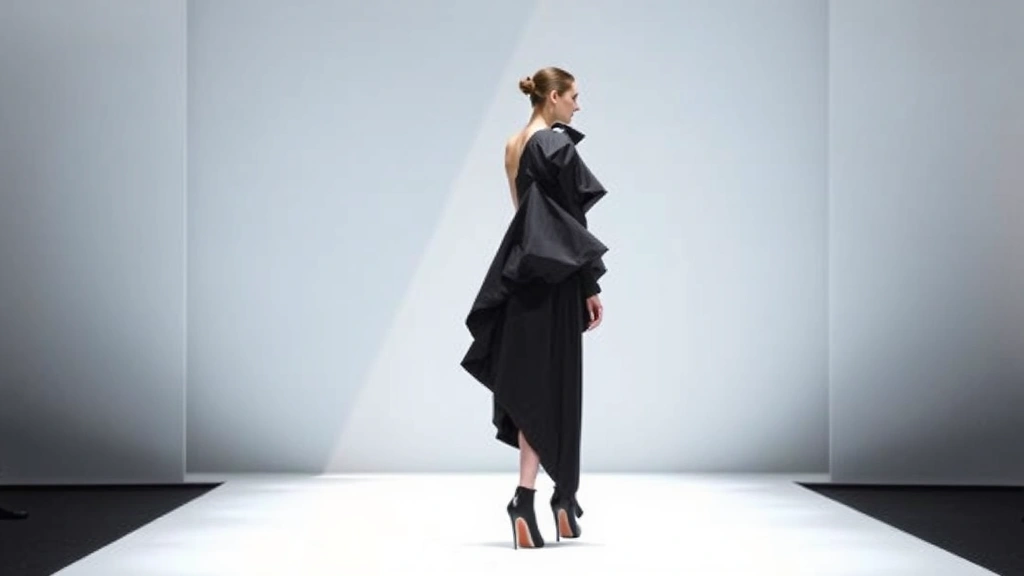
Avant-Garde Fashion: Designer Insights into Boundary-Breaking Style
Avant-garde fashion represents the cutting edge of creative expression, where designers transcend conventional aesthetics to challenge, provoke, and inspire. This revolutionary movement has consistently pushed the boundaries of what clothing can be, transforming runways into galleries and garments into wearable art. From the structured chaos of Rei Kawakubo’s Comme des Garçons to the ethereal visions of Alexander McQueen, avant-garde fashion remains the ultimate playground for designers who refuse to follow the rules.
The term “avant-garde” originates from French military strategy, meaning “vanguard” or the front line of attack. In fashion, it embodies exactly this spirit: designers who pioneer new territories, experiment fearlessly, and create pieces that often seem impossible to wear. Yet these boundary-pushing creations eventually influence mainstream fashion, trickling down from haute couture to high street collections. Understanding avant-garde fashion requires appreciating both its artistic merit and its practical impact on how we dress.
Today’s most influential designers draw inspiration from architecture, technology, nature, and social commentary, crafting collections that make profound statements. Whether through unconventional silhouettes, unexpected fabric combinations, or conceptual presentations, these visionaries demonstrate that avant-garde fashion is not merely about looking different—it’s about seeing differently. For fashion enthusiasts seeking to find your personal style, exploring avant-garde concepts can unlock new dimensions of self-expression.
The Philosophy Behind Avant-Garde Design
At its core, avant-garde fashion philosophy rejects the notion that clothing must conform to body shape or conventional beauty standards. Instead, these designers view the human form as a canvas for architectural exploration. The silhouette becomes secondary to the concept; proportion becomes exaggerated or deconstructed; and the relationship between fabric and body transforms into something entirely new.
The avant-garde designer asks provocative questions: What if clothing existed in three dimensions? What if we abandoned symmetry? What if texture took precedence over color? These inquiries lead to radical experimentation. Designers like Vogue magazine frequently documents often layer unconventional materials—plastic, metal, paper, or recycled elements—challenging our preconceptions about what fashion should be.
This philosophical approach connects deeply to understanding fashion history timeline, as each avant-garde movement responds to and builds upon previous eras. The rebellious spirit of 1980s punk fashion gave way to the deconstructed minimalism of the 1990s, which evolved into today’s tech-forward experimentalism.
Contemporary avant-garde designers often embrace conceptual storytelling. Each collection tells a narrative, sometimes abstract, sometimes deeply personal. Pieces may intentionally challenge wearability, forcing viewers to reconsider their relationship with fashion. This intellectual approach elevates clothing from mere garment to cultural commentary.
The democratization of fashion through social media has paradoxically strengthened avant-garde movements. Designers can now bypass traditional gatekeepers, sharing their visions directly with global audiences. Emerging designers experiment boldly, knowing their work might reach industry professionals and fashion enthusiasts worldwide through Style Loom Daily Blog and similar platforms.

Legendary Designers Redefining Fashion
Certain designers have become synonymous with avant-garde innovation. Rei Kawakubo’s Comme des Garçons revolutionized fashion by introducing asymmetry, unconventional proportions, and a palette dominated by black. Her designs challenged the Western fashion establishment’s assumptions about femininity and desirability. Pieces from her collections often featured unexpected holes, exaggerated shoulders, or abstract layering that seemed to deconstruct the very concept of garment construction.
Alexander McQueen brought theatrical drama and technical mastery to avant-garde fashion. His runway shows became performances, blending fashion with art installation and social commentary. McQueen’s designs featured intricate tailoring combined with provocative imagery, creating garments that were simultaneously beautiful and unsettling. His legacy continues influencing contemporary designers who seek to infuse emotional intensity into their collections.
Issey Miyake approached avant-garde fashion through technological innovation and sculptural form. His pleated fabrics and three-dimensional silhouettes challenged conventional tailoring. Miyake proved that avant-garde fashion could be both conceptually advanced and commercially successful, demonstrating that experimental design need not remain confined to elite galleries.
Contemporary designers like Rick Owens, Yohji Yamamoto, and Iris van Herpen continue this legacy. Van Herpen, in particular, merges fashion with digital technology and architecture, creating pieces that seem to emerge from science fiction. Her collaborations with architects and engineers produce garments that challenge our understanding of what fashion can be.
These designers share a common trait: unwavering commitment to vision over commercial compromise. They understand that true innovation sometimes requires creating pieces that alienate mainstream audiences. Yet paradoxically, these “unwearable” designs often become the most influential, eventually inspiring designers working in more accessible fashion segments.
Signature Techniques and Materials
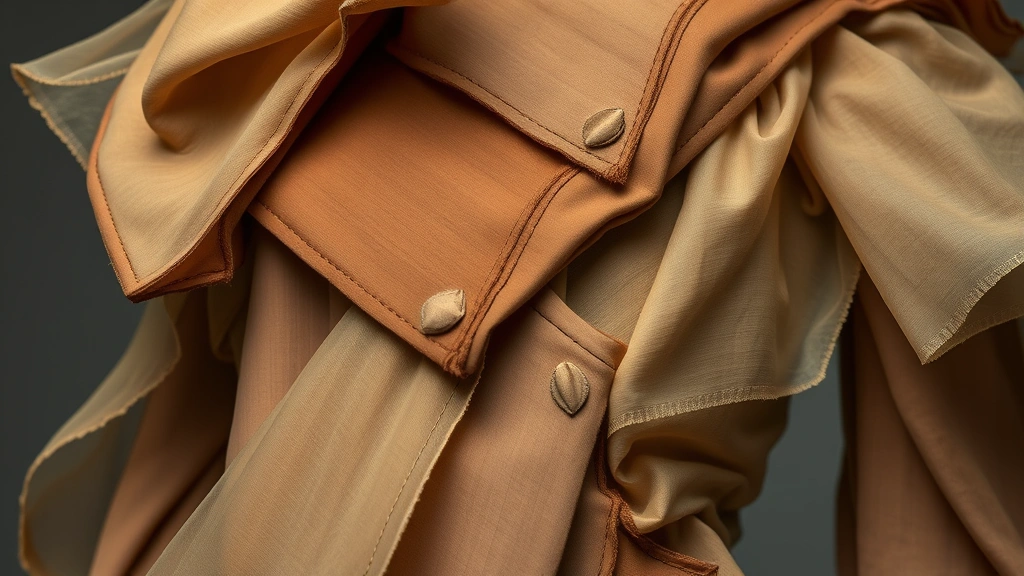
Avant-garde designers employ techniques that often seem to defy traditional garment construction. Deconstruction—deliberately taking apart and reassembling garments—became a signature approach, popularized by designers like Martin Margiela. This technique exposes seams, raw edges, and interior construction, transforming these typically hidden elements into design features.
Draping receives new interpretations in avant-garde hands. Rather than creating elegant folds that follow body contours, these designers experiment with architectural draping that creates unexpected silhouettes. Fabric becomes sculptural; gravity becomes a design tool; and the relationship between cloth and form becomes dynamic and unexpected.
Material experimentation defines much contemporary avant-garde work. Designers incorporate unconventional fabrics—industrial plastics, recycled materials, technical textiles, and even non-traditional materials like rubber, resin, or metal. This approach challenges assumptions about luxury and desirability, suggesting that innovative design transcends material hierarchy.
Pattern and print take on new dimensions in avant-garde collections. Rather than traditional repeating patterns, designers create abstract compositions, digitally manipulated imagery, or prints that interact with garment construction. Some designs feature intentional distortion, where patterns deliberately clash or misalign with garment structure.
Hand-crafted elements often coexist with industrial techniques in avant-garde pieces. A garment might feature meticulously hand-stitched details combined with laser-cut precision or 3D printing. This juxtaposition of traditional craftsmanship and cutting-edge technology embodies the avant-garde spirit of combining seemingly incompatible elements.
The Role of Runway Presentations
For avant-garde designers, runway presentations transcend typical fashion shows. These events become immersive experiences, performances, and artistic statements. The presentation itself communicates as much as the garments, with designers carefully curating every element—music, lighting, model styling, and spatial design.
Many avant-garde presentations challenge conventional runway formats. Some designers abandon traditional catwalks entirely, instead presenting collections in galleries, outdoor spaces, or through multimedia experiences. Others maintain runway structure but subvert expectations through unexpected models, provocative choreography, or conceptual staging.
The presentation philosophy reflects the collection’s concept. A designer exploring technology might incorporate digital projections or interactive elements. One examining nature might stage the show in natural settings with organic materials. This holistic approach means that understanding an avant-garde collection requires experiencing the entire presentation, not merely viewing finished garments.
Social media has transformed how avant-garde presentations reach audiences. Designers can now communicate directly with global viewers, democratizing access to presentations previously limited to industry insiders. This shift has enabled emerging designers to build followings and influence fashion discourse without traditional gatekeepers’ approval.
Sustainability and Innovation
Contemporary avant-garde fashion increasingly intersects with sustainability concerns. Designers recognize that true innovation must address fashion’s environmental impact. This commitment manifests in multiple ways: experimental use of recycled materials, zero-waste pattern cutting, and radical rethinking of production processes.
Some avant-garde designers embrace circular design principles, creating garments intended for disassembly and reconstruction. Others experiment with bio-fabricated materials or develop innovative techniques to reduce waste. This approach demonstrates that avant-garde fashion and environmental responsibility need not conflict; instead, sustainability challenges can fuel creative innovation.
The intersection of technology and sustainability opens new possibilities. 3D printing enables precise material use with minimal waste. Digital design tools allow designers to perfect patterns before production. These technological advances support avant-garde experimentation while reducing environmental footprint.
Designers working with best fashion design schools increasingly prioritize sustainability from the beginning. Emerging designers are taught to consider environmental impact alongside conceptual innovation, creating a new generation committed to both artistic excellence and ecological responsibility.
How Avant-Garde Influences Mainstream Fashion
The relationship between avant-garde and mainstream fashion operates as a continuous cycle. Designers create radical pieces; fashion editors and influencers interpret these concepts; commercial designers adapt elements for broader audiences; and eventually, avant-garde innovations become normalized in everyday fashion.
Consider asymmetrical silhouettes—once exclusively avant-garde territory—now appearing regularly in high street collections. Deconstructed details, unconventional layering, and experimental color combinations have all traveled from avant-garde runways to mainstream retailers. This trickle-down effect demonstrates that even the most radical innovations eventually influence how we dress.
Understanding this relationship helps fashion enthusiasts appreciate seemingly unusual mainstream trends. When designers incorporate unexpected elements—unusual proportions, unconventional fabrics, or abstract details—they’re often drawing from avant-garde traditions. Recognizing these references enriches our engagement with fashion, similar to how understanding styling a little black dress requires appreciating its design heritage.
Fashion-forward individuals can embrace avant-garde influence in practical ways. Incorporating one statement piece featuring avant-garde design principles—perhaps unusual proportions or unexpected material combinations—elevates personal style. Pairing such pieces with classic basics creates accessible interpretations of avant-garde concepts, as demonstrated in guides on wearing a blazer with jeans that incorporate contemporary design thinking.
The fashion industry’s recognition of avant-garde importance manifests through increasing museum exhibitions, academic study, and commercial investment. Luxury houses now employ avant-garde designers to lead their creative vision, recognizing that innovation drives brand relevance and cultural significance. This institutional acceptance legitimizes experimental design while maintaining its boundary-pushing spirit.
FAQ
What exactly defines avant-garde fashion?
Avant-garde fashion refers to experimental, innovative designs that challenge conventional aesthetics and garment construction. These pieces prioritize conceptual innovation and artistic expression over commercial accessibility, often featuring unconventional silhouettes, unexpected materials, or provocative presentations.
Is avant-garde fashion actually wearable?
While some avant-garde pieces prioritize artistic concept over wearability, many contemporary designers successfully create garments that are both conceptually innovative and practically functional. The distinction between art and wearable fashion often blurs in avant-garde design, with pieces existing on a spectrum from purely conceptual to commercially viable.
How can I incorporate avant-garde elements into my personal style?
Start by introducing one statement piece featuring avant-garde design principles—perhaps an item with unexpected proportions, unconventional layering, or experimental materials. Pair it with classic basics to create an accessible interpretation. Gradually expand your comfort zone with additional experimental pieces as your confidence grows.
Which designers should I follow for avant-garde inspiration?
Established names include Rei Kawakubo (Comme des Garçons), Yohji Yamamoto, Rick Owens, and Iris van Herpen. Contemporary emerging designers regularly present innovative work through Women’s Wear Daily and fashion platforms. Following fashion weeks and design school showcases reveals cutting-edge emerging talent.
Why does avant-garde fashion matter if most people don’t wear it?
Avant-garde fashion functions as the industry’s laboratory, constantly testing new possibilities. Innovations developed in haute couture eventually influence mainstream design, meaning experimental collections ultimately impact how everyone dresses. Additionally, avant-garde work challenges cultural assumptions about beauty, gender, and identity, contributing meaningfully to broader social conversations.
How does technology influence contemporary avant-garde design?
Technology enables new possibilities impossible through traditional techniques. 3D printing, digital pattern-making, and virtual design tools allow designers to realize ambitious visions. Some designers incorporate technology into garments themselves—LED elements, interactive components, or responsive fabrics—creating pieces that merge fashion with technological innovation.
Can sustainable fashion be avant-garde?
Absolutely. Contemporary avant-garde designers increasingly embrace sustainability as a creative challenge rather than a limitation. Experimental use of recycled materials, innovative zero-waste construction, and bio-fabricated textiles represent exciting frontiers where environmental responsibility and artistic innovation converge.