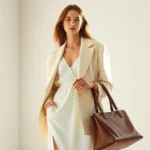

Anna Wintour’s Fashion Secrets: Editor Insights & Style Philosophy
Anna Wintour stands as one of the most influential figures in modern fashion history. As the Editor-in-Chief of Vogue for over three decades, she has shaped global fashion trends, discovered countless designers, and established herself as the ultimate arbiter of style. Her distinctive vision—characterized by impeccable taste, unwavering standards, and an almost mysterious aura—has made her a subject of fascination for fashion enthusiasts worldwide. But what are the actual secrets behind her legendary fashion sense? How does someone develop such an authoritative eye for what matters in the industry?
Wintour’s approach to fashion goes far beyond simply selecting beautiful clothes or trendy pieces. Her philosophy encompasses a deep understanding of craftsmanship, cultural relevance, and the narrative that fashion tells about our society. Whether she’s spotted in her signature sunglasses and bob haircut or making bold editorial decisions at Vogue’s offices, every choice reflects a deliberate strategy. This article explores the fundamental principles that have guided her career, the habits that keep her ahead of trends, and the wisdom she’s shared about building a powerful personal style.
The Power of Consistency and Signature Style
One of Anna Wintour’s most recognizable secrets is her commitment to a personal uniform. For decades, she has maintained remarkably consistent styling choices: designer sunglasses, a sleek bob haircut, and impeccably tailored pieces. This isn’t accidental or lazy—it’s strategic brilliance. By establishing a signature look, Wintour has created an instantly recognizable personal brand that commands attention and respect before she even speaks.
This principle applies to anyone seeking to develop their own powerful style. Rather than constantly chasing every new trend, Wintour demonstrates the value of identifying core elements that work for your body, lifestyle, and personality, then refining them to perfection. She understands that true style isn’t about owning the most clothes; it’s about knowing yourself so completely that your choices become unmistakable.
When you study how to find your personal style, you’ll discover that consistency is one of the most powerful tools available. Wintour’s approach teaches us that wearing the same silhouettes, colors, and accessories repeatedly creates a coherent visual identity. This makes every appearance intentional and memorable, whether you’re attending a high-fashion gala or walking through the streets of Manhattan.
Her signature dark sunglasses serve another purpose beyond aesthetics—they create an air of mystery and authority. They suggest someone who observes rather than performs, who maintains boundaries, and who sees the world through their own critical lens. This psychological element of style is something many fashion enthusiasts overlook, yet it’s fundamental to how Wintour has maintained her power within the industry.
Understanding Quality Over Quantity
Anna Wintour has repeatedly emphasized that she would rather own five perfect pieces than fifty mediocre ones. This philosophy represents a fundamental shift in how we should approach fashion consumption. In an era of fast fashion and endless options, her commitment to quality stands as a counterrevolution toward intentional, sustainable style choices.
Quality, in Wintour’s definition, encompasses multiple dimensions. First, there’s the material itself—she insists on natural fabrics, superior construction, and attention to detail that only comes from experienced craftspeople. Second, there’s the design—each piece should have a purpose and contribute meaningfully to a wardrobe. Third, there’s the longevity—pieces should withstand both time and trends, remaining relevant seasons after they’re purchased.
This approach directly contrasts with the disposable fashion culture that dominates today’s market. When you invest in quality pieces, you’re making a statement about your values and your relationship with fashion. You’re choosing thoughtfulness over impulse, permanence over novelty. Wintour’s wardrobe, built over decades, likely contains fewer individual items than many people purchase in a single year, yet it carries infinitely more power and versatility.
Understanding quality also means recognizing the difference between trend-driven pieces and timeless investments. While Wintour certainly appreciates innovative design and forward-thinking aesthetics—as evidenced by her editorial choices at Vogue—her personal wardrobe emphasizes pieces that will serve her well regardless of seasonal shifts. This dual approach, where you appreciate trend-setting while dressing in timeless pieces, represents sophisticated fashion thinking.
The Art of Editing and Curation
As Editor-in-Chief of Vogue, Wintour’s primary responsibility involves curation—selecting which designers, trends, and stories deserve attention and which should be overlooked. This editorial eye, honed over decades, represents perhaps her most valuable skill. The ability to look at hundreds of collections and identify the three or four that truly matter requires exceptional judgment.
Editing applies equally to personal style. Wintour’s wardrobe represents a curated collection where every item has earned its place. She doesn’t keep pieces out of nostalgia or “just in case” scenarios. Each garment must justify its existence through regular use and meaningful contribution to her overall aesthetic. This ruthless approach to curation is why her style feels so refined and purposeful.
The editing process also involves understanding context and narrative. When Wintour selects pieces for her wardrobe or stories for Vogue’s pages, she considers how they interact with everything else. Does this piece complement her existing aesthetic? Does this designer represent the direction fashion should move? Does this trend deserve amplification? These questions guide her decisions and result in a cohesive whole rather than a collection of random items.
For anyone looking to develop their own editorial eye, consider adopting this questioning approach. Before adding anything to your wardrobe, ask whether it genuinely improves your existing collection. Before following a trend, consider whether it aligns with your personal aesthetic and values. This deliberate curation transforms fashion from consumption into expression.
Building Relationships with Designers
Wintour’s influence extends far beyond her editorial decisions—she has cultivated deep, lasting relationships with some of fashion’s greatest designers. From supporting emerging talent to collaborating with established houses, she understands that fashion exists within a community of creators, not in isolation. These relationships have allowed her to shape the industry while remaining authentic to her vision.
Her support for designers like Marc Jacobs, when he was relatively unknown, and her ongoing relationship with Tom Ford, demonstrate her commitment to recognizing and nurturing talent. These aren’t transactional relationships based on publicity or commercial benefit alone; they’re partnerships built on mutual respect and shared vision. Wintour’s endorsement can make or break a designer’s career, yet she uses this power thoughtfully.
This principle translates to personal style in a subtle but important way. Rather than treating fashion as a passive consumption experience, consider building relationships with designers, boutiques, and stylists whose work resonates with you. When you find pieces that truly work for your body and aesthetic, return to those sources. Support the creators whose vision aligns with yours. This approach creates a more meaningful relationship with fashion while ensuring consistency in quality and style.
Wintour’s relationships with designers also reflect her understanding that fashion is ultimately about people—the visionaries who create, the craftspeople who construct, the individuals who wear. By maintaining these human connections, she stays grounded in the emotional reality of fashion rather than treating it as mere commerce or trend-following.

Fashion as a Form of Communication
One of Wintour’s most profound insights is that fashion functions as a universal language. Clothing communicates our values, our aspirations, our cultural moment, and our individual identity. Every editorial decision she makes at Vogue represents a statement about what matters in our world. Similarly, every piece in your wardrobe communicates something about who you are and what you value.
This communication function explains why Wintour takes fashion so seriously. When she devotes Vogue’s pages to sustainable fashion, she’s not simply following a trend—she’s making a statement about the industry’s responsibility to environmental and social concerns. When she champions diversity in fashion, she’s using her platform to reshape cultural narratives about beauty and representation.
Understanding fashion as communication transforms how you approach your personal style. Rather than asking “Is this fashionable?” ask instead “What does this communicate about me?” Does your wardrobe express authenticity or conformity? Does it reflect your values? Does it tell the truth about who you are? Wintour’s approach suggests that the most powerful style choices are those that align your external presentation with your internal values.
This perspective also explains why certain Wintour-approved pieces transcend fashion and become cultural symbols. The clothes featured in Vogue aren’t simply beautiful or trendy; they communicate something meaningful about contemporary culture. When you build your wardrobe with this awareness, you’re creating a personal narrative rather than simply assembling outfits.
The Discipline of the Fashion Editor
Behind Wintour’s seemingly effortless style lies tremendous discipline. She arrives at Vogue’s offices with a clear vision of what the magazine should represent in any given month. She reviews countless designer submissions, attends fashion shows, and maintains constant dialogue with the industry. This discipline isn’t glamorous—it’s rigorous, demanding work that requires sustained focus and attention to detail.
Applying editorial discipline to your personal wardrobe means treating your style with the same seriousness. Rather than impulse shopping or following every trend, establish clear parameters for your clothing choices. What colors work for your complexion? What silhouettes flatter your body? What brands align with your values? What price points represent good value for quality? When you answer these questions thoroughly, you create a framework that guides every future decision.
Discipline also involves regular evaluation and refinement. Wintour likely reviews her wardrobe seasonally, removing pieces that no longer serve her and identifying gaps that need filling. This ongoing attention ensures that her style remains sharp and relevant while maintaining consistency. For most people, this might mean a quarterly wardrobe audit where you honestly assess what you actually wear and what simply takes up space.
The discipline Wintour practices extends to staying informed about fashion history and current trends. She reads extensively, attends shows, studies the work of emerging designers, and maintains awareness of cultural movements that influence fashion. This continuous learning keeps her perspective fresh while grounding her decisions in deep knowledge. To develop your own editorial eye, commit to similar learning—study fashion history to understand how styles evolve and what endures.
Timeless Principles for Modern Wardrobes
While Anna Wintour’s specific style choices reflect her personal preferences and position within the industry, the underlying principles she follows apply universally. Whether you’re building a professional wardrobe, a casual everyday look, or exploring different fashion styles, these foundational concepts will serve you well.
First, invest in fit above all else. A perfectly fitting piece in a neutral color outperforms a trendy item that doesn’t sit right on your body. Wintour’s commitment to tailoring—evident in her signature silhouettes—reflects this principle. Second, build a foundation of basics that work together. These neutral, versatile pieces form the backbone of any functional wardrobe, allowing you to add personality through accessories and trendier items.
Third, embrace timelessness while appreciating novelty. You don’t need to reject all trends, but distinguish between seasonal fads and genuine innovations that will endure. Fourth, understand your body and dress accordingly. Wintour’s consistency comes partly from knowing exactly what works for her frame. Fifth, develop an awareness of quality indicators—natural fabrics, thoughtful construction, coherent design—so you can make informed purchasing decisions.
Looking at StyleLoom Daily Blog and exploring different eras like 90s fashion clothes or 90s hip hop fashion provides context for understanding how styles evolve and what elements prove enduring. Wintour herself draws inspiration from fashion history, recognizing that innovation often involves reinterpreting classic silhouettes and proportions through contemporary lenses.
Finally, remember that style is ultimately personal. Wintour’s authority doesn’t come from dictating what everyone should wear; it comes from having a clear, authentic vision and the confidence to pursue it. Your own powerful style will emerge not from copying Wintour or any other fashion authority, but from understanding yourself deeply and making intentional choices that reflect your values, body, and personality.

FAQ
What is Anna Wintour’s signature style?
Anna Wintour’s signature style consists of designer sunglasses, a sleek bob haircut, and impeccably tailored pieces in neutral colors. She maintains remarkable consistency in her personal aesthetic, demonstrating that true style comes from refined repetition rather than constant variety. This uniform approach creates an instantly recognizable personal brand that commands respect and attention.
How does Anna Wintour choose what trends to feature in Vogue?
Wintour employs a rigorous editorial eye developed over decades of experience. She evaluates trends based on their cultural relevance, design innovation, and alignment with Vogue’s vision. She considers how trends reflect contemporary society and whether they represent genuine creative advancement or merely commercial novelty. Her selections shape global fashion by determining which designers and aesthetics receive amplification.
What can I learn from Anna Wintour about building my personal style?
Key lessons include prioritizing quality over quantity, developing a signature aesthetic and maintaining consistency, understanding your body and what flatters it, building a foundation of timeless basics, and treating fashion as a form of personal communication. Additionally, develop an editorial eye by studying fashion history and learning to distinguish between fleeting trends and enduring innovations.
Does Anna Wintour follow trends?
Wintour appreciates innovative design and forward-thinking aesthetics, as evidenced by her editorial choices. However, her personal wardrobe emphasizes timeless, quality pieces that transcend seasonal trends. She demonstrates that sophisticated style involves appreciating trend-setting innovation while dressing in pieces that will remain relevant regardless of what’s currently fashionable.
Why does Anna Wintour wear sunglasses indoors?
Her signature dark sunglasses serve multiple purposes: they create an instantly recognizable personal brand, establish an air of authority and mystery, maintain boundaries between her personal and professional personas, and allow her to observe without being fully observed. This psychological element of style demonstrates that fashion choices communicate power and intention beyond mere aesthetics.
How important is quality in Anna Wintour’s fashion philosophy?
Quality is absolutely central to her approach. Wintour has stated she would rather own five perfect pieces than fifty mediocre ones. Quality encompasses superior materials, thoughtful construction, meaningful design, and longevity. This emphasis on quality over quantity represents a counterrevolution against disposable fast fashion and emphasizes intentional, sustainable style choices.