Androgynous Fashion: Expert Styling Tips for a Gender-Neutral Wardrobe
Androgynous fashion represents one of the most liberating and creative movements in contemporary style. By blending traditionally masculine and feminine elements, this approach to dressing allows individuals to express their authentic selves without conforming to conventional gender norms. Whether you’re exploring androgynous aesthetics for the first time or refining your existing wardrobe, understanding the principles of balanced silhouettes, strategic layering, and intentional accessorizing can transform your personal style into a powerful statement of individuality.
The beauty of androgynous fashion lies in its versatility and inclusivity. It’s not about rejecting femininity or masculinity—it’s about choosing the best elements from both to create a cohesive, authentic look that feels true to who you are. From oversized blazers paired with fitted trousers to cropped tops layered beneath structured jackets, the possibilities are endless. This comprehensive guide explores expert styling techniques, wardrobe essentials, and practical tips to help you master the art of androgynous dressing.
Understanding Androgynous Fashion
Androgynous fashion is fundamentally about transcending binary style categories and creating looks that feel authentic to your identity. The term “androgynous” refers to a blend of masculine and feminine characteristics, and when applied to fashion, it means deliberately mixing traditionally gendered clothing elements. This could mean pairing a structured menswear-inspired jacket with a flowing skirt, or combining tailored trousers with a delicate, sheer blouse.
The androgynous movement has roots in decades of fashion rebellion. From the gender-bending styles of David Bowie in the 1970s to contemporary non-binary fashion influencers, androgynous dressing has always represented freedom and self-expression. Today, major fashion houses and designers are embracing gender-neutral collections, making it easier than ever to find pieces that support this aesthetic. According to Vogue, androgynous fashion continues to shape runway trends and consumer preferences across the globe.
Understanding your personal relationship with androgynous fashion is the first step. Are you drawn to it for comfort, self-expression, or both? Do you want to fully embrace a gender-neutral wardrobe, or incorporate androgynous elements into your existing style? These questions will guide your styling decisions and help you find your personal style within this framework.
Core Wardrobe Essentials
Building a strong androgynous wardrobe starts with investing in versatile, high-quality basics that can be mixed and matched endlessly. These foundational pieces form the backbone of countless outfits and should be chosen for both comfort and durability.
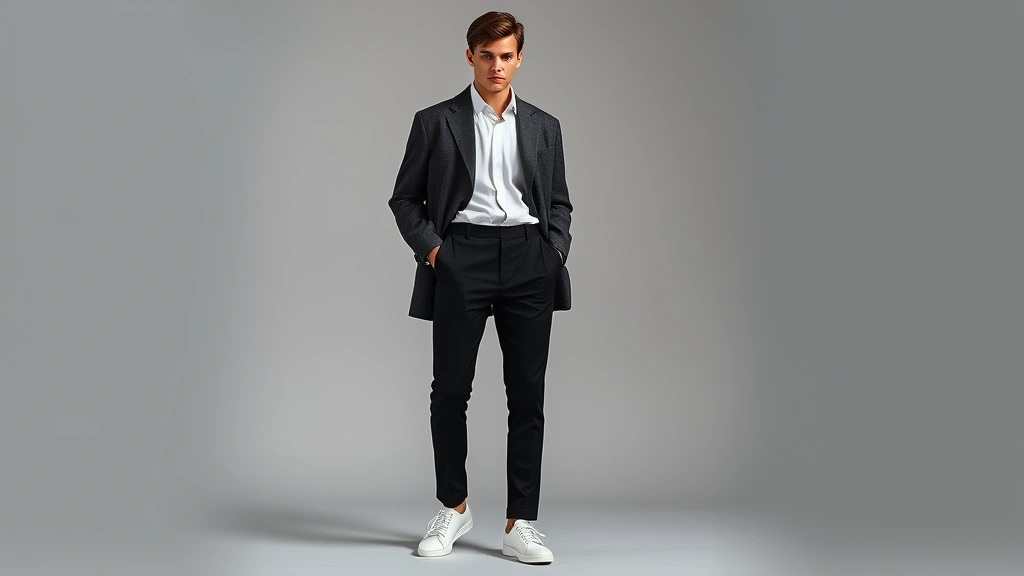
Blazers and Jackets: The structured blazer is perhaps the most essential androgynous piece. Opt for oversized silhouettes in neutral colors like black, navy, gray, or beige. A well-fitted blazer instantly adds sophistication to any outfit and bridges the gap between masculine tailoring and feminine styling. Look for versions with interesting details—unexpected colors, interesting textures, or unique button placements—to add personality to your collection.
Tailored Trousers: Invest in several pairs of well-constructed trousers in various fits. High-waisted, straight-leg trousers create a classic androgynous silhouette, while slightly oversized cuts add contemporary edge. Neutral tones like black, gray, and khaki are essential, but don’t shy away from adding texture through corduroy, linen, or wool blends.
Basic Tees and Shirts: Plain white, black, and gray t-shirts are non-negotiable. Additionally, invest in crisp white button-up shirts in oversized fits—these can be worn loose, tucked in creatively, or layered under other pieces. Consider adding some interesting textures like linen or cotton-silk blends to your collection.
Denim: Quality denim is a cornerstone of androgynous style. Straight-leg, boyfriend, or relaxed-fit jeans work beautifully. Avoid overly distressed versions unless that’s your aesthetic preference. A classic dark wash and a medium wash give you maximum versatility across seasons.
When exploring types of fashion styles, you’ll notice androgynous fashion prioritizes functionality alongside aesthetics, making these basics incredibly practical investments.
Mastering Silhouettes and Proportions
The key to successful androgynous styling is understanding how to balance proportions. This isn’t about erasing curves or creating a completely shapeless silhouette—it’s about creating intentional visual interest through strategic proportioning.
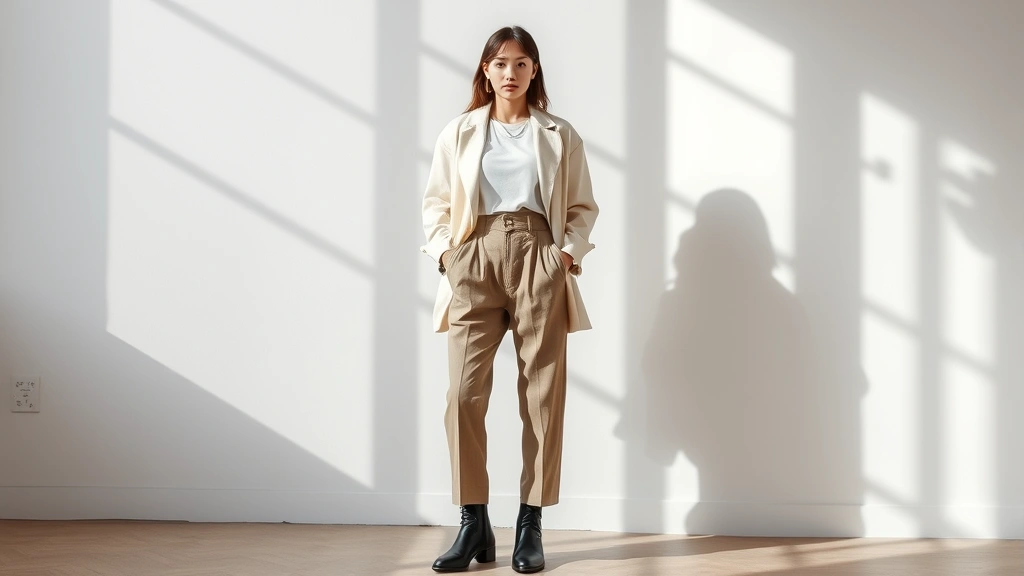
The Rule of Contrast: Pair fitted pieces with oversized ones to create dynamic silhouettes. If you’re wearing a fitted turtleneck, top it with an oversized blazer. If you’re in loose, flowing trousers, balance them with a tucked-in or cropped top. This creates visual interest and prevents your outfit from looking shapeless or unflattering.
Crop and Length Play: Experiment with cropped tops, which create a distinctly androgynous look when paired with high-waisted bottoms. Crop a button-up shirt and tuck it in, or wear a cropped sweater with tailored trousers. Conversely, oversized, longer tops can be styled with fitted bottoms for a balanced silhouette.
Waistline Emphasis: While androgynous fashion doesn’t require highlighting curves, it also doesn’t mean ignoring your natural silhouette. Strategic tucking, belting, or layering can create definition without compromising the gender-neutral aesthetic. A tucked-in shirt under a structured jacket creates clean lines and proportion.
Shoulder Structure: Pieces with strong shoulder definition—blazers, structured jackets, or even t-shirts with subtle shoulder seams—create a more androgynous silhouette. These pieces provide visual structure and prevent an outfit from appearing too soft or rounded.
Color Palettes and Fabric Choices
Color and texture play crucial roles in establishing a cohesive androgynous aesthetic. The right choices can elevate your style and create a distinctive personal brand.
Neutral Foundation: Build your wardrobe primarily around neutrals: black, white, gray, navy, beige, olive, and khaki. These colors are inherently androgynous and allow for endless mixing and matching. They also create a sophisticated, intentional aesthetic rather than appearing accidental or underdeveloped.
Strategic Color Accents: Once you have a strong neutral foundation, introduce pops of color through statement pieces or accessories. Deep jewel tones like emerald, sapphire, or burgundy read as sophisticated and androgynous. Alternatively, explore muted versions of brighter colors—dusty rose, sage green, or slate blue—for a more subtle approach.
Monochromatic Styling: Wearing a single color from head to toe creates a streamlined, androgynous silhouette. All-black outfits are classic, but monochromatic styling in any neutral color creates visual elongation and intentionality.
Fabric Selection: Choose fabrics that hold their shape and create clean lines. Structured cotton, linen blends, wool, and technical fabrics work beautifully. Avoid overly delicate or sheer fabrics unless intentionally layered—they can read as traditionally feminine. However, sheer fabrics used strategically (like a sheer shirt layered over a fitted tee) can add sophisticated complexity to your look.
Texture Mixing: Combine different textures to add visual interest without relying on color. Pair a smooth cotton shirt with textured wool trousers, or layer a knit sweater under a linen jacket. This approach maintains an androgynous aesthetic while preventing outfits from appearing flat or one-dimensional.
” alt=”Androgynous fashion styling with oversized blazer, tailored trousers, and structured accessories on neutral background”>
Accessorizing Your Androgynous Look
Accessories are where androgynous fashion truly comes alive. Strategic accessorizing can completely transform a basic outfit and express your personality without compromising the aesthetic.
Footwear: Shoes are perhaps the most important accessory in androgynous styling. Invest in classic, structured shoes: white leather sneakers, black leather boots, oxford shoes, and loafers. These styles are inherently androgynous and work across countless outfit combinations. Avoid overly delicate or embellished shoes that read as distinctly feminine. Chunky sneakers, combat boots, and minimalist slip-ons are excellent androgynous choices.
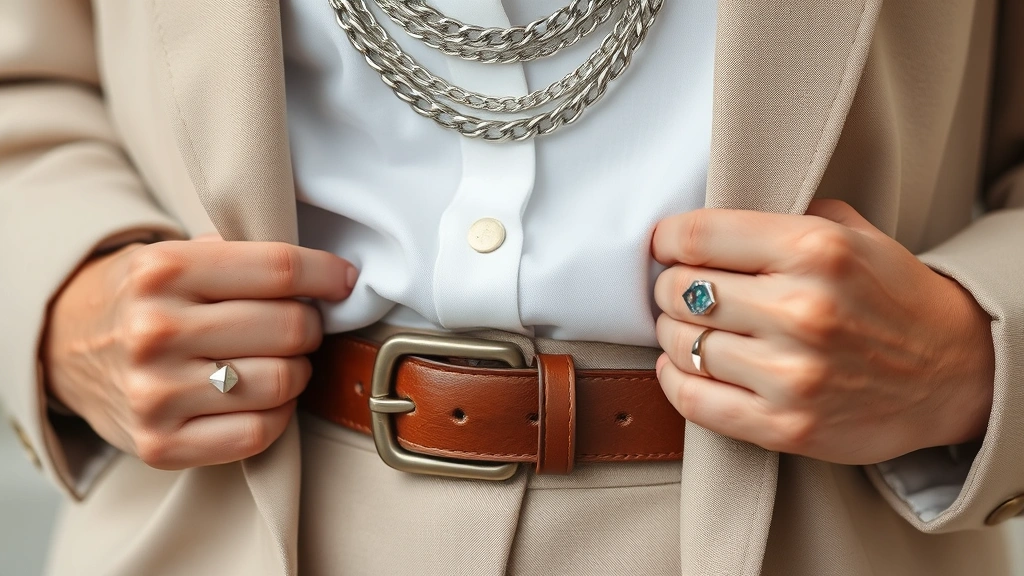
Belts: A quality belt serves both practical and aesthetic purposes. Wide, structured belts in black or neutral leather add definition and visual interest. Experiment with belt placement—a standard waist belt is classic, but trying a belt over a blazer or at hip level creates interesting silhouettes.
Bags: Choose structured, minimalist bags in neutral colors. Leather crossbody bags, backpacks, and structured totes all work beautifully. Avoid overly decorated or embellished bags. The best androgynous bags are functional, clean-lined, and versatile enough to transition between casual and formal settings.
For comprehensive guidance on accessorizing, explore our detailed guide on fashion accessories to discover how to elevate any androgynous outfit.
Jewelry: Keep jewelry minimal and geometric. Silver, gold, or mixed metals work equally well. Simple chains, minimalist rings, and structured earrings complement androgynous style. Avoid overly ornate or delicate jewelry that reads as traditionally feminine. Chunky rings, layered chains, and geometric pieces feel more androgynous.
Hats and Headwear: Beanies, caps, and structured hats add androgynous edge. A well-fitted baseball cap or beanie instantly grounds an outfit in casual androgynous style. Fedoras and other structured hats work for dressier occasions.
Scarves: Long, oversized scarves add sophistication and can be styled in countless ways. Drape a neutral scarf loosely around your neck for an effortless look, or wrap it as a headscarf for added edge.
Layering Techniques for Balance
Layering is perhaps the most powerful tool in androgynous styling. It allows you to create depth, visual interest, and proportion play while maintaining the aesthetic.
The Classic Three-Layer Foundation: Start with a basic fitted tee, add an open button-up shirt, and top with a structured blazer or jacket. This creates a polished, intentional look that balances fitted and loose pieces. The fitted base prevents the outfit from appearing shapeless, while the looser outer layers maintain androgynous proportion.
Sheer Layering: A sheer button-up or mesh top layered over a fitted tee creates visual complexity without compromising androgyny. The sheer layer adds sophistication, while the fitted layer underneath maintains clean lines and definition.
Long Layering: Layer a long, open cardigan or duster coat over fitted pieces to create vertical lines and elongation. This technique works beautifully with both casual and formal outfits.
Cropped Layering: Pair a cropped top with a longer, oversized piece—like a cropped sweater under an oversized blazer. This creates visual interest through proportion contrast while maintaining androgynous balance.
Texture Layering: Combine different textures for visual depth. A smooth cotton tee under a knit sweater under a linen blazer creates interesting tactile variation without relying on color.
Building Your Personal Androgynous Style
The most important aspect of androgynous fashion is making it authentically yours. While guidelines and principles are helpful, your personal expression should always come first.
Finding Your Silhouette Sweet Spot: Experiment with different proportions to discover what feels most comfortable and authentic. Some people thrive in oversized silhouettes, while others prefer more fitted pieces. Neither approach is more “correct”—the right choice is what makes you feel confident and true to yourself.
Developing a Signature Look: Consider creating a recognizable personal aesthetic within androgynous fashion. This might mean always incorporating a specific element (like oversized blazers), favoring particular colors, or developing a signature accessory style. This cohesion makes your style memorable and intentional.
Mixing Dressy and Casual: Androgynous fashion excels at blurring the lines between casual and formal. Pair tailored trousers with a plain tee and sneakers, or dress up jeans with a silk button-up and loafers. This flexibility is one of androgynous style’s greatest strengths.
Seasonal Adaptation: Androgynous fashion works across all seasons. In warmer months, focus on lightweight fabrics, cropped pieces, and breathable materials. Winter allows for more layering and structured outerwear. The principles remain consistent regardless of season.
As you develop your androgynous style, remember that finding your personal style is an ongoing journey. Your aesthetic will evolve as you experiment with different pieces and combinations.
Learning from Fashion History: Understanding how androgynous fashion has evolved throughout history can inspire your personal style. The complete fashion history timeline reveals how gender-neutral dressing has always represented innovation and rebellion in the fashion world.
Several fashion designers are leading the androgynous movement today. Comme des Garçons has pioneered gender-neutral fashion for decades, while contemporary designers continue to challenge traditional gendered clothing categories. Exploring designer collections can provide inspiration for your personal wardrobe.
” alt=”Complete androgynous outfit featuring oversized blazer, cropped shirt, tailored trousers, and structured leather boots in minimalist setting”>
FAQ
What’s the difference between androgynous fashion and unisex fashion?
While related, these terms have distinct meanings. Unisex fashion refers to clothing designed to fit and appeal to all genders equally—think basic t-shirts or jeans. Androgynous fashion, conversely, is about deliberately blending traditionally masculine and feminine elements to create a specific aesthetic. Androgynous styling is more intentional and expressive, while unisex is more neutral and universal.
Can I wear androgynous fashion if I’m not non-binary or gender non-conforming?
Absolutely. Androgynous fashion is for anyone who appreciates the aesthetic and wants to express themselves through it. Fashion is a form of self-expression available to everyone, regardless of gender identity. Many people embrace androgynous elements simply because they love the style, comfort, and freedom it provides.
How do I start transitioning to androgynous fashion if I currently dress more traditionally?
Start by incorporating one androgynous piece at a time. Maybe begin with an oversized blazer or a pair of tailored trousers. Wear it with your existing wardrobe to see how it feels. Gradually add more pieces as you become comfortable. You don’t need to overhaul your entire wardrobe overnight—building androgynous style is a gradual, personal process.
Are there androgynous fashion options for formal occasions?
Yes, absolutely. Tailored suits, structured blazers with elegant trousers, crisp white shirts, and minimalist jewelry create sophisticated androgynous formal wear. Many designers now offer gender-neutral formal collections. The key is choosing well-constructed, high-quality pieces in neutral colors with clean lines.
How can I make androgynous fashion work with my body type?
Androgynous fashion is incredibly adaptable to different body types. The key is understanding proportion and balance. Experiment with different silhouettes, layering techniques, and fits to discover what makes you feel confident. There’s no single “correct” way to dress androgynously—the goal is finding what works for your body and makes you feel authentically yourself.
What brands specialize in androgynous fashion?
Many contemporary brands now offer androgynous collections. The Volon focuses on gender-neutral luxury, while brands like COS and Everlane offer minimalist, androgynous basics. Vintage and thrift shopping is also excellent for finding androgynous pieces, particularly oversized blazers and structured trousers.
How do I build an androgynous wardrobe on a budget?
Start with versatile basics in neutral colors from affordable retailers. Thrift stores and vintage shops are goldmines for androgynous pieces—oversized blazers, structured trousers, and quality denim are often available at fraction of retail price. Focus on quality basics you’ll wear repeatedly rather than trendy pieces. As your budget allows, invest in higher-quality statement pieces like a well-constructed blazer.