African Fashion Dresses: Designer Insights and Global Influence
African fashion dresses represent far more than clothing—they embody centuries of cultural heritage, artistic innovation, and contemporary style evolution. From vibrant Ankara prints to elegant Kente cloth creations, African fashion dresses have transcended continental boundaries to become a global phenomenon, influencing runways from Paris to New York. Today’s most celebrated designers are drawing inspiration from traditional African textiles and silhouettes, creating pieces that honor ancestral craftsmanship while embracing modern aesthetics. This fusion of heritage and innovation has positioned African fashion at the forefront of the global style conversation.
The resurgence of African fashion dresses in mainstream culture reflects a broader shift toward celebrating diverse design traditions and supporting African artisans. Designers across the continent are reimagining traditional garments with contemporary cuts, sustainable practices, and bold color palettes that resonate with fashion-forward consumers worldwide. Whether you’re exploring traditional ceremonial wear or modern streetwear interpretations, understanding the designer insights behind these creations reveals the depth and sophistication of African fashion design.
The Heritage and Evolution of African Fashion Dresses
African fashion dresses possess a rich historical foundation that extends back generations, with each region developing distinctive design languages and construction techniques. The evolution of these garments reflects the continent’s diverse ethnic groups, trade routes, and cultural exchanges. Traditional African dresses served not only practical purposes but also communicated social status, marital status, and cultural affiliation through their patterns, colors, and embellishments.
The contemporary African fashion dress movement began gaining significant momentum in the early 2000s when designers started deliberately repositioning traditional garments as haute couture. This strategic shift transformed perception—what was once viewed as exclusively traditional or ceremonial wear became recognized as legitimate high fashion. Designers began deconstructing traditional silhouettes, experimenting with proportions, and reinterpreting classic patterns in revolutionary ways. This approach allowed fashion style enthusiasts to appreciate African design traditions while embracing contemporary sensibilities.
The influence of colonialism and globalization had previously suppressed African fashion narratives, but recent decades have witnessed a powerful reclamation and celebration of these design traditions. Young designers across Nigeria, Ghana, South Africa, Kenya, and beyond are now leading a creative renaissance, establishing themselves as important voices in global fashion discourse. Their work demonstrates that African fashion dresses are not nostalgic references but dynamic, evolving art forms that speak to current cultural moments and future possibilities.

Iconic African Textiles and Their Design Applications
Understanding African fashion dresses requires familiarity with the textiles that form their foundation. Several iconic fabrics have become synonymous with African fashion design, each carrying distinct cultural significance and design potential:
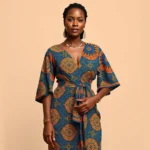
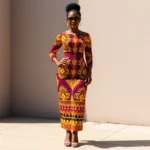
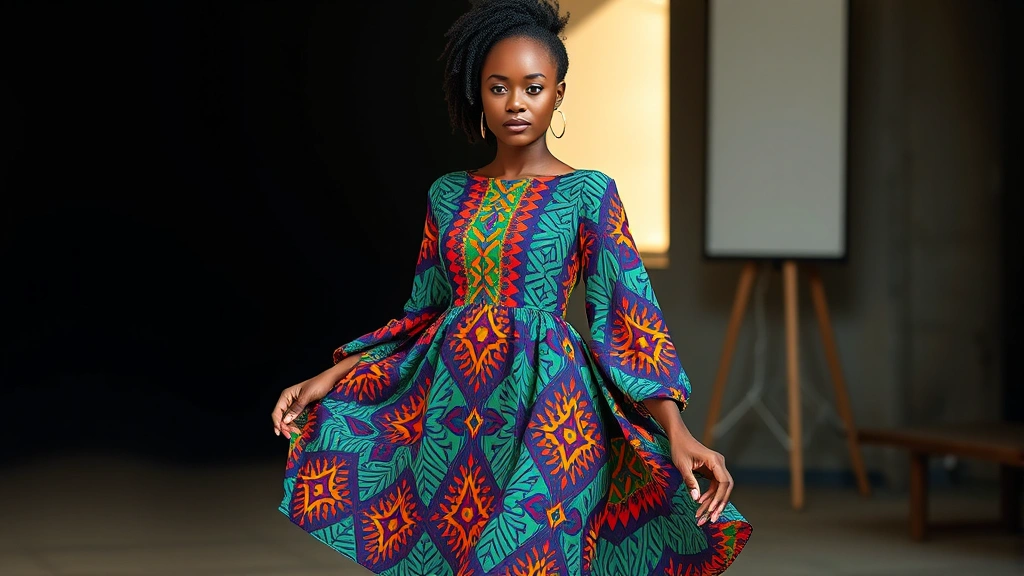
- Ankara (Wax Print): Characterized by bold, multicolored geometric and figurative patterns, Ankara fabrics originated from Indonesian batik but were embraced and transformed by West African communities. The fabric’s versatility allows designers to create everything from structured cocktail dresses to flowing evening gowns. Modern interpretations include color-blocked designs, asymmetrical cuts, and mixed-pattern compositions that showcase technical mastery.
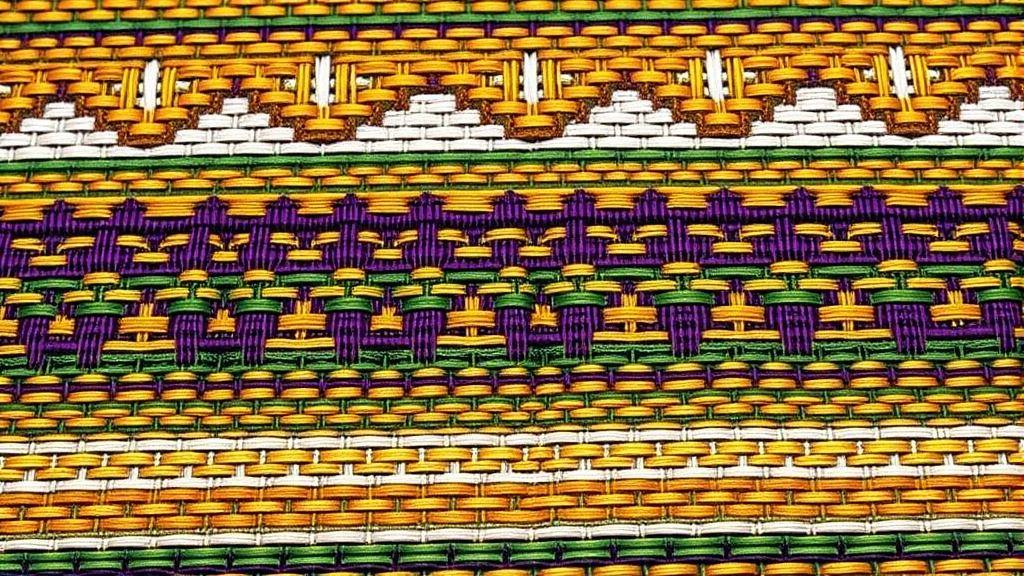
- Kente Cloth: This handwoven fabric from Ghana features intricate geometric patterns traditionally created on wooden looms. Kente’s sophisticated color combinations and symbolic patterns make it particularly suitable for ceremonial and formal wear. Contemporary designers are incorporating Kente patterns into unexpected silhouettes and combining them with modern fabrics for striking contrasts.
- Adire: A Nigerian indigo-dyed textile featuring resist-dyeing techniques that create mesmerizing patterns. Adire represents one of Africa’s oldest textile traditions and has experienced tremendous contemporary revival. Designers are using Adire in minimalist designs that let the fabric’s natural beauty speak, as well as in bold, maximalist compositions.
- Bogolan (Mud Cloth): This Mali-based textile features distinctive geometric patterns created through natural dyeing and mud application. Bogolan’s earthy tones and mathematical patterns appeal to designers seeking sophisticated, understated elegance.
- Shweshwe: A South African cotton fabric featuring small geometric prints, traditionally worn for celebrations and formal occasions. Modern designers are reimagining Shweshwe through contemporary tailoring and innovative pattern mixing.
Designers working with these textiles demonstrate remarkable skill in pattern matching, proportion balancing, and color coordination. Many emphasize the importance of respecting the fabric’s inherent design language while introducing fresh perspectives. The challenge lies in honoring traditional significance while creating pieces that feel relevant to contemporary fashion consumers.
Contemporary Designer Approaches and Innovation
Leading African fashion designers have developed distinctive design philosophies that guide their approach to creating African fashion dresses. These designers combine technical excellence with conceptual depth, producing collections that function simultaneously as wearable art and culturally significant statements.
Vogue has extensively documented the rise of African designers who are challenging conventional fashion hierarchies. These designers employ various innovative strategies: some deconstruct traditional garment forms and reconstruct them with unexpected proportions; others layer multiple textile traditions within single pieces, creating visual dialogues between different cultural practices. Many emphasize zero-waste construction, hand embroidery, and limited production runs that celebrate artisanal craftsmanship.
Color palette development represents another crucial area of designer innovation. Rather than relying solely on traditional color combinations, contemporary designers are exploring unexpected hues and combinations that maintain visual harmony while surprising viewers. Some designers work directly with dyers to develop custom colors, creating exclusive palettes that become signatures of their brands. This approach combines respect for traditional knowledge with modern creative vision.
Silhouette evolution demonstrates how designers are modernizing African fashion dresses. Traditional garments often featured generous proportions and flowing lines; contemporary interpretations include tailored fits, asymmetrical hems, architectural draping, and mixed-fabric constructions. Designers are also experimenting with proportional relationships—pairing oversized tops with fitted bottoms, creating unexpected length combinations, and introducing cutouts and sheer elements that reference contemporary fashion trends while maintaining cultural authenticity.
Many designers emphasize storytelling within their collections, with each dress serving as a narrative vehicle. They document the inspiration sources, production processes, and cultural significance of their designs, helping consumers understand the deeper meaning behind aesthetic choices. This educational approach enriches the wearing experience and builds appreciation for the design complexity involved.
The relationship between how to find your personal style and African fashion design is particularly relevant, as many designers encourage wearers to develop authentic relationships with their pieces. Rather than viewing African fashion dresses as trend-based purchases, designers position them as foundational wardrobe pieces that facilitate personal style expression.
Collaboration represents another significant innovation strategy. African designers are partnering with international fashion houses, luxury brands, and other designers to create collections that bridge different design traditions. These collaborations introduce African design perspectives to new audiences while providing African designers with expanded platforms and resources. Cross-continental partnerships also facilitate knowledge exchange and mutual creative enrichment.
Styling African Fashion Dresses for Modern Wardrobes
Integrating African fashion dresses into contemporary wardrobes requires understanding how to balance their distinctive visual presence with other wardrobe elements. Designer insights reveal several key styling principles:
The Statement Piece Approach: Many designers recommend allowing African fashion dresses to serve as wardrobe focal points. This philosophy suggests pairing a bold patterned dress with neutral accessories, simple footwear, and minimal additional pattern. This approach respects the dress’s visual complexity while creating a cohesive overall look. Accessories should enhance rather than compete—consider metallic jewelry, leather bags, and classic footwear that grounds the outfit.
Pattern Mixing Mastery: Advanced styling involves intentional pattern mixing, combining African textiles with other prints in ways that feel harmonious rather than chaotic. Designers suggest limiting pattern combinations to two or three distinct prints, ensuring they share complementary color palettes. This technique requires confidence but creates visually sophisticated results that showcase deeper fashion understanding.
Layering and Proportion Play: African fashion dresses can be layered with contemporary pieces—structured blazers, denim jackets, or leather outerwear—creating interesting textural contrasts. Proportion balancing is crucial; if your dress features voluminous sleeves or dramatic hemlines, pair it with fitted bottoms or streamlined outerwear. This interplay between volume and fit creates dynamic silhouettes.
Occasion Appropriateness: Different African fashion dresses serve different purposes. Formal ceremonial wear requires minimal additional styling and appropriate formal footwear. Contemporary everyday interpretations can be dressed down with sneakers, crossbody bags, and casual accessories. Understanding your dress’s design context helps inform styling choices that feel authentic and appropriate.
Seasonal Adaptations: Consider fabric weight and construction when styling for different seasons. Lighter African cotton prints work beautifully in warm months with minimal layering. Heavier textiles like Kente or structured Ankara can anchor winter wardrobes when paired with outerwear and boots. Designers increasingly create seasonal collections that address climate considerations while maintaining aesthetic integrity.
The connection between fashion nova dresses and African fashion design reveals interesting contrasts in approach. While contemporary fast-fashion interpretations prioritize trend cycles, designer African fashion dresses emphasize longevity, cultural significance, and timeless appeal. This distinction influences how pieces should be styled and cared for—investing in quality African designer pieces encourages thoughtful styling and extended wear rather than seasonal replacement.
Sustainable Practices in African Fashion Production
Sustainability represents a central concern for many contemporary African fashion designers, who recognize their responsibility to environmental and social systems. Designer insights reveal how sustainability practices are integrated into African fashion dress production:
Textile Sourcing and Production: Many designers prioritize working with local textile manufacturers, supporting regional economies and reducing transportation impacts. Some collaborate directly with traditional dyers and weavers, ensuring fair compensation and preserving endangered textile traditions. This approach strengthens supply chains while maintaining quality standards and cultural authenticity.
Zero-Waste Construction: Progressive designers implement zero-waste or minimal-waste pattern cutting, ensuring maximum fabric utilization. Scraps are repurposed into accessories, smaller garments, or donated to artisans for embellishment work. This practice reduces environmental impact while demonstrating technical skill and creative resourcefulness.
Natural Dyes and Eco-Friendly Processes: Many designers are reviving traditional natural dyeing techniques using plant-based materials, reducing chemical pollution and creating unique color variations. These processes often involve collaboration with communities that have maintained these knowledge traditions for generations. Natural dyeing also produces more durable colors that improve with age and washing.
Ethical Labor Practices: African fashion designers emphasize fair wages, safe working conditions, and respect for artisans’ expertise. Many maintain transparent supply chains where consumers can trace their garments’ production. This commitment to ethical practices reflects values that extend beyond aesthetics to encompass human dignity and economic justice.
Longevity and Timelessness: Designers intentionally create pieces designed for extended wear rather than seasonal obsolescence. By emphasizing classic designs, quality construction, and cultural significance, they encourage consumers to view purchases as long-term investments. This philosophy fundamentally challenges fast-fashion consumption patterns.
Community Investment: Many designers reinvest profits into their communities, supporting education, craft training, and cultural preservation initiatives. This approach recognizes that sustainable fashion extends beyond environmental concerns to encompass social responsibility and community development.
Global Impact and Market Trends
African fashion dresses have achieved unprecedented global visibility, influencing international fashion discourse and creating significant market opportunities. Business of Fashion reports indicate that African fashion represents one of the fastest-growing segments in the global luxury market. This growth reflects genuine consumer appreciation for African design innovation rather than passing trend adoption.
The influence extends across multiple fashion sectors. High-fashion houses are increasingly incorporating African textiles and design elements into their collections, while mainstream retailers are developing African-inspired lines. This democratization of African fashion makes these designs accessible to broader audiences, though questions about cultural appropriation and fair compensation remain important considerations.
Major fashion institutions are recognizing African designers’ contributions through prestigious awards, exhibition space, and critical attention. The Fashion Magazine and other authoritative publications regularly feature African designers, contributing to their visibility and credibility within international fashion hierarchies. Fashion schools and institutes are increasingly incorporating African design traditions into curricula, recognizing their importance to fashion history and contemporary practice.
The rise of StyleLoom Daily Blog and similar platforms dedicated to fashion coverage demonstrates growing media interest in African design narratives. Digital platforms have enabled African designers to reach global audiences directly, bypassing traditional gatekeepers and establishing independent brand identities.
Market trends indicate increasing consumer demand for authentic, culturally-informed design. Consumers are moving beyond superficial trend adoption toward genuine appreciation for design traditions and maker stories. This shift favors African designers whose work carries inherent cultural authenticity and conceptual depth.
The relationship between contemporary 80s fashion men trends and African fashion design reveals interesting cross-pollination. Designers are referencing retro aesthetics while incorporating African textiles and silhouettes, creating pieces that feel simultaneously nostalgic and innovative. This approach appeals to consumers seeking style complexity and historical awareness.
Similarly, 90s fashion influences are visible in contemporary African design through oversized proportions, asymmetrical cuts, and bold color combinations. These references demonstrate how African designers engage with broader fashion history while maintaining distinctive cultural perspectives.
Future Outlook: Industry experts predict continued growth in African fashion markets, driven by increasing consumer consciousness about sustainability, cultural authenticity, and design innovation. Digital technology is enabling designers to reach global audiences more directly, while international collaborations are introducing African design perspectives to new contexts. The challenge moving forward involves managing this growth while protecting cultural integrity, ensuring fair compensation for artisans, and preventing exploitative appropriation of African design traditions.
FAQ
What makes African fashion dresses unique compared to other global fashion traditions?
African fashion dresses combine distinctive textiles with sophisticated construction techniques developed over centuries. The designs reflect specific cultural contexts, incorporate meaningful symbolism, and demonstrate remarkable technical skill. Contemporary African fashion dresses additionally emphasize sustainability, artisanal craftsmanship, and conceptual depth that distinguishes them from mass-produced alternatives.
How can I style African fashion dresses for professional environments?
African fashion dresses work beautifully in professional settings when styled thoughtfully. Choose dresses with sophisticated patterns and refined tailoring, pair them with classic blazers and professional footwear, and keep accessories minimal and elegant. Consider the dress’s color palette when selecting additional pieces, ensuring overall cohesion. Many contemporary African designers specifically create professional collections suitable for workplace environments.
Are African fashion dresses expensive, and why?
High-quality African fashion dresses often represent significant investments because they typically involve artisanal production, premium natural textiles, ethical labor practices, and limited production runs. These factors ensure durability, cultural authenticity, and support for African artisans and designers. The pricing reflects the true cost of sustainable, ethically-produced fashion rather than artificially cheap fast-fashion alternatives.
How do I identify authentic African fashion dresses versus appropriation?
Authentic African fashion dresses typically include designer attribution, transparent information about textile origins and production processes, and respect for cultural significance. Look for pieces designed by African designers or brands that explicitly credit cultural sources and ensure fair compensation for traditional knowledge. Be cautious of designs that appropriate African aesthetics without acknowledging sources or supporting African artisans.
Can I wear African fashion dresses casually, or are they only for formal occasions?
Contemporary African fashion dresses function across multiple contexts, from casual everyday wear to formal celebrations. Many designers create versatile pieces suitable for various occasions depending on styling choices. Pair casual African print dresses with sneakers and simple accessories for everyday wear, or dress them up with heels and jewelry for special events. The key is understanding your specific dress’s design intent and styling accordingly.
What should I know about caring for African fashion dresses?
Many African fashion dresses feature delicate textiles and hand-embellished details requiring special care. Hand-wash or gentle machine wash in cool water, avoid harsh detergents that may affect natural dyes, and air-dry whenever possible. Store pieces carefully to prevent wrinkles and preserve embellishments. Check care instructions provided by designers, as specific recommendations vary based on textile type and construction methods.