Regency Era Fashion: Expert Styling Tips for Modern Elegance
The Regency era, spanning from 1811 to 1820, represents one of the most refined and influential periods in fashion history. This elegant epoch, immortalized by Jane Austen novels and the Netflix sensation Bridgerton, continues to captivate contemporary style enthusiasts seeking timeless sophistication. Regency fashion embodies grace, restraint, and an understated luxury that feels remarkably relevant to today’s fashion landscape, where maximalism gives way to considered elegance.
Whether you’re drawn to the ethereal gowns, the architectural silhouettes, or the refined accessories that defined this transformative decade, understanding Regency era fashion offers invaluable lessons in cultivating personal style. This comprehensive guide explores the defining characteristics of Regency dress and provides expert styling tips to help you incorporate these timeless elements into your modern wardrobe.
Understanding Regency Silhouettes and Construction
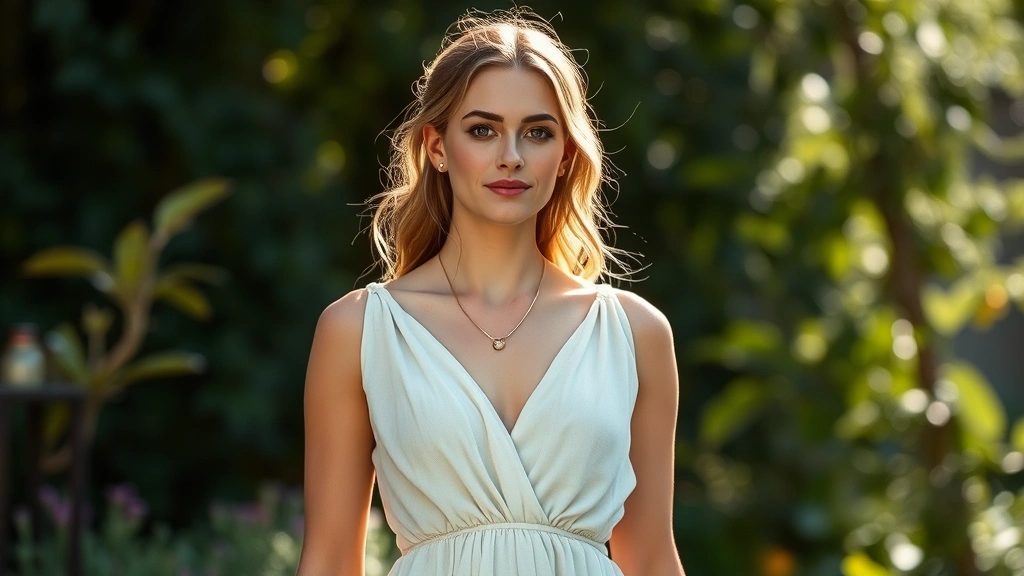
The Regency era marked a dramatic departure from the restrictive corsetry and voluminous skirts of the preceding Georgian period. Instead, fashion embraced a neoclassical aesthetic inspired by ancient Greek and Roman civilizations, resulting in silhouettes that prioritized elegance through simplicity rather than ornamentation. The defining characteristic of Regency dresses is their high-waisted construction, creating an elongated, graceful line that flatters virtually every body type.
Understanding these foundational silhouettes is crucial for anyone seeking to incorporate Regency fashion into their contemporary wardrobe. The typical Regency gown features a bodice that sits just below the bust, with a skirt that falls straight from this elevated waistline to the ankle. This construction creates an illusion of height and elongates the torso, principles that remain valid styling techniques today. When finding your personal style, consider how these proportions might enhance your natural silhouette.
The dress construction itself was remarkably refined. Seams were minimal, and the fabric was allowed to drape naturally against the body rather than being manipulated through boning and padding. This approach required exceptional tailoring and quality materials, as there was nowhere for imperfections to hide. Modern reconstructions of Regency gowns reveal the sophistication of these seemingly simple designs—each seam placement, each curve, was deliberately calculated to create the illusion of effortless elegance.
For contemporary styling, this principle translates beautifully: invest in well-tailored pieces that fit your body properly. A single high-waisted dress or skirt in quality fabric can transform your entire approach to dressing, creating the elongated proportions that made Regency fashion so universally flattering.
The Empire Waistline: A Revolutionary Design
Perhaps no single design element defines Regency fashion more distinctly than the empire waistline. This elevated waistband, positioned just below the bust rather than at the natural waist, represented a radical departure from centuries of fashion tradition. The empire waistline wasn’t merely an aesthetic choice—it embodied Enlightenment ideals about natural beauty and classical proportions that influenced every aspect of Regency culture.
The empire waistline offered several practical advantages that made it revolutionary for its time. First, it eliminated the need for extensive boning in the bodice, making dresses more comfortable to wear and move in. Second, it created a graceful vertical line that elongated the figure, making even petite frames appear statuesque. Third, it allowed for the natural movement and draping of fabric, which enhanced rather than constrained the body’s form. These advantages remain just as valid in modern styling contexts.
When incorporating the empire waistline into your contemporary wardrobe, look for dresses, tops, and even casual wear that sit just below the bust. This works particularly well for creating elegant silhouettes for special occasions, but it’s equally effective for everyday dressing. Pair an empire-waisted dress with modern accessories and footwear to create a look that honors Regency proportions while remaining thoroughly contemporary. The beauty of this silhouette is its versatility—it suits casual garden parties, formal galas, and everything in between.
Fashion historians and designers continue to reference the empire waistline because of its universal flattering qualities. Whether you’re petite, tall, curvy, or athletic in build, the empire waistline creates balanced proportions that enhance natural beauty without requiring restrictive undergarments or complex construction.
Fabrics and Textures That Define the Era
Regency fashion was distinguished not only by silhouette but also by the exquisite fabrics that brought these designs to life. During this period, the finest materials available were muslin, cambric, cotton lawn, and silk—fabrics that draped beautifully and created the ethereal quality that characterizes Regency gowns. These natural fibers responded to the body’s movement, creating flowing lines that enhanced rather than constrained.
Muslin, in particular, became the fabric of choice for day dresses and informal wear. This cotton fabric had a subtle luster and drape that created elegant silhouettes without excessive weight. Evening gowns often featured silk, particularly silk gauze and silk satin, which caught light beautifully and created an ethereal quality perfect for candlelit ballrooms. The Regency preference for lightweight, natural fabrics created garments that were both beautiful and practical—important considerations for clothing that needed to be worn and laundered regularly.
For modern styling inspired by Regency fashion, seek out fabrics that echo these qualities: natural fibers like cotton, linen, silk, and wool that drape well and move with your body. Avoid heavy synthetic fabrics that create stiff lines or restrict movement. When shopping for pieces, run your hands over the fabric and observe how it moves. Does it have a subtle sheen? Does it drape elegantly? Does it feel luxurious against your skin? These sensory qualities are essential to capturing the Regency aesthetic.
Texture played an important role in Regency fashion, even within the preference for simplicity. Fine pleating, subtle gathering, and delicate embroidery added visual interest without overwhelming the refined silhouettes. In your modern Regency-inspired wardrobe, consider incorporating pieces with subtle textural details: a dress with fine pleats at the hem, a top with delicate lace trim, or a skirt with subtle gathering at the empire waistline. These details add sophistication without sacrificing the clean lines that define the era.
Color Palettes and Pattern Choices
Contrary to popular belief, Regency fashion was not exclusively pale and insipid. While soft, muted tones certainly dominated daywear, the era’s color palette was considerably more sophisticated than a single shade of cream or pale yellow. Understanding the subtle color theory that governed Regency fashion choices provides valuable lessons for modern styling.
Daytime dresses typically featured soft, natural tones: pale yellows, creams, soft greens, lavenders, and pale pinks. These colors were practical for fabrics that showed every mark and were laundered frequently, but they also reflected Enlightenment ideals about natural beauty and classical aesthetics. Evening gowns, worn only once or twice before laundering, could feature richer colors: deep greens, warm golds, soft blues, and even dramatic jewel tones. These evening shades created stunning effects when illuminated by candlelight, a consideration that influenced color choices for formal occasions.
Patterns in Regency fashion were subtle and refined. Small-scale prints—delicate florals, geometric patterns, and striped fabrics—appeared frequently in both day and evening wear. Large, bold patterns were considered vulgar and were avoided by fashionable society. Solid-colored fabrics were equally popular, often enhanced by subtle texture or sheen rather than pattern. This restraint in pattern and color created a sophisticated aesthetic that prioritized individual beauty and proportion over visual drama.
When building a Regency-inspired wardrobe, consider this historical color theory. Incorporate soft, natural tones into your everyday pieces, allowing the quality of fabrics and the elegance of silhouette to provide visual interest. For special occasions, don’t hesitate to embrace richer, more saturated colors that feel luxurious and elegant. When choosing patterns, opt for small-scale prints or solid fabrics that allow your silhouette to be the focal point. This approach creates a timeless, sophisticated aesthetic that transcends temporary trends.
Accessories and Finishing Touches
In Regency fashion, accessories served not as bold statements but as refined finishing touches that completed an elegant ensemble. Understanding how Regency women accessorized provides valuable insights for modern styling, particularly in an era of maximalism and excess.
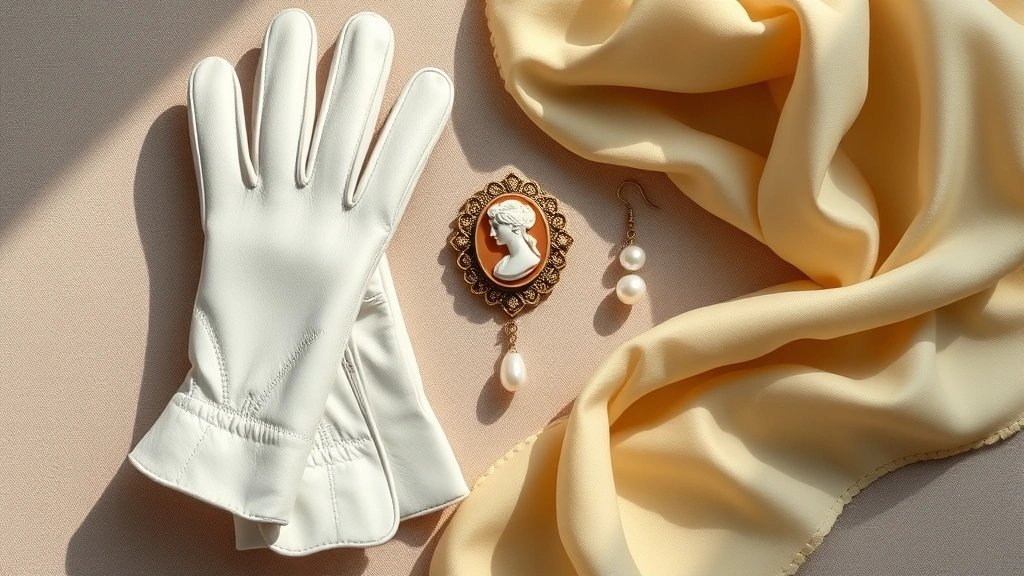
Gloves were essential to Regency fashion, serving both practical and aesthetic purposes. Long gloves in white kid leather or cotton were standard for evening wear, while shorter gloves in matching or contrasting colors were worn with daytime dresses. Gloves indicated social status and refinement, and wearing them correctly was an important aspect of fashionable dress. In modern styling, consider how a pair of elegant gloves can elevate even casual outfits, adding a touch of sophistication and intentionality.
Jewelry in the Regency era was notably restrained compared to earlier periods. Rather than heavy, ornate pieces, fashionable women wore delicate chains, simple drop earrings, and understated brooches. Cameos were particularly popular, offering a way to display classical aesthetics while maintaining refined simplicity. Pearls and diamonds were favored for their subtle elegance, while colored gemstones appeared less frequently. The preference was for jewelry that complemented rather than dominated the overall look.
Headwear played an important role in completing Regency ensembles. Bonnets, turbans, and delicate caps were worn both indoors and outdoors, serving practical purposes while adding visual interest to hair and face. Evening wear often featured elaborate headdresses adorned with feathers, jewels, or delicate flowers. Understanding the role of headwear in Regency fashion can inspire modern styling choices—consider how a simple headband, fascinator, or hat can elevate your look and add a touch of Regency sophistication.
Footwear in the Regency era was notably simple: flat or low-heeled slippers in matching fabrics or soft leather. Boots were worn for outdoor activities and traveling, but they were not part of fashionable dress for social occasions. This practicality reflects the reality that Regency women were far more active than their heavily corseted predecessors, requiring footwear that allowed comfortable movement.
Regency Fashion for Modern Occasions
The timeless elegance of Regency fashion translates beautifully to contemporary occasions, from casual gatherings to formal events. Understanding how to adapt Regency principles to modern contexts allows you to incorporate this refined aesthetic into your everyday life.
For casual daytime wear, channel Regency simplicity through high-waisted trousers or skirts paired with soft, well-fitted tops. A cream-colored linen shirt tucked into a soft green midi skirt captures the essence of Regency daywear while remaining thoroughly modern. Add a delicate gold necklace, soft leather flats, and a structured handbag to complete the look. This approach honors the era’s emphasis on proportion and quality over ornamentation.
For more formal occasions, consider seeking out or commissioning a gown inspired by Regency silhouettes. Modern dressmakers increasingly offer Regency-style gowns that incorporate contemporary comfort features—like subtle internal corsetry for support—while maintaining authentic proportions and construction. Pair such a dress with delicate jewelry, long gloves, and an upswept hairstyle to create an ensemble that feels both historically inspired and entirely modern.
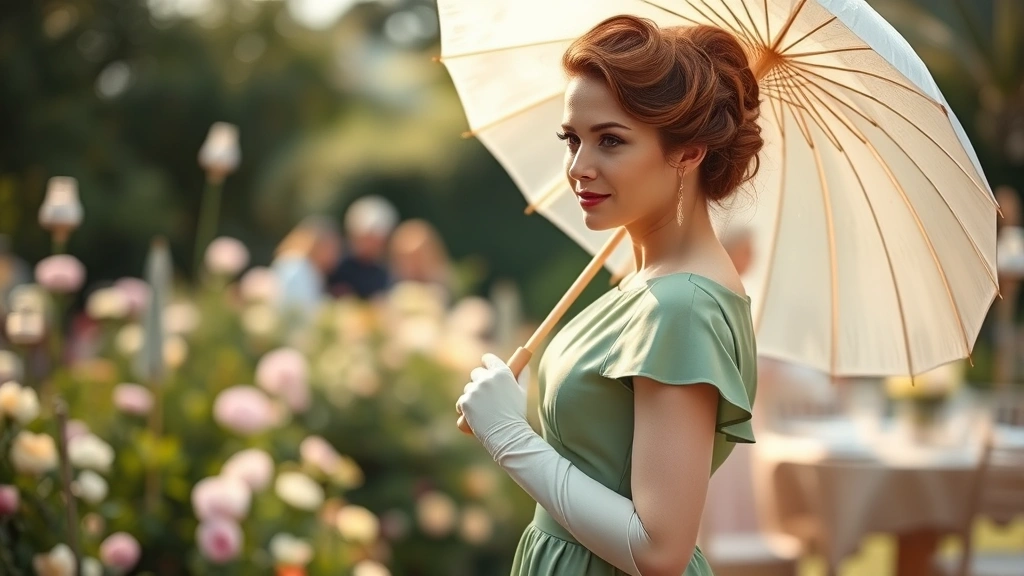
Garden parties and outdoor summer events are particularly suited to Regency-inspired styling. A lightweight dress in soft colors with empire waistline and simple embellishments captures the era’s aesthetic perfectly. Add a wide-brimmed hat, delicate parasol, and soft leather sandals for an ensemble that’s both practical and elegant. This approach to summer dressing emphasizes comfort and ease while maintaining sophisticated proportions.
When styling for formal occasions, remember that Regency fashion valued restraint and elegance over drama. Choose a gown in a rich jewel tone or soft metallic shade, keep accessories minimal and delicate, and allow the silhouette itself to be the focal point. This approach creates a timeless look that never feels dated or costume-like.
Building Your Regency-Inspired Wardrobe
Creating a modern wardrobe inspired by Regency fashion doesn’t require you to wear historical costume or abandon contemporary style. Instead, it involves understanding and incorporating the principles that made Regency fashion so enduringly elegant, then adapting them to your lifestyle and personal preferences.
Begin by assessing your current wardrobe through a Regency lens. Look for pieces that already embody key principles: high-waisted silhouettes, natural fabrics, refined proportions. A well-fitted pair of cream-colored linen trousers with a high waist already captures essential Regency aesthetics. A soft cotton dress with empire waistline and simple construction is a foundational piece that can be styled countless ways.
Next, identify gaps in your wardrobe and fill them intentionally. Invest in quality basics in soft, natural tones: cream, soft gray, pale blue, warm beige, and soft green. These form the foundation of a Regency-inspired aesthetic and provide endless styling possibilities. Add one or two pieces in richer colors for special occasions—a deep emerald dress or a rich jewel-toned evening gown.
When shopping, prioritize quality over quantity. A single dress in exceptional fabric and construction will serve you far better than multiple pieces in mediocre materials. Look for natural fibers, well-executed seams, and attention to detail. Vintage and vintage-inspired pieces often embody these qualities better than fast-fashion alternatives.
Explore the complete fashion history timeline to understand how Regency fashion relates to other historical periods and contemporary trends. This broader understanding helps you make more informed styling choices and appreciate the context in which Regency fashion developed.
Consider working with a stylist or consulting StyleLoom Daily Blog for personalized guidance on incorporating Regency principles into your wardrobe. Every body type and lifestyle is different, and professional styling advice can help you adapt these timeless principles to your unique situation.
Expert Insights on Regency Fashion Today
Contemporary fashion designers and historians continue to draw inspiration from Regency fashion, recognizing its enduring relevance. According to Vogue, the resurgence of interest in historical fashion has led to increased appreciation for the architectural precision and refined proportions that defined the Regency era. Fashion designers are increasingly incorporating empire waistlines and neoclassical silhouettes into contemporary collections, proving that these principles remain relevant regardless of era.
The success of period dramas like Bridgerton has sparked widespread interest in Regency fashion among mainstream audiences. This renewed attention has led to increased availability of Regency-inspired pieces, both from major designers and independent creators. Whether you’re seeking authentic historical reproduction pieces or modern adaptations, more options exist today than ever before.
Fashion experts emphasize that Regency fashion offers valuable lessons about timeless style. In an era of fast fashion and constant trends, the refined simplicity and emphasis on quality that characterized Regency dress provides a refreshing alternative. By focusing on proportion, fabric quality, and understated elegance rather than fleeting trends, you create a wardrobe that never feels dated or costume-like.
FAQ
What is the most important element of Regency fashion?
The empire waistline is arguably the most defining element of Regency fashion. This elevated waistband, positioned just below the bust, creates the elongated silhouettes that characterize the era and remains universally flattering across different body types.
Can I wear Regency-inspired fashion to modern events?
Absolutely. By adapting Regency principles—high waistlines, natural fabrics, refined proportions—to contemporary pieces and styling, you can incorporate this aesthetic into any modern occasion. A high-waisted dress or skirt with a fitted top captures Regency elegance while remaining thoroughly contemporary.
What fabrics should I look for in Regency-inspired pieces?
Seek out natural fibers that drape well: cotton, linen, silk, and wool. These materials echo the fabrics favored during the Regency era and create the flowing, elegant lines that define the aesthetic.
How do I accessorize a Regency-inspired outfit?
Keep accessories minimal and delicate. Choose understated jewelry, soft leather accessories, and refined finishing touches. Long gloves, simple drop earrings, delicate chains, and structured handbags complement Regency-inspired ensembles perfectly.
Are there modern designers creating Regency-inspired fashion?
Yes, many contemporary designers incorporate Regency principles into their collections. Look for pieces with empire waistlines, high-quality natural fabrics, and refined proportions from both established designers and independent creators.
How does Regency fashion relate to finding personal style?
Understanding how to find your personal style involves recognizing what makes you feel confident and beautiful. Regency fashion’s emphasis on proportion, quality, and understated elegance provides a framework for developing a personal style that feels timeless rather than trendy.
Can I wear Regency fashion if I have a modern lifestyle?
Certainly. The key is adapting Regency principles rather than wearing historical costume. High-waisted trousers, simple tops, quality fabrics, and refined proportions work beautifully in modern contexts while honoring the elegance that defined the era.