How to Mix Mezcal Old Fashioned: Bartender Guide
The mezcal old fashioned represents a sophisticated evolution of the classic cocktail, transforming the traditional whiskey-based drink into a smoky, complex libation that captivates the palate. This modern interpretation honors the timeless structure of the original while introducing the distinctive character of mezcal—a spirit that brings depth, earthiness, and an unmistakable smokiness to every sip. Whether you’re a seasoned bartender looking to expand your repertoire or a home enthusiast eager to master this elegant drink, understanding the nuances of crafting a mezcal old fashioned is essential to creating a memorable experience.
The beauty of this cocktail lies in its balance and versatility. Unlike many trendy drinks that fade from popularity, the mezcal old fashioned has established itself as a staple in craft cocktail bars worldwide. Its appeal spans across different seasons and occasions, making it a go-to choice for those seeking a refined yet approachable spirit-forward drink. The key to mastering this drink is understanding how each component—from the choice of mezcal to the type of bitters employed—contributes to the final flavor profile.
Understanding Mezcal: The Spirit’s Soul
Mezcal is far more than just tequila’s smoky cousin—it’s a complex spirit with centuries of tradition embedded in every bottle. Produced primarily in Oaxaca, Mexico, mezcal is distilled from the agave plant, a process that often involves roasting the agave hearts in underground pits lined with hot stones and wood. This traditional production method imparts the characteristic smoky flavor that distinguishes mezcal from other agave spirits. The smoke isn’t artificial or overpowering; rather, it’s a subtle undertone that adds sophistication and depth to cocktails.
When selecting mezcal for your old fashioned, understanding the different types is crucial. Mezcal can be made from over thirty varieties of agave, each contributing unique flavor characteristics. Espadin mezcal, the most commonly used variety, offers a balanced profile with herbal notes and moderate smokiness—making it an excellent choice for beginners. For those seeking more adventurous flavor profiles, consider mezcal made from wild agave varieties, which often present more complex botanical notes and varied smoke intensities.
The age designation of mezcal also plays a significant role in your cocktail’s final character. Joven (young) mezcal presents vibrant, fresh agave flavors with pronounced smokiness. Reposado mezcal, aged in wooden barrels for two to twelve months, develops richer, more nuanced characteristics. When crafting a mezcal old fashioned, joven mezcal is typically preferred as it maintains the spirit’s distinctive character without the additional wood influence that might compete with the cocktail’s other elements.
Essential Ingredients for Perfection
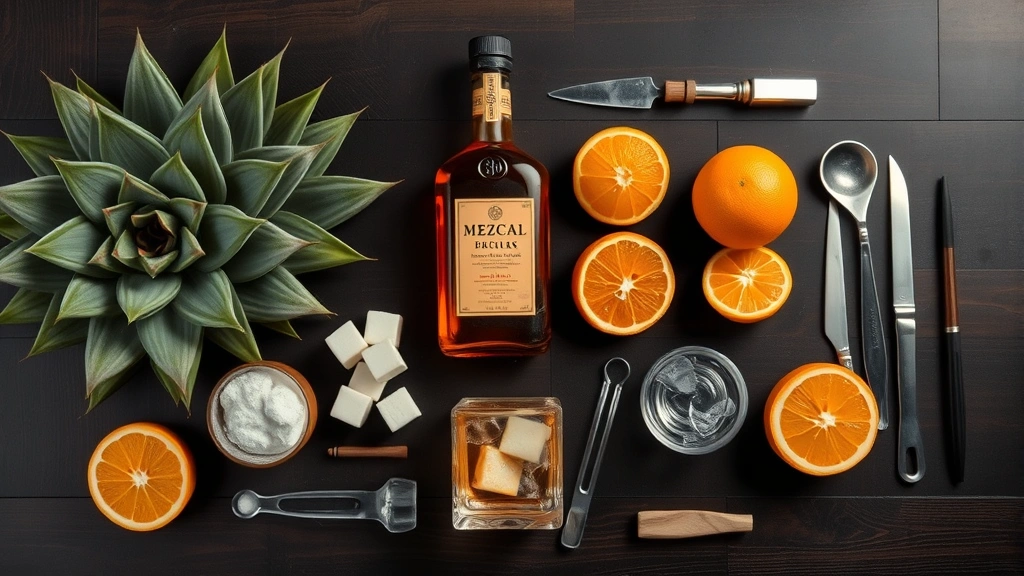
Creating an exceptional mezcal old fashioned requires understanding each ingredient’s role in the final composition. The foundation begins with quality mezcal—typically 2 ounces of your chosen spirit. This forms the backbone of your drink, so investing in a reputable brand ensures superior results. Look for mezcal that’s been properly produced and bottled, as authenticity matters significantly in this spirit-forward cocktail.
Bitters are the unsung heroes of any old fashioned variation. Traditional Angostura bitters work wonderfully, providing warmth and complexity that complements mezcal’s smokiness. However, many contemporary bartenders experiment with specialty bitters such as mole bitters or chocolate bitters to create unique flavor dimensions. A standard pour involves two to four dashes of bitters, depending on your preference and the specific bitters you’ve selected.
Sugar serves as the sweetening agent and helps balance mezcal’s natural agave characteristics. While some bartenders use simple syrup, the classic method employs a sugar cube or roughly one teaspoon of sugar. This traditional approach allows for proper dissolution and integration with the spirit’s flavors. The sugar cube method also provides a ritualistic element that enhances the drinking experience, reminiscent of the cocktail’s historical roots.
Water—specifically ice water—plays a more important role than many realize. Whether you use a splash of plain water or allow it to develop naturally through the dilution of melting ice, water opens up the mezcal’s flavor profile, making subtle notes more perceptible. This is why proper dilution and chilling are non-negotiable steps in the mixing process.
The citrus element deserves particular attention when crafting mezcal variations. While the classic old fashioned traditionally omits citrus, many modern interpretations incorporate a twist of orange or lemon peel. The oils from these peels add brightness and aroma, creating a more complex sensory experience. Some bartenders add a small splash of fresh lime juice for additional depth, though this should be done judiciously to maintain the drink’s spirit-forward nature.
Step-by-Step Mixing Guide
Mastering the mezcal old fashioned requires attention to detail and proper technique. Begin by selecting an appropriate glass—a rocks glass or lowball glass is traditional, holding approximately 6-8 ounces. Pre-chill your glass by filling it with ice while you prepare the other components; this ensures your finished drink remains properly chilled.
Step One: Prepare the Base
In your mixing glass, combine one sugar cube (or one teaspoon of simple syrup) with two to four dashes of Angostura bitters. Add a small splash of water—approximately 1/4 ounce. Using a bar spoon, gently muddle the sugar cube until it’s mostly dissolved. The goal is to create a light paste that combines all three elements without being overly aggressive. This gentle approach maintains the integrity of the bitters’ complex flavors.
Step Two: Add the Spirit
Once your sugar-bitters mixture is properly prepared, add 2 ounces of quality mezcal directly to the mixing glass. Stir gently to combine all elements, ensuring the sugar is fully dissolved and the mixture is homogeneous. This stirring process should take approximately 20-30 seconds, allowing proper integration without excessive dilution.
Step Three: Chill and Dilute
Add a generous amount of ice cubes to your mixing glass—large ice cubes are preferable as they melt more slowly than smaller pieces, reducing unwanted dilution. Continue stirring for another 10-15 seconds. This stage is crucial as it chills the mixture while allowing just enough melting to create proper dilution. The goal is to achieve a temperature of approximately 28-32°F without over-diluting the spirit.
Step Four: Strain and Serve
Empty the ice from your pre-chilled rocks glass and strain the mixture into it using a julep strainer or Hawthorne strainer. The liquid should flow smoothly without ice fragments entering the glass. Add one large ice cube or several medium ice cubes to your serving glass—this slows subsequent melting and maintains proper temperature throughout the drinking experience.
Step Five: Garnish with Intention
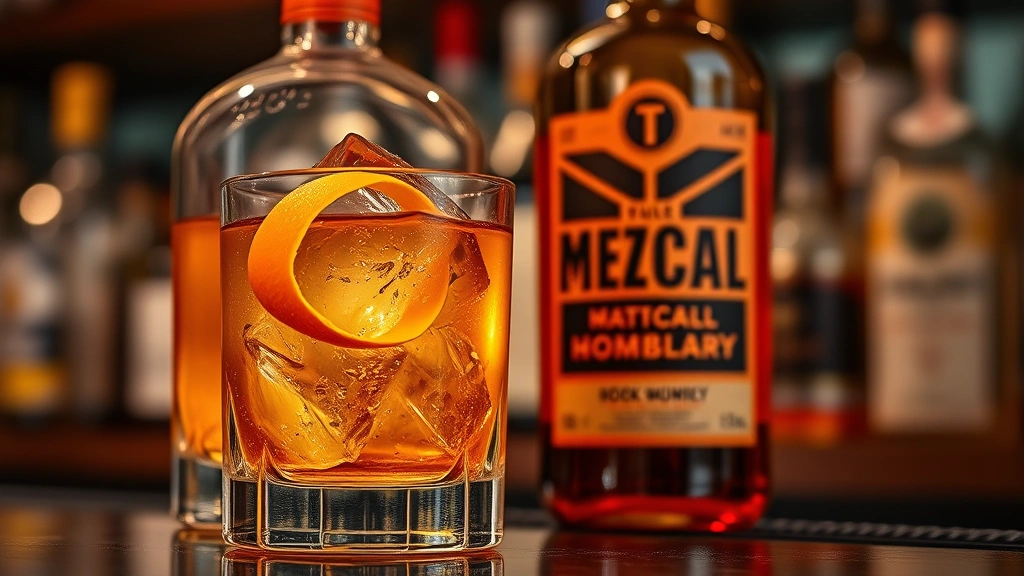
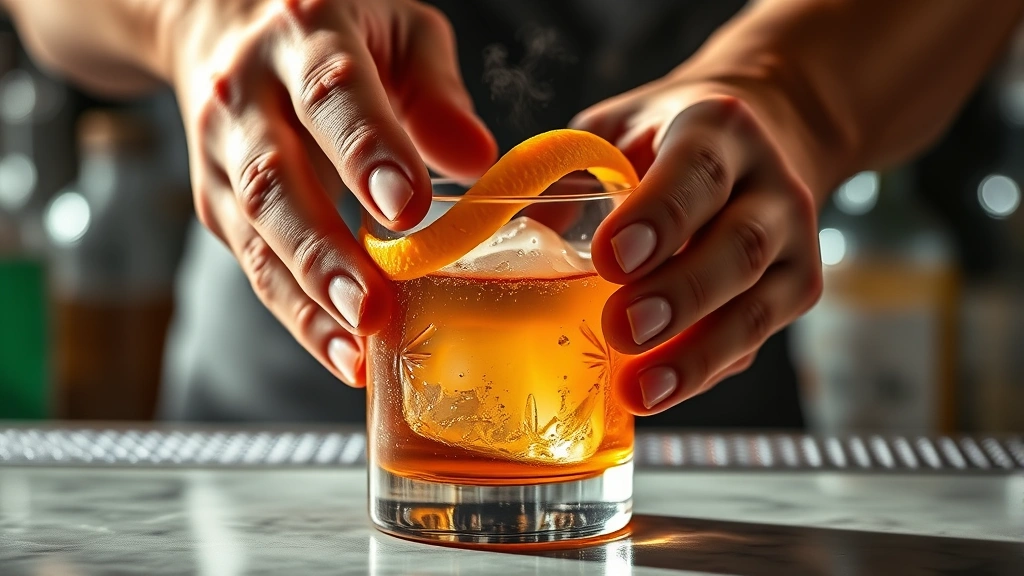
The final step involves creating your garnish. Using a well-curated approach to detail, express the oils from an orange peel over the drink’s surface by twisting it over the glass. Drop the peel into the drink as a visual and aromatic component. Some bartenders add a single cherry or a small piece of smoked wood for additional complexity and presentation appeal.
Why Technique Matters
The difference between a mediocre mezcal old fashioned and an exceptional one often comes down to technique. Temperature control is paramount—your drink must be properly chilled without becoming overly diluted. This delicate balance requires understanding how ice interacts with spirits and how long you should stir before straining.
Stirring versus shaking is another critical consideration. The old fashioned is traditionally stirred, not shaken. This method prevents excessive aeration and maintains the drink’s elegant, spirit-forward character. Shaking would introduce unwanted bubbles and potentially cloud the drink’s appearance. The smooth, deliberate motion of stirring integrates all components while maintaining the cocktail’s refined presentation.
The quality of your ice cannot be overstated. Large, clear ice cubes melt slowly and look visually stunning. If your bar lacks an ice maker producing large cubes, consider investing in one—this single upgrade significantly improves the final product’s quality. The slower melting rate of premium ice means your drink stays colder longer without becoming watered down during the drinking experience.
Creative Variations and Twists
While the classic mezcal old fashioned is magnificent in its simplicity, creative bartenders have developed numerous variations that expand the drink’s possibilities. Understanding these variations allows you to customize the cocktail to specific preferences or seasonal ingredients.
The Smoky Refined Version
For those seeking intensified smokiness, consider incorporating a small amount of mezcal that’s been specifically produced with additional smoke exposure. Pair this with chocolate or mole bitters to create a deeply complex flavor profile. This variation pairs beautifully with rich foods and provides a warming sensation perfect for cooler months.
The Citrus-Forward Interpretation
Adding fresh lime juice—approximately 1/2 ounce—creates a brighter, more approachable version. This variation maintains mezcal’s distinctive character while introducing refreshing citrus notes that appeal to broader audiences. The lime juice should be freshly squeezed and added during the stirring stage to ensure proper integration.
The Herbaceous Expression
Incorporating a small amount of herbal liqueur such as Chartreuse or Benedictine creates a sophisticated variation with botanical complexity. Use approximately 1/4 ounce of liqueur, adjusting sweetness levels accordingly. This version appeals to those who appreciate discovering their unique flavor preferences through experimentation.
The Spiced Dimension
Adding a dash or two of specialty bitters infused with spices—such as cinnamon, clove, or jalapeño—introduces warmth and complexity. These bitters work particularly well during autumn and winter seasons, creating seasonal cocktails that feel appropriate to the time of year.
Each variation maintains the old fashioned’s fundamental structure while introducing new flavor dimensions. The key is ensuring that any additions complement rather than overshadow mezcal’s distinctive character. Like understanding fashion’s evolution through history, appreciating cocktail variations requires understanding their foundational elements.
Serving and Presentation Secrets
The mezcal old fashioned is as much about visual presentation as it is about flavor. Professional bartenders understand that presentation influences the drinking experience before the first sip even occurs. Your glassware choice matters significantly—a substantial rocks glass communicates sophistication and substance. The weight of the glass in the hand, the quality of its construction, and its visual clarity all contribute to the overall experience.
Temperature management during service deserves attention. Serve your finished drink immediately after straining to maintain optimal chilliness. Some bartenders pre-chill their glassware in the freezer for several minutes before service, ensuring that the drink remains at ideal temperature longer. This extra step demonstrates commitment to quality and elevates the customer experience.
Garnish presentation should be intentional and elegant. The orange peel twist should be expressed dramatically, allowing the aromatic oils to cascade visibly over the drink’s surface. This theatrical element engages multiple senses—sight and smell—before the drinker even tastes the cocktail. Some bartenders flame the orange peel over the drink’s surface, introducing subtle caramelization that adds another flavor dimension.
Consider your serving environment when presenting the mezcal old fashioned. This cocktail pairs beautifully with sophisticated ambiance—dim lighting, quality furniture, and attentive service enhance the drinking experience. The drink’s character suggests a moment of reflection and appreciation, not rushed consumption. Encourage your guests to take time with their cocktail, noticing the flavors’ evolution as the ice melts and dilution progresses.
Food and Fashion Pairing Suggestions
The mezcal old fashioned’s complex flavor profile makes it remarkably versatile for food pairing. The smokiness and subtle sweetness complement rich proteins beautifully—think grilled steak, smoked brisket, or roasted duck. The drink’s slight bitterness from the bitters also pairs wonderfully with chocolate-based desserts, creating an elegant after-dinner experience.
Consider pairing the mezcal old fashioned with appetizers featuring Mexican or Latin American ingredients. Charred corn, smoked peppers, and rich mole sauces all resonate with the drink’s flavor profile. Cheese courses featuring aged, smoky varieties create a particularly harmonious combination that sophisticated palates will appreciate.
From a lifestyle perspective, the mezcal old fashioned communicates a particular aesthetic and sensibility. Those who appreciate this cocktail often share an appreciation for refined style choices and timeless trends that transcend fleeting fashions. The drink appeals to individuals who value quality over quantity, craftsmanship over mass production, and tradition informed by innovation.
When considering how the mezcal old fashioned fits into your entertaining style, think about the atmosphere you’re creating. This cocktail suggests understated elegance—perhaps styled with sophisticated accessories and refined presentation. Serve it during intimate gatherings rather than large parties, in quality glassware rather than plastic cups, and with intentional food pairings rather than random snacks.
The mezcal old fashioned also represents a cultural appreciation for Mexican craftsmanship and tradition. Serving this drink demonstrates knowledge of spirits, respect for traditional production methods, and commitment to quality. It’s a statement about your values and aesthetic preferences, much like any deliberate style choice. Those who appreciate mezcal cocktails often extend this appreciation to understanding craftsmanship across different disciplines, including fashion and design.
FAQ
What’s the difference between mezcal and tequila in cocktails?
While both spirits come from agave plants, mezcal offers distinctly different characteristics. Mezcal’s traditional roasting process creates smokiness, while tequila is typically made from blue agave with a cleaner, crisper profile. In the old fashioned, mezcal’s complexity and smoke create a more sophisticated, layered drinking experience than tequila would provide.
Can I make a mezcal old fashioned without sugar?
Technically yes, though it’s not recommended. Sugar serves an important function beyond sweetness—it helps dissolve the bitters and creates proper integration of all components. Without it, the drink becomes one-dimensional and loses the balance that makes the old fashioned special.
Should I use simple syrup or a sugar cube?
Both work, though the sugar cube method is more traditional and provides a ritualistic element. Sugar cubes require proper muddling, which many bartenders find more engaging than simply adding liquid syrup. If using simple syrup, reduce the water component accordingly to prevent over-dilution.
What type of bitters work best with mezcal?
Angostura bitters are the classic choice and work beautifully with mezcal’s smokiness. However, chocolate, mole, or specialty spiced bitters can create interesting variations. Experiment to discover which bitters complement your preferred mezcal brand.
How much ice should I use?
Use large, quality ice cubes—preferably one large cube or several medium pieces. Large ice melts slowly, maintaining proper chilling temperature without excessive dilution. Avoid small ice chips, which melt quickly and water down your drink.
Can I batch mezcal old fashioneds for parties?
While possible, it’s not ideal. The old fashioned is best served freshly made to order, ensuring proper temperature and optimal flavor. If batching is necessary, prepare the sugar-bitters-water mixture in advance, then add mezcal and ice individually when serving.
What’s the ideal serving temperature?
Your mezcal old fashioned should be served at approximately 28-32°F, achieved through proper stirring with ice. The drink should feel cold in your hand but not painfully so. If it’s too warm, you haven’t stirred long enough; if it’s watered down, you’ve stirred too long or used inadequate ice.