Fruitful Fashion Trends: Designer Insights on Nature-Inspired Style
The fashion industry has undergone a remarkable transformation in recent years, with designers increasingly drawing inspiration from nature’s most vibrant palette. Fruitful fashion trends represent a refreshing departure from conventional color theory and design principles, merging botanical aesthetics with contemporary style sensibilities. This movement goes beyond simple fruit-themed prints; it encompasses a holistic approach to color psychology, sustainable fabric choices, and the celebration of natural abundance in haute couture and ready-to-wear collections alike.
Leading fashion designers and industry experts have begun recognizing the profound impact that nature-inspired palettes can have on consumer behavior, brand identity, and personal style expression. From the luscious reds of pomegranates to the soft peachy tones of apricots, from the deep purples of blackberries to the zesty yellows of lemons, these hues are revolutionizing how we think about seasonal fashion and color coordination. The fruitful fashion movement isn’t merely aesthetic—it carries deeper implications for sustainability, inclusivity, and the future of fashion design.
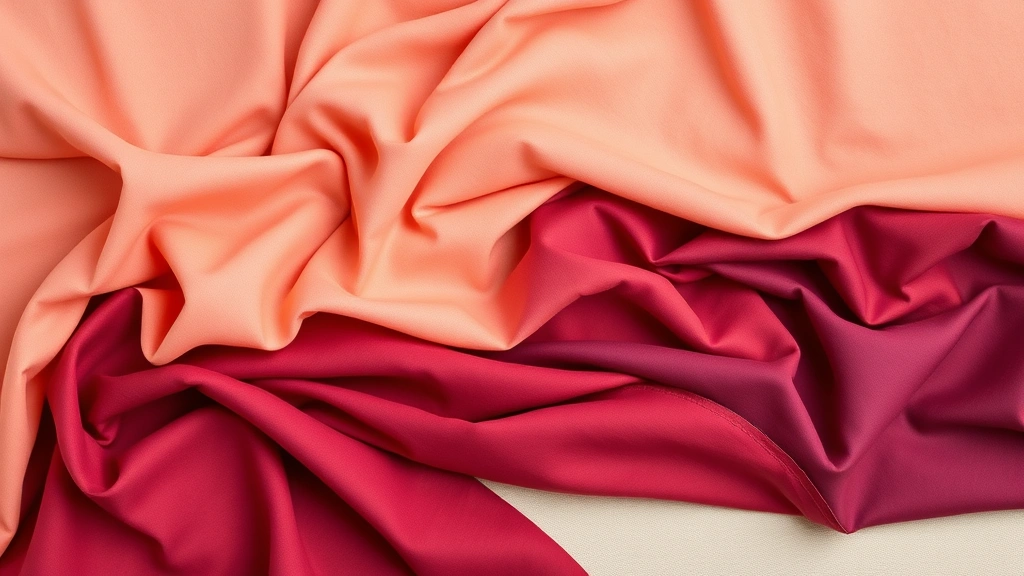
Understanding Fruitful Fashion as a Design Philosophy
Fruitful fashion represents a paradigm shift in how designers conceptualize beauty and elegance. Rather than adhering strictly to traditional fashion rules, contemporary designers are embracing the organic irregularity and natural vibrancy that fruits embody. This philosophy challenges the notion that fashion must be austere or artificially constructed. Instead, it celebrates abundance, warmth, and the inherent beauty found in nature’s own creations.
The term “fruitful” in fashion context extends beyond visual representation. It encapsulates the idea of abundance, prosperity, and the fruitful results of creative exploration. When designers tap into fruit-inspired aesthetics, they’re not simply applying a trend; they’re engaging in a deeper conversation about authenticity, sustainability, and the reconnection between human creativity and natural design. This approach resonates particularly well with younger consumers who value both style and substance in their fashion choices.
Understanding this design philosophy requires recognizing that finding your personal style often involves exploring these nature-inspired movements. Designers like Stella McCartney have long championed the integration of natural inspiration with ethical production, and the fruitful fashion trend builds upon this foundation. The movement encourages individuals to think beyond conventional color matching and to embrace the chromatic possibilities that nature provides.
Fashion historians and contemporary critics note that this isn’t the first time nature has influenced design, but the current iteration is distinctly different. Previous botanical influences often felt decorative or whimsical, whereas fruitful fashion integrates these elements with sophistication and modernity. The movement bridges the gap between avant-garde experimentation and wearable elegance, making high-fashion concepts accessible to everyday consumers.

Color Psychology and Fruit-Inspired Palettes
The psychological impact of color cannot be overstated in fashion design, and fruitful fashion trends leverage this understanding brilliantly. Each fruit carries its own color signature and psychological associations. Warm berry tones evoke feelings of luxury and sophistication, while citrus hues communicate energy and optimism. Understanding these associations allows both designers and consumers to make intentional choices about the moods and messages they wish to convey through their clothing.
Red fruits like strawberries and raspberries have long been associated with passion and confidence. In fruitful fashion, these tones appear in sophisticated fabrics—silk charmeuse, wool blends, and premium cotton—elevating them beyond their typical casual associations. Orange-toned fruits like apricots and peaches bring warmth and approachability to professional settings, making them ideal for workwear and business casual collections. These colors communicate competence without sacrificing femininity or personal expression.
Purple and deep plum tones derived from blackberries and grapes carry connotations of creativity and luxury. Fashion-forward individuals gravitating toward these hues often seek to differentiate themselves while maintaining an air of sophistication. Yellow and golden tones from mangoes and citrus fruits represent joy and intellectual energy, making them perfect for spring collections and special occasion wear. The psychology behind these color choices explains why fruitful fashion resonates so powerfully across diverse demographics.
Designers working with color consultants and trend forecasters have discovered that fruit-inspired palettes create natural harmony when combined. Unlike arbitrary color combinations, these nature-derived hues naturally complement one another, making them ideal for creating cohesive collections and versatile wardrobe pieces. This inherent compatibility reduces the risk of color clashing and empowers consumers to experiment with their personal style more confidently.
Leading fashion institutes and color theory experts emphasize that understanding fashion history and color evolution provides context for contemporary trends. The fruitful fashion movement represents a conscious return to nature-based color systems that predate synthetic dye production, creating a full-circle moment in fashion history.
Designer Collections Leading the Movement
Several prominent designers have emerged as pioneers in the fruitful fashion movement, each bringing their unique perspective and design language to this trend. Italian luxury houses have particularly embraced fruit-inspired palettes, recognizing the cultural and historical significance of Mediterranean fruits in Italian aesthetics. Collections featuring berry tones, citrus hues, and tropical fruit colors have graced runways from Milan to Paris, establishing these palettes as legitimate luxury aesthetic choices.
High-end brands are incorporating fruitful elements through sophisticated techniques: ombré effects that mimic the gradient of a ripe peach, jacquard patterns reminiscent of fruit tree blossoms, and fabric treatments that capture the subtle variations in fruit skin tones. These technical applications elevate fruit-inspired design beyond simple color application, demonstrating that this trend carries legitimate artistic merit and production innovation.
Emerging designers and sustainable fashion brands have particularly embraced fruitful fashion as an opportunity to differentiate their offerings while maintaining environmental responsibility. By choosing natural dyes derived from actual fruit byproducts—pomegranate skin, avocado pits, and berry extracts—these designers create authentic connections between their design philosophy and production practices. This alignment between aesthetics and ethics has become increasingly important to conscious consumers.
The influence of fashion design education in promoting fruitful fashion cannot be overlooked. Leading design schools worldwide now incorporate nature-based color theory and sustainable dyeing techniques into their curricula, ensuring that the next generation of designers views fruit-inspired fashion not as a fleeting trend but as a legitimate and important design discipline.
International fashion weeks have featured increasing numbers of fruitful fashion collections, with critics and fashion editors recognizing the movement’s significance. Publications like Vogue have featured extensive coverage of fruit-inspired trends, and Vogue’s trend forecasting regularly highlights the staying power of nature-inspired palettes in contemporary fashion.
Sustainable Practices in Fruitful Fashion
One of the most compelling aspects of fruitful fashion is its inherent connection to sustainability. The movement naturally encourages designers to explore natural dyeing methods, utilizing agricultural byproducts that would otherwise go to waste. Pomegranate skins, avocado pits, walnut husks, and various berry extracts provide rich, complex colors that rival synthetic alternatives while eliminating harmful chemical processes.
Sustainable fashion brands have recognized that fruitful fashion offers a tangible way to communicate their environmental commitment to consumers. By choosing garments in natural fruit-inspired tones created through eco-friendly processes, consumers actively participate in reducing the fashion industry’s environmental footprint. This creates a virtuous cycle where aesthetic preference aligns with ethical consumption.
The cultivation of natural dye crops represents another dimension of sustainability within fruitful fashion. Progressive brands are partnering with agricultural communities to cultivate fruit trees and dye plants, creating economic opportunities while supporting environmental regeneration. These partnerships often extend beyond simple supply chain relationships, fostering genuine community development and knowledge exchange.
Water conservation emerges as another significant benefit of natural dyeing methods associated with fruitful fashion. Traditional synthetic dyeing processes consume enormous quantities of water and often result in contaminated wastewater. Natural dyeing techniques require substantially less water and produce biodegradable effluent, making them significantly more environmentally responsible. Fashion industry leaders increasingly recognize that fruitful fashion represents not merely an aesthetic choice but an environmental imperative.
Organizations like the Ellen MacArthur Foundation have highlighted the circular economy potential of fruitful fashion, where agricultural waste becomes valuable raw material for textile production. This represents the kind of systemic thinking necessary to transform the fashion industry into a genuinely sustainable enterprise.
How to Incorporate Fruit Tones into Your Wardrobe
Building a wardrobe around fruitful fashion principles begins with understanding your personal undertones and which fruit-inspired palettes complement your natural coloring. Those with warm undertones gravitate naturally toward peachy, golden, and warm berry tones, while cool undertones harmonize beautifully with plum, cherry, and cool-toned berry hues. Understanding these distinctions ensures that your fruit-inspired pieces genuinely enhance your appearance rather than clashing with your natural palette.
Start by introducing fruit tones through accessible basics: a strawberry-red sweater, a peachy silk blouse, or a plum-colored pair of trousers. These foundational pieces allow you to experiment with fruitful fashion without overwhelming your existing wardrobe. Layer these items with neutrals to create balance, or combine complementary fruit tones for a bolder statement. This gradual integration helps you develop confidence in wearing these nature-inspired hues.
Accessorizing with fruitful fashion elements offers another entry point for those hesitant about committing to larger pieces. A berry-toned handbag, citrus-hued scarf, or plum-colored shoes can instantly elevate neutral outfits while allowing you to explore different fruit palettes seasonally. This flexibility makes fruitful fashion accessible to those with more conservative style preferences or professional dress codes.
For those ready to embrace fruitful fashion more boldly, consider investing in statement pieces: a pomegranate-red dress, a mango-inspired jacket, or a peach-toned coat. These pieces become wardrobe anchors that can be styled multiple ways across different seasons. When selecting statement pieces, prioritize quality construction and timeless silhouettes to ensure longevity and versatility.
Learning how to style pieces with intention becomes particularly important when working with fruitful fashion palettes. The key is creating visual harmony through thoughtful layering, proportion, and accessory selection. Experiment with unexpected combinations—pairing berry tones with citrus accents, or combining peachy and plum elements through strategic layering.
Seasonal rotation becomes natural with fruitful fashion. Lighter citrus and peachy tones work beautifully in spring and summer, while deeper berry and plum hues transition seamlessly into fall and winter wardrobes. This seasonal alignment with nature’s own cycles creates a harmonious relationship between your clothing choices and the natural world.
The Role of Seasonal Trends
Fruitful fashion inherently embraces seasonality, recognizing that different fruits reach peak ripeness at different times of year. This natural seasonal rhythm provides a framework for fashion collections and personal wardrobe rotation that feels intuitive and authentic. Spring collections celebrate the pale, delicate tones of early fruits—strawberries, apricots, and early citrus—while summer embraces bolder, more vibrant berry and tropical fruit colors.
Autumn naturally gravitates toward deeper, warmer fruit tones: burgundy reminiscent of ripe grapes, rust-orange like persimmons, and rich plum hues. Winter collections transition toward deep berry tones, pomegranate reds, and the sophisticated browns and golds derived from dried fruits. This seasonal progression creates a natural narrative within fruitful fashion that resonates with consumers’ intuitive understanding of nature’s cycles.
Fashion forecasters recognize that seasonal trend cycles increasingly align with fruitful fashion principles. Major fashion weeks showcase seasonal collections that naturally incorporate these fruit-inspired palettes, with designers responding to the availability and cultural significance of different fruits throughout the year. This alignment between fashion calendar and natural seasons represents a meaningful shift toward more sustainable, cyclical thinking in the industry.
Retailers have begun organizing their seasonal offerings around fruitful fashion concepts, making it easier for consumers to navigate color choices and trend adoption. By organizing palettes around fruit categories—berries, citrus, tropical, stone fruits—retailers create intuitive shopping experiences that feel natural and accessible rather than confusing or trend-driven.
The StyleLoom Daily Blog regularly covers seasonal fashion transitions and how fruitful fashion principles can guide wardrobe updates throughout the year. Understanding these seasonal patterns helps consumers make intentional purchases that work harmoniously within their existing wardrobes.
Celebrity Endorsements and Influencer Impact
Celebrity adoption of fruitful fashion has significantly accelerated the trend’s mainstream acceptance. A-list celebrities appearing on red carpets in pomegranate-red gowns or peachy-toned ensembles have legitimized these colors as sophisticated choices for high-profile events. These endorsements carry particular weight in fashion, as they signal to consumers that fruit-inspired tones represent luxury and style rather than casual or whimsical choices.
Social media influencers have played an equally crucial role in democratizing fruitful fashion, making it accessible to everyday consumers. Fashion influencers styling berry-toned outfits for work, weekend activities, and special occasions demonstrate the versatility and wearability of these palettes. The authenticity of influencer content—showing real people wearing these colors in realistic situations—builds consumer confidence in adopting fruitful fashion.
The visual nature of platforms like Instagram and TikTok perfectly suits fruitful fashion promotion. The vibrant, photogenic quality of fruit-inspired colors makes them ideal for social media content, naturally encouraging sharing and engagement. Hashtags related to fruitful fashion have accumulated millions of posts, creating communities of fashion enthusiasts united by their appreciation for nature-inspired aesthetics.
Luxury brands increasingly collaborate with influencers to promote fruitful fashion collections, recognizing that authentic endorsement from trusted style figures drives consumer interest more effectively than traditional advertising. These collaborations often highlight the sustainability and ethical production aspects of fruitful fashion, appealing to influencers and their audiences’ values around conscious consumption.
Fashion journalists and style experts contribute significantly to fruitful fashion visibility through editorial coverage and trend analysis. Publications like Harper’s Bazaar regularly feature articles analyzing fruit-inspired trend movements, providing expert context that legitimizes the trend within fashion discourse.
FAQ
What exactly is fruitful fashion?
Fruitful fashion represents a design movement centered on incorporating fruit-inspired color palettes and natural aesthetics into clothing and accessories. It goes beyond simple fruit-themed prints to encompass a philosophy of nature-inspired design, sustainable production methods, and the celebration of natural color theory in contemporary fashion.
How can I determine which fruit tones work best for my skin tone?
Begin by identifying your undertones—warm, cool, or neutral. Those with warm undertones typically look best in warm fruit colors like peachy, golden berry, and warm reds. Cool undertones harmonize beautifully with plum, cherry, cool berry tones, and cool-toned reds. Neutral undertones have flexibility with most fruit-inspired palettes. Experimenting with different shades in natural lighting helps clarify your best matches.
Is fruitful fashion sustainable?
Fruitful fashion has strong sustainability potential, particularly when designers utilize natural dyeing methods derived from fruit byproducts. However, sustainability depends on production practices. Seek brands that transparently communicate their dyeing methods, material sourcing, and manufacturing processes to ensure your fruitful fashion choices align with environmental values.
Can fruitful fashion work in professional settings?
Absolutely. Fruit-inspired tones in sophisticated fabrics and classic silhouettes create polished, professional looks. Berry tones, peachy hues, and warm plums work beautifully in business casual and professional environments. The key is selecting tailored pieces in quality materials rather than casual or trendy interpretations of fruitful fashion.
How do I start incorporating fruitful fashion without overwhelming my current wardrobe?
Begin with accessories—scarves, bags, shoes—in fruit-inspired colors. Gradually introduce basics like sweaters, blouses, or trousers in these palettes. This allows you to experiment and build confidence before investing in larger statement pieces. Pair fruit-toned items with existing neutrals to create cohesive outfits.
Are fruitful fashion trends expected to last?
Fashion experts predict that fruitful fashion will remain relevant due to its alignment with sustainability concerns, nature appreciation, and the genuine wearability of fruit-inspired palettes. Rather than a fleeting trend, this movement appears positioned to become an enduring design principle within contemporary fashion.
Where can I find quality fruitful fashion pieces?
Both luxury designers and sustainable fashion brands offer fruitful fashion collections. Explore established luxury houses, emerging sustainable brands, and ethical fashion retailers. Look for transparency about dyeing methods and material sourcing to ensure your purchases align with fruitful fashion’s sustainability principles.