Paris Fashion Weekend: Insider’s Guide to the City’s Most Coveted Style Events
Paris doesn’t just host fashion weekends—it orchestrates them as symphonies of style, elegance, and creative rebellion. Every season, the City of Light transforms into a global epicenter where designers unveil their visions, influencers curate their most impeccable looks, and fashion enthusiasts from every corner of the world converge to witness the future of style. Whether you’re a seasoned fashion insider or an aspiring style connoisseur, navigating a fashion weekend in Paris requires insider knowledge, strategic planning, and an understanding of the city’s most exclusive venues and events.
This comprehensive guide unveils everything you need to know about experiencing Paris Fashion Week like a true insider. From securing coveted show invitations to discovering hidden boutiques in Le Marais, from mastering Parisian street style to understanding the calendar of events, we’ve compiled the definitive resource for your Paris fashion adventure. Whether you’re attending haute couture shows, contemporary ready-to-wear presentations, or immersive brand experiences, Paris Fashion Week represents the pinnacle of global style culture—and we’re here to help you make the most of every glamorous moment.
Understanding Paris Fashion Week
Paris Fashion Week stands as the world’s most prestigious fashion event, established as the gold standard for style innovation and creative excellence. Recognized by the Vogue community and fashion institutions globally, Paris Fashion Week comprises multiple concurrent events that showcase haute couture, ready-to-wear collections, and emerging designer talents. The event attracts over 100,000 attendees annually, including fashion editors, buyers, celebrities, influencers, and style enthusiasts who collectively shape global fashion trends.
The Paris Fashion Week ecosystem includes official presentations sanctioned by the Fédération de la Haute Couture et de la Mode, as well as independent showcases, pop-up exhibitions, and brand-hosted experiences throughout the city. Understanding the distinction between these categories helps you navigate the landscape more effectively. Official shows carry prestige and media attention, while independent events often showcase emerging talent and offer unique networking opportunities. The beauty of Paris Fashion Week lies in its multi-layered nature—there’s something for everyone, from haute couture aficionados to contemporary fashion enthusiasts.
When you explore StyleLoom Daily Blog resources, you’ll discover that Paris Fashion Week represents more than runway presentations. It’s a cultural phenomenon that influences retail landscapes, inspires street style movements, and establishes the creative direction for the entire fashion industry. The week generates billions in fashion commerce and establishes trends that will dominate wardrobes for seasons to come.
Fashion Calendar & Timeline
Paris hosts fashion weeks twice annually, following the international fashion calendar. Understanding these timing windows is crucial for planning your attendance and securing invitations well in advance.
- Haute Couture Week (January & July): The pinnacle of luxury fashion, featuring hand-crafted, bespoke collections from prestigious maisons. January shows present Spring/Summer collections, while July showcases Fall/Winter creations. These presentations typically occur at iconic venues like the Grand Palais and attract the world’s most elite fashion audience.
- Menswear Week (June & January): Dedicated to men’s fashion, featuring innovative tailoring, contemporary sportswear, and emerging menswear designers. This week has grown significantly in prestige and attracts substantial media coverage and celebrity attendance.
- Ready-to-Wear Week (February & September): The most accessible fashion week tier, featuring contemporary collections designed for broader audiences. These shows attract diverse attendees and generate significant retail impact. February presents Spring/Summer collections, while September showcases Fall/Winter designs.
The typical fashion week spans 10-14 days, with shows scheduled from morning presentations through evening galas. The schedule intensifies throughout the week, with major designer shows concentrated toward the middle and end of the week. Smaller and emerging designers often present earlier, while established luxury houses save their presentations for peak attention periods. Strategic timing of your Paris visit can significantly enhance your experience—arriving early allows you to explore the city and prepare, while staying through the final days ensures you capture the most talked-about collections.
Securing Show Invitations
The most challenging aspect of attending Paris Fashion Week is securing invitations to official shows. Fashion shows operate on an invitation-only basis, with limited seating reserved for industry professionals, press, celebrities, and fashion influencers. However, multiple pathways exist for gaining access.
Professional Routes: If you work in fashion retail, journalism, styling, or related industries, you can request credentials through official channels. Contact the Fédération de la Haute Couture et de la Mode website to apply for press credentials or buyer status. Provide documentation of your professional affiliation, portfolio, and publication reach. The approval process typically requires 4-6 weeks, so plan accordingly.
Influencer & Content Creator Access: Designers increasingly invite content creators with substantial social media followings. Develop a compelling media kit showcasing your audience demographics, engagement rates, and previous fashion coverage. Reach out directly to designer PR teams with personalized pitches explaining why their collection aligns with your audience. Authentic engagement and quality content history significantly improve approval chances.
Luxury Brand Connections: Establish relationships with luxury retailers and brands. Many provide VIP invitations to loyal customers and brand ambassadors. Attend exclusive brand events, participate in loyalty programs, and build genuine connections with brand representatives. These relationships often translate to fashion week invitations.
Alternative Access: When official show invitations prove elusive, explore alternative experiences. Many brands host open presentations, pop-up exhibitions, and brand experiences accessible to the general public. These events provide authentic fashion immersion without formal credentials. Additionally, numerous restaurants, hotels, and venues host fashion week-adjacent events open to registered attendees.
Consider investing in a fashion week pass through authorized vendors. Some organizations offer general admission passes providing access to certain venues, exhibitions, and public events throughout the week. While not granting access to all official shows, these passes facilitate substantial fashion week participation.
Iconic Venues & Locations
Paris Fashion Week presentations occur throughout the city at venues ranging from historic landmarks to contemporary galleries. Familiarizing yourself with key locations enhances navigation and appreciation of the experience.
Grand Palais: The most prestigious venue, this stunning Belle Époque structure hosts the most significant haute couture and menswear shows. The dramatic glass roof and expansive hall create an unforgettable backdrop for major designer presentations. Attending a show here represents a quintessential Paris Fashion Week experience.
Carrousel du Louvre: Located beneath the Louvre Museum, this underground venue hosts ready-to-wear shows and emerging designer presentations. The sleek, contemporary space contrasts beautifully with its historic location, creating a unique atmosphere that bridges fashion’s past and future.
Palais Omnisports de Paris-Bercy: This modern sports complex transforms into a fashion venue during fashion week, hosting large-scale shows and presentations. Its flexible spaces accommodate diverse show formats, from intimate presentations to elaborate productions.
Espace Éphémère: Located in the Marais district, this multi-purpose space hosts independent designers and emerging talent showcases. The neighborhood’s bohemian energy infuses these presentations with creative authenticity.
Musée de l’Art Moderne: This contemporary art museum occasionally hosts fashion presentations, merging artistic expression with fashion design. Shows here often feature conceptual collections that prioritize artistic vision over commercial appeal.
Parisian Style Essentials: What to Wear
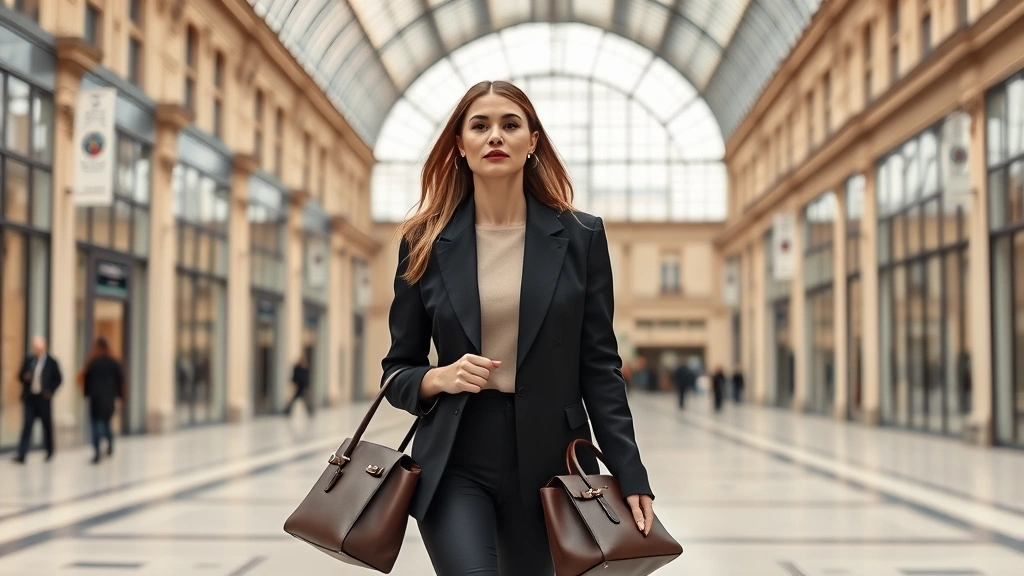
Attending Paris Fashion Week demands careful wardrobe curation. Parisian style emphasizes understated elegance, quality fabrics, and timeless sophistication. Your fashion weekend outfit choices communicate respect for the occasion and understanding of fashion culture.
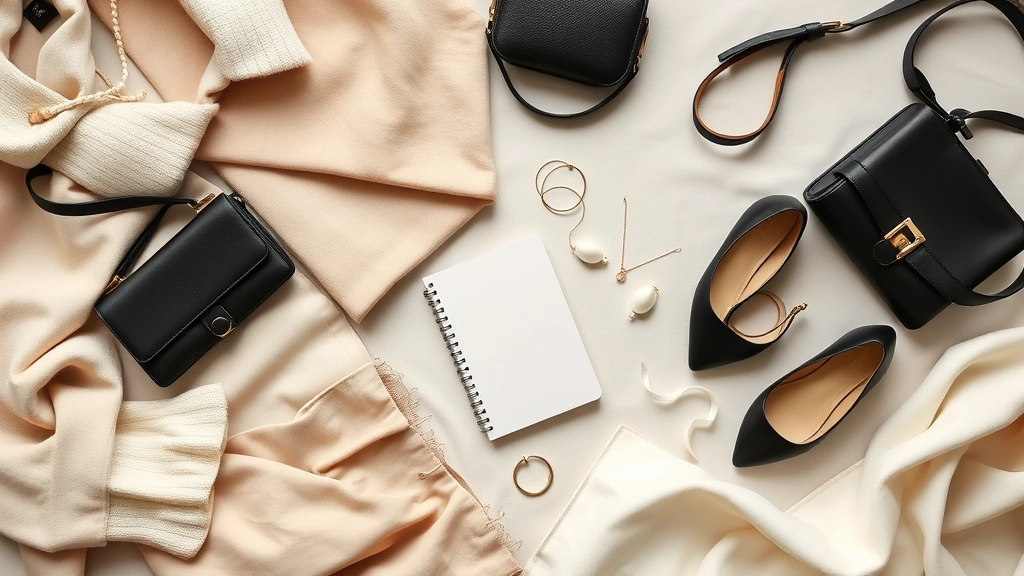
Foundational Pieces: Begin with neutral-toned separates in high-quality fabrics. A perfectly tailored blazer in black, navy, or camel serves as your foundation piece. Pair it with well-fitted trousers, a streamlined dress, or a sophisticated skirt. Consider how these pieces coordinate across multiple outfits, allowing outfit variety with minimal luggage.
When selecting accessories, learning how to style a little black dress teaches valuable principles applicable to all fashion weekend outfits. Quality over quantity defines Parisian style—one exceptional handbag surpasses multiple mediocre options. Invest in a structured leather bag in a neutral tone, suitable for carrying essentials while maintaining polished appearance.
Footwear Strategy: Comfortable, elegant shoes are non-negotiable. You’ll navigate cobblestone streets, crowded venues, and extensive walking. Ballet flats, pointed-toe loafers, or minimal sneakers in neutral tones work beautifully. Save statement heels for evening events where you’ll primarily be seated.
Understand that finding your personal style within Parisian fashion parameters creates authenticity. Rather than copying looks exactly, adapt Parisian principles—simplicity, quality, restraint—to reflect your individual aesthetic. This approach demonstrates fashion literacy and respect for the occasion.
Layering Essentials: Paris weather in fashion week seasons varies considerably. Pack lightweight cardigans, structured jackets, and a quality coat. Layering allows temperature adaptation while maintaining polished appearance. Choose pieces in neutral tones that coordinate with your foundation wardrobe.
Jewelry & Accessories: Minimal jewelry worn with intention defines Parisian style. A delicate necklace, understated earrings, and perhaps a quality watch communicate elegance more effectively than abundant accessories. Consider pieces in gold or silver that complement your overall aesthetic.
Neighborhood Shopping & Discovery Guide
Beyond official fashion week events, Paris’s neighborhoods offer exceptional shopping and style exploration opportunities. Strategic neighborhood navigation reveals boutiques, galleries, and experiences that deepen your fashion weekend immersion.
Le Marais: This historic district pulses with creative energy, housing independent boutiques, emerging designer showrooms, and concept stores. The narrow streets wind through centuries-old architecture, creating an atmospheric shopping experience. Boutiques here showcase avant-garde pieces, vintage finds, and contemporary design. The neighborhood’s vibrant cultural scene includes galleries, cafés, and restaurants frequented by creative professionals.
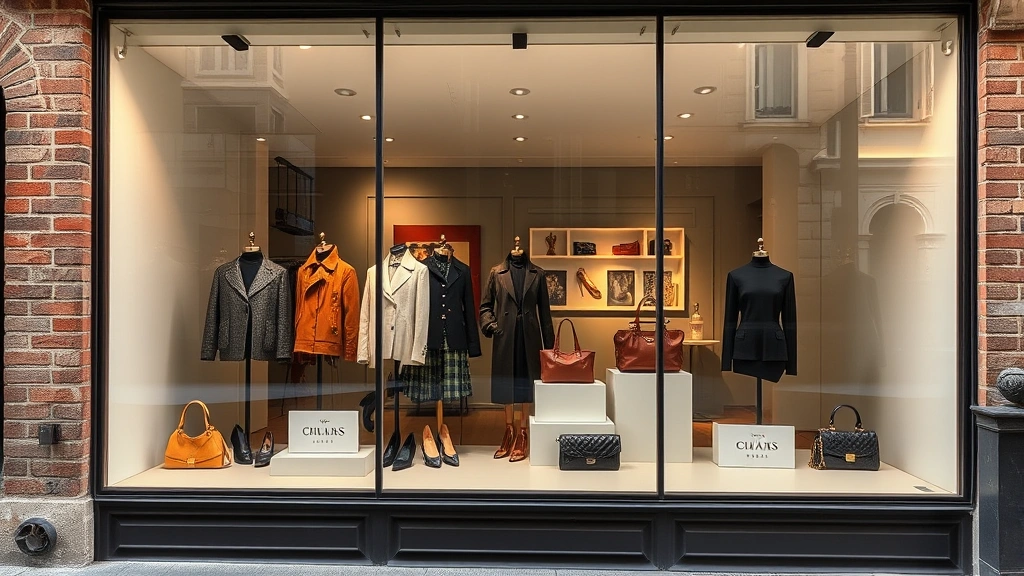
Rue Saint-Honoré & Rue de Rivoli: These legendary shopping streets host flagship stores for international luxury brands alongside Parisian maisons. Rue Saint-Honoré particularly emphasizes haute couture and luxury ready-to-wear. The streets’ historic significance and architectural beauty make shopping here a quintessential Paris experience. Window displays during fashion week reach extraordinary levels of creativity and artistry.
Galeries Lafayette & Printemps: These department store institutions showcase extensive brand collections across luxury, contemporary, and accessible price points. Fashion week often brings special exhibitions, exclusive merchandise, and curated collections. These venues provide one-stop exploration of multiple designers and emerging talent.
Bastille & République: These neighborhoods offer more casual, contemporary shopping experiences. Here you’ll discover young designers, independent boutiques, and concept stores emphasizing sustainability and innovation. The areas feel less touristy than central districts, offering authentic Parisian shopping culture.
Exploring these neighborhoods provides context for fashion week presentations. Seeing how designers’ collections appear in retail environments deepens your understanding of their creative vision and market positioning. Many boutique owners and sales associates possess deep fashion knowledge—engaging with them offers insider perspectives on trends and designer trajectories.
Insider Tips & Hacks for Paris Fashion Weekend Success
Timing Your Arrival: Arrive in Paris 2-3 days before fashion week officially begins. This allows jet lag recovery, venue familiarization, and wardrobe adjustment without the intense pressure of opening days. You’ll also observe pre-week preparations, street style photography, and emerging trends before peak crowds arrive.
Building Relationships: Introduce yourself to other fashion enthusiasts, journalists, and industry professionals. Fashion week creates natural networking opportunities in venues, restaurants, and hotels. Genuine connections often lead to exclusive event invitations, insider information, and lasting professional relationships.
Documentation Strategy: If you’re documenting your experience for content creation, develop a clear strategy. Identify key moments worth capturing, understand venue photography policies, and balance documentation with genuine presence. The most compelling fashion week content often emerges from authentic observation rather than forced staging.
Understanding fashion history timeline context enhances appreciation of Paris Fashion Week’s significance. Many presentations reference historical moments, design movements, or cultural shifts. This knowledge deepens your engagement with collections and facilitates meaningful conversations with fashion professionals.
Restaurant Reservations: Book dinner reservations well in advance. Fashion week creates unprecedented demand for Paris’s finest restaurants. Seek establishments frequented by fashion industry professionals—these venues offer exceptional dining while providing opportunities for industry observation and networking.
Transportation Navigation: Purchase a Paris Visite pass for unlimited metro, bus, and train access. Fashion week venues scatter across the city, making efficient transportation essential. The metro provides quick, affordable navigation without parking stress. Download offline maps and transportation apps for seamless navigation.
Budget Management: Fashion week creates premium pricing across accommodations, dining, and shopping. Establish realistic budgets and prioritize experiences aligned with your interests. Consider staying slightly outside central Paris for more affordable accommodations while remaining accessible to venues via metro.
Emerging Designer Focus: While established luxury houses dominate headlines, emerging designers often present the most innovative, boundary-pushing work. Prioritize attending shows from designers you’re less familiar with—these presentations frequently deliver surprising inspiration and represent fashion’s creative frontier.
Street Style Photography: Paris Fashion Week street style represents global fashion trends in real-time. Observe how attendees interpret seasonal themes, how different cultures approach style, and which emerging trends gain traction. Street style often predicts retail trends more accurately than runway presentations.
Consider that exploring 90s fashion influences helps contextualize contemporary design. Many current designers reference past decades, creating dialogue between fashion eras. Understanding historical references enriches your appreciation of contemporary collections.
Sustainability Consciousness: Modern fashion weeks increasingly emphasize sustainable practices. Seek out designers prioritizing ethical production, sustainable materials, and circular fashion principles. These brands often present the most innovative, forward-thinking collections and represent fashion’s future direction.
Final Day Strategy: The final days of fashion week often feature exceptional presentations from major designers. While crowds intensify, the energy builds as collections gain critical perspective. Attending final-day shows provides culminating perspective on seasonal trends and creative directions.
Frequently Asked Questions
What’s the best time to visit Paris for Fashion Week?
Paris Fashion Week occurs twice annually—January/February and September. Both seasons offer distinct advantages. January/February provides winter elegance with fewer tourists outside fashion week, while September offers pleasant weather and the autumn fashion season. Choose based on your schedule and preference for spring/summer or fall/winter collections.
Can I attend Paris Fashion Week without professional credentials?
Yes, several pathways exist for general admission. Purchase fashion week passes through authorized vendors, attend brand-hosted public events, explore independent designer showcases, and visit exhibition spaces open to the public. While you won’t access all official shows, substantial fashion week participation remains possible.
How much does attending Paris Fashion Week cost?
Costs vary dramatically based on your approach. Budget-conscious visitors might spend €500-1,000 total (accommodations, meals, passes), while luxury experiences easily exceed €5,000+. Fashion week pass costs range from €100-500, accommodations from €80-300+ nightly, and dining from €15-100+ per meal depending on venue selection.
What should I pack for Paris Fashion Week?
Pack neutral-toned, high-quality basics in black, navy, beige, and white. Include versatile layers, comfortable walking shoes, a structured handbag, and minimal jewelry. Pack 4-5 complete outfits allowing multiple combinations. Include a quality coat appropriate for seasonal weather and evening-appropriate clothing for dinner events.
How do I secure invitations to official shows?
Apply for press credentials through the Fédération de la Haute Couture et de la Mode if you work in fashion journalism. Content creators can reach out directly to designer PR teams with media kits. Luxury brand customers may receive invitations through loyalty programs. Professional credentials require 4-6 weeks advance processing.
Which neighborhoods should I prioritize for shopping?
Le Marais offers emerging designers and independent boutiques. Rue Saint-Honoré features luxury heritage brands. Galeries Lafayette and Printemps provide comprehensive brand selections. Bastille and République offer contemporary, casual shopping experiences. Each neighborhood provides distinct style perspectives and shopping cultures.
What are the most iconic fashion week venues?
Grand Palais hosts the most prestigious shows. Carrousel du Louvre presents ready-to-wear collections. Palais Omnisports de Paris-Bercy accommodates large-scale presentations. Musée de l’Art Moderne occasionally features conceptual collections. Espace Éphémère showcases emerging designers in the Marais district.
How can I maximize my fashion week experience on a limited budget?
Focus on public events and brand-hosted experiences rather than official shows. Explore neighborhoods and boutiques for free shopping experiences. Attend fashion week opening and closing parties often accessible to pass holders. Prioritize 2-3 must-attend shows rather than attempting comprehensive attendance. Stay in accommodations slightly outside central Paris for cost savings.