Dress to Impress: Iconic Fashion Tips from Style Icons
Fashion is the most powerful tool we possess to express our individuality and make lasting impressions. Whether you’re attending a high-stakes business meeting, a social event, or simply navigating your daily life, the way you dress communicates volumes before you speak a single word. Iconic fashion tips rooted in timeless principles can transform how you present yourself to the world, elevating your confidence and personal brand.
The journey to dressing impressively isn’t about following every trend or spending a fortune on designer labels. Instead, it’s about understanding fundamental style principles, knowing your body, and curating a wardrobe that authentically represents who you are. Drawing inspiration from legendary fashion icons like Audrey Hepburn, James Dean, Coco Chanel, and contemporary style leaders, we’ll explore the strategies that create unforgettable impressions through fashion.
This comprehensive guide will equip you with practical, actionable advice to elevate your style game and master the art of dressing to impress. From understanding color psychology to building a versatile capsule wardrobe, you’ll discover how fashion’s greatest influencers have maintained their iconic status through intentional style choices.
Master the Fundamentals of Iconic Style
Every fashion icon shares a common trait: they understand the fundamental principles that govern great style. Before you can break rules, you must know them. The foundation of dressing to impress begins with understanding silhouette, proportion, and balance.
When you look at fashion icons throughout history, you notice they maintain consistency in their visual identity. Audrey Hepburn’s elegant simplicity, paired with strategic accessories, created an instantly recognizable aesthetic. Grace Jones revolutionized androgynous fashion by playing with proportions and unexpected combinations. These legends didn’t dress to impress through chaos—they did it through intentional, well-executed choices.
Start by assessing your body shape and understanding which silhouettes flatter your frame. The key is creating balance: if you have broader shoulders, balance them with slightly fuller bottoms. If you’re petite, avoid overwhelming patterns and opt for streamlined pieces that elongate your frame. This foundational knowledge transforms every outfit you create.
Consider your lifestyle when building your style foundation. A corporate professional needs different pieces than a creative freelancer, yet both can dress to impress within their respective contexts. Finding your personal style means identifying pieces that work for your daily reality while pushing your aesthetic boundaries.
Understand Color Theory and Personal Palette
Color is perhaps the most transformative element in any outfit. The right colors enhance your natural complexion, making you appear healthier, more vibrant, and more put-together. Understanding your personal color palette—whether you’re warm-toned, cool-toned, or neutral—is crucial for dressing to impress consistently.
Fashion experts at Vogue frequently highlight how color choices distinguish style icons from ordinary dressers. Coco Chanel’s revolutionary adoption of black transformed it from mourning wear to a symbol of elegance and sophistication. She understood that black wasn’t just a color—it was a statement, a foundation, a power move.
Warm undertones pair beautifully with earthy hues: warm reds, oranges, warm browns, and golden yellows. Cool undertones shine in jewel tones: sapphire blues, emeralds, cool reds, and silvers. If you’re uncertain about your undertone, look at your wrists—blue veins suggest cool tones, green veins suggest warm tones, and a mix suggests neutral.
Beyond personal undertones, consider the psychology of color. Red commands attention and conveys confidence—perfect for making an impression. Navy blue projects professionalism and trustworthiness. Neutrals like white, gray, and black provide versatile foundations. Jewel tones add sophistication. When dressing to impress, choose colors that align with the message you want to send while flattering your complexion.
Build a personal color palette of 5-7 colors that work harmoniously together. This creates cohesion in your wardrobe, making mixing and matching effortless. Most iconic dressers maintain this restraint, knowing that a focused palette appears more intentional and sophisticated than chaotic variety.
The Power of Fit and Tailoring
Here’s the truth that separates fashion icons from fashion followers: fit is everything. A perfectly fitted affordable piece outshines an ill-fitting designer garment every single time. The most impressive fashion statements are made through clothes that fit your body like they were custom-made.
Invest in a good tailor—this is non-negotiable if you’re serious about dressing to impress. Hemming pants to the correct length, taking in seams for a closer fit, or adjusting sleeve length transforms how pieces sit on your body. Many fashion icons work with personal tailors who understand their body intimately, ensuring every garment is optimized for their frame.
When shopping, focus on fit in the shoulders first. If shoulders fit properly, everything else becomes manageable through tailoring. Look for pieces that skim your body without clinging or drowning. The general rule: you should be able to pinch about an inch of fabric at your sides when wearing fitted pieces.
Length matters tremendously. Pants should hit at your shoe without bunching or dragging. Tops should hit at your hip bone or slightly below. Dresses should land at flattering points on your leg—generally at the knee, just below the knee, or midi length. These proportions create visual flow and sophistication.
Remember that fit varies dramatically between brands. A size six at one retailer might be a size eight elsewhere. Ignore size labels and focus entirely on how pieces feel and look on your body. Dressing to impress means prioritizing how you look over what the tag says.
Building Your Signature Look
Every fashion icon has a signature look—an identifiable aesthetic that makes them instantly recognizable. Think of how we can identify a style icon by their silhouette alone. This doesn’t mean wearing the same outfit repeatedly; rather, it means developing a cohesive visual language that feels authentically yours.
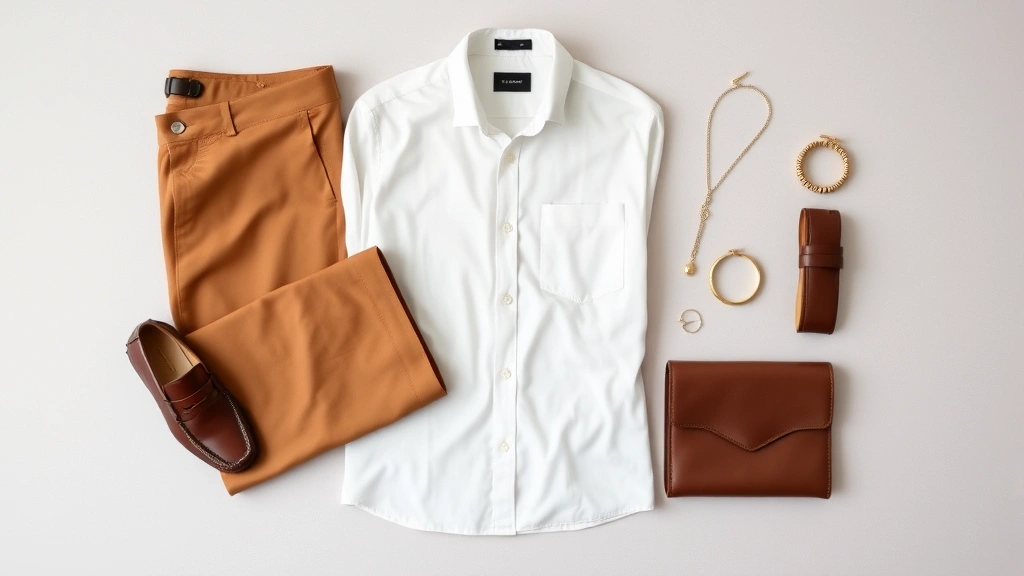
Your signature look combines your color palette, preferred silhouettes, and signature pieces. Perhaps you’re known for tailored blazers and white button-ups, channeling professional elegance. Maybe you favor vintage-inspired pieces with modern accessories, creating an eclectic aesthetic. Or you might embrace minimalist monochromatic dressing with statement shoes.
To develop your signature look, identify the common threads in outfits that make you feel most confident. Look through photos of yourself and notice patterns—colors you gravitate toward, silhouettes you favor, style elements that appear repeatedly. These patterns reveal your authentic style language.
Explore fashion history to understand how different eras influence contemporary style. Incorporating elements that resonate with you—whether that’s 1970s bohemian, 1990s minimalism, or 1950s femininity—creates depth and personality in your signature aesthetic.
Your signature look should feel effortless to you. It’s not something you have to think about; it’s simply how you naturally express yourself through fashion. When you’ve truly nailed your signature look, people recognize and appreciate your style consistency, and you feel authentically yourself in every outfit.
Accessorizing Like a Fashion Pro
Accessories are where fashion icons truly shine. The same black dress becomes a completely different statement with a leather jacket versus a silk scarf, with heels versus flats, with minimal jewelry versus bold pieces. Mastering accessorization is crucial for dressing to impress.
Follow the principle of balance: if your outfit is simple, your accessories can be bold. If your outfit is pattern-heavy or textured, keep accessories streamlined. This creates visual harmony instead of overwhelming chaos. Fashion professionals understand this instinctively.
Invest in quality foundational accessories that work with multiple outfits: a classic leather handbag, a structured watch, delicate jewelry pieces, and versatile shoes. These anchor pieces should be timeless rather than trendy, ensuring longevity in your wardrobe. Then layer in trend-forward or personal-expression pieces like scarves, belts, or statement jewelry.
Shoes deserve special attention. They ground your entire outfit and communicate intention. Polished leather shoes suggest professionalism and care. Sneakers offer casual confidence. Heels add glamour and formality. Choose shoes that align with your outfit’s message. Never underestimate the power of well-maintained shoes—scuffed or worn footwear undermines even the most impressive outfit.
Bags serve both functional and aesthetic purposes. Choose sizes and styles appropriate to your outfit’s occasion. A structured tote works for professional settings; a clutch elevates evening wear; a crossbody bag suits casual outings. Quality matters—invest in bags made from genuine materials that age beautifully.
Jewelry allows for personal expression without requiring major clothing investments. A statement necklace transforms a simple white tee. Delicate layered necklaces add sophistication. Bold rings catch attention. The key is intentionality—wear jewelry that feels meaningful rather than defaulting to pieces simply because you own them.
Occasions and Dress Codes Decoded
Dressing to impress requires understanding context. What impresses at a creative industry event differs from what impresses at a law firm or formal gala. Fashion icons understand dress codes and use them as frameworks for personal expression rather than rigid rules.
Business formal demands tailored pieces, neutral colors, and minimal jewelry. Think structured blazers, dress pants or pencil skirts, closed-toe shoes, and classic accessories. This is where fashion design schools teach the importance of professional polish—because first impressions in corporate settings are visual before they’re personal.
Business casual offers more flexibility. Pair dress pants with a blouse, add a cardigan or blazer, and choose professional shoes. Avoid denim, graphic tees, and overly casual accessories. This dress code allows personality while maintaining professionalism.
Smart casual is where many people struggle. It sits between business casual and casual wear. Elevated basics work well: nice jeans with a silk blouse, chinos with a sweater, or casual dresses with structured jackets. Avoid athletic wear, excessive patterns, and overly distressed clothing.
Cocktail attire means dressing up but not formal. A sophisticated dress, nice separates, or a dressy jumpsuit works. Add heels or dressy flats, minimal jewelry, and a polished clutch. This is your chance to show personality through color, texture, or silhouette.
Black-tie formal requires your most elegant pieces: floor-length gowns or tuxedos, delicate jewelry, and formal shoes. This is where simplicity and quality shine—let your pieces speak for themselves without competing details.
Understanding these contexts demonstrates respect for occasions and hosts. When you dress appropriately for the setting, you’re free to express your personal style within those parameters. This balance is what fashion icons master—they honor dress codes while maintaining their signature aesthetic.
Confidence as Your Best Accessory
Here’s what separates truly impressive dressers from merely well-dressed people: confidence. You can wear the most expensive, perfectly fitted outfit, but if you don’t wear it confidently, the effect diminishes. Conversely, someone wearing a simple outfit with genuine confidence will outshine someone in designer clothes who seems uncomfortable.
Confidence comes from understanding your personal style and trusting your choices. When you’ve done the work—finding your color palette, understanding your silhouettes, investing in quality basics—you naturally feel more assured in how you present yourself. You’re not constantly questioning whether you look good; you know you do.
Practice power posing before important events. Standing in a confident posture for two minutes actually increases testosterone and decreases cortisol, making you feel more assured. Walk into rooms with your shoulders back, head up, and stride purposeful. This physical confidence translates visually.
Wear clothes that make you feel like the best version of yourself. If you feel uncomfortable in something, that discomfort shows. If you feel powerful in a particular piece, wear it. Your emotional response to clothing matters—it affects how you carry yourself and how others perceive you.
Remember that fashion is ultimately about enjoyment and self-expression. When you stop dressing to please others and start dressing to please yourself while respecting context, your style becomes authentic and genuinely impressive. Fashion icons aren’t impressive because they follow rules perfectly—they’re impressive because they understand the rules well enough to bend them intentionally.
Invest in pieces that make you feel confident. Confidence is magnetic. It’s the secret ingredient that makes any outfit work, regardless of price tag or trend status. This is why some people seem to look good in everything—they’ve mastered the art of wearing clothes with genuine assurance.
FAQ
How do I find my personal color palette?
Examine your natural coloring—hair, skin, and eye color—and determine if you have warm, cool, or neutral undertones. Look at your wrists to identify vein colors, take the draping test with different colored fabrics, or consult professional color analysis services. Once identified, build a palette of 5-7 colors that harmonize with your undertones and make your complexion appear radiant.
What’s the most important piece in a wardrobe for dressing to impress?
A well-fitting blazer is arguably the most transformative piece. It instantly elevates casual outfits, can be dressed up or down, works across multiple contexts, and creates a polished silhouette. Invest in a quality blazer in a neutral color that works with your personal palette.
How much should I spend on clothes to look impressive?
Quality matters more than quantity or price. A $50 perfectly fitted shirt outperforms a $500 ill-fitting one. Focus spending on pieces you’ll wear frequently and that are foundational to your wardrobe. Allocate budget strategically: more on basics and tailoring, less on trendy pieces you’ll wear occasionally.
Can I dress to impress on a budget?
Absolutely. StyleLoom Daily Blog offers budget-friendly fashion tips that prove impressive style isn’t about spending money—it’s about making intentional choices. Shop secondhand, invest in tailoring, focus on fit, and build a cohesive capsule wardrobe. These strategies create impressive style regardless of budget.
How do I transition my style from casual to professional?
Start by building professional basics: tailored pants, structured blazers, and classic blouses. Layer casual pieces with professional items—pair jeans with a blazer for elevated casual. Add professional accessories like watches and leather bags. Gradually introduce tailored pieces into your everyday rotation until professional dressing feels natural.
What role do trends play in dressing to impress?
Trends should complement rather than define your style. Incorporate trend-forward elements in accessories, colors, or small details while maintaining foundational classic pieces. This approach keeps you current without appearing desperate to follow every trend. Fashion icons selectively adopt trends that align with their aesthetic rather than chasing all of them.
How often should I update my wardrobe?
Rather than complete overhauls, refresh seasonally by adding a few new pieces that work with your existing wardrobe. Invest in quality basics that last years, not seasons. Replace items when they’re worn out, not simply outdated. This sustainable approach is also what fashion icons practice—they build lasting wardrobes rather than constantly discarding and repurchasing.
What’s the difference between looking fashionable and dressing to impress?
Looking fashionable means following trends and current styles. Dressing to impress means making intentional choices that communicate confidence, respect for context, and understanding of your personal aesthetic. Fashionable is temporary; impressive is timeless. Explore 90s fashion influences to understand how certain style choices transcend their era and remain impressive through quality and authenticity.