Is Avant-Garde Fashion for You? Designer Insight
Avant-garde fashion exists at the intersection of art, rebellion, and innovation—a realm where conventional rules dissolve and creative expression reigns supreme. This bold movement challenges our perceptions of what clothing can be, transforming garments into wearable sculptures and statements of individual identity. Whether you’re intrigued by the architectural silhouettes of Rei Kawakubo or the theatrical presentations of Comme des Garçons, avant-garde fashion invites you to question, explore, and ultimately redefine your relationship with style.
The question isn’t whether avant-garde fashion is for everyone—it’s whether you’re ready to embrace the unconventional and make fashion a powerful form of personal expression. This comprehensive guide explores the essence of avant-garde design, helps you determine if this aesthetic aligns with your sensibilities, and provides actionable insights from industry experts on how to incorporate avant-garde elements into your wardrobe.
Understanding Avant-Garde Fashion
Avant-garde fashion represents the vanguard of style—literally meaning “before the guard” in French. This movement encompasses designers and creators who push boundaries, experiment with unconventional materials, and challenge established fashion norms. Rather than following trends, avant-garde fashion creators establish them, often years ahead of mainstream acceptance.
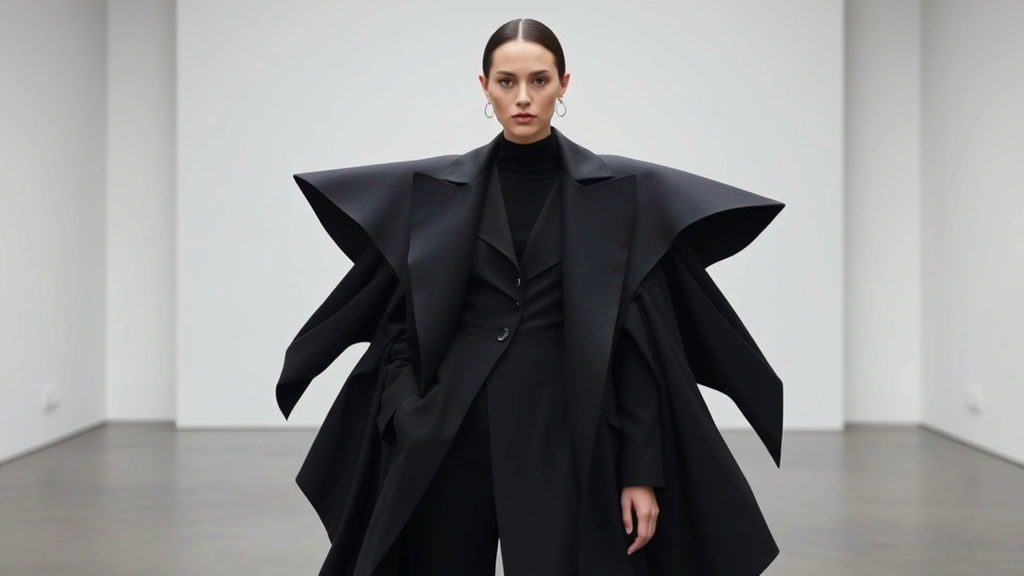
At its core, avant-garde fashion is characterized by experimental silhouettes, unexpected fabric combinations, asymmetrical designs, and a deliberate rejection of commercial appeal. These pieces often prioritize conceptual depth over wearability, transforming clothing into a medium for artistic and political commentary. Think of dramatic oversized proportions, deconstructed seams, architectural draping, and unexpected material juxtapositions—elements that make a statement rather than blend seamlessly into everyday wardrobes.
The aesthetic draws inspiration from various sources: art movements like Dadaism and Surrealism, technological innovation, cultural criticism, and personal philosophy. Avant-garde designers view their collections as narratives, with each piece contributing to a larger artistic vision that extends beyond mere fashion into the realm of fine art.
The Philosophy Behind the Movement
Understanding avant-garde fashion requires grasping its fundamental philosophy: fashion as protest, expression, and artistic medium. These designers believe clothing should challenge perceptions, provoke thought, and reflect the complexities of contemporary society. Unlike commercial fashion designed for mass appeal, avant-garde creations prioritize innovation and meaning.
This movement emerged from the desire to break free from restrictive fashion conventions that dictated how people should dress based on gender, class, and social expectations. Avant-garde designers questioned these norms relentlessly, asking: Why must shoulders be narrow? Why should bodies conform to rigid silhouettes? Why can’t fashion incorporate unconventional materials? These questions drove revolutionary designs that transformed the entire industry.
The philosophy also embraces conceptual fashion—pieces where the idea behind the design matters as much as the execution. A designer might create a collection exploring themes of environmental degradation, gender fluidity, technological displacement, or cultural identity. Each garment becomes a vehicle for communicating complex ideas, making fashion intellectually engaging alongside its aesthetic appeal.
When you engage with finding your personal style, understanding avant-garde philosophy helps you recognize whether conceptual depth and artistic expression resonate with your fashion values.
Iconic Avant-Garde Designers
Several visionary designers have defined and continue to shape the avant-garde landscape. Rei Kawakubo of Comme des Garçons stands as perhaps the most influential contemporary figure, known for deconstructed silhouettes, unconventional proportions, and intellectually rigorous design philosophy. Her work challenges gender norms and questions fundamental assumptions about how bodies should be dressed.
Vogue consistently highlights other groundbreaking figures like Yohji Yamamoto, whose architectural approach creates garments that seem to defy gravity. Jil Sander’s minimalist-yet-radical designs prove that avant-garde fashion need not be visually chaotic—it can achieve revolutionary impact through restraint and precision.
Contemporary designers continuing this legacy include Iris van Herpen, whose innovative use of 3D printing and digital technology creates otherworldly garments that blur boundaries between fashion and sculpture. Hussein Chalayan’s narrative-driven collections transform runways into theatrical performances, with clothes that literally transform and evolve throughout presentations.
These designers share a common thread: they view fashion as a serious art form deserving intellectual rigor, experimental freedom, and conceptual depth. Their work influences mainstream fashion years later, proving that avant-garde innovation eventually permeates commercial design.
Is Avant-Garde Fashion Right for You?
Determining whether avant-garde fashion aligns with your aesthetic requires honest self-reflection. Ask yourself these key questions: Do you view fashion as self-expression beyond social conformity? Are you comfortable standing out and inviting conversation about your appearance? Do you appreciate artistic and conceptual depth in design? Can you embrace garments that prioritize artistic vision over conventional wearability?
Avant-garde fashion appeals to individuals who see clothing as a powerful communication tool. If you’re energized by challenging norms, exploring identity through appearance, and making bold statements, this movement likely resonates with you. However, if you prioritize comfort, practicality, and blending into your environment, pure avant-garde pieces might feel restrictive.
The reality is that most fashion enthusiasts exist on a spectrum. You might love avant-garde concepts while preferring to incorporate them subtly into your overall style. This balanced approach allows you to engage with avant-garde philosophy without requiring a complete wardrobe overhaul or a commitment to exclusively wearing conversation-starting pieces.
Consider your lifestyle, professional environment, and personal comfort level. A corporate attorney might appreciate avant-garde fashion intellectually but find it impractical for daily wear, while an artist or creative professional might embrace it fully. Your personal style journey should reflect your authentic self, not external expectations about how avant-garde fashion “should” look.
Incorporating Avant-Garde Elements Into Your Style
You don’t need to commit entirely to avant-garde fashion to benefit from its innovative spirit. Strategic incorporation of avant-garde elements allows you to explore this aesthetic while maintaining practicality and personal comfort. Begin by identifying which aspects appeal most: architectural silhouettes, unconventional color combinations, experimental materials, or conceptual depth.
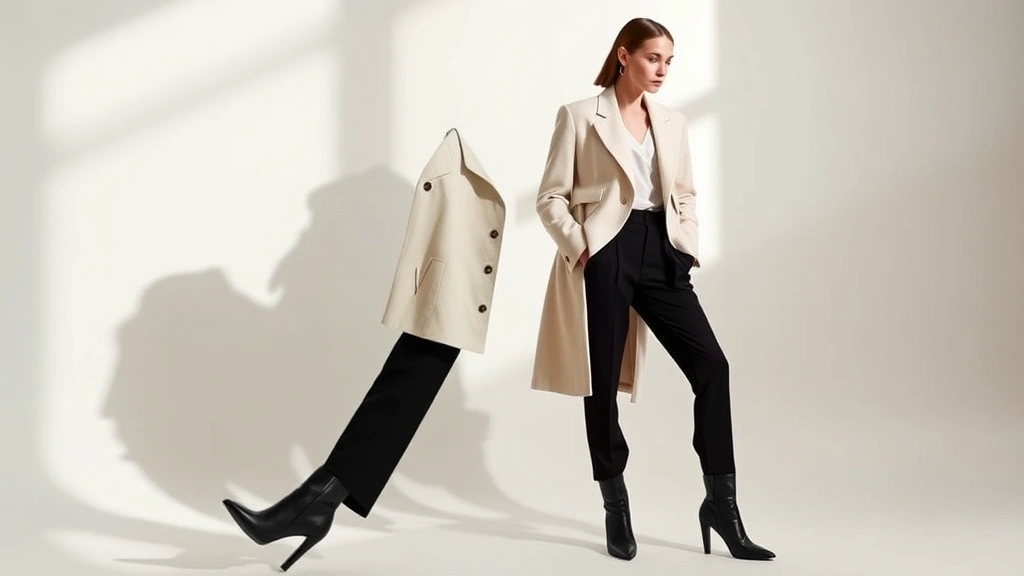
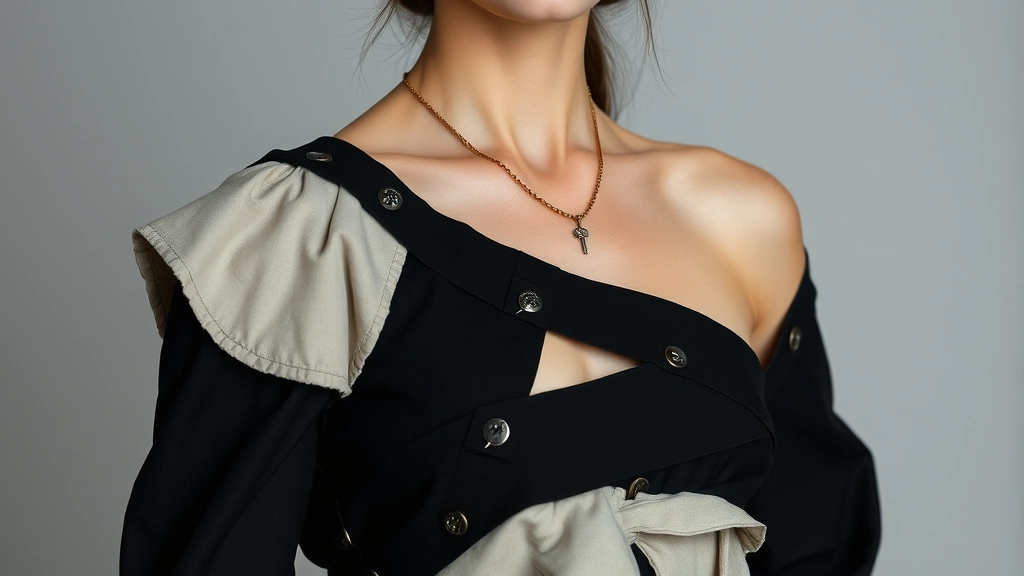
Start with accessible entry points: a sculptural jacket with unexpected proportions, a deconstructed button-up that plays with traditional tailoring, or a statement piece that challenges conventional notions of femininity or masculinity. These pieces serve as anchors in outfits, allowing you to experiment without overwhelming your existing wardrobe.
Mixing avant-garde pieces with basics creates balance. Pair an architectural coat with simple jeans and neutral sneakers, allowing the statement piece to shine without creating visual chaos. Layer experimental pieces strategically—a deconstructed shirt under a traditional blazer creates intrigue while maintaining professional polish.
Explore how fashion history informs contemporary design. The complete fashion history timeline reveals how past movements influenced avant-garde aesthetics. Understanding these connections deepens your appreciation for contemporary experimental design and helps you make intentional style choices.
The Intersection of History and Innovation
Avant-garde fashion doesn’t emerge in a vacuum—it builds upon historical precedent while aggressively rejecting it. Understanding fashion history provides crucial context for appreciating contemporary avant-garde work. The structured silhouettes of the 1950s men’s fashion era represented conformity and tradition that later designers would deliberately deconstruct.
Similarly, the rebellious spirit of 80s men’s fashion introduced experimental proportions and unconventional styling that directly influenced contemporary avant-garde aesthetics. The 90s fashion men movement embraced anti-fashion attitudes that continue shaping avant-garde philosophy today—the idea that fashion should challenge rather than comfort, provoke rather than please.
Contemporary avant-garde designers study these historical movements, understanding what they rejected and why, then push further. They ask: If 1980s designers deconstructed tailoring, how can we deconstruct deconstruction? If 1990s anti-fashion rejected commercialism, how can we make anti-fashion itself a statement? This iterative process of historical awareness and radical innovation defines the avant-garde movement.
Fashion institutes like FIT (Fashion Institute of Technology) and Central Saint Martins cultivate this historical consciousness while encouraging radical experimentation, producing designers who understand tradition deeply enough to revolutionize it.
Building Your Avant-Garde Wardrobe
If you’ve decided that avant-garde fashion speaks to you, building a cohesive wardrobe requires strategic thinking. Rather than impulsive purchases, approach avant-garde fashion collecting with the same intentionality designers bring to their collections. Each piece should align with your emerging aesthetic vision while serving functional purposes in your daily life.
Begin with foundational pieces that balance experimental elements with wearability. A well-constructed deconstructed blazer, a statement coat with architectural proportions, or an asymmetrical dress that challenges conventional silhouettes provides anchors for your avant-garde exploration. These pieces communicate your fashion philosophy while remaining versatile enough for varied occasions.
Invest in quality when possible. Avant-garde pieces often cost more because they demand superior construction, innovative material sourcing, and the designer’s conceptual labor. These investments prove worthwhile—well-made avant-garde pieces age beautifully and maintain relevance because they transcend seasonal trends.
Develop relationships with designers whose philosophy aligns with yours. Rather than chasing every avant-garde trend, commit to specific designers whose work consistently resonates. This approach builds coherence in your wardrobe and deepens your appreciation for each designer’s evolving vision.
Explore the Style Loom Daily Blog for ongoing inspiration and insights into emerging designers and contemporary style movements. Staying informed about fashion evolution helps you make intentional choices that reflect your developing aesthetic sensibility.
Don’t underestimate the power of accessories in avant-garde styling. Statement shoes, sculptural jewelry, and innovative bag designs allow you to explore experimental aesthetics without committing to full garments. These pieces often cost less than clothing while delivering significant visual impact.
Most importantly, wear your avant-garde pieces. Fashion’s power emerges through actual wearing, not careful preservation. The confidence you project while wearing challenging pieces matters more than perfect coordination or universal approval. Avant-garde fashion celebrates individuality—embrace yours fully.
FAQ
What exactly defines avant-garde fashion?
Avant-garde fashion encompasses experimental, innovative designs that challenge conventional fashion norms. These pieces prioritize artistic expression, conceptual depth, and boundary-pushing innovation over commercial appeal or mainstream wearability. Characteristics include unconventional silhouettes, unexpected material combinations, asymmetrical designs, and deliberate rejection of established fashion rules.
Is avant-garde fashion only for wealthy people?
While high-end designer pieces carry significant price tags, avant-garde aesthetics exist across price points. Contemporary brands, emerging designers, and vintage pieces offer accessible entry points into avant-garde fashion. Additionally, understanding avant-garde philosophy allows you to incorporate experimental elements into affordable basics, making the movement accessible regardless of budget.
Can I wear avant-garde fashion to work?
This depends entirely on your professional environment. Creative fields like design, arts, fashion, and entertainment often celebrate avant-garde expression. Corporate or conservative settings might require more subtle incorporation—perhaps an experimental blazer with traditional trousers, or avant-garde accessories with conventional clothing. Strategic mixing allows you to honor both professional expectations and personal style.
How do I start incorporating avant-garde elements without overwhelming my wardrobe?
Begin with single statement pieces—a sculptural jacket, an asymmetrical dress, or a deconstructed button-up. Pair these with basics to create balance. As you become more comfortable, gradually introduce additional experimental pieces. This measured approach allows your style to evolve organically while maintaining practicality and personal comfort.
Which contemporary designers best represent avant-garde fashion?
Rei Kawakubo (Comme des Garçons), Yohji Yamamoto, Iris van Herpen, and Hussein Chalayan represent contemporary avant-garde excellence. Each brings distinct perspectives—Kawakubo’s deconstructed rigor, Yamamoto’s architectural precision, van Herpen’s technological innovation, and Chalayan’s narrative-driven presentations. Exploring their work provides valuable education in avant-garde philosophy.
Does wearing avant-garde fashion mean rejecting all mainstream fashion?
Not necessarily. Many fashion enthusiasts embrace hybrid approaches, mixing avant-garde pieces with contemporary basics or vintage finds. This balanced strategy allows you to explore experimental aesthetics while maintaining practical, wearable wardrobes. Fashion exists on spectrums—you need not commit exclusively to any single movement.
How can I find avant-garde pieces that fit my body and lifestyle?
Explore emerging designers through fashion platforms, attend runway shows when possible, and visit boutiques specializing in experimental design. Virtual shopping through designer websites and curated platforms like Dover Street Market allows you to discover pieces matching your aesthetic. Don’t hesitate to try unconventional sizes—avant-garde fashion often intentionally plays with fit and proportion.