Revive 70s Fashion? Expert Men’s Guide to Mastering Disco, Bohemian & Retro Styles
The 1970s remain one of the most iconic and influential decades in men’s fashion history. From the glittering disco floors of Studio 54 to the earthy bohemian aesthetics of the counterculture movement, 70s fashion for men represented a bold departure from the conservative styles of previous generations. Today, as fashion cycles inevitably bring vintage trends back into the spotlight, many modern men are asking: can we successfully revive 70s fashion without looking like we’re wearing a costume?
The answer is a resounding yes—but it requires strategy, understanding, and a discerning eye for which elements work in contemporary contexts. The key lies in cherry-picking the most versatile and timeless pieces from the decade while adapting them to modern sensibilities. Whether you’re drawn to the wide-lapel blazers, flared trousers, or vintage color palettes that defined the era, this comprehensive guide will show you how to incorporate 70s-inspired pieces into your wardrobe authentically.
The revival of 70s fashion isn’t merely about nostalgia—it’s about understanding the principles of style that made the decade work and applying them with contemporary confidence. Let’s explore how you can master this aesthetic.
Why 70s Fashion Is Making a Comeback
Understanding why 70s fashion continues to resurface requires examining broader fashion cycles and cultural movements. Fashion operates in waves—what was rejected becomes celebrated again, often within 30-40 year cycles. We’re now at that sweet spot where the 1970s feel distant enough to be nostalgic yet close enough to feel accessible and relatable.
The resurgence of 70s aesthetics reflects a cultural desire for authenticity and self-expression. Unlike the minimalism and aggressive trends of recent decades, the 70s celebrated individualism and bold personal choices. Men felt empowered to experiment with colors, silhouettes, and textures. This philosophy aligns perfectly with contemporary fashion movements that prioritize personal style over rigid trends.
Major fashion houses and designers have recognized this shift. Vogue has consistently featured 70s-inspired collections on its runways, while contemporary designers draw inspiration from the decade’s fearless approach to menswear. Additionally, the rise of sustainable fashion has made vintage 70s pieces—which are durable, well-made, and increasingly difficult to find—highly sought after by style-conscious men.
When exploring the complete fashion history timeline, you’ll notice the 70s represent a pivotal moment when men’s fashion expanded beyond traditional boundaries. This historical context makes understanding 70s fashion essential for anyone interested in developing a sophisticated, informed personal style.
The Disco Aesthetic: Glamour and Gold
Disco fashion represents perhaps the most visually striking aspect of 70s menswear. Born from the nightclub culture of New York City, disco style emphasized luxury, shine, and unapologetic glamour. This wasn’t about blending in—it was about commanding attention and celebrating life with exuberance.
The core elements of disco fashion include:
- Wide-lapel blazers in silk, satin, or metallic fabrics
- Unbuttoned shirts revealing chest hair and gold chains
- Flared trousers with high waistbands and dramatic bell-bottoms
- Platform shoes that added height and drama
- Jumpsuits in bold, eye-catching colors and patterns
- Accessory emphasis with rings, bracelets, and medallions
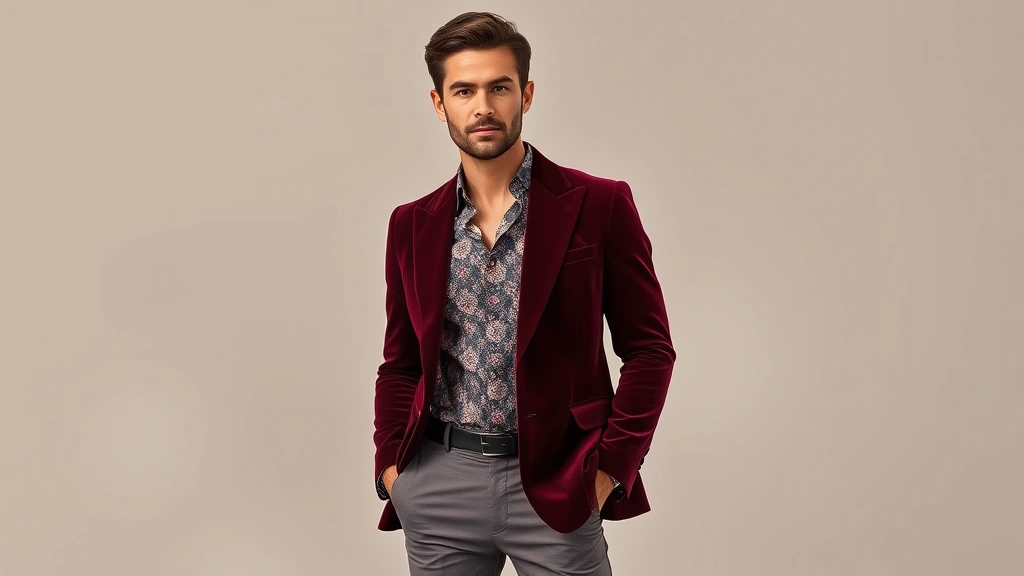
For modern men interested in incorporating disco elements, restraint is crucial. Rather than adopting the full disco costume, consider these strategic choices: a single statement piece like a burgundy or forest-green velvet blazer worn over simple contemporary clothing creates instant 70s vibes without appearing costume-like. Pair it with well-fitted modern trousers and minimal jewelry for balance.
The disco era taught us that confidence matters more than perfection. A slightly oversized shirt with a subtle sheen, worn with tailored trousers, captures the disco spirit while remaining wearable in professional and social settings. The key is selecting one or two disco-inspired elements per outfit rather than attempting a full-period recreation.
Bohemian Influence: Earth Tones and Freedom
While disco dominated nightlife, bohemian fashion thrived in creative communities and casual settings throughout the 70s. This aesthetic drew from counterculture values, folk traditions, and a rejection of consumer excess. Bohemian 70s fashion for men emphasized natural fabrics, earthy colors, and relaxed silhouettes.
Key bohemian elements include:
- Suede and corduroy jackets in warm, natural tones
- Fringe details on shirts, jackets, and accessories
- Patterned fabrics like paisley, batik, and tie-dye
- Long hair and facial hair as style statements
- Layering with vests, scarves, and multiple textures
- Accessory choices like leather belts, beaded necklaces, and headbands
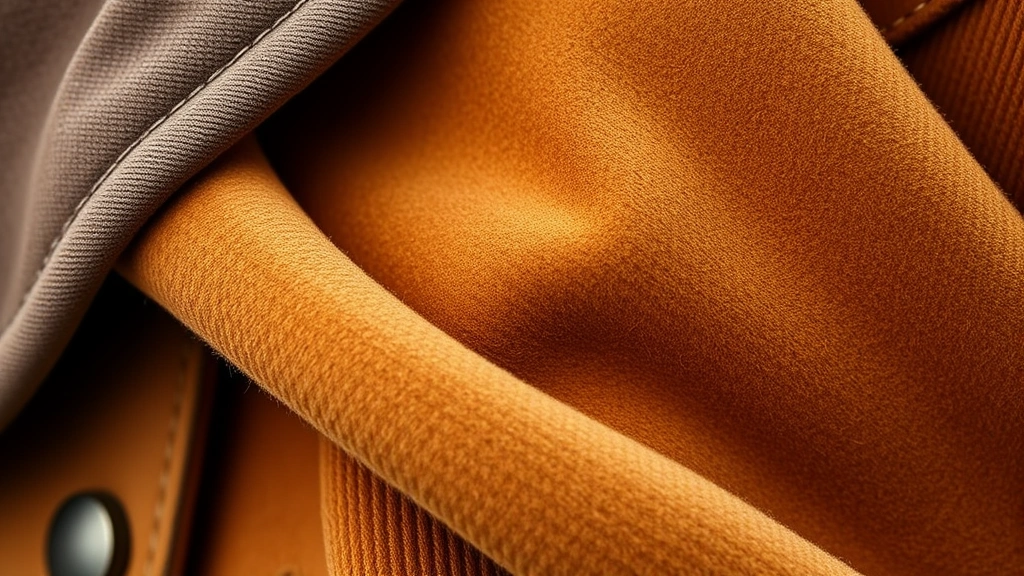
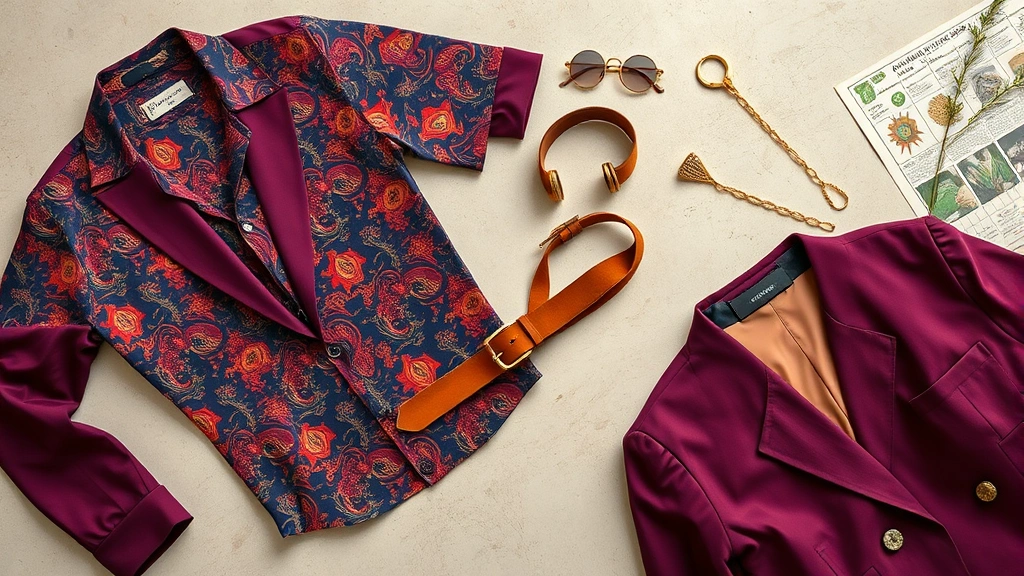
The bohemian aesthetic translates remarkably well to contemporary wardrobes. A quality suede jacket in caramel or chocolate brown works beautifully in modern contexts. Pair it with neutral trousers and a simple shirt for effortless sophistication. Patterned shirts in muted earth tones—think rust, olive, mustard, and terracotta—capture the bohemian spirit without appearing dated.
One of the most wearable aspects of bohemian 70s style is the emphasis on natural fabrics and textures. Linen, cotton, wool, and suede age gracefully and feel luxurious. This aligns perfectly with contemporary preferences for sustainable, quality clothing that lasts.
Essential 70s Fashion Pieces for Modern Men
Building a 70s-inspired wardrobe doesn’t require overhauling your entire closet. Instead, strategic additions of key pieces create a cohesive aesthetic that feels intentional rather than costume-like. Understanding which pieces transcend their era is essential.
Wide-Lapel Blazers
Wide lapels define 70s tailoring. Modern versions from contemporary designers offer the silhouette without excessive width. Look for blazers with lapels between 3.5 to 4 inches wide—wide enough to read as retro but not so extreme they overwhelm your frame. Velvet, corduroy, and wool blends work beautifully.
Flared Trousers
Full bell-bottoms feel costume-like today, but subtle flares work beautifully in contemporary menswear. Trousers with a 17-18 inch opening at the hem provide visual interest without appearing theatrical. Pair them with cropped or fitted shirts to maintain proportion.
Patterned Shirts
Paisley, geometric, and abstract prints defined 70s menswear. Modern interpretations in muted color palettes feel sophisticated rather than loud. Look for vintage pieces or contemporary brands creating 70s-inspired prints.
Suede and Corduroy Jackets
These textured fabrics epitomize the 70s aesthetic. A quality suede jacket in neutral tones becomes a wardrobe staple that works across seasons and styles. Corduroy offers similar appeal with better durability for everyday wear.
Platform or Stacked-Heel Shoes
Extreme platforms feel costume-like, but shoes with subtle stacked heels or platforms feel contemporary and interesting. Chelsea boots, loafers, and oxfords with modest lifts capture 70s sensibility without theatricality.
Layering Pieces
Vests, scarves, and multiple layers define the bohemian 70s aesthetic. A quality knit vest worn over a patterned shirt creates instant vintage sophistication. Lightweight scarves add texture and visual interest.
As you find your personal style, consider which 70s elements resonate with your natural preferences. Not every man suits disco glamour, and that’s perfectly fine. Bohemian elements might align better with your aesthetic.
Colors and Patterns That Define the Decade
The 70s were anything but subtle regarding color. However, modern application requires sophistication and restraint.
Warm Earth Tones
Rust, terracotta, olive, mustard, caramel, chocolate, and burnt orange dominated the decade. These colors feel warm and inviting while remaining sophisticated. A rust-colored corduroy jacket or mustard wool sweater works beautifully in contemporary contexts.
Rich, Deep Jewel Tones
Burgundy, forest green, navy, and deep purple represented luxury and glamour. A burgundy velvet blazer or forest-green dress shirt makes a statement without appearing cartoonish.
Gold and Metallic Accents
Gold dominated disco fashion. Rather than metallic clothing, incorporate gold through accessories: watches, rings, or jewelry worn with restraint.
Pattern Combinations
The 70s weren’t afraid of pattern mixing—paisley with stripes, geometric with floral. Modern application requires editing. Choose two complementary patterns in similar color families rather than clashing combinations. A paisley shirt under a checked blazer works if colors harmonize.
When selecting 70s colors and patterns, consider your skin tone and existing wardrobe. The best vintage-inspired outfit is one you’ll actually wear. If earth tones flatter you more than jewel tones, build your 70s aesthetic around warm, natural colors.
Styling Tips for Contemporary 70s Looks
Successfully reviving 70s fashion requires understanding how to balance retro elements with contemporary styling. The goal is honoring the decade’s aesthetic while creating outfits that feel current and wearable.
Mix Old and New
Pair a vintage 70s piece with contemporary items. A 70s floral shirt works beautifully with modern slim-fit trousers and contemporary sneakers. This juxtaposition feels intentional rather than costume-like.
Proportion Matters
The 70s embraced loose, dramatic silhouettes. Today, balance is key. If wearing wide-legged trousers, pair them with a fitted or cropped top. If wearing an oversized shirt, tuck it or pair it with fitted trousers.
Quality Over Quantity
One exceptional 70s-inspired piece elevates an entire outfit. A quality suede jacket, well-made patterned shirt, or vintage blazer becomes the focal point. Build the rest of the outfit with neutral, high-quality basics.
Accessory Strategy
The 70s loved accessories. Modern application requires restraint. A single statement piece—a quality watch, interesting belt, or scarf—adds 70s flair without overwhelming the outfit.
Grooming Alignment
70s fashion included distinctive grooming. Fuller beards, longer hair, and natural textures were celebrated. Ensure your grooming aligns with your outfit’s aesthetic. A disco-glam outfit looks odd with a minimalist haircut.
Confidence as the Final Piece
The 70s were about self-expression and confidence. The most important element of any 70s-inspired outfit is wearing it with conviction. If you feel awkward, it will show.
Exploring 90s fashion alongside 70s styles reveals interesting contrasts. The 90s rejected 70s excess in many ways, yet contemporary fashion increasingly blends elements from both decades, creating a more nuanced aesthetic.
Common Mistakes to Avoid
When reviving 70s fashion, certain pitfalls can transform a sophisticated look into a costume.
Excessive Width and Length
Authentic 70s pieces featured extreme proportions. Modern recreation requires moderation. Lapels wider than 4.5 inches or pants with 20-inch openings feel theatrical rather than fashionable.
Too Much Shine and Sheen
Disco fashion embraced metallic and shiny fabrics. Wearing head-to-toe satin or polyester feels dated. Instead, introduce shine through one or two pieces or accessories.
Clashing Patterns Without Purpose
The 70s mixed patterns, but successful combinations shared color families and visual weight. Random pattern combinations look chaotic rather than curated.
Neglecting Fit
Even the best 70s pieces look poor if they don’t fit properly. Invest in tailoring to ensure vintage or vintage-inspired pieces work with your body. A slightly oversized shirt is intentional; an ill-fitting shirt is sloppy.
Ignoring Context
A full disco outfit might work for costume parties or themed events, but daily wear requires editing. Consider the occasion and dress appropriately while incorporating 70s elements.
Forgetting About Footwear
Extreme platform shoes or worn-out vintage boots can undermine an otherwise sophisticated outfit. Ensure shoes are clean, well-maintained, and appropriate for the context.
Understanding 1950s fashion for men provides helpful context for how different eras’ menswear evolved. The 50s’ structured formality contrasts sharply with the 70s’ experimental freedom, illustrating fashion’s cyclical nature.
FAQ
Can I wear 70s fashion to professional settings?
Absolutely, with careful curation. A wide-lapel blazer in a neutral color with modern trousers and a simple shirt reads as contemporary vintage rather than costume. Avoid disco elements and stick to tailored bohemian pieces. Context matters—creative industries are more receptive than conservative corporate environments.
Where should I source authentic 70s pieces?
Vintage shops, online marketplaces like Etsy and eBay, and specialized vintage retailers offer authentic pieces. Contemporary brands also create 70s-inspired collections. When buying vintage, inspect quality carefully—check seams, zippers, and fabric condition. Thrift stores often offer affordable options, though selection varies.
How do I style 70s fashion if I have a modern haircut?
You absolutely can. The key is balancing elements. A shorter, contemporary haircut works beautifully with bohemian pieces like suede jackets and patterned shirts. Avoid full disco outfits if your grooming is very modern—the contrast feels disjointed. Instead, incorporate one or two 70s pieces with contemporary styling.
Are flared pants still considered fashionable?
Yes, subtle flares are increasingly fashionable. Full bell-bottoms feel costume-like, but trousers with gentle flares (17-18 inch openings) work beautifully in contemporary menswear. They’re particularly popular in creative industries and fashion-forward communities.
What’s the difference between reviving 70s fashion and wearing a costume?
Intention and proportion determine the difference. Reviving 70s fashion means thoughtfully incorporating elements that align with your personal style, with careful attention to fit and balance. Costume dressing means recreating a specific era head-to-toe with extreme proportions and theatrical elements. The former feels intentional; the latter feels like you’re playing dress-up.
Can I mix 70s elements with other vintage decades?
Carefully. Mixing 70s and 80s elements can work because they’re chronologically close and share some aesthetic DNA. Mixing 70s and 50s requires more restraint—the aesthetics are quite different. Focus on color, texture, and silhouette when mixing eras. Ensure pieces share a cohesive visual language rather than appearing randomly assembled.
How do I incorporate 70s fashion if my body type doesn’t suit flared silhouettes?
Focus on other 70s elements. Wide-lapel blazers, patterned shirts, earth-tone colors, and layering work across body types. A taller, slimmer man might wear flares beautifully, while a broader-shouldered man might focus on texture and color. Bohemian elements often work better for diverse body types than disco styles, which emphasize dramatic silhouettes.
The revival of 70s fashion represents more than nostalgic trend-chasing. It reflects a cultural shift toward bold self-expression, appreciation for quality craftsmanship, and recognition that fashion’s most interesting moments often come from previous decades. By understanding the decade’s distinct aesthetics—disco glamour and bohemian authenticity—and applying them with contemporary sensibility, modern men can create sophisticated, wearable looks that honor the past while feeling entirely current.
Whether you’re drawn to the warm earth tones of bohemian style or the glamorous elements of disco fashion, 70s fashion offers rich possibilities for personal expression. Start with one or two pieces that resonate with your aesthetic, style them thoughtfully with contemporary basics, and wear them with confidence. That’s the real secret to successfully reviving 70s fashion.
Explore Style Loom Daily Blog for more fashion insights and trend analysis. For those interested in the broader context of fashion education, best fashion design schools offer comprehensive programs exploring fashion history and contemporary design.
External resources like Vogue regularly feature 70s-inspired collections and styling guides. Gucci and Stella McCartney frequently incorporate vintage and retro elements into contemporary collections. For trend forecasting, WGSN provides expert analysis on how vintage trends influence contemporary fashion cycles.