2010 Fashion Trends: Expert Insights Into the Decade’s Most Transformative Style Movement
The year 2010 marked a pivotal moment in fashion history, where digital innovation began reshaping how we discover, consume, and share style. As social media platforms like Instagram were still in their infancy and fashion blogs dominated the online landscape, 2010 represented a fascinating intersection between traditional runway presentations and the emerging democratization of fashion commentary. This year witnessed bold silhouettes, unexpected color combinations, and a growing emphasis on individual expression that would define the entire decade.
Understanding 2010 fashion requires examining the cultural context of post-recession America, where consumers began seeking both aspiration and accessibility. Fashion designers responded by creating pieces that balanced luxury with practicality, ensuring that high-fashion concepts could be interpreted at every price point. The trends that emerged during this year would establish frameworks for personal style that remain relevant today.
The Silhouette Revolution: From Slim to Statement
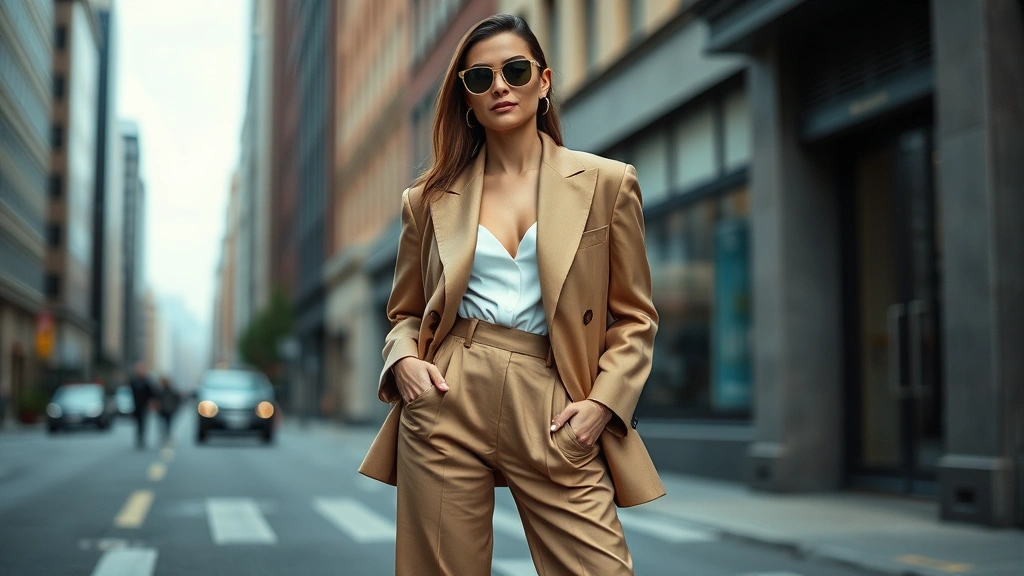
In 2010, fashion experienced a dramatic shift in how silhouettes were constructed and celebrated. The previous decade’s obsession with ultra-slim, body-conscious designs began yielding to more structured, architectural approaches. Designers like Vogue’s featured designers embraced oversized blazers, wide-leg trousers, and flowing fabrics that prioritized movement and comfort without sacrificing sophistication.
The peplum top emerged as one of 2010’s most iconic silhouette innovations. This flared ruffle at the waist created volume and femininity while maintaining an edge that appealed to fashion-forward consumers. Simultaneously, high-waisted trousers and shorts became increasingly popular, offering a nod to vintage aesthetics while feeling thoroughly contemporary. This trend reflected a broader movement toward celebrating different body types and rejecting the one-size-fits-all approach that had dominated previous years.
Maxi skirts and dresses gained substantial traction during 2010, particularly among younger demographics exploring bohemian and vintage influences. These floor-length pieces offered versatility—they could be dressed up for evening events or styled casually with sneakers and graphic tees. The democratization of fashion through affordable retailers meant that these silhouette trends became accessible to mainstream consumers almost immediately, rather than remaining exclusive to luxury markets.
When exploring how silhouettes evolved, it’s valuable to examine the complete fashion history timeline to understand how 2010 fit within broader historical movements. The year represented a clear departure from 2000s minimalism and a movement toward maximalism that would characterize the 2010s entirely.
Color Palettes and Pattern Play
2010 fashion embraced color with unprecedented confidence. While previous years had favored neutral palettes with occasional pops of accent color, 2010 encouraged bold, unexpected combinations that challenged conventional wisdom about color coordination. Jewel tones—emerald, sapphire, and amethyst—dominated both ready-to-wear and high-fashion collections, offering richness and depth that photographed beautifully for emerging digital platforms.
Neon hues represented another significant trend, particularly in accessories and statement pieces. Neon yellow, pink, and green appeared on everything from belts to clutches, providing an energetic counterpoint to more subdued ensembles. This neon movement reflected a broader cultural moment of optimism and visual exuberance following economic uncertainty.
Pattern mixing, once considered a fashion faux pas, became increasingly celebrated in 2010. Stripes paired with florals, geometric prints combined with animal patterns—these combinations that would have seemed chaotic just years earlier now represented confidence and style sophistication. Fashion blogs and emerging online style communities championed this approach, encouraging readers to experiment fearlessly with their wardrobes.
The resurgence of animal print deserves special attention within 2010’s color and pattern narrative. Leopard print, zebra stripes, and python patterns appeared across all garment categories, from casual t-shirts to elegant evening wear. This wasn’t nostalgic recreation but rather a contemporary reinterpretation that felt fresh and modern rather than retro.
Understanding how to find your personal style became increasingly important as color and pattern options expanded, giving consumers more tools to express individuality through their fashion choices.
Fabric Innovation and Sustainable Choices
2010 marked an important moment in fashion’s growing awareness of environmental and ethical concerns. While sustainability wouldn’t become mainstream until later in the decade, thoughtful designers were already experimenting with innovative fabrics and production methods that would define the sustainable fashion movement.
Technical fabrics gained prominence during 2010, with designers incorporating moisture-wicking materials, stretch blends, and performance textiles into luxury collections. This represented a fascinating collision between sportswear and high fashion—a trend that would accelerate throughout the 2010s. Brands recognized that consumers wanted pieces that looked sophisticated but performed practically in their actual lives.
Organic cotton, linen blends, and recycled materials began appearing more frequently in collections, though still representing a relatively small portion of overall production. Designers like those featured in Harper’s Bazaar’s sustainability coverage were pioneering approaches that balanced luxury with responsibility.
Texture became increasingly important in 2010 fabrics. Chunky knits, delicate laces, and unexpected material combinations created visual and tactile interest. Leather appeared in innovative ways—not just in jackets but in structured dresses, skirts, and even accessories. Mixing matte and shiny finishes within single outfits became a sophisticated styling approach that elevated even casual looks.
The emergence of affordable luxury brands during this period meant that innovative fabrics and construction techniques became accessible beyond traditional high-fashion markets. Fast-fashion retailers began experimenting with quality materials and thoughtful design, democratizing access to well-made pieces.
Accessories as Fashion Statements
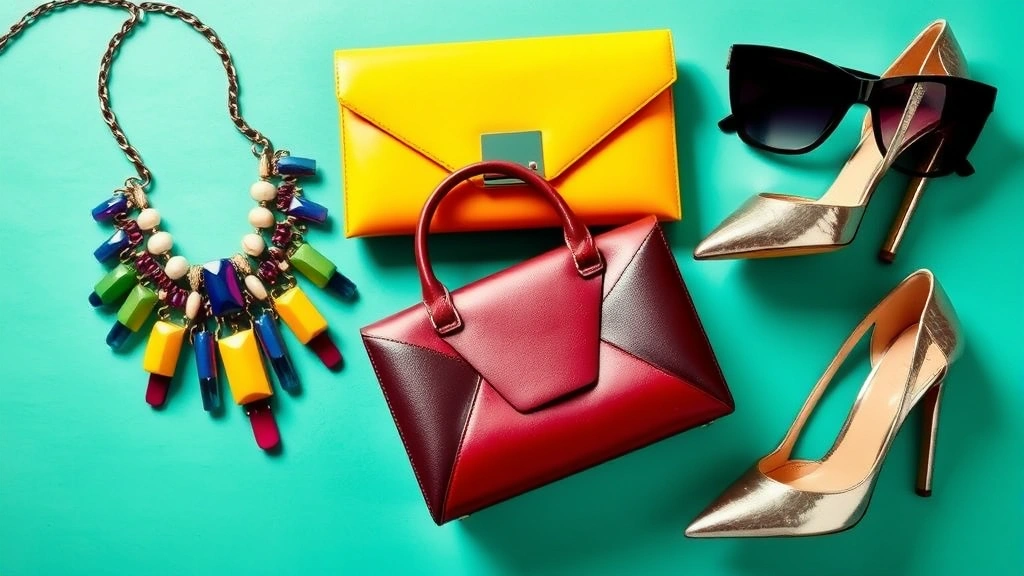
In 2010, accessories transcended their supporting role to become primary fashion statements. Bags, shoes, and jewelry received as much creative attention as garments themselves, with many collections structured around signature accessory pieces.
Oversized sunglasses dominated eyewear trends, with enormous frames becoming a status symbol and practical fashion choice. These weren’t subtle pieces but rather bold, sometimes architectural designs that commanded attention and conveyed confidence. The larger-than-life sunglasses trend reflected broader 2010 aesthetics favoring maximalism and statement-making.
Footwear in 2010 ranged from dramatic to unexpected. Sky-high heels continued their reign, but more interesting were the wedges, platforms, and unusual heel shapes that offered height without traditional stiletto severity. Studded shoes, metallic finishes, and unexpected color choices made footwear a primary outfit consideration rather than an afterthought.
Structured bags with architectural silhouettes became coveted status symbols. Hard-edged clutches, geometric satchels, and sculptural totes offered visual drama and practical functionality. The “it bag” phenomenon reached peak intensity in 2010, with specific designer bags becoming cultural touchstones and investment pieces.
Jewelry evolved toward bolder, more architectural designs. Chunky statement necklaces, oversized rings, and dramatic chandelier earrings provided glamorous accents to simpler outfits. Mixing metals—combining gold, silver, and copper in single ensembles—became acceptable and even encouraged. This approach to jewelry reflected broader 2010 attitudes toward breaking conventional styling rules.
When considering accessory investments, exploring how to style statement pieces can provide practical guidance for maximizing wardrobe versatility.
Celebrity Influence and Red Carpet Moments
2010 witnessed celebrities wielding unprecedented power in shaping fashion trends. Red carpet events, award shows, and paparazzi photography created instant trend cycles, with pieces worn by celebrities becoming immediately coveted by consumers worldwide.
Key celebrity style influencers of 2010 included figures who weren’t necessarily traditional fashion icons but who possessed unique personal style. The rise of street-style photography and fashion blogs meant that how celebrities styled themselves for everyday occasions became as influential as their formal wear.
Specific red carpet moments defined 2010 fashion discourse. Designers created pieces specifically hoping for celebrity endorsement, recognizing that a single high-profile appearance could generate massive consumer demand and media coverage. This symbiotic relationship between celebrities and designers intensified during 2010 as social media began amplifying fashion moments.
The concept of “borrowed” style—where celebrities would wear designer pieces not necessarily designed for them—became increasingly common. Personal stylists wielded greater influence, creating cohesive looks that reflected individual personality while incorporating current trends. This approach to styling suggested that fashion’s future lay in personalization rather than prescriptive trends.
Awards season in 2010 produced memorable moments that defined the year’s aesthetic. Designers competed fiercely for celebrity clients, understanding that red carpet visibility translated directly into commercial success and cultural relevance. The democratization of fashion commentary through blogs and social media meant that every significant appearance was instantly analyzed, critiqued, and either celebrated or rejected by global audiences.
Gender-Fluid Fashion Emerges
While gender-fluid fashion wouldn’t become mainstream terminology until later, 2010 witnessed important foundational shifts in how designers approached menswear, womenswear, and the spaces between. Young consumers increasingly rejected rigid gender categories in favor of personal expression and individual style.
Androgynous silhouettes gained acceptance, with oversized pieces, cropped pants, and unconventional proportions becoming legitimate fashion choices rather than statements of rebellion. Young women embraced tailored menswear-inspired pieces, while men experimented with colors, patterns, and silhouettes previously coded as exclusively feminine.
The rise of unisex fashion during 2010 reflected broader cultural conversations about identity and self-expression. Retailers began questioning traditional gender divisions in their stores, and designers created pieces explicitly marketed as genderless. This represented a significant shift from previous decades’ strict categorization of fashion items.
Vintage and thrift shopping became increasingly fashionable during 2010, with young consumers celebrating individual finds over mass-produced trend pieces. This approach allowed for genuine gender-fluid styling, as vintage pieces often existed outside contemporary gender categories. The sustainability benefits of thrifting aligned with emerging environmental consciousness in fashion communities.
Androgynous styling became particularly influential among fashion-forward youth and style bloggers who used fashion to express complex identities. This movement represented fashion’s growing recognition that style serves as a vehicle for self-determination and personal narrative rather than conformity to prescribed categories.
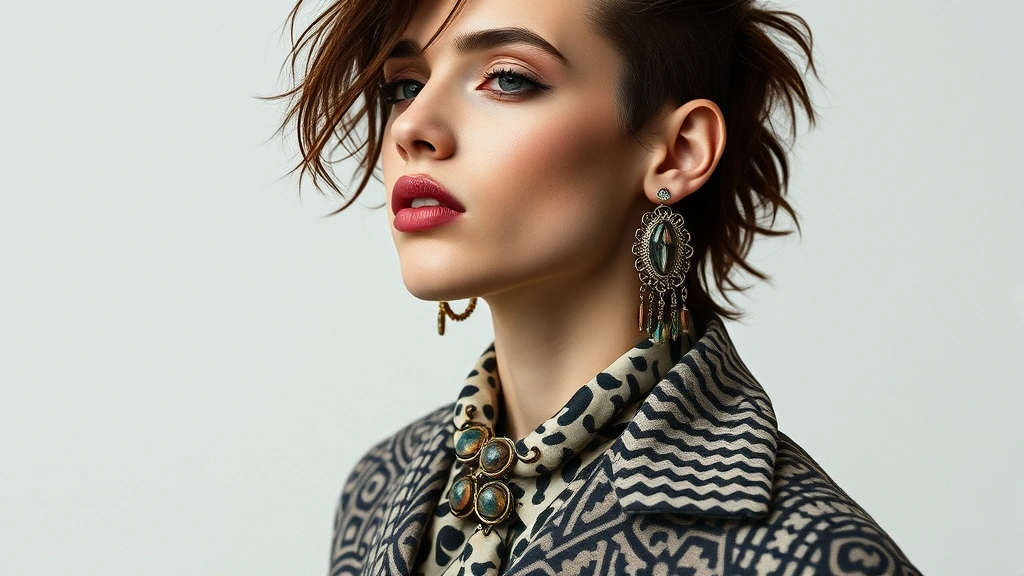
To understand how these gender-fluid approaches emerged, examining fashion history reveals that 2010 represented an important inflection point where fashion began consciously challenging binary approaches to style and identity.
FAQ
What were the most iconic 2010 fashion pieces?
Peplum tops, oversized blazers, high-waisted shorts, maxi skirts, and structured bags dominated 2010 fashion. Neon accessories and statement sunglasses also became cultural touchstones. These pieces remain recognizable and occasionally resurface as nostalgic trends in contemporary fashion.
How did social media influence 2010 fashion trends?
Fashion blogs and emerging social platforms accelerated trend cycles during 2010. Unlike previous eras where trends developed over seasons, 2010 saw trends emerge, peak, and sometimes decline within weeks. This acceleration meant that fashion became more democratic, with online influencers gaining power previously reserved for traditional fashion magazines.
Were 2010 fashion trends inclusive and diverse?
2010 represented progress in fashion inclusivity, though significant gaps remained. The rise of plus-size fashion blogging and alternative style communities during this year created spaces for underrepresented bodies and aesthetics. However, mainstream fashion still primarily featured narrow body types and limited diversity in other areas.
How can modern consumers incorporate 2010 fashion elements today?
Contemporary fashion regularly draws from 2010 aesthetics. Statement accessories, bold colors, and architectural silhouettes remain relevant. The key to incorporating 2010-inspired pieces is balancing nostalgia with current sensibilities—perhaps a peplum top styled with modern minimalist pieces rather than full 2010-era recreation.
What was the relationship between 2010 fashion and previous decades?
2010 fashion synthesized influences from multiple eras—1950s silhouettes, 1970s bohemian aesthetics, 1980s boldness, and 1990s grunge elements all appeared in contemporary reinterpretation. This eclectic approach reflected fashion’s increasing comfort with historical reference and remix.
Did sustainability play a significant role in 2010 fashion?
Sustainability existed on fashion’s periphery in 2010, with pioneering designers and conscious consumers driving conversations. It wasn’t yet mainstream, but the seeds of the sustainable fashion movement were clearly planted during this year, setting the stage for the decade’s growing environmental consciousness.