How to Dress 1920s Style? Expert Insights for Modern Men
The 1920s represents one of the most transformative decades in men’s fashion history. Often called the Jazz Age, this era revolutionized menswear with bold silhouettes, luxurious fabrics, and a newfound sense of personal expression that broke free from Victorian constraints. Whether you’re attending a themed event, exploring vintage aesthetics, or simply fascinated by this golden era of style, understanding 1920s guy fashion requires knowledge of the key pieces, color palettes, and styling techniques that defined the decade.
This comprehensive guide draws on expert insights from fashion historians and style professionals to help you authentically recreate 1920s menswear. From the iconic three-piece suit to accessories that completed the look, we’ll explore every element that made this era so distinctive. The beauty of 1920s fashion lies in its sophistication and accessibility—you don’t need expensive pieces to capture the essence of this timeless style.
Understanding the context of 1920s fashion is crucial. Post-World War I, men’s fashion loosened considerably. The rigid formality of earlier decades gave way to more relaxed fits, brighter colors, and pattern mixing that would have been considered scandalous just years before. This shift reflected broader cultural changes, including economic prosperity, technological advancement, and changing social attitudes toward individuality and self-expression.
Essential 1920s Suit Styles
The suit was the foundation of 1920s guy fashion, and understanding its specific characteristics is essential for authentic styling. The 1920s suit differed significantly from both its Victorian predecessors and modern cuts. The jacket featured a straighter silhouette compared to the heavily padded shoulders of earlier decades, with a natural shoulder line that allowed for greater freedom of movement. This was a revolutionary change that reflected the era’s emphasis on practicality and comfort.
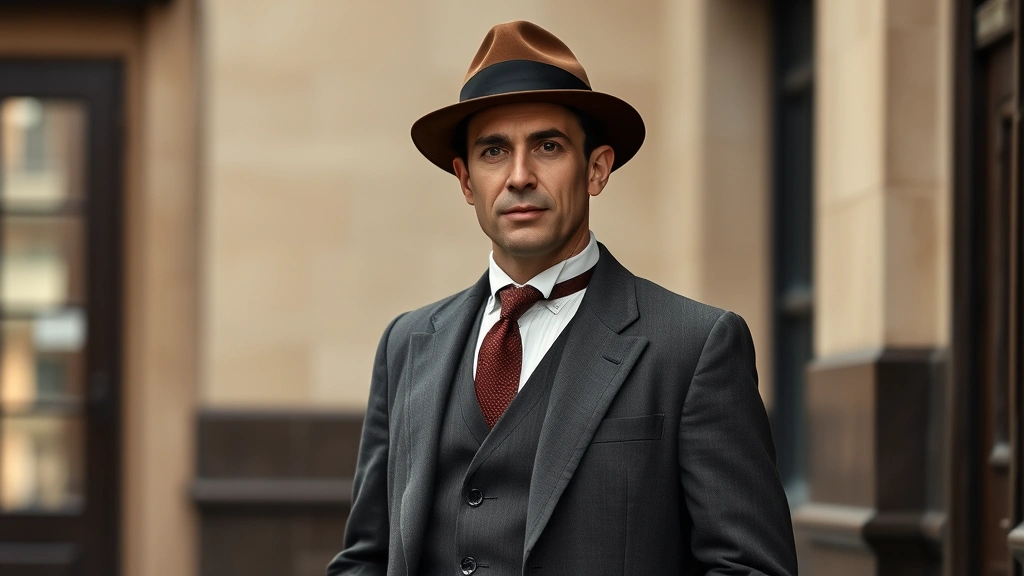
The three-piece suit—jacket, waistcoat, and trousers—was the standard uniform for any respectable gentleman. The jacket typically had a single-breasted or double-breasted front, with the double-breasted style becoming increasingly popular as the decade progressed. Lapels were notched or peaked, and the jacket length reached approximately mid-thigh, slightly longer than contemporary standards. According to Vogue’s fashion archives, the 1920s represented a pivotal moment when men’s fashion began embracing variety in silhouette.
The waistcoat, or vest, was never optional in 1920s menswear. This piece served both functional and aesthetic purposes, as it covered the braces (suspenders) and added visual interest to the ensemble. Waistcoats featured distinctive patterns, including checks, stripes, and bold geometric designs that would become signature elements of the decade. The contrast between a neutral suit jacket and a patterned waistcoat created the visual dynamism that characterized 1920s style.
Trousers in the 1920s had a notably different cut from modern pants. They featured a higher rise, sitting at or above the natural waistline, and maintained a straight leg with minimal tapering. The break—the way the trouser hem met the shoe—was minimal or nonexistent, creating a clean line from hip to ankle. Many 1920s trousers included turn-ups (cuffs), which served as both a practical feature and a style statement. When exploring the complete fashion history timeline, you’ll see how dramatically menswear evolved during this decade.
The plus-fours suit deserves special mention as a distinctly 1920s innovation. These baggy knickerbockers, which hung four inches below the knee, became fashionable for golf and casual wear. The plus-fours represented a radical departure from formal menswear and symbolized the decade’s growing acceptance of sportswear as legitimate fashion. This casual silhouette required careful styling to maintain sophistication, typically paired with argyle socks, leather shoes, and a matching sweater or blazer.
Shirts and Neckwear
The foundation of any 1920s outfit was the dress shirt, and the options available during this era were more diverse than many realize. High collars gradually gave way to lower, spread collars as the decade progressed. The stiff, detachable collar—a holdover from Victorian times—remained common but increasingly competed with attached collars as comfort became a priority. Dress shirts in the 1920s typically featured a more generous cut through the body than modern shirts, with fuller sleeves that tapered at the wrist.
Color variety in 1920s shirts was remarkable. While white remained the formal standard, pink, light blue, cream, and even pale yellow were acceptable and fashionable choices. Striped shirts, featuring vertical or horizontal patterns, became increasingly popular throughout the decade. The quality of fabric was paramount—fine cotton, silk blends, and pure silk were preferred materials that demonstrated both taste and financial status. Many 1920s dress shirts featured decorative details like pin tucks or pleating down the front.
Neckwear in the 1920s was an opportunity for significant self-expression and pattern mixing. The traditional necktie evolved considerably during this period, becoming wider and featuring bolder patterns. Silk ties with geometric designs, paisleys, and bold stripes were standard. The tie knot was typically the simple four-in-hand, worn with the narrow end hidden behind the wide end. The tie length reached approximately to the belt buckle, slightly shorter than modern conventions.
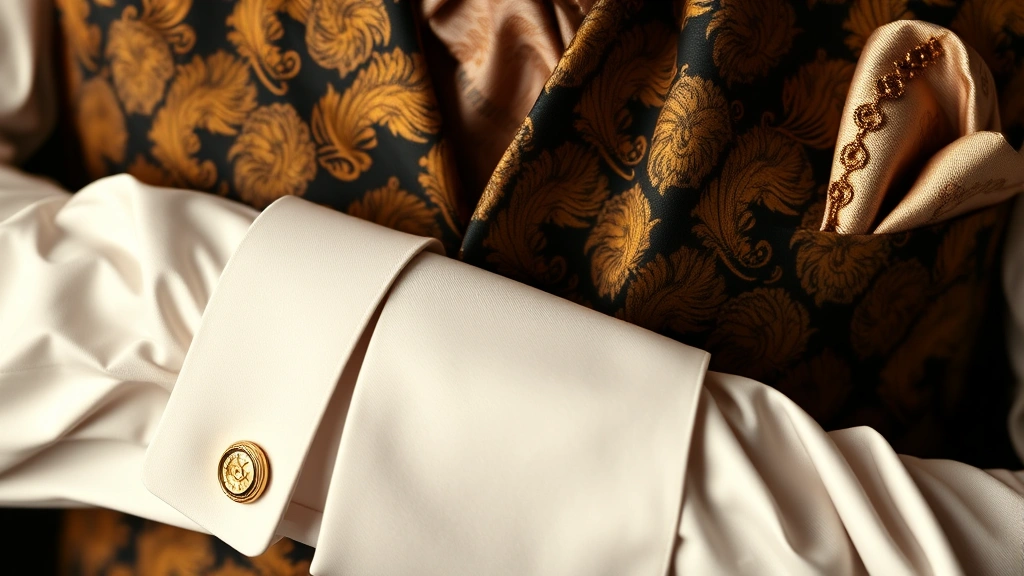
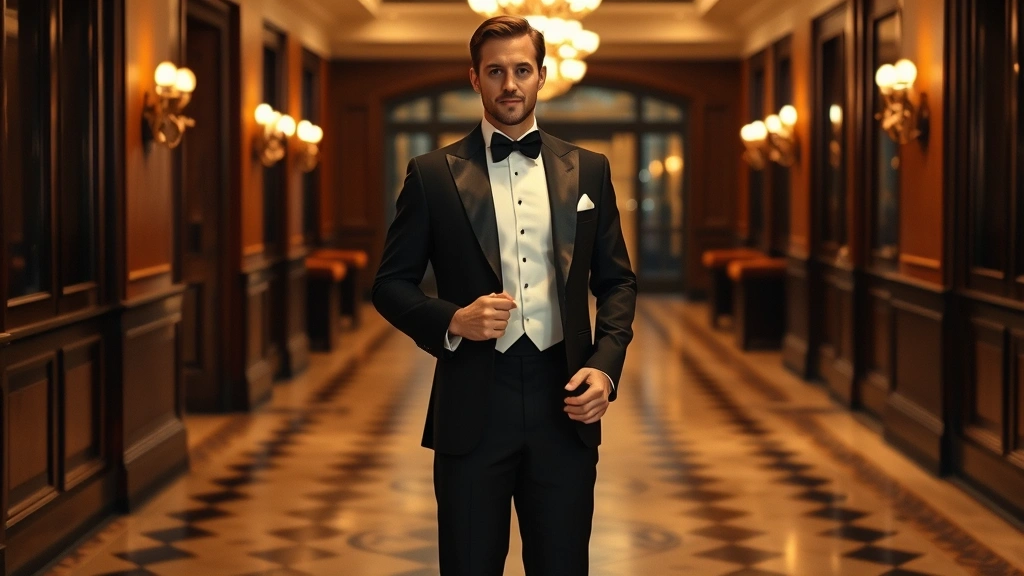
Beyond ties, the bow tie remained popular, particularly for formal occasions and evening wear. The bow tie of the 1920s tended to be larger and more dramatically tied than contemporary styles. Ascots and cravats, while less common than ties, were still worn by fashion-forward men seeking a more distinctive look. The silk pocket square, tucked casually into the jacket breast pocket, was an essential finishing touch that allowed for additional pattern coordination and personal flair.
The soft collar represented one of the decade’s most significant shifts in menswear. As the 1920s progressed, the formal detachable collar lost ground to more comfortable attached versions. This change reflected broader cultural shifts toward practicality and comfort, even in formal dress. Men who embraced the soft collar were considered modern and progressive, aligned with the spirit of the Jazz Age. Understanding this evolution helps when finding your personal style within a historical framework.
Footwear and Accessories
Shoes in the 1920s were as carefully considered as any other element of the outfit. The most common styles included the oxford, a lace-up shoe with a closed lacing system, and the derby, which featured an open lacing system. Both styles were available in leather, typically in black, brown, or tan. Two-tone shoes, called spectator shoes, became fashionable during the 1920s, featuring contrasting leather colors. These shoes, often combining black with white or tan with white, added visual interest to an outfit while maintaining formality.
Patent leather shoes were popular for evening wear and formal occasions, offering a lustrous finish that complemented tuxedos and evening suits. The quality of craftsmanship was evident in the welted construction and fine detailing typical of 1920s footwear. Spats—fabric coverings that extended from the shoe to mid-calf—were worn with formal daytime wear, adding an elegant finishing touch while protecting the lower trouser leg.
Accessories were crucial to completing a 1920s look, and each item served both functional and aesthetic purposes. The pocket watch, worn on a chain across the waistcoat, was an essential accessory that demonstrated sophistication and attention to detail. The watch chain could be simple or ornate, with various styles including the three-point chain, the single chain, and the elaborate albert chain.
Hats were non-negotiable in 1920s menswear. The fedora, with its creased crown and wide brim, became the iconic hat of the decade. The trilby, a shorter-brimmed variation, offered a slightly more casual alternative. The homburg, with its curled brim and grooved crown, was preferred for formal daytime wear. Every respectable man owned multiple hats, selecting the appropriate style for each occasion. Hat styling—the angle of the brim, the tilt on the head—communicated both social status and individual personality.
The homburg deserves particular attention as it represented the height of formality in 1920s menswear. Typically crafted from beaver fur or rabbit hair, the homburg featured a distinctive grooved crown and a rolled brim. This hat was worn for formal daytime occasions, business meetings, and important social events. The fedora, by contrast, offered greater versatility and became the everyday choice for the style-conscious man.
Additional accessories included gloves, typically made from kid leather or suede, which were worn as a matter of course when leaving the house. Cufflinks and studs were essential for formal wear, often crafted from precious metals and gemstones. The boutonnière—a single flower worn in the lapel—added a final touch of elegance and was particularly common for evening events and special occasions. Scarves and mufflers provided both warmth and style during colder months, with silk scarves adding a touch of luxury.
Fabrics and Colors
The fabric choices available in the 1920s established the quality and character of an outfit. Wool was the primary suiting fabric, with high-quality broadcloth, tweed, and flannel being preferred materials. Wool offered durability, natural insulation, and a refined appearance that established it as the standard for men’s tailoring. The weight of the wool varied seasonally, with heavier fabrics for winter and lighter weights for summer wear.
Silk played an important role in 1920s menswear, particularly in shirts, ties, and linings. Pure silk ties offered a lustrous finish and drape that cotton could not match. Silk shirts, while expensive and reserved for affluent men, represented the pinnacle of luxury and sophistication. The natural sheen of silk complemented the era’s emphasis on subtle elegance and refinement.
The color palette of 1920s menswear was surprisingly diverse and progressive. While black, navy, and gray remained staples for formal wear, the 1920s saw acceptance of richer colors. Deep browns, burgundies, and even subtle greens appeared in suiting fabrics. The patterns included herringbone weaves, subtle checks, and fine stripes that added visual interest without overwhelming the silhouette. The lighter tones—cream, tan, and light gray—were popular for summer suits and daytime wear.
Pattern mixing, which would seem bold by modern standards, was actually standard practice in 1920s menswear. A striped shirt paired with a checked waistcoat and patterned tie was not only acceptable but expected. This approach to coordination required confidence and understanding of color theory, but it created the dynamic, visually interesting looks that characterized the decade. The key to successful pattern mixing lay in ensuring that patterns shared a common color palette and that the scale of patterns varied.
Seasonal color variations were important considerations. Summer suits featured lighter fabrics and colors—cream, pale gray, and tan—while winter suits embraced darker, heavier materials. Linen suits, while less common than wool, offered a sophisticated option for warm weather wear. The quality of fabric was always apparent; a well-dressed 1920s man invested in superior materials that would maintain their appearance and comfort through repeated wear.
Hair and Grooming
The grooming standards of the 1920s were exacting and represented a significant departure from Victorian ideals. The slicked-back look, achieved with pomade or hair oil, became the iconic 1920s hairstyle. This style required daily attention and maintenance, typically accomplished with a combination of hair products and careful combing. The hair was parted either down the center or slightly to one side, with the sides slicked back and the top left slightly fuller for volume.
Barbershops were important social institutions in the 1920s, and a quality haircut was considered essential to maintaining respectability. The typical men’s haircut featured short sides and back with slightly longer hair on top, allowing for the slicked-back styling. Regular trims—typically every two to three weeks—were necessary to maintain the proper shape and proportion.
Facial hair grooming standards shifted significantly during the 1920s. The full beards and mustaches that had been common in earlier decades gradually disappeared, replaced by clean-shaven faces. This change reflected both hygiene consciousness and modern aesthetics. A clean shave was considered non-negotiable for any man concerned with his appearance. Quality shaving soaps, aftershaves, and grooming products became increasingly available and were used regularly.
The eyebrows were kept relatively natural but well-groomed, with stray hairs removed to maintain a neat appearance. Nails were kept clean and trimmed short, with attention paid to the cuticles. The overall grooming philosophy of the 1920s emphasized cleanliness, neatness, and a polished appearance that demonstrated self-respect and social awareness. According to fashion historians at the Fashion Institute of Technology, the 1920s marked a turning point in male grooming standards toward modernization.
Cologne and aftershave were popular grooming products, with men selecting scents that complemented their overall presentation. The use of grooming products was not considered vain but rather a necessary part of maintaining proper appearance. Quality grooming items were often given as gifts and represented an investment in one’s personal presentation.
Styling Tips for Different Occasions
Formal evening wear in the 1920s followed strict conventions that differed from daytime formal dress. The dinner jacket, or tuxedo, featured a single-breasted front with peaked lapels faced in silk. The jacket was typically black, though navy was occasionally seen, and featured silk-covered buttons. The waistcoat was either black or white, depending on the formality level and personal preference. White tie was reserved for the most formal occasions, while black tie was standard for evening events and formal dinners.
Daytime formal wear, appropriate for business, important social events, and formal daytime occasions, included the morning coat paired with striped trousers and a waistcoat. The morning coat, with its distinctive tails, represented the height of daytime formality. This ensemble was completed with a top hat, spats, and formal shoes. The ascot tie, rather than a necktie, was the appropriate neckwear for morning dress.
Business and professional wear in the 1920s typically consisted of a well-tailored suit in neutral colors, paired with a quality dress shirt and tie. The three-piece suit remained the standard, with the waistcoat adding both functionality and visual interest. A quality overcoat, typically in black, navy, or gray, completed the professional look. The fedora or homburg was worn for any business meeting or professional outing.
Casual daytime wear, while more relaxed than formal dress, still maintained standards of neatness and propriety. The blazer and slacks combination was appropriate for casual occasions, or a less formal suit in lighter fabrics and colors. The plus-fours suit, mentioned earlier, was appropriate for golf, country outings, and other sporting activities. Sweaters, while less formal than jackets, could be worn for casual occasions, typically paired with dress trousers and a collared shirt.
Evening social events required careful consideration of dress codes. A lounge suit—a less formal variation of the business suit—was appropriate for many evening social occasions. The fabric and color could be slightly more adventurous than business wear, with patterns and lighter colors acceptable. The key was ensuring that the suit was well-tailored, the shirt was clean and properly fitted, and the accessories were carefully selected.
Modern Interpretation
Creating a 1920s-inspired look in contemporary times requires balancing historical accuracy with modern sensibilities and available options. The fundamental principles of 1920s menswear—quality tailoring, attention to detail, and careful accessorizing—remain relevant and can be adapted to modern wardrobes. Many contemporary menswear brands now offer suits with 1920s-inspired cuts, making it easier to achieve an authentic look without extensive searching.
The key to modern 1920s styling lies in selecting pieces that capture the essence of the era without appearing costumish. A well-tailored suit with a higher rise, straighter leg, and natural shoulder line creates the silhouette of the 1920s while remaining wearable in contemporary settings. Pairing this with a quality dress shirt in a subtle color or stripe, along with a patterned silk tie, establishes the foundation of a 1920s-inspired outfit.
Accessories become even more important when adapting 1920s style for modern occasions. A quality fedora or trilby, worn with confidence, immediately evokes the era while remaining fashionable. The pocket watch, whether functional or decorative, adds an authentic touch. Cufflinks, suspenders, and other details demonstrate attention to the aesthetic without requiring a complete costume.
When exploring Style Loom Daily Blog, you’ll find numerous contemporary examples of how modern men successfully incorporate 1920s elements into their personal style. The approach involves selecting one or two signature pieces—perhaps a suit in a 1920s cut or a collection of vintage ties—and building around them with contemporary basics.
For themed events, costume parties, or special occasions, a more complete 1920s ensemble is appropriate. Complete the look with period-appropriate shoes, spats, and a hat for an authentic appearance. The attention to detail—ensuring that every element, from socks to boutonnière, reflects the era—creates a cohesive and impressive look.
Building a 1920s-inspired wardrobe doesn’t require abandoning contemporary fashion sense. Instead, it involves understanding the principles of the era and applying them thoughtfully. Quality fabrics, proper tailoring, attention to proportion, and careful accessorizing are timeless principles that work in any era. By focusing on these fundamentals rather than literal recreation, you can develop a personal style that honors the 1920s while remaining relevant to modern life.
The versatility of 1920s style is one of its greatest strengths. From the casual elegance of the plus-fours suit to the formal sophistication of black tie, the era offered options for every occasion and personality. This range means that men with different style preferences can find elements of 1920s fashion that resonate with their personal aesthetic. Some may embrace the bold pattern mixing and adventurous colors, while others prefer the understated elegance of neutral tones and subtle details.
Understanding how styling principles apply across different eras helps in adapting historical fashion to modern contexts. The same attention to proportion, color coordination, and quality that makes a 1920s outfit work applies to contemporary styling. This timeless approach to dressing well transcends any particular decade or trend.
FAQ
What was the most iconic piece of 1920s guy fashion?
The three-piece suit was undoubtedly the most iconic element of 1920s menswear. This ensemble—consisting of a jacket, waistcoat, and trousers—represented the standard uniform for respectable men and appeared in virtually every social context. The distinctive features of the 1920s three-piece suit, including the straighter silhouette, patterned waistcoat, and high-rise trousers, made it instantly recognizable and remain the foundation of formal menswear today.
Can I wear 1920s style in modern times?
Absolutely. While a complete 1920s costume may not be appropriate for everyday modern life, incorporating 1920s-inspired elements into contemporary fashion is entirely feasible and increasingly popular. A well-tailored suit with period-appropriate proportions, paired with quality accessories and attention to detail, creates a sophisticated look that works in modern professional and social contexts. The key is selecting pieces that capture the essence of the era while remaining wearable in contemporary settings.
Where can I find 1920s-style clothing today?
Several options exist for acquiring 1920s-style clothing. Vintage and antique clothing shops often carry authentic pieces from the era, though sizing and condition vary. Contemporary menswear brands increasingly offer suits and accessories inspired by 1920s design. Online retailers specializing in vintage reproduction clothing provide new pieces made to historical specifications. Custom tailors can create suits with 1920s-appropriate cuts and proportions, ensuring proper fit and quality.
What are essential accessories for 1920s style?
Essential accessories for authentic 1920s styling include a quality hat (fedora, trilby, or homburg), a pocket watch or watch chain, quality shoes (oxfords or spectator shoes), a silk tie or bow tie, cufflinks, and a pocket square. Spats, gloves, and a boutonnière complete the formal look. These accessories were not optional in the 1920s but rather integral to a properly completed outfit.
How did 1920s menswear differ from other eras?
The 1920s represented a significant departure from Victorian and Edwardian formality while maintaining greater structure than later eras. The silhouette was straighter and more relaxed than previous decades, with less padding and ornamentation. Pattern mixing was more adventurous, color choices were broader, and comfort began to compete with formality as a design consideration. The decade also saw the rise of casual sportswear, including plus-fours and blazers, which challenged the dominance of formal tailoring. These changes reflected broader cultural shifts toward modernity and individual expression.
Is it appropriate to wear 1920s style to formal events?
For black-tie and white-tie formal events, strict dress codes typically require modern formal wear rather than historical styling. However, 1920s-inspired elements can be incorporated subtly—a period-appropriate tie or pocket square, for instance. For less formal events, themed parties, or vintage-inspired occasions, a more complete 1920s ensemble is entirely appropriate and often appreciated. Always consider the specific dress code and context of the event when deciding how extensively to incorporate historical styling.