Is Twee Fashion Back? Fashion Experts Weigh In
The delicate, whimsical aesthetic of twee fashion—characterized by dainty details, pastel colors, vintage-inspired silhouettes, and an almost storybook quality—has long been dismissed as a niche trend confined to indie films and craft enthusiasts. Yet in recent seasons, fashion insiders are witnessing a remarkable resurgence of twee elements on runways, in street style, and across social media platforms. This isn’t a simple reboot of early 2000s quirk; instead, it’s a more sophisticated, intentional embrace of sweetness and nostalgia that speaks to contemporary desires for authenticity, sustainability, and emotional expression in fashion.
As we navigate an increasingly digital and often overwhelming world, the gentle rebellion of twee fashion offers something genuinely countercultural: an antidote to minimalism’s cold efficiency and fast fashion’s disposability. From luxury fashion houses to emerging designers, the question isn’t whether twee is back—it’s how this charming aesthetic has evolved and what it means for the future of style. Let’s explore what fashion experts are saying about this captivating trend.
What Exactly Is Twee Fashion?
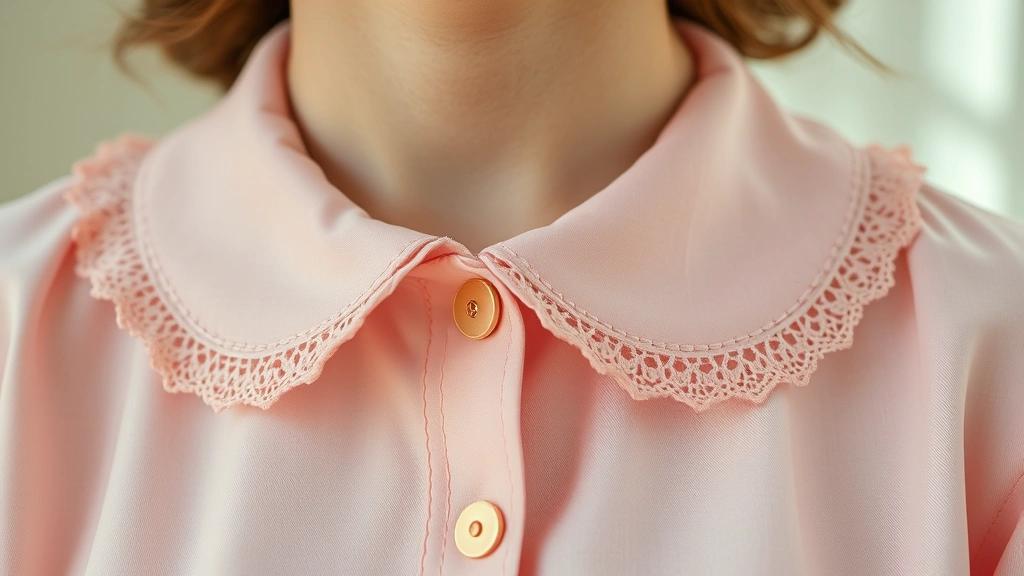
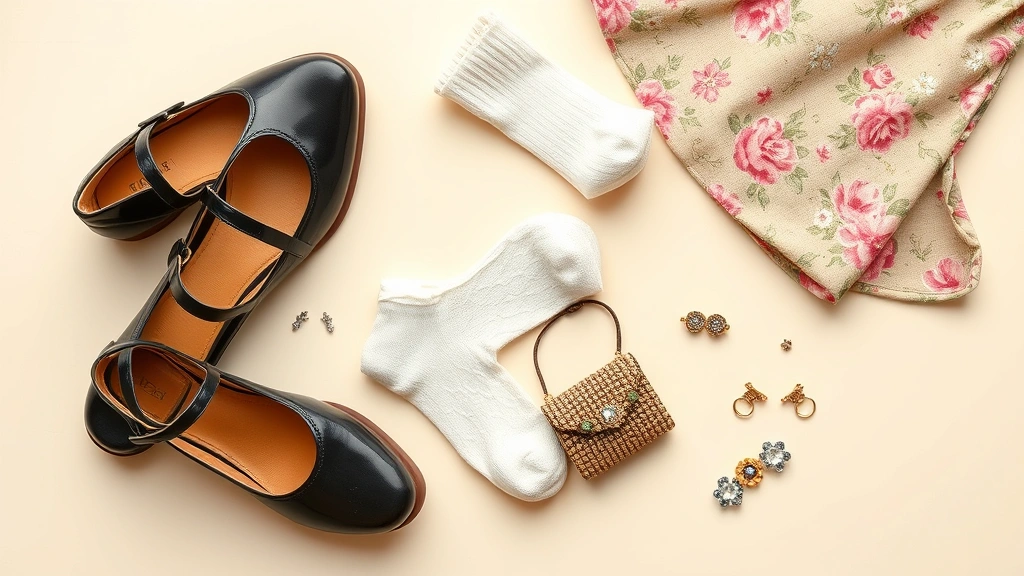
Twee fashion is an aesthetic rooted in deliberate cuteness, vintage references, and nostalgic charm. The term “twee,” derived from the Scottish word for “small” or “tiny,” perfectly encapsulates the delicate, precious quality that defines this style. Think Peter Pan collars, heart-shaped details, Mary Jane shoes, puffed sleeves, floral prints, lace trims, and a color palette dominated by soft pastels—baby pink, mint green, powder blue, and cream.
But twee fashion transcends mere visual elements; it’s a philosophy about embracing sentiment, playfulness, and individuality in an era that often feels cynical. It celebrates handmade qualities, vintage finds, and pieces that tell stories. When you explore the complete fashion history timeline, you’ll notice that twee sensibilities have always existed as a counterpoint to dominant trends, representing a form of gentle resistance.
The aesthetic draws inspiration from multiple sources: Victorian children’s clothing, 1950s femininity, indie rock culture of the 1990s, and contemporary cottagecore aesthetics. Unlike other fashion movements, twee doesn’t aspire to shock or provoke; instead, it aims to charm, comfort, and create a sense of wonder about the everyday.
The Historical Context and Evolution
To understand the current twee resurgence, we must trace its historical trajectory. The aesthetic gained significant visibility during the 1980s and 1990s indie pop movement, where bands like The Smiths and Belle and Sebastian embodied a twee sensibility that rejected mainstream materialism. During this period, twee fashion became synonymous with thrift store finds, DIY aesthetics, and a deliberately anti-fashion stance that paradoxically became deeply fashionable.
The early 2000s saw twee reach mainstream awareness through films like “Juno” and “Napoleon Dynamite,” which featured characters wearing vintage dresses, cardigans, and quirky accessories. This period cemented twee as a recognizable aesthetic, though critics often dismissed it as precious or overly nostalgic. For years, the fashion establishment largely ignored twee, considering it too niche, too sweet, too inherently uncool for serious style consideration.
However, fashion operates in cycles, and what was once dismissed eventually becomes revered. The rise of cottagecore, the popularity of vintage fashion, and a broader cultural shift toward emotional authenticity have created the perfect conditions for twee’s renaissance. Today’s twee fashion is more refined than its indie predecessor—it’s appearing in high-fashion contexts, worn with confidence, and appreciated for its artistic merit.
Why Twee Is Resonating Now
Fashion experts attribute the current twee resurgence to several interconnected cultural and social factors. First, there’s a widespread fatigue with minimalism and the “quiet luxury” movement that has dominated the past decade. While those aesthetics have merit, they can feel emotionally cold and exclusionary. Twee fashion, by contrast, is inherently democratic and accessible—it celebrates finding beauty in small, affordable moments.
Second, the COVID-19 pandemic fundamentally shifted how people relate to fashion and self-expression. With more time at home, individuals invested in personal spaces and wardrobes that brought genuine joy rather than simply projecting status. Twee fashion’s emphasis on comfort, nostalgia, and emotional resonance aligned perfectly with this introspective period. The pandemic also accelerated interest in vintage and secondhand fashion, core components of the twee aesthetic.
Third, there’s a growing backlash against the unsustainable practices of fast fashion and a corresponding desire for meaningful, intentional consumption. Twee fashion, with its emphasis on vintage pieces, handmade items, and timeless quality, naturally aligns with sustainability values. When you find your personal style, many discover that thoughtfully curated vintage and artisanal pieces create more authentic expression than trend-chasing.
Additionally, social media platforms like TikTok and Pinterest have democratized fashion discourse, allowing niche aesthetics to flourish without gatekeeping from traditional fashion authorities. Gen Z and younger millennials, who grew up with access to fashion history through digital means, feel empowered to mix styles freely and celebrate aesthetics that previous generations might have hidden.
Key Pieces and Styling Elements
Understanding the essential components of twee fashion helps in recognizing and incorporating the aesthetic. The foundational pieces include:
- Peter Pan Collars: These rounded, pointed collars are quintessentially twee and can appear on blouses, dresses, and even sweaters. They instantly evoke vintage charm and childhood innocence.
- Puffed Sleeves: Whether subtle or exaggerated, puffed sleeves add dimension and playfulness to any garment. They’re particularly effective on blouses worn under slip dresses or jumpers.
- Mary Jane Shoes: This shoe style, featuring a strap across the instep and a rounded toe, is practically synonymous with twee fashion. Available in patent leather, suede, or velvet, they work with virtually any twee outfit.
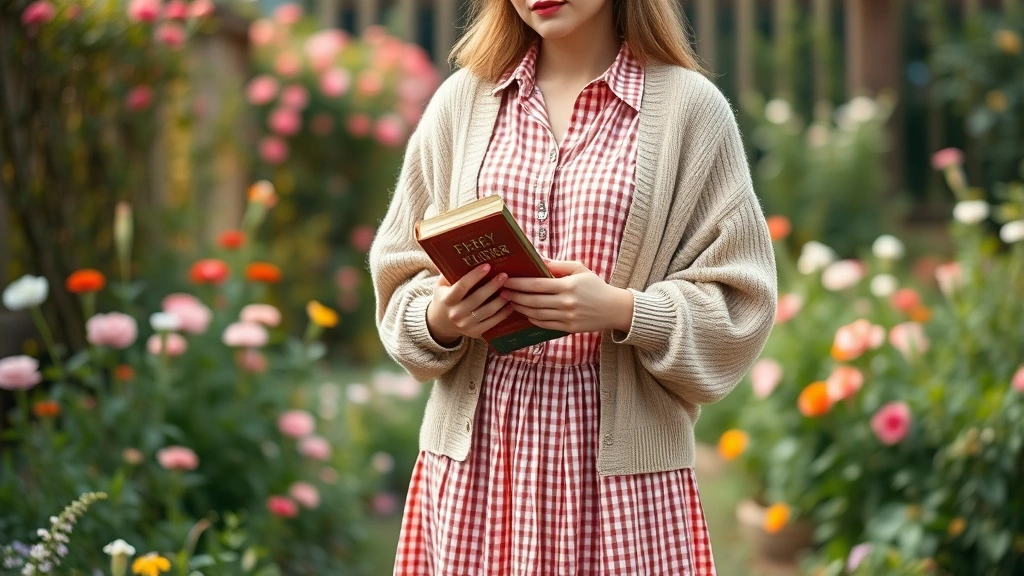
- Cardigans and Sweater Vests: These layering pieces are essential for creating the twee silhouette. Oversized, fitted, cropped, or vintage—cardigans offer endless styling possibilities.
- Floral and Gingham Prints: Small-scale florals, gingham checks, and delicate patterns are twee staples. These prints feel feminine without being overly sexualized.
- Lace and Ruffles: Delicate lace trims, ruffled hems, and tiered skirts add texture and whimsy to garments.
- Pastel Color Palette: Soft pinks, mint greens, lavenders, powder blues, and creams dominate twee fashion. These colors feel soothing and nostalgic.
- Vintage Brooches and Hair Accessories: Small, intricate jewelry pieces and hair clips add precious details that complete the aesthetic.
The magic of twee styling lies in intentionality and restraint. Rather than wearing every twee element simultaneously, the most sophisticated approach involves strategic layering and mixing twee pieces with more neutral, contemporary items. This creates visual interest while preventing the outfit from feeling costume-like.
Designer Perspectives and Runway Moments
The validation of twee fashion has come decisively from the luxury fashion world. Major fashion houses have incorporated twee elements into their collections, signaling the aesthetic’s legitimacy. Simone Rocha, an Irish designer known for her romantic sensibilities, has consistently championed feminine, delicate details that align with twee sensibilities. Her work demonstrates how twee can be elevated to high fashion without losing its essential charm.
Similarly, brands like Lirika Matoshi, known for whimsical accessories and embellished details, have built entire collections around twee aesthetics. The designer’s intricate beaded bags shaped like cherries, strawberries, and flowers exemplify how twee can be playful yet sophisticated. According to Vogue, these accessories have become status symbols among fashion-forward individuals who appreciate artisanal craftsmanship and distinctive style.
Runway presentations at major fashion weeks have increasingly featured twee-adjacent collections. Designers are experimenting with romantic silhouettes, vintage references, and nostalgic color palettes in ways that feel fresh and contemporary rather than purely retro. This signals a broader shift in what fashion institutions consider worthy of celebration and investment.
Fashion commentators and trend forecasters have noted that the return of twee represents a rebellion against algorithmic fashion recommendations and influencer homogeneity. In a digital landscape where many people dress identically because they follow the same trend cycles, twee fashion offers a way to stand out through individualistic, historically-informed choices.
How to Incorporate Twee Into Modern Wardrobes
For those interested in exploring twee fashion, the key is approaching the aesthetic thoughtfully rather than adopting it wholesale. Start by identifying which elements resonate with your personal taste and lifestyle. Not everyone needs to wear full twee outfits; instead, consider strategic incorporation.
Begin with accessories. A vintage brooch, delicate hair clip, or Mary Jane shoes can introduce twee sensibilities without overwhelming your existing wardrobe. These pieces work particularly well when mixed with contemporary basics like jeans, neutral sweaters, or modern silhouettes. This approach allows you to test the aesthetic while developing confidence in styling.
Next, explore layering. A puffed-sleeve blouse worn under a slip dress, paired with a fitted cardigan and Mary Janes, creates an unmistakably twee look that feels intentional and curated. The key is ensuring proportions work—if you’re wearing a voluminous top, balance it with fitted bottoms, and vice versa.
Consider shopping vintage and secondhand. Thrift stores, online vintage retailers, and consignment shops offer authentic twee pieces at fraction of retail prices. This approach aligns with the aesthetic’s sustainability values and often yields unique, conversation-starting pieces. When you start a fashion blog, documenting your vintage finds and styling experiments can help you develop a distinctive voice.
Develop a color palette that speaks to you. You don’t need to wear every pastel simultaneously. Perhaps you gravitate toward soft pinks and creams, or prefer lavender and mint combinations. Limiting your palette creates cohesion and makes mixing pieces easier.
Finally, balance twee elements with contemporary pieces. Pairing a vintage floral dress with modern sneakers, a leather jacket, or minimalist jewelry creates visual tension that feels current. This approach prevents the aesthetic from feeling costume-like or dated.
The Sustainability Angle
One of the most compelling arguments for twee fashion’s resurgence involves its inherent sustainability. Unlike fast fashion, which prioritizes rapid production and disposal, twee fashion celebrates longevity, vintage finds, and timeless quality. This philosophical alignment with contemporary environmental consciousness has attracted a new generation of style-conscious consumers.
Vintage and secondhand shopping, core to the twee aesthetic, dramatically reduces fashion’s environmental footprint. By wearing pieces that already exist rather than demanding new production, twee enthusiasts actively participate in circular fashion. This practice contradicts the disposability ethos of contemporary fast fashion and offers a tangible way to reduce personal consumption impact.
Additionally, many contemporary designers embracing twee sensibilities prioritize ethical production, natural materials, and small-batch manufacturing. These practices command higher price points but ensure fair wages, quality craftsmanship, and reduced environmental harm. The investment in fewer, better pieces aligns with both twee philosophy and sustainable fashion principles.
Handmade and artisanal pieces, central to twee aesthetics, often involve traditional techniques and local production. Supporting independent makers and small businesses creates economic value beyond the individual garment. This model fundamentally differs from fast fashion’s extractive practices.
Celebrity and Influencer Influence
Celebrity adoption has significantly accelerated twee fashion’s mainstream acceptance. A-list actors and musicians who previously might have hidden twee inclinations now proudly wear the aesthetic. This visibility has normalized twee as a legitimate style choice rather than a niche eccentricity reserved for certain subcultures.
Influencers specializing in vintage fashion, sustainable style, and niche aesthetics have built substantial audiences around twee-adjacent content. Their styling tutorials, thrift hauls, and outfit documentation make the aesthetic accessible and aspirational to millions of followers. Platforms like TikTok and Instagram have transformed how trends spread, allowing aesthetics like twee to gain traction without traditional fashion media gatekeeping.
The democratization of fashion discourse means that fashion experts now include not just designers and critics but content creators who have demonstrated sophisticated understanding of style, history, and personal expression. Many of these influencers have become more influential than traditional fashion journalists in shaping what people actually wear.
Interestingly, the most compelling contemporary twee styling often comes from individuals mixing the aesthetic with their own cultural backgrounds, body types, and personal preferences. This creates diverse representations of twee fashion rather than a singular, homogeneous version. A Black woman styling twee fashion differently than a white woman, or a plus-size individual adapting silhouettes for their body—these variations enrich the aesthetic and demonstrate its adaptability.
The Psychology Behind Twee’s Appeal
Beyond aesthetic considerations, fashion psychologists point to deeper emotional reasons for twee’s resurgence. The aesthetic offers psychological comfort through its associations with childhood, safety, and innocence. In an increasingly complex, anxiety-inducing world, wearing clothes that evoke gentleness and wonder provides subtle emotional regulation.
Twee fashion also represents a form of self-expression that rejects dominant power structures in fashion. By deliberately choosing sweetness over sexiness, vulnerability over strength, and sentiment over status, individuals make a statement about what they value. This quiet rebellion appeals to those seeking authenticity in an increasingly curated, filtered digital landscape.
Furthermore, the tactile, sensory qualities of twee fashion—soft fabrics, delicate details, pleasant textures—contribute to its appeal. In a world increasingly mediated through screens, the physical pleasure of wearing beautiful, carefully-made clothes provides grounding and presence.
The emphasis on handmade and vintage pieces also satisfies a deep human desire for connection to history and authenticity. Wearing a vintage dress connects the wearer to the garment’s past, creating a sense of continuity and meaning that mass-produced items cannot provide. This narrative quality appeals to individuals seeking more intentional, meaningful relationships with their possessions.
Challenges and Criticisms
Despite its resurgence, twee fashion faces legitimate criticisms worth considering. Some fashion critics argue that the aesthetic can appear exclusionary, particularly regarding body types and skin tones. The emphasis on delicate, dainty silhouettes and pale color palettes may not flatter all bodies or complexions, potentially limiting who feels welcomed into the aesthetic.
Additionally, there’s a concern that twee fashion risks becoming another form of performative style, where individuals adopt the aesthetic for social media aesthetics without genuine connection to its values. This “twee-washing” undermines the aesthetic’s philosophical foundations around authenticity and intentionality.
Some fashion scholars also note that twee’s emphasis on nostalgia and innocence can sometimes veer into politically problematic territory, romanticizing a past that excluded many people and obscuring contemporary injustices. Thoughtful engagement with twee requires acknowledging this complexity rather than simply celebrating nostalgia uncritically.
Price accessibility presents another challenge. As twee fashion gains mainstream acceptance, prices have risen significantly. Vintage pieces become scarce and expensive, while contemporary designers charging premium prices for twee-inspired garments price out many people. This contradicts twee’s original democratic, accessible spirit.
The Future of Twee Fashion
Fashion forecasters suggest that twee will continue evolving rather than disappearing as a trend. The aesthetic has demonstrated staying power beyond typical trend cycles, suggesting it addresses genuine desires for meaning, beauty, and authenticity in fashion. However, the specific manifestations of twee will likely continue changing.
We can expect to see more diverse representations of twee fashion as the aesthetic becomes increasingly mainstream. Designers will likely experiment with making twee silhouettes and details work across different body types, skin tones, and gender expressions. This inclusivity will strengthen rather than dilute the aesthetic.
Technological innovations in sustainable fashion—from lab-grown materials to advanced recycling technologies—may create new ways to express twee values while maintaining quality and accessibility. As sustainability becomes non-negotiable in fashion, twee’s alignment with these values will likely strengthen its cultural position.
Additionally, the intersection of twee with other aesthetics will create new hybrid styles. Twee elements combined with maximalism, gothic sensibilities, or futuristic designs will generate fresh interpretations that keep the aesthetic contemporary and relevant. This creative evolution ensures twee remains interesting to successive generations rather than calcifying into museum-piece status.
For those seeking to develop sophisticated personal style, understanding how to incorporate elements of how to find your personal style with contemporary trends proves invaluable. Twee fashion offers a rich vocabulary for self-expression that can be adapted to individual circumstances and preferences.
The broader fashion industry has recognized that consumers increasingly seek meaning, sustainability, and emotional resonance in their clothing choices. Twee fashion, with its emphasis on these values, represents a significant shift in what people actually want to wear and why. This represents not simply a trend cycle but a fundamental evolution in fashion consciousness.