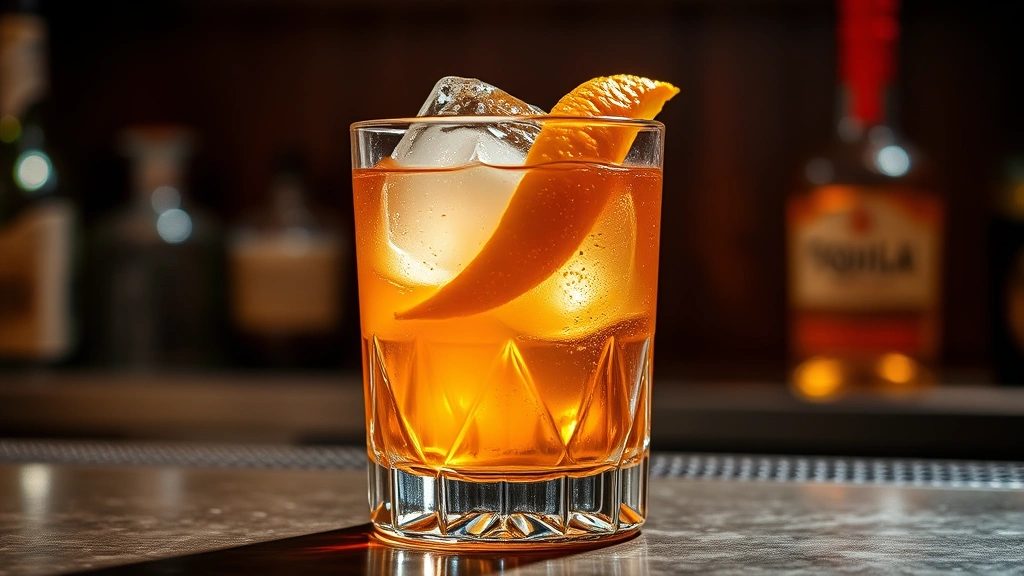
The tequila old fashioned represents a sophisticated evolution of the classic cocktail, blending the timeless appeal of the original with the vibrant character of premium tequila. This spirit-forward drink has become a staple in upscale bars and home collections alike, offering mixologists and enthusiasts a canvas for creativity and refinement. Whether you’re crafting cocktails for a dinner party or exploring craft cocktail trends, mastering the tequila old fashioned elevates your bartending repertoire and demonstrates an appreciation for balanced, nuanced flavors.
This guide explores every dimension of creating the perfect tequila old fashioned, from selecting premium spirits to understanding the techniques that transform simple ingredients into liquid artistry. Like discovering your personal style through intentional choices, crafting the ideal cocktail requires understanding the fundamentals and knowing when to embrace tradition versus innovation. The tequila old fashioned bridges both worlds, honoring cocktail heritage while embracing contemporary mixology trends.
History and Evolution of the Tequila Old Fashioned
The original old fashioned emerged in the 1880s at the Pendennis Club in Louisville, Kentucky, as bartenders sought to create a drink that honored whiskey’s pure character without unnecessary complexity. This timeless cocktail became the gold standard for spirit-forward drinks, emphasizing quality ingredients and restrained technique. The drink’s philosophy—that great spirits need minimal enhancement—remains relevant today.
The evolution toward a tequila old fashioned reflects broader mixology trends celebrating agave spirits beyond margaritas. Premium tequila production has transformed dramatically, with producers focusing on terroir, production methods, and aging processes comparable to fine whiskies. Forward-thinking bartenders recognized that tequila’s complex flavor profile—ranging from herbaceous and peppery in blancos to rich and caramel-noted in añejos—could create a distinctly different yet equally compelling version of this classic template.
This modernization mirrors how fashion history evolves through reinterpretation, where designers honor traditional silhouettes while infusing contemporary elements. The tequila old fashioned represents respectful innovation in cocktail culture, maintaining the drink’s essential structure while celebrating regional spirits and cultural heritage.
Essential Ingredients for Excellence
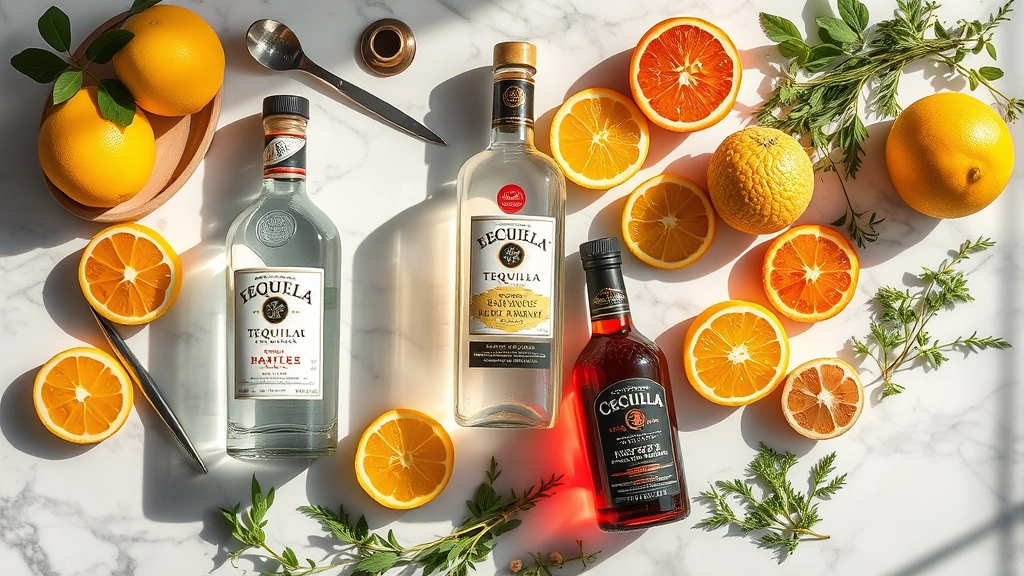
Creating an exceptional tequila old fashioned begins with ingredient selection, as each component contributes meaningfully to the final experience. The foundation rests on three core elements: premium tequila, quality bitters, and proper sweetening agents. Understanding each ingredient’s role ensures you craft a balanced, sophisticated cocktail.
Tequila Selection: The spirit choice defines your cocktail’s character. Blanco tequilas offer bright, herbaceous notes with peppery finish, creating vibrant, crisp cocktails ideal for warm weather entertaining. Reposado tequilas, aged 2-12 months in oak, provide subtle vanilla and caramel notes while maintaining agave’s peppery backbone. Añejo tequilas, aged minimum one year, deliver rich complexity with pronounced wood influence, creating luxurious, contemplative drinks perfect for evening sipping.
Look for 100% agave tequilas rather than mixtos, which contain only 51% agave. Brands like Casa Dragones, Patrón, Don Julio, and El Tesoro represent quality benchmarks across price points. The spirit should retail between $40-$100 for optimal balance of quality and value.
Bitters and Aromatics: Aromatic bitters remain essential to the tequila old fashioned, though some bartenders experiment with alternative bitters. Traditional Angostura bitters provide spice and herbal complexity. Mexican mole bitters, chocolate bitters, or even citrus bitters create interesting variations. The bitters—typically 2-4 dashes—add depth and complexity that balances spirit and sweetener.
Sweetening Agents: Classic recipes use simple syrup or agave nectar, though some prefer demerara or rich simple syrup for added body. Agave nectar provides authentic connection to the spirit’s origin while contributing subtle floral notes. The sweetener should balance the tequila’s intensity without creating an overly sweet drink.
Water and Ice: Often overlooked, these elements significantly impact quality. Use filtered water for your simple syrup and ice. Large format ice cubes—ideally one large cube rather than multiple smaller pieces—melt slowly, maintaining proper dilution without over-watering your cocktail. Quality ice demonstrates your commitment to craft.
Technique and Preparation Methods
Mastering preparation technique transforms basic ingredients into refined cocktails. The tequila old fashioned employs stirring rather than shaking, a distinction that matters significantly for mouthfeel and presentation.
The Stir Method: Begin by chilling your glass—preferably a rocks glass—with ice. While the glass chills, add 2 ounces of your chosen tequila, 1/2 ounce of agave nectar or simple syrup, and 2-4 dashes of aromatic bitters to a mixing glass filled with large ice cubes. Stir gently for 20-30 seconds, allowing proper dilution and temperature reduction. The stirring motion—not vigorous but controlled—gradually releases the drink’s flavors while maintaining its spirit-forward character.
Discard the ice from your chilled rocks glass and strain the stirred mixture into the empty glass. Express an orange twist (the oils add aromatic complexity) over the drink’s surface, then drop it in as garnish. Some bartenders add a cherry, though purists argue it unnecessarily sweetens the drink.
Dilution Understanding: Proper dilution represents one of cocktail crafting’s most important concepts. Most spirit-forward cocktails require 15-25% dilution by volume—the water added during stirring. This dilution opens up the spirit’s flavors, reduces alcohol burn, and creates a more complex sensory experience. Under-diluted drinks taste harsh and one-dimensional; over-diluted drinks lose their character.
Temperature Control: Serve your tequila old fashioned properly chilled—around 45-50 degrees Fahrenheit. This temperature range allows the spirit’s complexities to shine while providing refreshing sensation. Never rush the preparation; quality cocktails demand patience and attention.
Flavor Variations and Modern Twists
While the classic tequila old fashioned honors tradition, contemporary mixology encourages thoughtful experimentation. Variations maintain the drink’s essential structure—spirit, bitters, sweetener, ice—while exploring new flavor dimensions.
Smoky Variations: Mezcal, tequila’s smoky cousin, creates fascinating complexity when substituted partially or entirely. A 50/50 blend of tequila and mezcal introduces campfire notes and mineral character. Some bartenders add a dash of liquid smoke or use smoked ice to amplify these elements, though restraint prevents overwhelming the drink.
Spiced Expressions: Mexican cuisine’s bold spice profiles inspire variations incorporating chili, cinnamon, or cumin elements. Infusing simple syrup with cinnamon sticks or adding a tiny pinch of cayenne pepper creates warming spice that complements tequila’s peppery notes. These variations excel during cooler months or alongside rich foods.
Herbal Innovations: Fresh herbs—cilantro, mint, or basil—can infuse simple syrups or be expressed as garnish. These botanical elements celebrate tequila’s terroir while adding aromatic complexity. Herbal variations pair beautifully with light appetizers and summer entertaining.
Citrus Enhancements: While the classic uses only orange twist, some bartenders add a small amount of fresh lime juice or grapefruit bitters for added brightness. These citrus elements must be used judiciously to maintain the drink’s spirit-forward character.
Barrel-Aged Experiments: Some craft bars age their tequila old fashioned cocktails in oak barrels, creating deeper complexity and integrated flavors. This technique requires weeks of aging but produces remarkable results for special occasions or premium service.
Glassware and Presentation
Presentation matters in cocktail culture as much as it does in discovering your personal style—the visual experience creates expectations and enhances enjoyment. The tequila old fashioned demands appropriate glassware and thoughtful presentation.
Glass Selection: The rocks glass (also called lowball or old fashioned glass) remains the definitive choice. A proper rocks glass holds 6-8 ounces, providing adequate space for large ice and spirit without appearing empty or cramped. Crystal rocks glasses elevate the experience, though quality glassware at any price point works. The glass’s weight and feel communicate quality and intentionality.
Ice Presentation: Large format ice—preferably one substantial cube or sphere—demonstrates craft and quality consciousness. Hand-carved ice or custom-shaped ice cubes create visual interest and conversation pieces. The ice’s size matters functionally too, melting slowly to maintain proper dilution throughout the drinking experience.
Garnish Artistry: The orange twist serves both aesthetic and aromatic functions. Cut the twist from fresh orange, removing white pith that adds bitterness. Express the oils over the drink’s surface with a controlled twist motion, creating a light spray of citrus essence. Drop the twist into the glass or rest it on the rim. Some presentations include a luxardo cherry, though its sweetness can overpower the drink’s balance.
Serving Ritual: Present the cocktail with intention. Place it on a quality coaster, perhaps with a small water glass alongside. Allow the guest a moment to appreciate the drink’s appearance and aroma before tasting. This ritualistic approach elevates the entire experience.
Flavor Variations and Modern Twists
While the classic tequila old fashioned honors tradition, contemporary mixology encourages thoughtful experimentation. Variations maintain the drink’s essential structure—spirit, bitters, sweetener, ice—while exploring new flavor dimensions that reflect current culinary trends and seasonal availability.
Smoky Variations: Mezcal, tequila’s smoky cousin, creates fascinating complexity when substituted partially or entirely. A 50/50 blend of tequila and mezcal introduces campfire notes and mineral character. Some bartenders add a dash of liquid smoke or use smoked ice to amplify these elements, though restraint prevents overwhelming the drink. This variation appeals to those seeking deeper, more mysterious flavor profiles.
Spiced Expressions: Mexican cuisine’s bold spice profiles inspire variations incorporating chili, cinnamon, or cumin elements. Infusing simple syrup with cinnamon sticks or adding a tiny pinch of cayenne pepper creates warming spice that complements tequila’s peppery notes. These variations excel during cooler months or alongside rich foods, providing comforting warmth while maintaining sophistication.
Herbal Innovations: Fresh herbs—cilantro, mint, or basil—can infuse simple syrups or be expressed as garnish. These botanical elements celebrate tequila’s terroir while adding aromatic complexity. Herbal variations pair beautifully with light appetizers and summer entertaining occasions, offering refreshing sophistication.
Citrus Enhancements: While the classic uses only orange twist, some bartenders add a small amount of fresh lime juice or grapefruit bitters for added brightness. These citrus elements must be used judiciously to maintain the drink’s spirit-forward character. Experimentation with different citrus varieties—blood orange, grapefruit, or even bergamot—creates unique seasonal variations.
Barrel-Aged Experiments: Some craft bars age their tequila old fashioned cocktails in oak barrels, creating deeper complexity and integrated flavors. This technique requires weeks of aging but produces remarkable results for special occasions or premium service. The extended aging allows flavors to marry and develop sophistication impossible in freshly prepared drinks.
Chocolate and Coffee Additions: Subtle chocolate bitters or a tiny amount of coffee liqueur can add richness without overwhelming the tequila. These variations work particularly well with older tequilas that already possess caramel and vanilla notes from barrel aging.
Glassware and Presentation
Presentation matters in cocktail culture as much as it does in fashion—the visual experience creates expectations and enhances enjoyment. The tequila old fashioned demands appropriate glassware and thoughtful presentation that reflects your commitment to craft.
Glass Selection: The rocks glass (also called lowball or old fashioned glass) remains the definitive choice. A proper rocks glass holds 6-8 ounces, providing adequate space for large ice and spirit without appearing empty or cramped. Crystal rocks glasses elevate the experience, though quality glassware at any price point works. The glass’s weight and feel communicate quality and intentionality to your guests.
Ice Presentation: Large format ice—preferably one substantial cube or sphere—demonstrates craft and quality consciousness. Hand-carved ice or custom-shaped ice cubes create visual interest and conversation pieces. The ice’s size matters functionally too, melting slowly to maintain proper dilution throughout the drinking experience. Investing in a quality ice maker or sourcing specialty ice shows dedication to excellence.
Garnish Artistry: The orange twist serves both aesthetic and aromatic functions. Cut the twist from fresh orange, removing white pith that adds bitterness. Express the oils over the drink’s surface with a controlled twist motion, creating a light spray of citrus essence. Drop the twist into the glass or rest it on the rim. Some presentations include a luxardo cherry, though its sweetness can overpower the drink’s balance. Fresh herbs occasionally replace traditional garnishes, offering visual appeal and aromatic complexity.
Serving Ritual: Present the cocktail with intention. Place it on a quality coaster, perhaps with a small water glass alongside. Allow the guest a moment to appreciate the drink’s appearance and aroma before tasting. This ritualistic approach elevates the entire experience, transforming a simple drink into a memorable moment.
Glassware Care: Maintain your rocks glasses properly—hand washing prevents cloudiness, and storing them upright rather than inverted preserves their clarity. Quality glassware deserves quality care, reflecting respect for your craft.
Food Pairing and Entertaining Guide
The tequila old fashioned’s complex flavor profile makes it an ideal aperitif and dinner accompaniment. Understanding food pairing principles ensures your cocktails enhance rather than overwhelm the culinary experience.
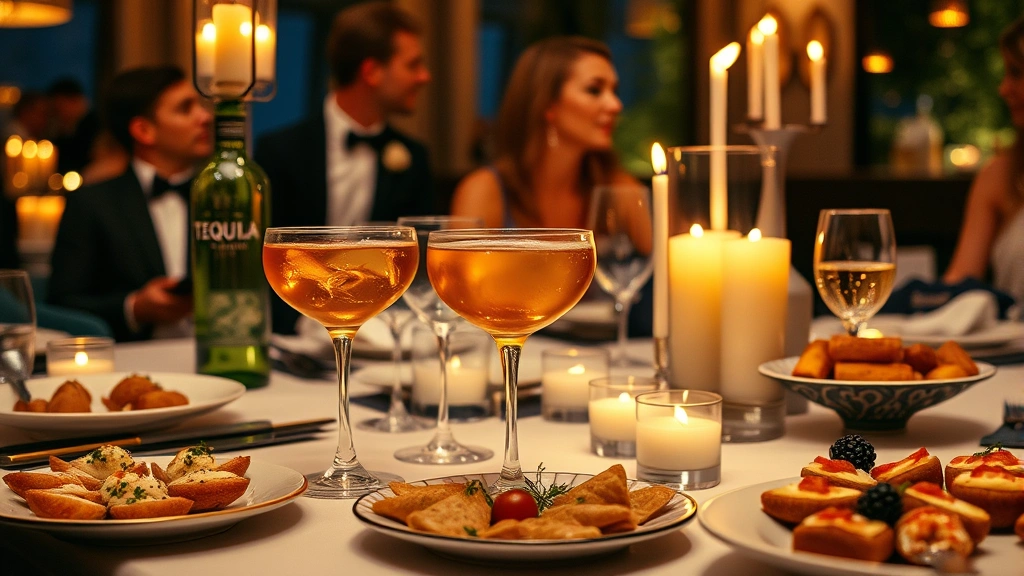
Appetizer Pairings: Serve tequila old fashioneds alongside crudités, cheese boards, or light Spanish tapas. The spirit’s herbal and peppery notes complement aged cheeses, cured meats, and briny olives. Roasted nuts, particularly those with chili seasoning, create natural flavor synergies. The drink’s slight sweetness balances salty elements while its complexity doesn’t overshadow delicate appetizers.
Main Course Harmony: The tequila old fashioned pairs beautifully with grilled proteins, particularly chicken, steak, or seafood prepared with bold seasonings. Mexican or Southwestern cuisine represents the obvious choice, but the drink’s versatility extends to Mediterranean preparations, Asian-inspired dishes, and contemporary fusion cuisine. Avoid pairing with very delicate dishes that might be overwhelmed by the spirit’s intensity.
Seasonal Considerations: Serve lighter, blanco-based variations during warm months alongside fresh, bright foods. Autumn and winter entertaining benefits from reposado or añejo expressions paired with richer, warming dishes. This seasonal approach maintains relevance and freshness in your entertaining calendar, similar to how fashion trends evolve seasonally.
Entertaining Quantity Preparation: When hosting multiple guests, prepare a batch cocktail by multiplying recipes and combining ingredients in a pitcher with ice. This approach allows guests to enjoy consistent quality while freeing you from constant bartending. Batch cocktails work particularly well for dinner parties, outdoor entertaining, or casual gatherings.
Aperitif Timing: Serve the tequila old fashioned before dinner to stimulate appetite and encourage conversation. The spirit’s warming character and complex flavors create anticipation for the meal ahead. Allow 30-45 minutes between cocktail service and dinner to prevent excessive alcohol consumption before eating.
Building Your Home Bar for Cocktails
Creating a well-stocked home bar enables you to craft quality tequila old fashioneds and other cocktails whenever inspiration strikes. Strategic selection of spirits, tools, and ingredients ensures you’re prepared for various occasions.
Essential Spirits: Begin with one premium blanco tequila and one reposado for versatility. As your collection grows, add an añejo expression and mezcal for variations. These four spirits cover most classic and contemporary cocktail applications. Store spirits in a cool, dark place away from direct sunlight to preserve their quality.
Bitters and Modifiers: Stock aromatic bitters, Mexican mole bitters if available, and perhaps chocolate or citrus bitters for variations. Keep quality simple syrup—homemade if possible—fresh agave nectar, and perhaps specialty syrups like cinnamon-infused or chile-tinged versions. These modifiers dramatically expand your cocktail possibilities.
Bartending Tools: Invest in quality essentials: a mixing glass, bar spoon, jigger for measuring, citrus press or juicer, vegetable peeler for garnishes, and a Hawthorne strainer. These tools needn’t be expensive but should be well-made and comfortable to use. Proper tools make cocktail preparation more enjoyable and ensure consistency.
Glassware Collection: Beyond rocks glasses, consider coupe glasses for stirred cocktails, highball glasses for longer drinks, and perhaps specialty glasses for specific variations. Quality glassware elevates every drink, and a well-curated collection signals your commitment to craft. Store glasses in a cabinet rather than open shelving to prevent dust accumulation.
Garnish Station: Keep fresh citrus, quality cherries, and fresh herbs readily available. Establish a dedicated space in your refrigerator for cocktail ingredients, ensuring they remain fresh and accessible. Proper storage of garnishes prevents waste and maintains quality.
Reference Library: Maintain cocktail recipe books or bookmarks to reference classic recipes and contemporary variations. Understanding classic cocktails provides foundation knowledge for creating your own signature drinks. Resources like Vogue occasionally feature cocktail culture content, while Diffords Guide offers comprehensive cocktail information for enthusiasts.
Learning and Development: Consider taking a mixology class or attending cocktail seminars to deepen your knowledge. Understanding flavor theory, spirit production, and advanced techniques transforms casual home bartending into a genuine craft. Many bartending schools offer recreational classes designed for enthusiasts rather than professionals.
Building your home bar reflects personal style and entertaining priorities, much like exploring fashion and style through StyleLoom Daily. Your collection should reflect your preferences while maintaining flexibility for guests with different tastes.
FAQ
What’s the difference between tequila and mezcal in cocktails?
Tequila must come from the Tequila region and is typically made from blue agave, offering brighter, more refined flavors. Mezcal comes from broader regions and uses various agave varieties, resulting in smokier, earthier character. In cocktails, tequila provides cleaner spirit expression while mezcal adds complexity and smoke. Many bartenders blend both for balanced variations.
Should I use aged or blanco tequila for old fashioneds?
Both work beautifully but create different experiences. Blanco tequila produces crisp, herbaceous cocktails ideal for warm weather. Reposado offers subtle oak influence and vanilla notes for more complex drinks. Añejo creates luxurious, contemplative cocktails with pronounced wood character. Choose based on the occasion and desired flavor profile.
Can I make tequila old fashioneds ahead for parties?
Yes, batch cocktails work excellently for entertaining. Combine tequila, agave nectar, and bitters in a pitcher with ice 30-60 minutes before serving. Stir occasionally to maintain proper dilution. Strain into individual glasses with fresh ice just before serving. This approach ensures consistency while freeing you from individual drink preparation.
What if I don’t have agave nectar?
Simple syrup (equal parts sugar and water) works perfectly as a substitute. Demerara syrup adds slightly deeper flavor. In a pinch, you can dissolve a small amount of agave-sweetened simple syrup or even honey, though agave nectar remains the most authentic choice for tequila cocktails.
Is the cherry garnish essential?
Traditionally, yes, but many contemporary bartenders omit it or substitute fresh herbs. The cherry adds sweetness that some find unnecessary. Try the drink both ways to determine your preference. Personal style in bartending, like personal style in fashion, involves making intentional choices that reflect your preferences.
How can I make my tequila old fashioned special for guests?
Focus on quality ingredients, proper technique, and thoughtful presentation. Use premium tequila, fresh citrus, and large format ice. Express the orange twist with intention. Serve with a water glass alongside. Consider personal touches like custom ice shapes or specialty garnishes. These details transform a cocktail into a memorable experience that reflects your hosting style.
What’s the ideal serving temperature?
Serve tequila old fashioneds between 45-50 degrees Fahrenheit. This temperature range allows the spirit’s complexities to shine while providing refreshing sensation. Proper chilling requires adequate stirring time and quality ice. Never serve warm cocktails; temperature significantly impacts flavor perception and enjoyment.
Can I batch-age tequila old fashioneds?
Yes, some craft bartenders age cocktails in oak barrels or glass containers for extended periods. This process integrates flavors and creates deeper complexity. Batch aging requires patience—typically 2-4 weeks—but produces remarkable results. This technique works best for special occasions or premium service situations.