
Manhattan vs Old Fashioned: Bartender Insights on Timeless Cocktail Elegance
The debate between a Manhattan and an Old Fashioned transcends mere beverage preference—it’s a reflection of personal style, sophistication, and the art of refined living. These two iconic cocktails represent different eras of cocktail culture, each with devoted followers who swear by their chosen drink’s superiority. Whether you’re a seasoned cocktail enthusiast or someone discovering the world of classic spirits, understanding the nuances between these drinks reveals much about bartending craftsmanship and the elegance of timeless style.
Just as finding your personal style requires understanding what resonates with your individual taste, selecting between a Manhattan and an Old Fashioned involves exploring your palate preferences, occasion requirements, and the impression you wish to convey. Both cocktails have graced the finest establishments, from Jazz Age speakeasies to modern cocktail lounges, making them essential knowledge for anyone interested in sophisticated entertaining and refined taste.
Origins and Historical Background
The Manhattan emerged in the 1870s, born in the bars of Manhattan’s elite social clubs during the Gilded Age. According to cocktail historian David Wondrich and documented in Vogue’s lifestyle coverage, this drink became synonymous with urban sophistication and New York’s glamorous nightlife. The Manhattan represented progress, modernity, and the cosmopolitan spirit of a rapidly evolving metropolis.
The Old Fashioned, conversely, emerged around the 1880s at the Pendennis Club in Louisville, Kentucky, created as a nostalgic response to the increasingly complex cocktails of the era. Its name itself—”Old Fashioned”—reflects a deliberate return to simpler, purer drinking traditions. Where the Manhattan embraced innovation, the Old Fashioned celebrated tradition and authenticity.
Understanding fashion and cocktail history timelines reveals parallel movements: just as fashion cycles between avant-garde and classic aesthetics, cocktail culture oscillates between elaborate creations and refined simplicity. Both drinks remain cultural touchstones, referenced in literature, film, and popular culture as markers of sophistication and personal identity.
Composition and Key Ingredients
The Manhattan traditionally consists of:
- 2 ounces of rye whiskey (or bourbon)
- 1 ounce of sweet vermouth
- 2-3 dashes of Angostura bitters
- A cherry garnish
- Optional: a dash of orange bitters for complexity
The Old Fashioned requires:
- 2 ounces of bourbon or rye whiskey
- 1 sugar cube (or ½ teaspoon sugar)
- 2-3 dashes of Angostura bitters
- A splash of water
- Orange peel and cherry for garnish
The primary distinction lies in the Manhattan’s inclusion of sweet vermouth, which adds herbal complexity and richness, while the Old Fashioned relies on the whiskey’s natural character, enhanced only by bitters and subtle sweetness. Expert bartenders emphasize that ingredient quality dramatically influences the final result. Premium rye whiskey, fresh citrus, and quality vermouth separate exceptional cocktails from mediocre ones.
The choice between these drinks reflects personal philosophy: the Manhattan appeals to those who enjoy layered complexity and harmonious blending, while the Old Fashioned attracts purists who appreciate letting the whiskey shine. This mirrors how individuals approach styling choices with different approaches to self-expression—some prefer bold statement pieces, others favor timeless basics that highlight their natural presence.
Taste Profile and Flavor Differences
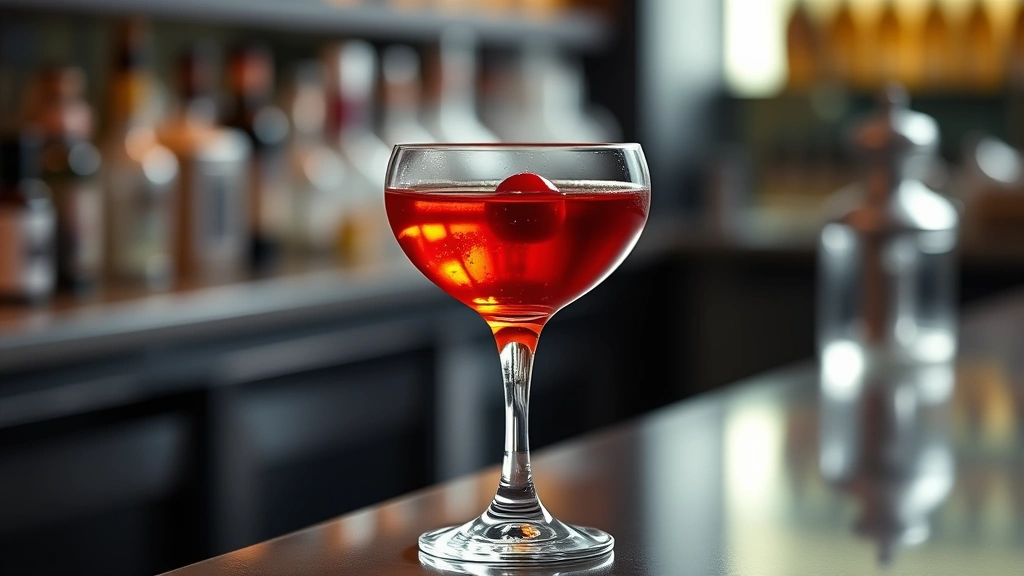
Tasting these cocktails reveals fundamental philosophical differences. The Manhattan presents a smooth, rounded flavor profile with pronounced sweetness balanced by whiskey warmth. The vermouth contributes herbal notes—hints of botanicals, subtle spice, and a silky mouthfeel. Drinkers describe it as sophisticated, approachable, and elegant—a drink that introduces whiskey novices to spirit-based cocktails while satisfying seasoned enthusiasts.
The Old Fashioned demands more adventurous palates. It’s bold, spirit-forward, and uncompromising. The whiskey dominates, with bitters providing spice and complexity, while sugar adds only minimal sweetness. The orange peel’s oils contribute brightness and subtle citrus notes. It’s a drink for those who respect whiskey and understand that simplicity requires exceptional ingredients.
Temperature and dilution significantly impact both drinks. The Manhattan, traditionally stirred with ice and strained into a coupe glass, arrives silky and chilled. The Old Fashioned, served over ice in a rocks glass, gradually dilutes as ice melts, evolving throughout the drinking experience. This progression mirrors how style evolves—a perfectly assembled outfit continues developing throughout the day, revealing new dimensions through movement and interaction.
Preparation Techniques from Expert Bartenders
Manhattan Preparation: Professional bartenders emphasize the importance of proper technique. Fill a mixing glass with ice, add whiskey, vermouth, and bitters. Stir for approximately 30 seconds until properly diluted and chilled. The goal is achieving the ideal temperature and dilution ratio without over-oxidizing the spirits. Strain into a chilled coupe glass, express orange oils over the drink, and garnish with a cherry.
Advanced bartenders at establishments like Esquire’s cocktail guides recommend using rye whiskey for sharper definition and selecting premium vermouths like Carpano Antica Formula or Dolin for distinctive character. The cherry matters too—quality maraschino cherries from brands like Luxardo elevate the entire experience.
Old Fashioned Preparation: This drink requires even more precision. Place a sugar cube in a rocks glass, add 2-3 dashes of bitters, and a small splash of water. Gently muddle until the sugar dissolves—the goal is dissolution, not pulverization. Add a large ice cube or several rocks, pour 2 ounces of whiskey, and stir to combine. Express orange peel oils and drop it in as garnish.
Bartenders stress that rushing the muddling process creates a grainy texture that diminishes the drink’s elegance. The water should be spring water or filtered water, never tap water, which can introduce off-flavors. Temperature control is crucial—using properly frozen glassware and quality ice ensures the drink remains cold without becoming overly diluted.
Serving Style and Presentation
Presentation communicates style and intention. The Manhattan arrives in an elegant coupe glass, its deep amber color catching light beautifully. The cherry garnish adds visual interest and tradition. This presentation suggests refinement, modernity, and sophistication—it’s a drink meant to be seen, appreciated, and savored in social settings.
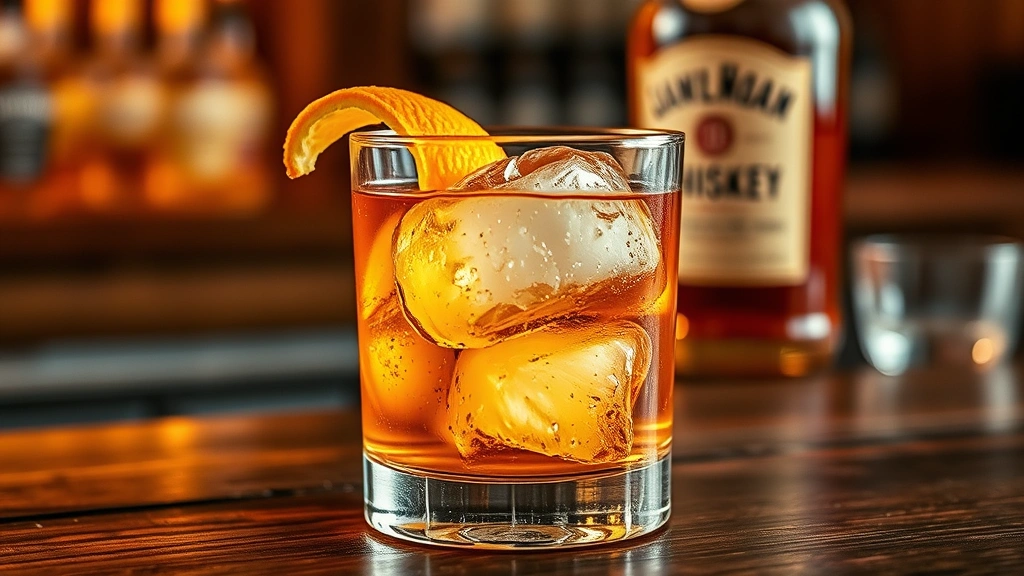
The Old Fashioned, served in a rocks glass over ice, presents differently. It’s sturdy, grounded, and masculine in traditional presentations. The large ice cube or rocks provide visual weight, while the orange peel adds color and texture. This drink suggests confidence, authenticity, and respect for tradition.
These visual presentations parallel fashion choices. The Manhattan’s coupe glass echoes the elegant silhouettes of evening wear, while the Old Fashioned’s rocks glass suggests tailored menswear and classic style. Both communicate through their presentation choices, much as individuals communicate through their fashion and style decisions.
Perfect Occasions and Food Pairings
Manhattan Occasions: The Manhattan thrives in upscale social settings—cocktail parties, theater outings, sophisticated dinners. Its balanced sweetness and complexity make it an excellent aperitif before meals. Pair it with oysters, cured meats, aged cheeses, or light appetizers. The drink’s elegance complements formal attire and special occasions.
Old Fashioned Occasions: This drink shines in intimate settings—after-dinner conversations, cigar lounges, relaxed evenings with friends. It pairs exceptionally with rich foods: steaks, dark chocolate, nuts, and aged cheeses. The Old Fashioned works as both aperitif and digestif, making it versatile for various occasions.
When selecting between these drinks for entertaining, consider your guest list and occasion formality. The Manhattan signals celebration and social engagement, while the Old Fashioned suggests introspection and serious appreciation. Understanding your event’s tone—much like understanding design principles in fashion—ensures your drink choice enhances the experience.
Modern Variations and Creative Twists
Contemporary bartenders continuously reinterpret these classics. The Perfect Manhattan uses equal parts sweet and dry vermouth, adding complexity and dryness. The Dry Manhattan substitutes dry vermouth entirely, appealing to those preferring less sweetness. The Rob Roy replaces rye with Scotch whisky, introducing smoky, peaty notes.
Old Fashioned variations include the Sazerac (using rye, absinthe, and Peychaud’s bitters), the Vieux Carré (combining whiskey, cognac, and Benedictine), and countless house specials featuring different whiskeys or bitters combinations. Some bars offer smoked Old Fashioneds or versions incorporating house-made infusions.
These variations demonstrate how classic foundations inspire innovation. Just as fashion designers reference historical styles while creating contemporary pieces, bartenders honor tradition while pushing creative boundaries. The most successful variations maintain the spirit of the original while introducing thoughtful modifications.
Bartender Recommendations and Expert Insights
Leading bartenders emphasize that the “better” drink depends entirely on individual preference. Liquor.com’s expert bartender recommendations suggest that newcomers often prefer Manhattans due to their approachability, while seasoned drinkers frequently gravitate toward Old Fashioneds for their purity and whiskey-forward character.
Experts recommend tasting both side-by-side to understand your preferences. Notice how the Manhattan’s sweetness and herbal complexity compare to the Old Fashioned’s spirit-forward intensity. Consider which flavor profile resonates with your palate, which presentation appeals to you, and which drink complements your typical occasions and social settings.
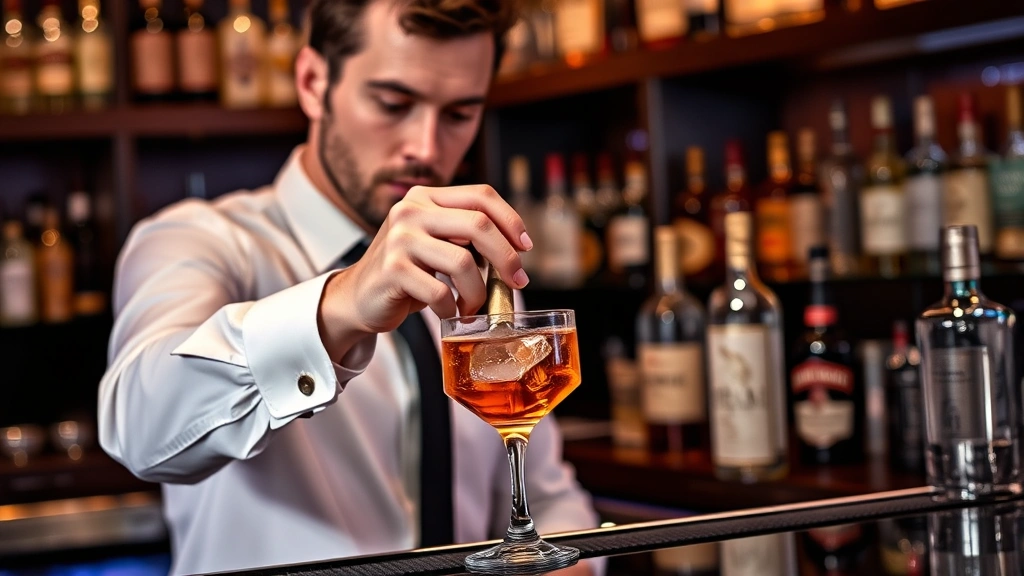
Professional bartenders stress that proper technique matters enormously. A perfectly executed Manhattan surpasses a poorly made Old Fashioned, and vice versa. When ordering at bars, watch the bartender’s technique. Quality establishments take pride in their preparation methods, and this care translates directly to your drinking experience.
The most sophisticated approach involves appreciating both drinks for their distinct qualities. Rather than declaring one superior, recognize that each serves different purposes and appeals to different aspects of refined taste. This flexibility mirrors how stylish individuals maintain diverse wardrobes—understanding when to wear tailored classics versus bold statement pieces.
Renowned bartenders at establishments featured in Drinks International consistently recommend investing in quality ingredients. The difference between a $15 cocktail made with premium spirits and a $8 version using bottom-shelf whiskey is immediately apparent. Your appreciation grows proportionally with ingredient quality.
FAQ
Which cocktail is sweeter, the Manhattan or Old Fashioned?
The Manhattan is notably sweeter due to the sweet vermouth component. The Old Fashioned contains only a small amount of dissolved sugar, making it significantly drier and more spirit-forward. If you prefer sweeter cocktails, the Manhattan is the better choice.
Can I order a Manhattan or Old Fashioned at any bar?
Yes, these are classic cocktails that quality bars worldwide can prepare. However, quality varies significantly based on bartender skill and ingredient selection. Premium bars using quality spirits and proper technique create dramatically superior versions.
What whiskey should I use at home?
For Manhattans, rye whiskey (Rittenhouse, Michter’s) or bourbon (Buffalo Trace, Maker’s Mark) work excellently. For Old Fashioneds, bourbon is traditional, though rye offers sharper definition. Avoid bottom-shelf options, as the whiskey’s quality directly impacts the final drink.
Are these drinks only for men?
Absolutely not. These classic cocktails appeal to anyone who appreciates sophisticated, spirit-forward drinks. Gender has no bearing on cocktail preferences—personal taste is the only relevant factor.
Can I make these drinks without vermouth or bitters?
While possible, the drinks lose their defining characteristics. Vermouth provides the Manhattan’s distinctive character, while bitters are essential to both cocktails’ complexity. Substituting with other ingredients creates different drinks entirely.
Which cocktail should I order at a first date?
The Manhattan is generally more approachable for first dates, as it’s more balanced and less intimidating to those unfamiliar with spirit-forward cocktails. However, choose based on your actual preferences—ordering what you genuinely enjoy communicates more authenticity than strategic choices.
How much do these cocktails typically cost?
Standard bars charge $10-15, while premium establishments charge $15-25 depending on whiskey quality and location. Craft cocktail bars using rare spirits might charge $20-30 or more.
What’s the best time to drink these cocktails?
Both work as aperitifs before dinner or after-dinner drinks. The Manhattan suits social occasions and celebrations, while the Old Fashioned works for intimate conversations and relaxed evenings. Choose based on your occasion and mood.

