
Jameson Orange Old Fashioned: Mixologist’s Guide
The Jameson Orange Old Fashioned represents the perfect intersection of timeless cocktail craftsmanship and contemporary flavor innovation. This sophisticated libation elevates the classic Old Fashioned by introducing vibrant citrus notes that complement Jameson Irish whiskey’s smooth, approachable character. Whether you’re a seasoned mixologist seeking to expand your cocktail repertoire or an enthusiast eager to impress guests at your next gathering, mastering this elegant drink is essential to understanding modern bartending philosophy.
The beauty of the Jameson Orange Old Fashioned lies in its versatility and approachability. Unlike overly complicated cocktails that prioritize spectacle over substance, this drink honors the original Old Fashioned’s fundamental principle: letting premium spirits shine through carefully balanced secondary ingredients. The addition of orange—both as an expressed oil and as a flavor component—transforms the drinking experience without overshadowing the whiskey’s inherent qualities. This balance reflects contemporary mixology trends that emphasize craft sophistication and intentional ingredient selection, much like how modern fashion designers balance heritage with innovation.
Understanding the Jameson Orange Old Fashioned requires appreciating both technical execution and the cultural significance of Irish whiskey in cocktail culture. This guide provides comprehensive insights into ingredients, techniques, variations, and the philosophy behind crafting this exceptional drink.
Essential Ingredients and Their Roles
Crafting an exceptional Jameson Orange Old Fashioned begins with understanding each component’s contribution to the final product. The ingredient list appears deceptively simple, yet each element serves a specific purpose in creating harmony and balance.
Jameson Irish Whiskey forms the foundation of this cocktail. Choose the standard Jameson expression unless exploring premium variations. The whiskey provides warmth, subtle spice, and the distinctive smoothness that Irish whiskey is celebrated for. A standard pour is 2 ounces, though some prefer 2.25 ounces for a more spirit-forward experience.
Sugar acts as both flavor enhancer and textural component. Traditionally, one sugar cube or half a teaspoon of simple syrup works perfectly. Sugar dissolves into the whiskey, creating a foundation that allows other flavors to integrate seamlessly. Some contemporary mixologists prefer demerara sugar for its subtle molasses undertones.
Angostura bitters provide complexity and depth. Just two to three dashes transform the drink from pleasant to profound. Bitters contain botanical compounds that elevate the whiskey’s natural characteristics while adding subtle spice and herbal notes. This ingredient shouldn’t be underestimated—it’s the difference between a good Old Fashioned and an exceptional one.
Orange is the star ingredient that distinguishes this variation from traditional Old Fashioneds. Fresh orange peel provides essential oils and aromatic compounds that brighten the drink without introducing excessive sweetness. Some recipes incorporate fresh orange juice (quarter ounce to half ounce), while purists prefer expression alone.
Ice deserves attention as a critical ingredient. Large format ice cubes or spheres melt slowly, maintaining proper dilution without over-watering the drink. The slow melt also preserves temperature stability throughout the drinking experience.
Understanding how to find your personal style in cocktail crafting means recognizing which ingredients resonate with your palate and adjusting proportions accordingly. Just as fashion enthusiasts develop signature styles, mixologists develop signature cocktails through intentional ingredient choices.
Step-by-Step Preparation Technique
Proper execution transforms quality ingredients into an unforgettable drinking experience. Follow these steps for consistent, professional results.
- Prepare Your Glass: Select a rocks glass (also called an Old Fashioned glass) with thick walls and substantial weight. Chill the glass by filling it with ice and cold water while you gather ingredients. This step ensures your finished drink maintains optimal temperature.
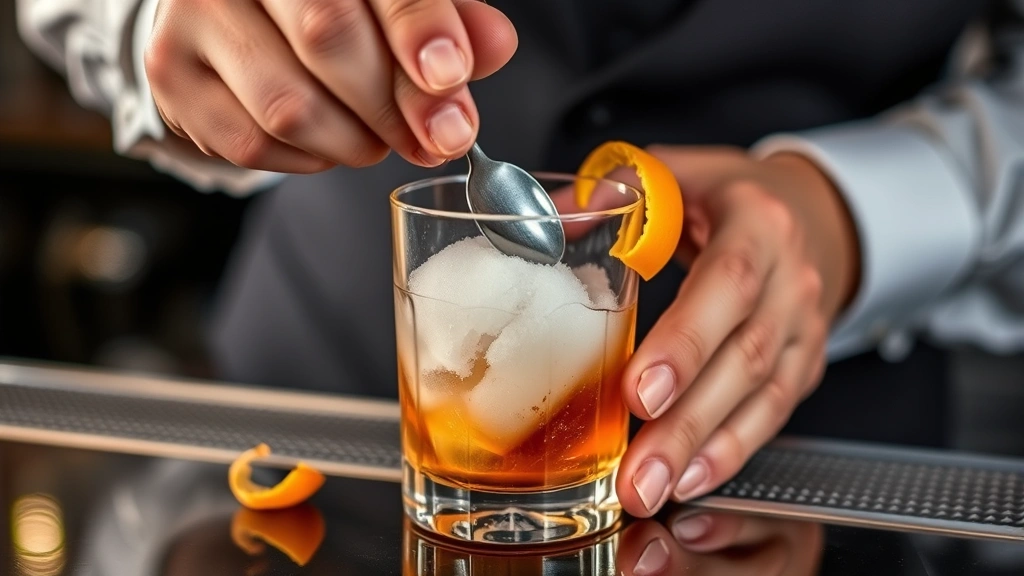
- Add Sugar and Bitters: Empty the ice water from your chilled glass. Add one sugar cube or half teaspoon of simple syrup to the glass bottom. Dash two to three drops of Angostura bitters directly onto the sugar. Using a bar spoon, gently muddle (not crush) the sugar and bitters together, creating a paste-like consistency. This releases the sugar’s sweetness and distributes bitters evenly.
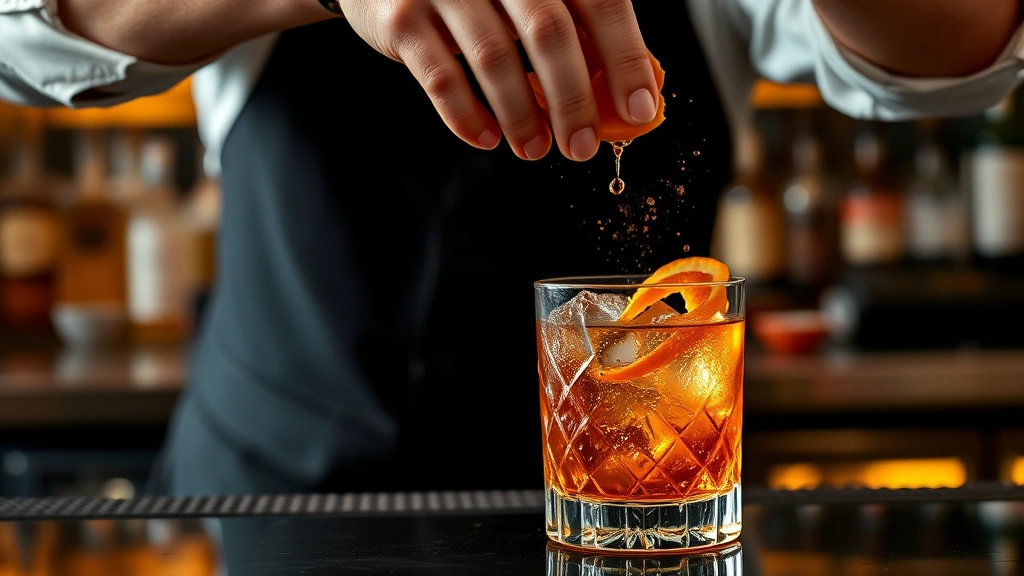
- Express Orange Oil: Cut a fresh orange peel (approximately two inches long and half-inch wide). Hold the peel skin-side out, positioned six inches above the glass. Bend the peel sharply to crack the oils, allowing them to mist over the drink’s surface. This aromatic expression adds complexity without introducing excess liquid.
- Add Whiskey: Pour 2 ounces of Jameson whiskey into the glass. Stir gently with a bar spoon for approximately ten seconds, ensuring the sugar fully dissolves and ingredients integrate completely. The stirring motion also slightly chills the whiskey.
- Add Ice: Place a large ice cube or three to four smaller cubes into the glass. The ice displaces liquid slightly, creating the perfect dilution level. Some prefer ice spheres for their aesthetic appeal and superior melting properties.
- Final Garnish: Place the expressed orange peel into the drink, either floating or resting against the ice. Some mixologists add a cherry or additional citrus twist for visual appeal and complementary flavors.
This methodical approach ensures proper ingredient integration and optimal flavor development. The key is patience—rushing the preparation compromises the final result.
Mastering the Orange Expression
The orange expression distinguishes the Jameson Orange Old Fashioned from its traditional counterpart. This technique requires practice and understanding of citrus chemistry.
Selecting the Right Orange: Choose firm, thin-skinned oranges with vibrant color and aromatic fragrance. Thinner-skinned oranges contain more essential oils relative to pith. Avoid oranges that feel soft or have blemishes, as these indicate diminished oil content and potential oxidation.
Cutting the Peel: Using a vegetable peeler or sharp knife, remove a strip of peel approximately two inches long and half-inch wide. Ensure you remove only the colored portion (zest), avoiding the bitter white pith beneath. A clean, single-strip peel allows for optimal oil expression.
Expression Technique: Hold the peel skin-side out, positioned several inches above the glass. Bend the peel sharply to crack the oils, creating a mist that falls over the drink. You’ll see tiny droplets of aromatic oil dispersing across the surface. This visual confirmation indicates successful expression. Some experienced mixologists flame the peel briefly for added complexity, though this requires caution and practice.
Timing Considerations: Express the orange immediately before adding whiskey. Oils oxidize when exposed to air, losing potency within minutes. Professional bartenders express peel as their final preparation step before serving.
The expression process mirrors the precision required in understanding fashion history’s evolution—small details accumulate to create significant impact. Just as fashion historians recognize how subtle design choices defined eras, mixologists recognize how precise techniques define cocktail quality.
Jameson Whiskey Selection and Characteristics
Understanding Jameson whiskey’s profile is essential for appreciating why it pairs so effectively with orange in this cocktail.
Jameson Standard Expression: The classic Jameson Irish Whiskey is triple-distilled, a process unique to Irish whiskey production. This extra distillation removes harsh compounds, resulting in exceptional smoothness. The whiskey exhibits subtle fruit notes, vanilla undertones, and a clean finish that complements citrus naturally. At 40% ABV, it provides sufficient spirit character without overwhelming other ingredients.
Flavor Profile: Jameson presents initial notes of orchard fruit, honey, and light spice. The mid-palate reveals vanilla and toasted grain characteristics. The finish remains clean and slightly warming, never harsh or overly complex. These characteristics make Jameson exceptionally mixable—it plays well with other ingredients rather than dominating them.
Why Jameson for This Cocktail: The whiskey’s smoothness allows orange notes to shine without competition. Unlike more robust Irish whiskeys or American bourbons, Jameson creates space for citrus expression. The triple distillation removes compounds that might clash with orange’s brightness, resulting in harmonious flavor integration.
Premium Alternatives: While standard Jameson is recommended, exploring Jameson’s premium expressions like Jameson Black Barrel or Jameson Caskmates can provide interesting variations. These versions introduce additional complexity—oak influence, sherry finishing, or stout finishing—that creates unique twists on the classic recipe.
Professional Garnishing Methods
Garnishing transcends mere decoration; it contributes aroma, flavor, and visual appeal that enhance the drinking experience.
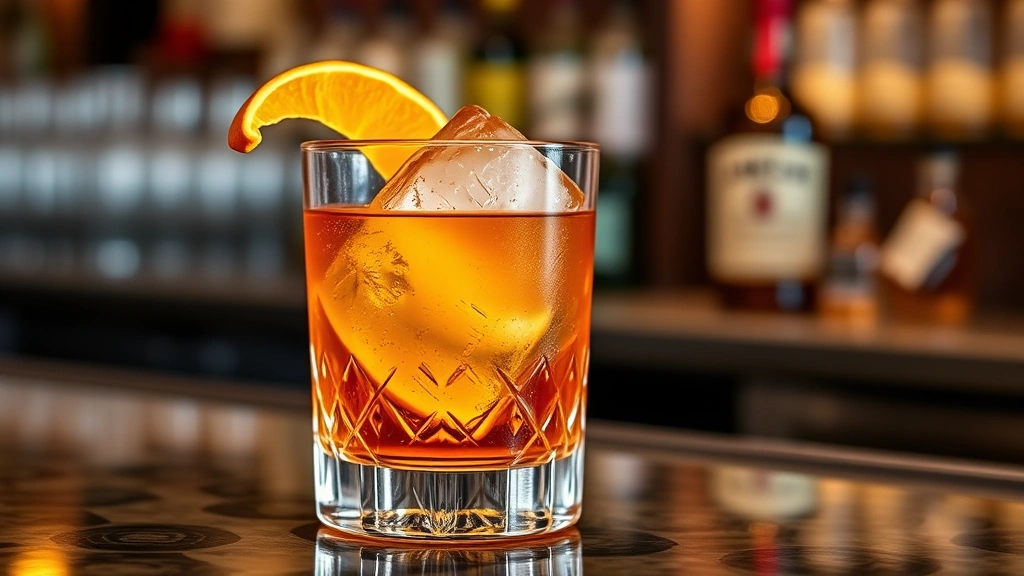
Orange Peel Presentation: The primary garnish is the expressed orange peel. Present it elegantly by either floating it atop the ice or resting it against the glass rim. Some mixologists twist the peel into a spiral shape for visual drama. The peel serves dual purposes: aromatic contribution and tactile element that drinkers can appreciate while consuming the cocktail.
Secondary Garnishes: A cherry (preferably luxardo or high-quality cocktail cherry) adds color contrast and subtle sweetness. Some recipes incorporate a thin orange wheel placed against the glass exterior, providing visual continuity with the expressed peel.
Garnish Quality Considerations: Professional mixologists understand that garnishes require the same quality standards as primary ingredients. Use fresh, high-quality fruit. Avoid pre-cut garnishes that have oxidized or lost potency. Prepare garnishes immediately before serving for maximum aromatic impact.
Cultural and Regional Variations: Different bartending traditions emphasize different garnishing approaches. Irish bartenders might keep garnishing minimal and elegant, while contemporary craft cocktail bars might experiment with unusual citrus varieties or edible flowers. The fundamental principle remains: garnish should enhance, not distract.
Variations and Creative Interpretations
The Jameson Orange Old Fashioned serves as foundation for numerous creative variations that maintain the drink’s essential character while introducing new dimensions.
Orange Juice Variation: Some recipes incorporate fresh orange juice (quarter ounce to half ounce) directly into the drink. This approach creates a slightly sweeter, more citrus-forward experience. The juice introduces additional body and mouthfeel, transforming the drink from spirit-forward to more balanced.
Spiced Variation: Adding a dash of orange bitters alongside Angostura bitters creates complexity. Some mixologists incorporate a small amount of clove or cinnamon syrup for warming spice notes that complement both whiskey and orange.
Smoked Variation: Smoking the glass with applewood or cherry wood smoke before preparation introduces depth and sophistication. The smoke complements whiskey’s warmth while adding unexpected aromatic complexity.
Premium Spirit Variation: Substituting standard Jameson with Jameson Black Barrel or Jameson Caskmates introduces oak influence or finishing characteristics. These variations appeal to experienced whiskey enthusiasts seeking additional complexity.
Temperature Experimentation: Some contemporary bartenders serve this cocktail slightly warmer (without ice) or on crushed ice rather than large cubes. Each approach yields different flavor perception and mouthfeel.
These variations demonstrate mixology’s creative potential while respecting the original recipe’s integrity. Much like fashion design schools teach students to honor design fundamentals while exploring innovation, mixology education emphasizes respecting classic cocktails while developing personal style.
Serving and Temperature Considerations
Proper serving elevates the drinking experience from good to exceptional.
Temperature Management: The ideal Jameson Orange Old Fashioned is served at approximately 45-50 degrees Fahrenheit. This temperature range preserves the whiskey’s complexity while ensuring refreshment. Too cold, and numbed palates cannot appreciate subtle flavors. Too warm, and the alcohol becomes overly prominent.
Glassware Selection: A quality rocks glass with thick walls and substantial weight is essential. The glass’s thermal mass helps maintain consistent temperature throughout the drinking experience. The wide opening allows for proper appreciation of aroma and easy ice accommodation.
Dilution Principles: Proper dilution transforms harsh spirits into refined cocktails. The ice’s slow melt introduces water gradually, opening up the whiskey’s flavor profile. Over-dilution creates a watered-down experience, while insufficient dilution leaves the drink too strong and sharp.
Timing Considerations: Serve immediately after preparation. The drink’s optimal flavor window is approximately five to ten minutes after preparation. Prolonged sitting allows ice to melt excessively, compromising balance.
Environmental Factors: Ambient temperature affects dilution rate. In warm environments, consider using larger ice cubes or spheres that melt more slowly. In cool environments, standard ice works perfectly.
Common Mistakes to Avoid
Understanding common pitfalls helps mixologists consistently deliver exceptional results.
Over-Muddling: Aggressive muddling crushes sugar crystals excessively, creating a grainy texture and uneven sweetness distribution. Gentle muddling creates the paste-like consistency needed for proper integration without texture compromise.
Inadequate Orange Expression: Skipping or rushing the orange expression eliminates the drink’s signature aromatic component. This step cannot be rushed or substituted with juice alone. Fresh oil expression is essential.
Poor Ice Quality: Using small ice cubes or regular ice from automatic dispensers results in rapid melting and over-dilution. Invest in large-format ice or purchase from specialty sources.
Incorrect Proportions: Measuring ingredients precisely ensures consistency. Free-pouring, while impressive, often results in imbalanced drinks. Use jiggers or measuring tools until proportions become intuitive.
Stale or Low-Quality Ingredients: Using oxidized orange juice, old bitters, or low-quality whiskey compromises the final product. All ingredients deserve the same quality standards.
Insufficient Stirring: Inadequate stirring prevents proper ingredient integration and insufficient chilling. Stir deliberately for ten to fifteen seconds, ensuring complete mixing.
Timing Mistakes: Preparing drinks too far in advance or serving too cold/warm compromises the experience. Timing precision reflects professional standards.
Avoiding these common errors separates amateur bartenders from true mixologists. The attention to detail required mirrors the precision that successful fashion bloggers bring to their content creation.
FAQ
What is the optimal Jameson expression for this cocktail?
Standard Jameson Irish Whiskey is ideal for this drink. Its smoothness and triple distillation allow orange notes to shine without competition. Premium expressions like Black Barrel introduce interesting variations but aren’t necessary for an excellent cocktail.
Can I prepare this cocktail in advance?
No. Old Fashioneds are best prepared immediately before serving. Preparing in advance allows excessive ice melting, compromising dilution balance. Cocktails should be consumed within five to ten minutes of preparation.
Should I use fresh orange juice or just the peel expression?
Purists prefer peel expression alone, which maintains the drink’s spirit-forward character. However, adding quarter to half ounce of fresh orange juice creates a slightly sweeter, more citrus-prominent variation. Both approaches are valid—choose based on personal preference.
What type of ice works best?
Large format ice cubes or spheres are superior to small ice. Their larger surface area melts more slowly, providing better dilution control and maintaining optimal temperature longer. Specialty ice makers produce ice specifically designed for cocktails.
Can I substitute different whiskeys for Jameson?
Yes, though results vary. Other Irish whiskeys work well but may have different flavor profiles. American bourbons create a different experience—typically more robust and spicy. Experimentation helps discover personal preferences, though Jameson remains the recommended choice for this specific recipe.
Is the cherry garnish essential?
No, though it adds visual appeal and subtle sweetness. The expressed orange peel is the essential garnish. Additional garnishes enhance the experience but aren’t required for a successful cocktail.
What bitters work best?
Angostura bitters are traditional and recommended. However, orange bitters can be incorporated for additional citrus complexity. Some mixologists experiment with chocolate or spiced bitters for unique variations.
How should I serve this cocktail?
Serve in a quality rocks glass at 45-50 degrees Fahrenheit. The thick-walled glass maintains temperature while allowing proper appreciation of aroma and flavor. Serve immediately after preparation for optimal experience.
Can I make this cocktail without the sugar?
Sugar is essential for proper balance. It dissolves into the whiskey, creating foundation for other ingredients. Without sugar, the drink becomes unbalanced and overly sharp. Simple syrup can substitute for sugar cubes but shouldn’t be eliminated.
What’s the difference between this and a traditional Old Fashioned?
The primary difference is orange incorporation—both through peel expression and sometimes juice addition. Traditional Old Fashioneds use bourbon or rye whiskey without citrus focus. The Jameson Orange variation celebrates citrus while maintaining Old Fashioned principles.

