NY Fashion Week Trends: Designer Insights from the Runway
New York Fashion Week remains the pinnacle of style innovation, where designers unveil their boldest visions and set the tone for global fashion. This season’s collections showcase an electrifying mix of nostalgia, sustainability, and boundary-pushing creativity that’s reshaping how we think about modern dressing. From established fashion houses to emerging talents, the runway presented a masterclass in contemporary style that transcends trends and speaks to deeper cultural conversations.
The energy at NY Fashion Week this season felt distinctly different—more inclusive, more experimental, and refreshingly authentic. Designers aren’t just selling clothes; they’re telling stories about identity, heritage, and our relationship with consumption. Whether you’re a fashion enthusiast, industry professional, or simply curious about what’s next, understanding these insights helps you navigate your own wardrobe with intention and confidence.
Color Palettes Dominating the Runways
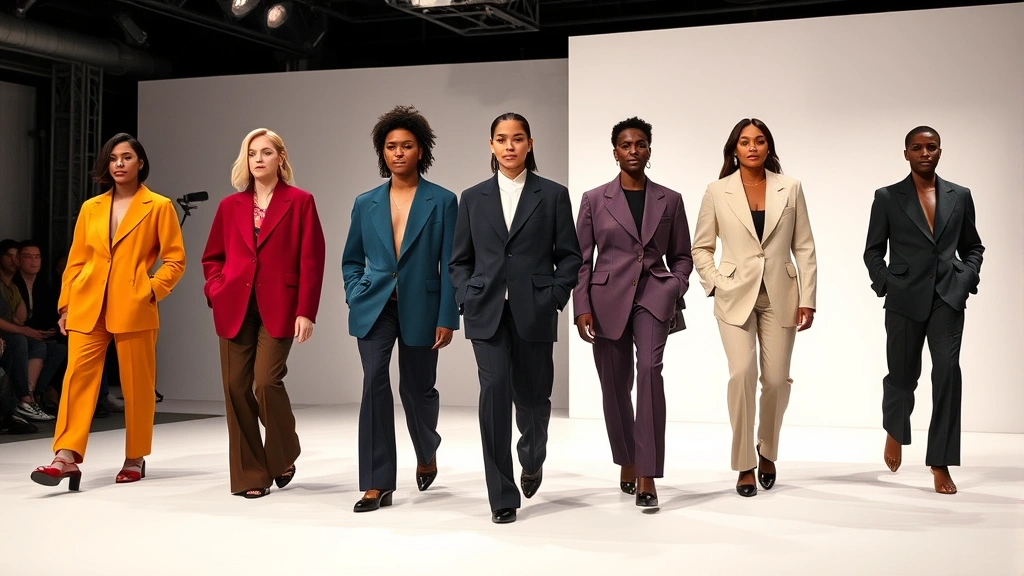
This season’s color story at NY Fashion Week tells a narrative of both escapism and grounding. Designers have moved beyond safe neutrals into a spectrum that feels both nostalgic and futuristic. Deep jewel tones—emerald, sapphire, and rich plum—dominated luxury collections, offering a sophisticated alternative to traditional black. These colors convey confidence and permanence, suggesting that quality pieces in statement hues are worth the investment.
Simultaneously, unexpected pastels appeared across multiple collections, but with a twist. Rather than the saccharine pinks and baby blues of seasons past, we’re seeing sophisticated mauve, muted sage, and dusty rose in elevated fabrics and cuts. This duality reflects our cultural moment: we want joy and optimism, but we also crave authenticity and depth. When considering how to find your personal style, color psychology becomes essential. Your color choices communicate before you speak.
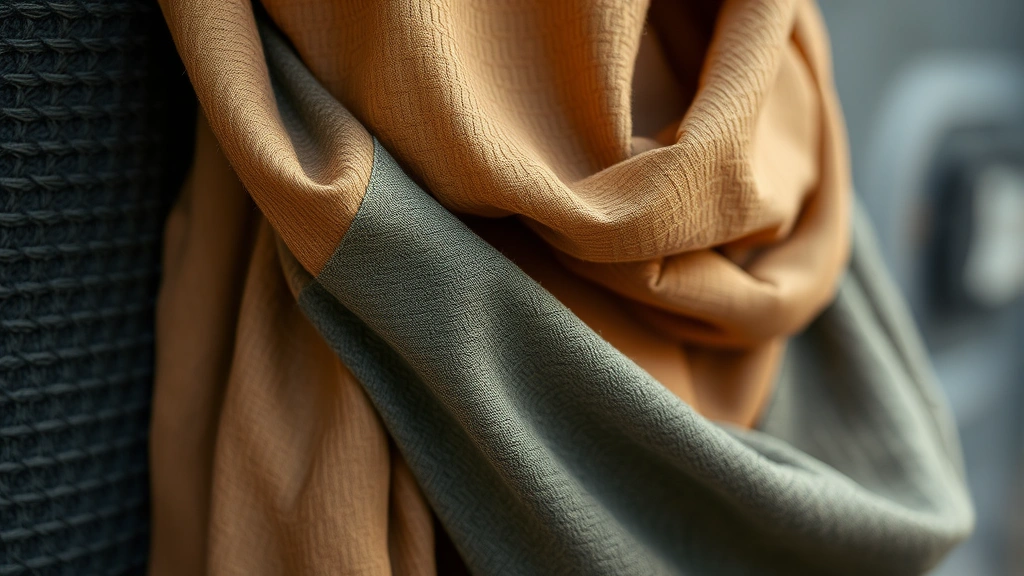
Monochromatic dressing also emerged as a key trend, with designers creating entire looks in single-color families. This approach offers sophistication and ease, allowing texture and silhouette to shine. Whether you’re drawn to warm terracottas or cool grays, monochrome dressing simplifies decision-making while maximizing impact.
Fabric Innovation and Sustainability Focus
Perhaps the most significant shift at this NY Fashion Week was the industry-wide commitment to sustainable materials without sacrificing luxury or aesthetics. Designers showcased innovative lab-grown alternatives, regenerated fibers, and deadstock upcycling with the same reverence typically reserved for silk charmeuse and Italian wool.
Several emerging designers presented collections using mycelium leather—a mushroom-based alternative that’s completely vegan yet feels indistinguishable from traditional leather. Established brands unveiled capsule collections featuring recycled cashmere blends and ocean-waste-derived synthetics that perform beautifully. This shift isn’t performative; it reflects genuine industry transformation driven by both consumer demand and designer conviction.
The conversation around fashion history and sustainability reveals an interesting paradox: fast fashion emerged because consumers wanted affordable trend-following, yet the environmental cost has become untenable. Designers now propose a new model: invest in fewer, better pieces made from responsible materials. This philosophy aligns with timeless style principles and reduces decision fatigue.
Technical fabrics also dominated the runways, with moisture-wicking materials, temperature-regulating blends, and self-cleaning innovations appearing in high-fashion contexts. These aren’t purely functional; designers integrated them into beautiful silhouettes, proving that performance and aesthetics aren’t mutually exclusive.
Silhouette Evolution: Comfort Meets Couture
The silhouette conversation at NY Fashion Week this season centered on a fundamental shift: comfort is no longer a compromise. Designers presented oversized blazers with refined proportions, wide-leg trousers with elegant draping, and relaxed knits in luxury yarns that feel like a second skin.
Power dressing evolved significantly. Rather than the aggressive shoulder-padded looks of decades past, we’re seeing soft power—structured pieces that drape beautifully, creating authority without aggression. Designers like those featured at Vogue’s coverage demonstrated that confidence emerges from proportion and fit, not rigidity.
Maxi lengths appeared across multiple categories, from casual knitwear to tailored separates. This length suggests permanence and intention—you’re not chasing trend cycles but establishing a personal uniform. The midi skirt, once relegated to conservative dressing, transformed into a sophisticated staple worn with cropped tops and statement shoes.
Cropped silhouettes also made a statement, but with intentionality. Rather than the aggressive crop tops of previous seasons, designers presented strategic cropping—just enough to show intention without feeling exposed. This approach works beautifully when learning how to style bodycon dresses and figure-hugging pieces with sophistication and personal confidence.
Accessories as Statement Pieces
Accessories dominated the narrative at NY Fashion Week, with designers treating bags, shoes, and jewelry as protagonists rather than supporting players. Sculptural bags in unexpected shapes—geometric, architectural, almost architectural in their construction—commanded attention on runways. These aren’t delicate afterthoughts; they’re conversation starters that justify investment.
Footwear presented an interesting dichotomy: maximalist statement shoes in bold colors and textures competed with minimalist, nearly invisible silhouettes. The common thread? Quality and intention. Whether you’re wearing a dramatic platform or a refined flat, craftsmanship became non-negotiable.
Jewelry trends leaned toward chunky, organic forms and mixed metals. Designers embraced asymmetry, layering, and bold proportions. The days of “match your metals” feel increasingly quaint as fashion embraces individual expression and intentional eclecticism.
Gender-Fluid Fashion Takes Center Stage
One of the most exciting developments at this NY Fashion Week was the continued dismantling of gender-specific dressing codes. Designers presented collections that entirely bypassed traditional “menswear” and “womenswear” categories, instead offering pieces designed for bodies and personal expression.
Oversized tailoring worked for everyone. Flowing fabrics transcended gender. Cropped silhouettes and bare skin appeared across all presentations. This isn’t merely progressive politics; it’s practical fashion that acknowledges how people actually dress themselves. The best fashion design schools now teach designers to think beyond binary categories, creating more innovative and inclusive work.
This shift has profound implications for how individuals approach their wardrobes. You’re no longer limited by traditional gender presentations. A blazer isn’t “menswear”—it’s a piece that works for anyone who wants structure and authority. A flowing skirt isn’t exclusively feminine—it’s a silhouette that creates movement and ease for any body.
Designer Collaborations Breaking Boundaries
Collaborations at NY Fashion Week this season moved beyond celebrity partnerships into meaningful creative exchanges. Established designers partnered with artists, technologists, and heritage craftspeople, creating collections that felt genuinely innovative rather than marketing-driven.
One particularly notable collaboration merged a luxury fashion house with a textile preservation organization, resulting in a collection featuring digitally archived patterns from endangered cultural traditions. This approach honors heritage while supporting communities and creating pieces with genuine historical significance.
Emerging designers also gained visibility through strategic partnerships with established brands, creating accessible entry points to luxury design. These collaborations democratize high fashion while maintaining artistic integrity.
Street Style Influence on High Fashion
The relationship between runway and street has inverted dramatically. Rather than fashion trickling down from runways to streets, designers increasingly look to street style for inspiration. NY Fashion Week attendees’ personal style often influenced what appeared on runways, creating a feedback loop of authentic expression.
This democratization means your personal style matters more than ever. The StyleLoom Daily Blog regularly explores how individual style choices influence broader trends. When you develop authentic personal style, you’re not following trends—you’re creating them.
Vintage and thrifted pieces appeared on runways styled alongside new designs, suggesting that newness isn’t the only marker of fashion value. Sustainability and personal history matter as much as contemporary design.
Key Takeaways for Your Wardrobe
So what do NY Fashion Week insights mean for your actual wardrobe? Several principles emerged consistently across collections:
- Invest in quality basics: Whether oversized blazers, perfect white shirts, or tailored trousers, foundational pieces in premium fabrics serve as your wardrobe backbone.
- Embrace color intentionally: Move beyond safe neutrals into jewel tones or sophisticated pastels that reflect your personality and skin tone.
- Prioritize fit over trend: A perfectly fitting piece in a “dated” silhouette outperforms a trendy piece that doesn’t flatter your proportions.
- Consider sustainability: Fewer, better pieces made from responsible materials align with both environmental values and personal style development.
- Mix high and low: Pair investment pieces with affordable finds, creating a wardrobe that feels authentic rather than aspirational.
- Develop a personal uniform: Consistency creates style. When you understand your preferences, you make faster decisions and feel more confident.
- Experiment with accessories: Bags, shoes, and jewelry offer low-risk ways to explore trends and express personality without committing to major pieces.
The runway at NY Fashion Week ultimately serves as inspiration, not prescription. The most stylish individuals take insights from designers and translate them through their unique lens. Understanding these trends helps you make intentional choices aligned with both global fashion conversations and personal values.
FAQ
What were the biggest color trends at NY Fashion Week this season?
Jewel tones (emerald, sapphire, plum) dominated luxury collections, while sophisticated pastels and monochromatic dressing also featured prominently. The common thread was intentionality rather than trend-chasing.
How is sustainability influencing high fashion design?
Designers increasingly present sustainable materials with the same reverence as traditional luxury fabrics. Mycelium leather, recycled cashmere, and ocean-waste synthetics are becoming industry standard rather than niche offerings.
Are oversized silhouettes still trending?
Yes, but with refinement. Oversized pieces now feature elegant proportions and premium fabrics rather than the shapeless silhouettes of previous seasons. The key is proportion and intentional styling.
How can I incorporate NY Fashion Week trends into my personal style?
Start by identifying which trends resonate with your aesthetic and lifestyle. Invest in quality basics, experiment with color and accessories, and develop a personal uniform that feels authentically you.
What’s the significance of gender-fluid fashion?
Gender-fluid design creates more innovative, inclusive pieces while acknowledging how people actually dress themselves. It expands possibilities for everyone regardless of gender identity or expression.