How to Dress Like a Fashion Icon? Expert Advice
Fashion icons have always captivated our imagination, inspiring millions with their impeccable style choices and fearless approach to self-expression. From Audrey Hepburn’s timeless elegance to Rihanna’s boundary-pushing aesthetics, these style pioneers have shaped the way we think about fashion and personal presentation. But what truly sets a fashion icon apart? Is it simply following trends, or is there something deeper—a philosophy, a mindset, and a deliberate approach to curating a wardrobe that speaks volumes about who you are?
Dressing like a fashion icon isn’t about copying someone else’s closet; it’s about understanding the principles that guide their style decisions and applying those insights to your own fashion journey. It requires authenticity, confidence, and a willingness to experiment with your personal aesthetic. Whether you aspire to channel the sophisticated minimalism of a style guru or the bold maximalism of a trendsetter, this comprehensive guide will walk you through the essential strategies that fashion experts recommend to help you develop an iconic style of your own.
In this article, we’ll explore the foundational elements that distinguish fashion icons from everyday dressers, examine the psychology behind their style choices, and provide actionable advice that you can implement immediately. By the end, you’ll have a clear roadmap for transforming your approach to fashion and developing a signature style that feels authentically you.
Understand Your Personal Style Foundation
Before you can dress like a fashion icon, you must first establish a strong understanding of your own personal style. This is the cornerstone of developing an iconic look that feels authentic and sustainable. Many aspiring fashionistas make the mistake of immediately adopting trends or copying their favorite celebrities without considering whether those choices align with their lifestyle, body type, or personal values.
Start by taking inventory of the clothes you already own and feel most confident wearing. What colors dominate your closet? What silhouettes make you feel powerful and comfortable? These patterns reveal your natural inclinations and preferences. Finding your personal style is a journey of self-discovery that should be intentional and reflective. Consider creating a mood board using Pinterest, Instagram, or physical magazine clippings. Gather images of outfits that resonate with you, then analyze the common threads—are they minimalist or maximalist? Classic or avant-garde? Structured or flowing?
Fashion experts emphasize that your personal style should reflect your lifestyle and values. If you work in a corporate environment, your iconic style might differ significantly from someone working in creative industries. A fashion icon adapts their aesthetic to their circumstances while maintaining core elements that make them recognizable. This authenticity is what separates true style icons from those simply following trends.
Study Fashion Icons and Their Signature Elements
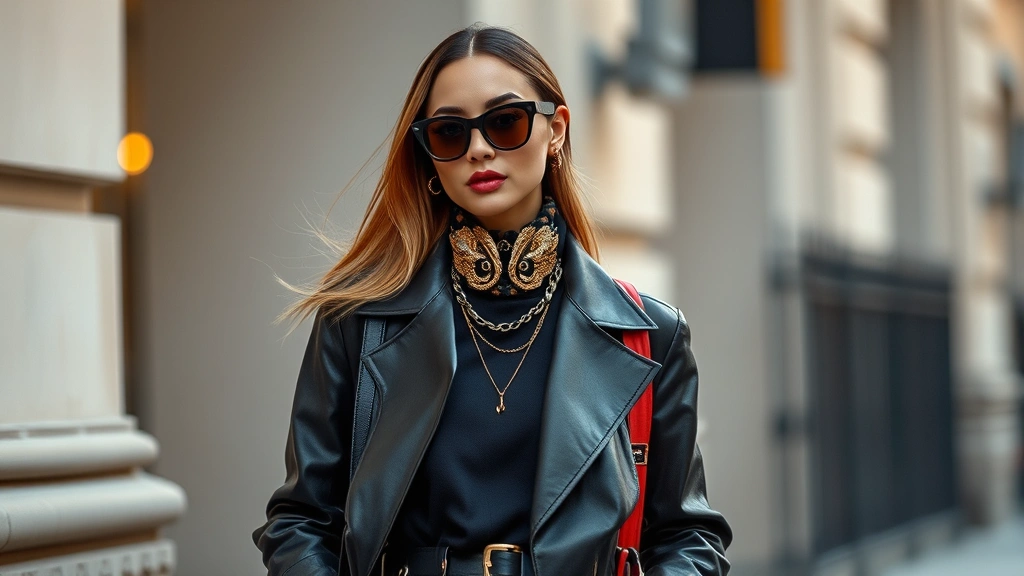
Every fashion icon has recognizable signature elements that define their aesthetic. Audrey Hepburn had her ballet flats and little black dress; Prince had his ruffled shirts and androgynous silhouettes; Diana, Princess of Wales, popularized power shoulders and elegant tailoring. By studying these icons, you can understand how consistency and repetition create a memorable personal brand.
When analyzing your favorite fashion icons, look beyond surface-level outfit choices. Consider how they mix high and low fashion, how they balance trends with timeless pieces, and how they adapt their style over time. Understanding fashion history provides valuable context for why certain icons chose specific silhouettes or colors. Fashion movements don’t emerge in isolation; they respond to cultural moments, technological advances, and social movements.
Modern fashion icons like Timothée Chalamet and Zendaya demonstrate how today’s style leaders blend heritage fashion with contemporary trends. They collaborate with designers, take calculated risks, and maintain a cohesive visual identity across different occasions. Vogue’s coverage of fashion icons provides excellent case studies in how successful stylists and fashion editors help celebrities develop their signature looks. Pay attention to interviews where fashion icons discuss their style philosophy—these insights are invaluable.
Consider creating a personal style reference library. Collect images of your favorite fashion icons in different settings: casual, formal, red carpet, street style. Analyze the recurring elements: Do they favor neutral or bold colors? Do they prefer classic or experimental pieces? Are their outfits meticulously coordinated or deliberately mismatched? This analytical approach helps you identify which elements you want to incorporate into your own style.
Master the Art of Fit and Tailoring
One of the most overlooked aspects of looking like a fashion icon is the importance of proper fit. A perfectly tailored affordable piece will always look more stylish than an expensive garment that doesn’t fit well. Fashion icons understand that tailoring is an investment in their appearance, and they prioritize fit above brand names or price tags.
The most common fit issues include sleeves that are too long, pants that break incorrectly at the ankle, and waistbands that don’t sit at your natural waist. A skilled tailor can transform these problems, elevating your entire presence. Start by finding a reliable tailor in your area—ask friends for recommendations or read reviews online. Build a relationship with them; a good tailor becomes your style partner.
Understanding your body shape is crucial for fit mastery. Are you pear-shaped, apple-shaped, hourglass, or rectangular? Different silhouettes flatter different proportions. Fashion icons aren’t necessarily born with perfect bodies; they’ve learned which cuts and styles complement their unique physiology. They know which styles emphasize their strengths and which to avoid. This knowledge allows them to walk into a store, try on pieces, and immediately recognize what will work for their body.
Investing in tailoring also means understanding basic alterations: hemming, tapering, letting out seams, and adjusting shoulders. Many high-fashion looks that appear effortless are actually the result of meticulous tailoring work. When you see a fashion icon wearing something that looks absolutely perfect, there’s often a tailor’s hand involved. This attention to detail is what separates polished style from sloppy dressing.
Build a Versatile and Intentional Wardrobe
Fashion icons don’t randomly purchase clothing; they strategically build wardrobes that work together cohesively. This doesn’t mean your closet needs to be monochromatic or boring—it means each piece should earn its place by working with multiple other items.
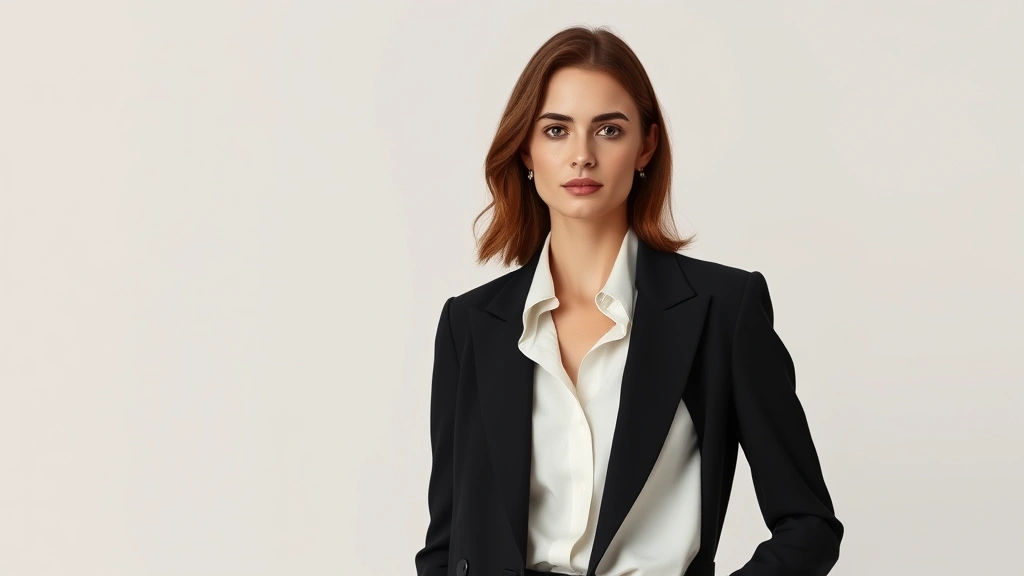
Start with foundational basics that will serve as the backbone of your wardrobe: well-fitting white t-shirts, neutral blazers, quality denim, and simple knits. These pieces are like a canvas; they can be dressed up or down and styled infinitely. From this foundation, add pieces that reflect your personal aesthetic and the occasions you frequent regularly.
The 90s fashion movement taught us valuable lessons about intentional wardrobe building. That era celebrated personal expression through carefully curated combinations of vintage, high-fashion, and streetwear pieces. Modern fashion icons continue this tradition, mixing designer items with affordable basics to create looks that feel fresh and authentic.
Consider the 80/20 rule: 80% of your wardrobe should be versatile pieces that can be mixed and matched, while 20% can be more trend-forward or experimental. This approach ensures you always have plenty of outfit options while allowing room for fashion-forward statements. When investing in pieces, ask yourself: “Can I wear this with at least five other items in my closet?” If the answer is no, reconsider the purchase.
Seasonal wardrobe updates are necessary, but avoid completely replacing your closet each season. Fashion icons maintain a consistent core wardrobe and simply add seasonal accent pieces. This approach is more sustainable, more budget-friendly, and helps you develop a recognizable personal style that evolves subtly rather than transforming dramatically.
Accessorize with Purpose and Confidence
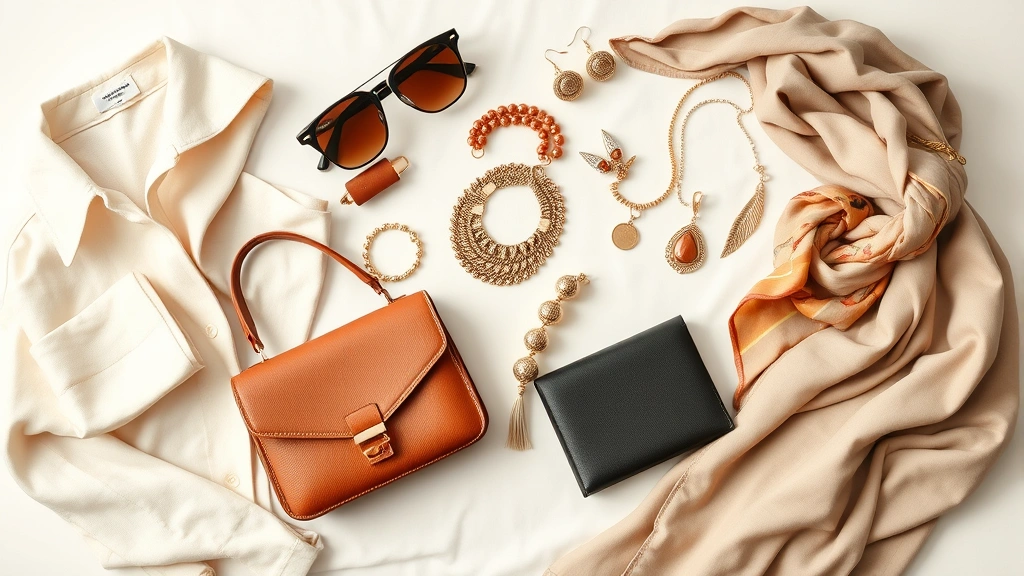
Accessories are where fashion icons truly shine. A simple outfit becomes iconic through the strategic use of accessories that reflect personality and attention to detail. Accessories include jewelry, bags, belts, scarves, hats, shoes, and watches—each plays a crucial role in elevating your overall appearance.
Fashion icons understand that accessories aren’t afterthoughts; they’re integral to the overall aesthetic. A perfectly executed accessory combination can transform a basic outfit into something memorable. Consider how styling bomber jackets becomes elevated with the right accessories—add a silk scarf, gold jewelry, and designer sneakers, and suddenly you have a cohesive, fashion-forward look.
Investment accessories are pieces worth spending money on because they’re timeless and durable: quality leather bags, classic watches, timeless jewelry, and well-made shoes. These items should complement your personal style and work with multiple outfits. A luxury handbag or signature scarf can become your calling card, something people associate with your personal brand.
The key to accessorizing like a fashion icon is restraint combined with intention. Don’t throw on every piece of jewelry you own; instead, select accessories that enhance your outfit’s narrative. If your outfit is already visually complex, keep accessories minimal and sophisticated. If your outfit is simple, accessories become the focal point where you can express personality and creativity.
Develop Your Color Palette Strategy
Color is one of the most powerful tools in a fashion icon’s arsenal. Rather than wearing every color that appeals to you, fashion icons develop a cohesive color palette that complements their skin tone, hair color, and personal aesthetic. This creates instant recognition and makes mixing and matching pieces significantly easier.
Understanding color theory helps you develop a palette that works for you. Undertones matter significantly—your skin has either warm, cool, or neutral undertones, and colors that match these undertones will make you look healthier and more vibrant. Warm undertones are complemented by earthy tones like terracotta, gold, warm reds, and olive. Cool undertones work beautifully with jewel tones, silvers, and cool-toned neutrals. Neutral undertones have flexibility with both warm and cool colors.
Many fashion icons build their wardrobes around a neutral base—black, white, gray, beige, or navy—then add accent colors that feel personal. These accent colors might be seasonal or remain consistent year-round. For example, someone might build their wardrobe around black, white, and gray basics, then incorporate touches of burgundy and gold as their signature accent colors. This approach creates visual cohesion while allowing for personality expression.
Color blocking—wearing contrasting colors together—is a technique many fashion icons use to create bold, memorable looks. However, this should feel intentional rather than accidental. Study how fashion icons use color: Are they creating contrast? Harmony? Using color to draw attention to specific areas? Understanding the psychology of color in fashion helps you make choices that support your overall aesthetic.
Embrace Quality Over Quantity
One of the most significant differences between fashion icons and average dressers is their approach to consumption. Fashion icons invest in quality pieces rather than accumulating quantity. They understand that one well-made garment will serve them better than five poorly-made alternatives.
Quality fabrics feel, look, and wear differently than cheap alternatives. Natural fibers like cotton, silk, wool, and linen typically age better and feel more luxurious than synthetic materials. When examining a garment’s quality, check the seams, hems, and construction details. Are seams straight and well-finished? Is the hem properly hemmed? Do zippers glide smoothly? These details indicate craftsmanship and durability.
Investment pieces are worth spending more money on because they’re worn frequently and last for years. Quality basics, well-made outerwear, classic blazers, and timeless shoes should be purchased with longevity in mind. Fast fashion might seem budget-friendly initially, but the cost-per-wear often works out to be much higher than investing in quality pieces.
Fashion icons also understand the concept of cost-per-wear. A $500 coat worn 100 times costs $5 per wear, while a $50 coat worn five times costs $10 per wear. This framework helps justify spending more on pieces you’ll genuinely love and wear repeatedly. Building a wardrobe of quality pieces takes longer and requires patience, but the result is a closet of items you genuinely love wearing.
Cultivate Confidence and Attitude
Perhaps the most essential element of dressing like a fashion icon is cultivating genuine confidence and attitude. The most beautifully styled outfit falls flat without the confidence to carry it. Fashion icons wear their clothes with an ease and self-assurance that transforms even simple pieces into statements.
Confidence in fashion comes from understanding your style, knowing what works for you, and making deliberate choices rather than following trends blindly. When you wear something because you genuinely love it and know it flatters you, that confidence radiates outward. People respond to authenticity and self-assurance more than they respond to expensive labels or trendy pieces.
Fashion icons often take risks—they wear unexpected color combinations, experiment with silhouettes, and aren’t afraid of looking different. This willingness to stand out is backed by confidence in their personal taste. If you’re constantly second-guessing your outfit choices or seeking validation from others, that uncertainty will be visible. Instead, develop your style philosophy and trust your instincts.
Remember that fashion is meant to be enjoyable and expressive. Fashion icons approach dressing as a creative practice rather than a chore. They experiment, they have fun with their appearance, and they view fashion as a form of self-expression. This playful, confident attitude is contagious and makes their style iconic.
Studying how fashion icons move, pose, and carry themselves is also valuable. Confidence isn’t just about clothing; it’s about posture, attitude, and presence. The way you walk, stand, and interact with others while wearing your outfit matters tremendously. Practice moving with intention and presence—this elevates everything you wear.
FAQ
What’s the first step to developing an iconic personal style?
Start by analyzing your current wardrobe and identifying patterns in colors, silhouettes, and styles you naturally gravitate toward. Create a mood board of fashion inspiration that resonates with you, then look for common themes. This foundation helps you understand your authentic style preferences before making new purchases.
How do I know which fashion icons to study?
Choose fashion icons whose lifestyle and body type somewhat resemble yours. If you work in a corporate environment, study icons known for professional style. If you’re creative and experimental, explore icons known for taking fashion risks. The goal is learning principles you can adapt to your life, not copying someone whose circumstances are completely different.
Is tailoring really necessary for looking stylish?
Absolutely. Proper fit is one of the most overlooked elements of looking polished and put-together. Even expensive designer pieces look mediocre if they don’t fit well, while affordable pieces look expensive and sophisticated when tailored perfectly. Investing in tailoring is one of the best fashion investments you can make.
How can I dress like a fashion icon on a budget?
Focus on building a foundation of quality basics in neutral colors, then add personality through affordable trend pieces and accessories. Shop secondhand for designer pieces and investment items. Mix high and low fashion—pair affordable basics with one or two statement pieces. Quality matters more than quantity, so buy fewer items that you’ll wear repeatedly.
Should my personal style change with trends?
Your core personal style should remain relatively consistent, creating a recognizable aesthetic. However, you can evolve and adapt your style over time. Fashion icons often have signature elements that remain constant while they experiment with trends through accessories, colors, or silhouettes. This balance between consistency and evolution keeps your style fresh without losing your identity.
How do I develop confidence in my fashion choices?
Confidence develops through understanding your style, knowing what flatters you, and making deliberate choices rather than following trends mindlessly. Wear pieces you genuinely love and that make you feel good. Start small with bolder choices if you’re hesitant, and remember that fashion should be enjoyable. The more you practice making intentional style choices, the more confident you’ll become.