Fashion House Trends: Designer Insights
The world of haute couture and luxury fashion houses continues to evolve at a breathtaking pace, setting the tone for global style movements and consumer aspirations. Today’s most prestigious fashion houses are not merely creating clothing; they’re orchestrating cultural moments, challenging conventions, and reimagining what it means to dress with intention and sophistication. From Milan to Paris, from New York to Tokyo, the most influential design ateliers are weaving together heritage craftsmanship with cutting-edge innovation, sustainability consciousness, and digital transformation.
Understanding the current landscape of fashion house trends provides invaluable insight into where personal style is heading and how emerging aesthetics will influence wardrobes worldwide. Whether you’re a dedicated fashion enthusiast, an aspiring designer, or simply someone seeking to elevate your everyday style, the movements happening within these prestigious institutions matter deeply. These trends cascade down from the runway to street style, from editorial spreads to social media feeds, ultimately shaping how we all think about fashion.
Maximalism and Artistic Expression
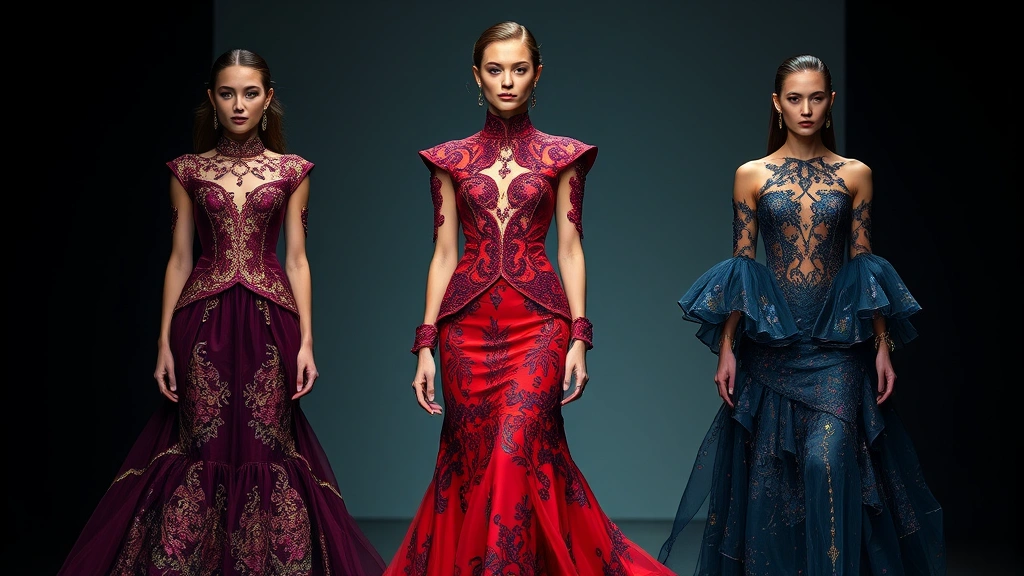
Contemporary fashion houses are embracing maximalism as a powerful counter-narrative to the minimalist aesthetic that dominated the previous decade. Leading design studios are celebrating excess, drama, and unapologetic self-expression through bold color combinations, intricate pattern mixing, and statement-making silhouettes. This movement represents a philosophical shift toward joy, individuality, and the rejection of understated restraint.
The resurgence of maximalist design reflects broader cultural conversations about authenticity and personal identity. When you discover your personal style, you’re often drawn to pieces that communicate your innermost values and aesthetic preferences. Fashion houses recognize this and are creating collections that encourage wearers to make bold declarations through their wardrobe choices. Designers are layering textures, combining unexpected materials, and creating pieces that demand attention and conversation.
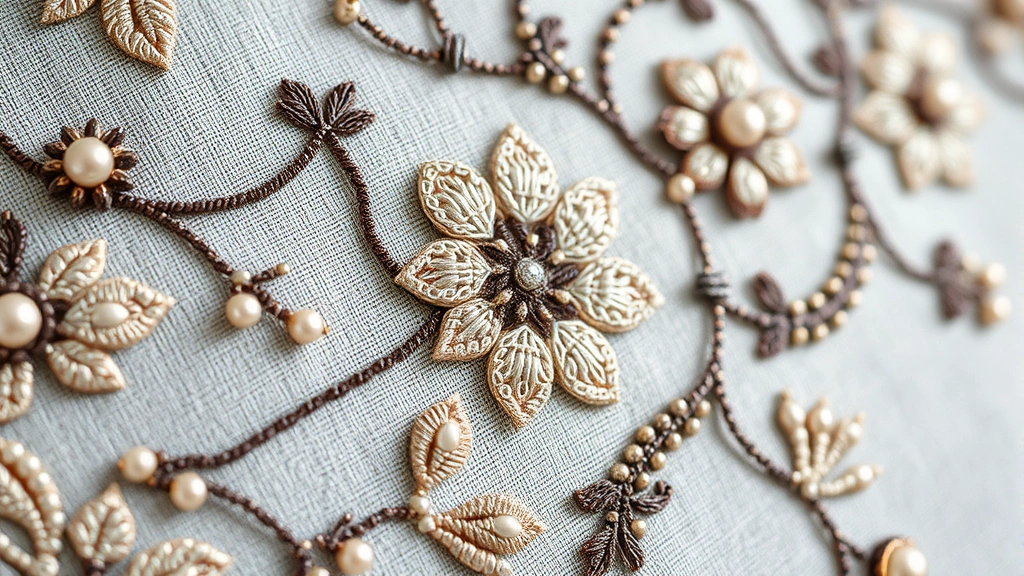
This trend manifests in several key ways: oversized proportions, vibrant jewel tones, elaborate embellishments, and complex textile combinations. Luxury houses are investing heavily in hand-crafted details, beading, embroidery, and three-dimensional fabric manipulation. The message is clear: more is more, and fashion should be a celebration of creativity and individuality rather than a whispered suggestion.
Sustainable Luxury and Ethical Innovation
Perhaps the most significant shift in fashion house philosophy involves the integration of sustainability and ethical practices into the core of luxury design. High-end fashion brands are no longer treating environmental consciousness as a marketing afterthought; instead, they’re fundamentally reimagining production processes, material sourcing, and supply chain transparency.
Leading fashion houses are partnering with innovative material scientists to develop luxury textiles from regenerated fibers, lab-grown alternatives, and upcycled waste materials. These aren’t compromises on quality or aesthetics—they’re genuine innovations that expand what luxury can mean. Brands are publishing detailed sustainability reports, limiting production runs to reduce waste, and investing in artisanal communities that practice time-honored techniques sustainably.
This commitment extends to understanding fashion history and its environmental impact. By studying how fashion has evolved, contemporary designers are learning from past mistakes and creating a more responsible future. The luxury consumer increasingly demands transparency, and fashion houses that embrace this accountability are building deeper brand loyalty and cultural relevance.
The intersection of luxury and sustainability has created a new aesthetic language: refined, intentional, and conscious. Pieces are designed for longevity, investment value, and meaningful impact. This approach aligns perfectly with the growing understanding that true luxury lies in quality, ethics, and timelessness rather than disposability.
Digital Integration and Metaverse Fashion
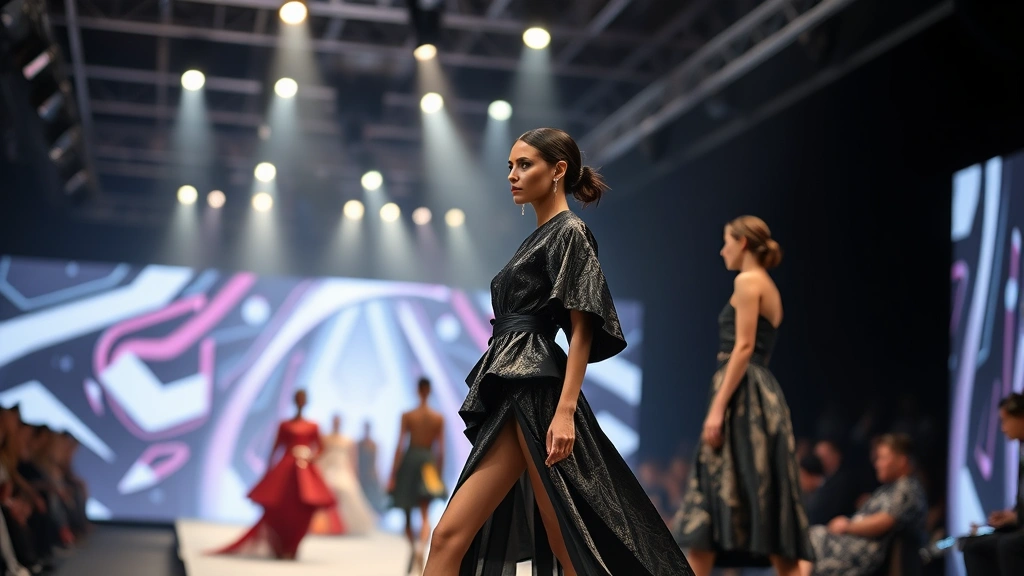
Fashion houses are rapidly adapting to a digital-first world where virtual fashion experiences rival physical ones in cultural significance and creative possibility. The metaverse has become a legitimate platform for design innovation, allowing fashion houses to experiment with physics-defying silhouettes, impossible color combinations, and interactive garment experiences impossible in the physical realm.
Major luxury brands are launching digital-only collections, hosting immersive fashion shows in virtual spaces, and creating NFT-based exclusivity experiences. This isn’t merely a technological novelty; it represents a fundamental expansion of what fashion can be. Designers are liberated from the constraints of gravity, material physics, and traditional construction when working in digital spaces, leading to genuinely innovative creative expression.
However, luxury fashion houses are careful to maintain the exclusivity and craftsmanship that define their brands. Digital innovations enhance rather than replace physical artistry. The most successful fashion houses are creating seamless experiences between digital and physical worlds, where virtual pieces can inspire physical collections and vice versa. This omnichannel approach ensures that heritage and innovation coexist harmoniously.
” alt=”Luxury designer showcasing avant-garde collection with dramatic lighting and sophisticated models”>
The most compelling fashion house trend involves the sophisticated dialogue between heritage craftsmanship and hypermodern aesthetics. Established luxury houses with centuries of tradition are increasingly collaborating with emerging designers, street style influencers, and contemporary artists to inject fresh energy into their DNA while honoring their historical significance. This approach creates remarkable tension and beauty: a Savile Row tailoring technique rendered in futuristic materials, a traditional embroidery method applied to deconstructed silhouettes, or historical archive patterns reinterpreted through contemporary color palettes. Fashion houses are mining their own histories for inspiration while completely reimagining execution and presentation. The relationship between tradition and innovation becomes particularly interesting when exploring current fashion discussions and trends. Contemporary designers understand that brand heritage provides authenticity and narrative depth that new brands struggle to establish. By respectfully engaging with historical elements while pushing boundaries, fashion houses create collections that feel simultaneously timeless and urgently contemporary. This trend also reflects consumer psychology: luxury buyers increasingly value the story behind their purchases. Understanding that a garment incorporates techniques passed down through generations while incorporating cutting-edge innovation adds tremendous value and meaning. Fashion houses are becoming storytellers as much as designers, creating emotional connections through the narrative of heritage meeting innovation. The rigid gender binaries that historically structured fashion collections are dissolving, replaced by fluid, inclusive design philosophies that celebrate individuality over categorization. Fashion houses are increasingly presenting unified collections rather than separate men’s and women’s lines, creating garments designed to work for all bodies and all self-expressions. This shift represents far more than a commercial strategy; it reflects genuine cultural evolution. Designers are recognizing that fashion’s power lies in its ability to help people express their authentic selves, regardless of how that identity relates to traditional gender constructs. Oversized silhouettes, adjustable fits, and unisex color palettes are becoming standard luxury offerings rather than niche products. The most innovative fashion houses are collaborating with gender-fluid style icons, featuring diverse body types in campaigns, and designing collections that transcend categorical thinking. This approach actually expands creative possibility—designers freed from gender constraints can explore proportions, fabrics, and details that might not have been considered within traditional frameworks. Contemporary fashion houses are applying sophisticated color psychology to their collections, recognizing that color choice profoundly influences both wearer psychology and viewer perception. Rather than following predictable seasonal color forecasts, luxury brands are creating intentional emotional palettes that communicate specific moods, philosophies, and cultural moments. Trending color directions include rich, saturated jewel tones that convey luxury and confidence; earthy, warm neutrals that communicate sustainability and groundedness; and unexpected combinations that challenge conventional color harmony. Fashion houses are working with color theorists and psychologists to understand how specific hues affect mood, confidence, and social perception. This emotional approach to color reflects broader consumer understanding about how clothing influences wellbeing. When you learn to style statement pieces like bomber jackets, you’re engaging with color psychology intuitively. Fashion houses are making this process more intentional and sophisticated, helping consumers understand how color choices align with their emotional and social goals. In an era of mass production and fast fashion, luxury houses are doubling down on craft mastery, hand-executed details, and artisanal techniques that showcase human skill and dedication. Runway presentations increasingly highlight the hands of craftspeople, celebrating the intricate work that distinguishes luxury from commodity. Fashion houses are establishing design apprenticeships, supporting traditional craft communities, and investing in techniques that might otherwise disappear. Hand-pleating, hand-beading, hand-painting, and other labor-intensive processes are being elevated as markers of true luxury. This represents both an aesthetic and philosophical statement: that time, skill, and human touch are valuable and worth celebrating. For aspiring designers seeking to understand this landscape, exploring leading fashion design schools reveals how contemporary education emphasizes both technical mastery and conceptual innovation. The most prestigious programs teach students that craftsmanship and creativity are inseparable—that understanding how to execute a technique perfectly provides the foundation for breaking rules meaningfully. This emphasis on craft also connects to sustainability and longevity. Garments created through artisanal processes tend to be more durable, more repairable, and more worthy of long-term investment. Fashion houses are creating pieces designed to be treasured, worn for years, and potentially passed to future generations—a radical departure from disposable fashion culture.Heritage Meets Hypermodernity
Gender-Fluid Design Revolution
Color Psychology and Emotional Dressing
Craft Mastery and Artisanal Details
” alt=”Detailed close-up of intricate hand-embroidery and beading on luxury fabric with rich textures”>
A fashion house typically refers to an established luxury brand with significant heritage, distinctive design philosophy, and often a named founder whose vision continues to influence the brand’s aesthetic. Fashion houses typically emphasize craftsmanship, heritage, and creative direction, whereas fashion brands may encompass broader commercial enterprises. However, this distinction has become increasingly blurred as successful contemporary fashion brands develop their own heritage and creative identity. Fashion houses typically present collections during fashion weeks, traditionally twice yearly (spring/summer and fall/winter). However, contemporary fashion houses increasingly challenge this schedule, presenting collections on their own timelines or creating capsule releases throughout the year. Collection decisions involve trend forecasting, brand philosophy, designer vision, and market analysis. Many fashion houses now incorporate customer feedback and real-time data into collection planning. These collaborations serve multiple purposes: they inject fresh creative energy into established brands, introduce fashion house aesthetics to younger audiences, provide emerging designers with significant exposure and resources, and generate excitement and media attention. Collaborations also allow fashion houses to explore new creative directions while maintaining brand identity through experienced leadership. Heritage remains extremely valuable, providing narrative depth, authenticity, and emotional connection that newer brands struggle to establish. However, heritage must be actively reinterpreted through contemporary lens to remain relevant. Fashion houses that successfully balance respect for tradition with bold innovation tend to command strongest loyalty and cultural influence. Fashion houses significantly influence global style through runway presentations covered by major media, designer relationships with style influencers and celebrities, and the inherent cultural authority they’ve accumulated over decades. However, contemporary trend-setting is increasingly bidirectional—street style, social media, and consumer behavior also influence fashion house collections. The most successful fashion houses engage in constant dialogue with cultural movements rather than dictating trends unilaterally. Leading fashion houses are expanding size ranges, featuring diverse models in campaigns, creating gender-fluid collections, and ensuring representation across design teams and leadership. This reflects both ethical commitments and business recognition that luxury consumers increasingly expect and demand inclusivity. However, progress remains ongoing, with many fashion houses continuing to evolve their approaches.FAQ
What defines a fashion house versus a fashion brand?
How do fashion houses decide on seasonal collections?
Why do luxury fashion houses collaborate with emerging designers?
How important is fashion house heritage in today’s market?
What role do fashion houses play in setting global trends?
How are fashion houses addressing diversity and inclusion?
For deeper exploration of fashion trends and style evolution, consult resources like Vogue, Business of Fashion, and The Fashion Spot for authoritative industry insights and trend analysis.