Ouji Fashion Guide: Expert Insights
Ouji fashion represents one of the most captivating and sophisticated subcultures within Japanese street fashion, blending aristocratic elegance with contemporary style sensibilities. This distinctive aesthetic draws inspiration from Victorian and Edwardian menswear, creating a unique sartorial language that celebrates refined masculinity and intellectual sophistication. Whether you’re a seasoned fashion enthusiast or discovering this trend for the first time, understanding ouji fashion opens doors to a world of creative self-expression and cultural appreciation.
The ouji aesthetic has evolved significantly over the past two decades, transitioning from niche underground movement to globally recognized fashion phenomenon. Today, style enthusiasts worldwide embrace ouji’s core principles: impeccable tailoring, vintage-inspired silhouettes, and meticulous attention to detail. This comprehensive guide explores the essential elements, styling techniques, and expert perspectives that define contemporary ouji fashion.
Understanding Ouji Fashion Fundamentals
Ouji fashion, often called “prince style” or “boy style,” emerged from Japanese street fashion culture as a feminine interpretation of classic European aristocratic menswear. Unlike its sister aesthetic, lolita fashion which emphasizes doll-like femininity, ouji celebrates androgynous elegance and sharp tailoring. The style draws heavily from historical fashion periods, particularly the Victorian and Edwardian eras when tailored coats, waistcoats, and structured silhouettes dominated men’s wardrobes.
The philosophy behind ouji fashion transcends mere aesthetic appreciation; it represents a deliberate choice to embrace alternative fashion narratives and challenge conventional gender expression. Practitioners of ouji fashion, known as oujis, view their style as a form of artistic identity rather than simple clothing preference. This perspective aligns with broader fashion movements that celebrate individuality and reject mainstream uniformity.
Understanding ouji requires recognizing its cultural context within Japanese fashion subcultures. Japan’s fashion landscape has long encouraged experimental self-expression, creating fertile ground for niche aesthetics to flourish. Vogue has extensively documented how Japanese street fashion continues influencing global trends, and ouji represents a significant chapter in this ongoing narrative.
Key Elements and Silhouettes
The foundation of ouji fashion rests upon several distinctive silhouettes that immediately communicate the aesthetic’s core identity. Structured blazers with refined tailoring form the backbone of most ouji outfits, providing sharp lines and authoritative presence. These blazers typically feature:
- Tailored waistlines that create defined structure
- Notch lapels or peak lapels in classic configurations
- Subtle details like buttons, piping, or embroidery
- Lengths ranging from hip-length to mid-thigh
- Precision tailoring throughout the garment
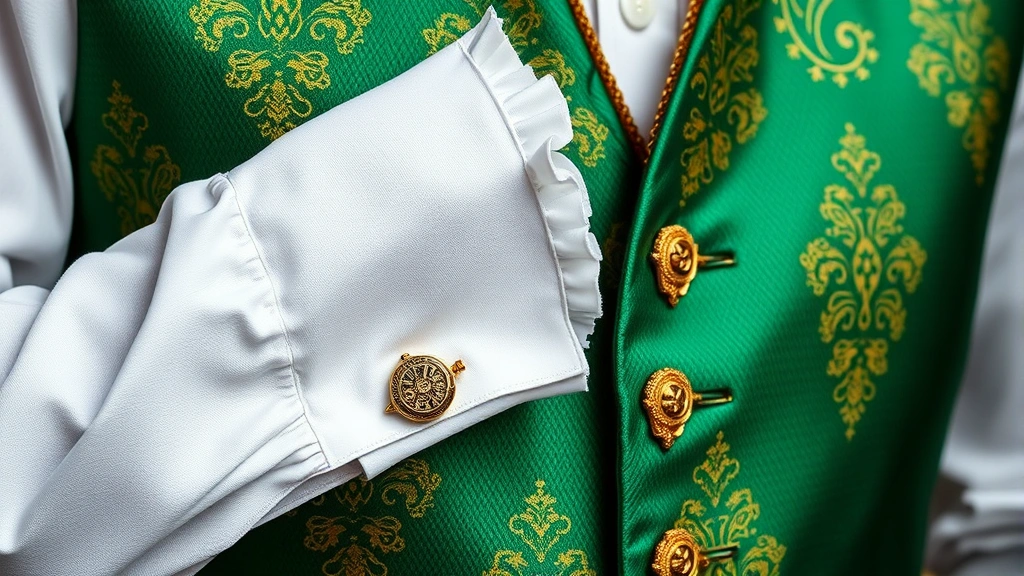
Waistcoats and vests serve as essential layering pieces within the ouji aesthetic, adding dimensional depth and visual interest. These pieces often feature decorative elements such as brocade patterns, velvet textures, or intricate embroidery. The waistcoat’s structured nature creates the silhouette’s characteristic sharpness, emphasizing the wearer’s torso and creating elegant proportions.
Trousers and breeches represent another critical component of authentic ouji styling. High-waisted designs with crisp creases maintain the aesthetic’s formal sophistication, while materials range from traditional wool to contemporary blends. Some oujis embrace knickerbockers or cropped breeches paired with knee-high socks, creating distinctly vintage-inspired proportions.
Shirts form the foundational layer beneath ouji’s structured pieces. Traditionally, white or cream-colored dress shirts with ruffled cuffs or jabots add romantic flourishes that balance masculine tailoring with delicate details. Collar styles vary from Peter Pan collars to classic pointed collars, each offering distinct aesthetic impacts.
Color Palettes and Fabric Choices
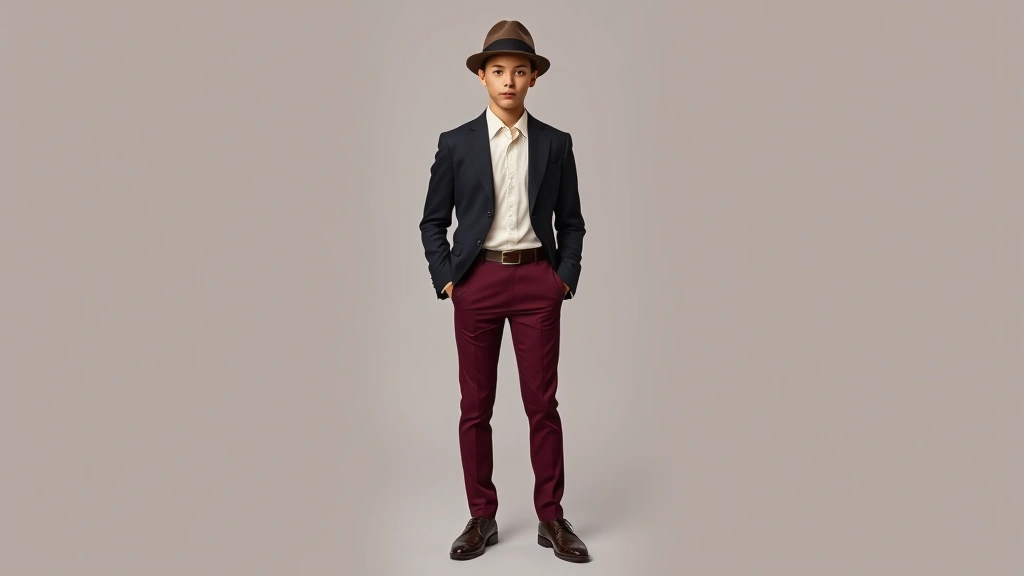
Ouji fashion employs a carefully curated color palette that emphasizes sophistication and timeless appeal. Neutral tones dominate the aesthetic, with black, navy, burgundy, chocolate brown, and cream serving as primary colors. These foundational hues provide stability and elegance while allowing decorative elements to command attention.
Secondary colors appear as accents and embellishments rather than dominant design features. Rich jewel tones like emerald, sapphire, and amethyst add luxurious depth, while muted pastels such as pale pink, soft lavender, and champagne gold introduce romantic sensibilities. The key principle underlying ouji color selection involves maintaining visual coherence and sophisticated restraint.
Fabric selection profoundly influences ouji’s overall aesthetic and perceived quality. Premium materials communicate dedication to the style:
- Wool and wool blends – Traditional tailoring material providing structure and elegance
- Cotton and cotton blends – Comfortable alternatives maintaining crisp appearance
- Velvet and corduroy – Textured options adding visual dimension
- Brocade and jacquard – Patterned fabrics introducing decorative complexity
- Silk and silk blends – Luxurious materials elevating special occasion pieces
- Linen – Lightweight option suitable for warmer climates
When exploring personal style development, understanding fabric properties helps create cohesive ouji presentations. Quality fabrics maintain their structure throughout wear, supporting the aesthetic’s essential tailored appearance.
Styling Ouji Outfits for Different Occasions
Versatility represents one of ouji fashion’s greatest strengths, allowing practitioners to adapt the aesthetic across diverse social contexts. Casual ouji styling emphasizes comfort without sacrificing elegance, incorporating simpler blazers, comfortable trousers, and minimal accessories. This approach proves perfect for daily wear, creative work environments, or casual social gatherings.
Business and professional applications of ouji fashion require particular attention to context and workplace culture. Conservative interpretations utilizing classic tailoring, neutral colors, and minimal decorative elements integrate seamlessly into corporate environments. The aesthetic’s inherent sophistication aligns naturally with professional expectations, making ouji an excellent choice for ambitious professionals seeking distinctive style.
Special occasion ouji styling embraces the aesthetic’s most elaborate possibilities. Formal events call for premium fabrics, intricate embroidery, ornate waistcoats, and carefully coordinated accessories. These occasions allow oujis to showcase the full spectrum of their creative vision, incorporating statement pieces and elaborate details typically reserved for special moments.
Evening and nightlife presentations of ouji fashion lean toward dramatic interpretation, featuring darker color palettes, richer fabrics, and more pronounced embellishments. This context permits experimental styling choices that might feel excessive in daylight settings, transforming ouji into an evening aesthetic that commands attention.
Building Your Ouji Wardrobe
Establishing a functional ouji wardrobe requires strategic investment and thoughtful prioritization. Begin with foundational pieces that establish the aesthetic’s core identity: a well-tailored black blazer, cream or white dress shirt, and high-waisted trousers form the essential starting point. These basics combine easily with additional pieces while establishing your ouji foundation.
Secondary tier items expand your styling possibilities without requiring excessive expenditure. A burgundy or navy blazer, neutral-colored waistcoat, and alternative trouser styles provide variety while maintaining cohesive aesthetic direction. These pieces should coordinate with your foundation garments, creating multiple outfit combinations.
Tertiary items introduce personal flair and distinctive character to your ouji presentation. Statement waistcoats with decorative patterns, blazers featuring unique tailoring details, and accent pieces reflecting your individual preferences distinguish your style from generic ouji presentations. This tier represents where personal creativity truly flourishes.
When building your wardrobe, consider consulting fashion design school perspectives on garment construction and quality indicators. Understanding what distinguishes well-made pieces from poorly constructed alternatives ensures your investments retain value and appearance over time.
Accessories and Details
Accessories transform basic ouji outfits into complete, polished presentations. Carefully selected accessories communicate attention to detail and demonstrate genuine engagement with the aesthetic. Hats represent quintessential ouji accessories, with options including:
- Top hats and cylinder hats for formal occasions
- Fedoras and similar brimmed styles for casual wear
- Berets and newsboy caps for softer presentations
- Bonnets and vintage-inspired styles for romantic interpretations
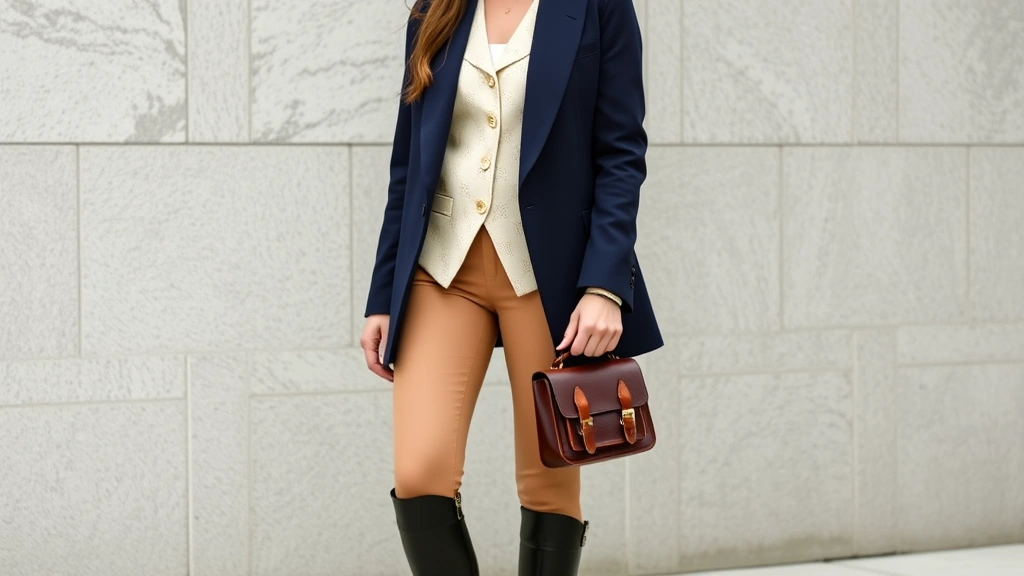
Footwear significantly impacts ouji’s overall aesthetic coherence. Dress shoes with polished finishes, oxford styles, or vintage-inspired designs maintain the formal elegance inherent to the aesthetic. Boots ranging from knee-high to ankle styles provide alternative options while preserving sophisticated presentation. Socks serve functional and decorative purposes, with patterned, striped, or solid options adding visual interest to trouser hemlines.
Jewelry and metallic accents should maintain restraint and sophistication. Vintage-inspired pieces, pocket watches with chains, and delicate brooches add refined touches without overwhelming the outfit. Silver and gold finishes work equally well, though consistency within individual outfits creates more cohesive presentations.
Bags and carrying accessories complete functional ouji styling. Structured handbags, satchels, or crossbody bags in leather or similar materials complement the aesthetic’s refined nature. These pieces should prioritize functionality while maintaining visual sophistication.
Modern Interpretations and Evolution
Contemporary ouji fashion continues evolving while maintaining respect for foundational aesthetic principles. Modern practitioners experiment with silhouette variations, incorporating contemporary tailoring techniques alongside vintage inspiration. This evolution reflects broader fashion trends toward gender-nonconforming expression and individual identity assertion.
Fusion approaches combining ouji with other aesthetics create innovative presentations. Steampunk influences introduce industrial elements and mechanical-inspired accessories, while gothic interpretations emphasize darker palettes and dramatic styling. These hybrid aesthetics maintain ouji’s core sophistication while expanding creative possibilities.
Sustainable fashion perspectives increasingly influence ouji practitioners’ purchasing decisions. Vintage and secondhand shopping aligns naturally with the aesthetic’s historical inspiration, allowing practitioners to source authentic period pieces while supporting environmental responsibility. Many oujis actively embrace vintage sourcing as both practical and philosophically aligned with their style choices.
Social media and online communities have democratized ouji fashion access and knowledge sharing. Instagram communities and dedicated fashion forums connect practitioners globally, facilitating style inspiration exchange and community building. This connectivity has transformed ouji from insular Japanese subculture into international fashion movement.
Professional fashion institutions increasingly recognize alternative aesthetics’ cultural significance. Fashion institutes incorporate subculture studies into curricula, acknowledging how movements like ouji challenge conventional fashion narratives and expand creative possibilities. This academic recognition legitimizes alternative fashion practices within broader industry contexts.
The intersection of ouji fashion with mainstream fashion occasionally produces unexpected collaborations. Designer interpretations of ouji aesthetic elements reach broader audiences, though dedicated practitioners often maintain critical perspectives regarding commercialization. This tension between mainstream adoption and subcultural authenticity continues shaping ouji’s evolution.
Looking forward, ouji fashion appears positioned for continued growth and development. Younger generations discovering the aesthetic bring fresh perspectives while respecting established conventions. This intergenerational dialogue ensures the style remains vital and relevant while maintaining connection to its historical roots and philosophical foundations.
FAQ
What exactly defines ouji fashion?
Ouji fashion, or “prince style,” represents a Japanese street fashion aesthetic inspired by Victorian and Edwardian aristocratic menswear. It emphasizes tailored silhouettes, refined details, and androgynous elegance, allowing wearers to express alternative fashion identity through sophisticated styling.
Can anyone wear ouji fashion regardless of gender?
Absolutely. Ouji fashion celebrates gender-nonconforming expression and welcomes practitioners of all gender identities. The aesthetic’s core appeal lies in its sophisticated tailoring and refined presentation rather than gender-specific conventions. This inclusive philosophy represents one of ouji’s most distinctive characteristics.
Where can I find authentic ouji pieces?
Dedicated Japanese fashion retailers specializing in alternative aesthetics offer authentic ouji pieces, though options have expanded significantly. Vintage and secondhand markets provide historically accurate garments, while contemporary designers increasingly create ouji-inspired pieces. Online communities often share sourcing recommendations and retailer suggestions.
How much should I budget for building an ouji wardrobe?
Budget requirements vary based on quality preferences and sourcing choices. Beginning with basic pieces from accessible retailers requires modest investment, while premium vintage pieces or designer collaborations command higher prices. Strategic purchasing and prioritization allow gradual wardrobe development across various budget levels.
Is ouji fashion practical for everyday wear?
Yes, ouji fashion adapts well to everyday contexts. Casual interpretations prioritize comfort and practicality while maintaining aesthetic coherence. Many practitioners successfully integrate ouji styling into daily routines, professional environments, and social situations, demonstrating the aesthetic’s remarkable versatility.
How does ouji differ from lolita fashion?
While both represent Japanese street fashion subcultures, ouji and lolita emphasize different aesthetic directions. Lolita prioritizes doll-like femininity and romantic details, while ouji celebrates aristocratic menswear inspiration and androgynous elegance. Though practitioners sometimes blend elements, the aesthetics maintain distinct identities and philosophical foundations.
Can I mix ouji with other fashion styles?
Mixing ouji with other aesthetics represents an established practice within fashion communities. Fusion approaches create innovative presentations while maintaining respect for ouji’s foundational principles. However, successful blending requires thoughtful consideration to maintain visual coherence and aesthetic integrity.
What role does social media play in ouji fashion communities?
Social media platforms facilitate global community building, inspiration sharing, and knowledge exchange among ouji practitioners. Online spaces enable connection across geographic boundaries, allowing enthusiasts to discuss styling techniques, sourcing strategies, and aesthetic evolution. This connectivity has significantly expanded ouji’s reach and influence.