Is Vintage Fashion Still Relevant? Expert Opinions on Timeless Style
The debate surrounding vintage fashion has never been more vibrant. While some fashion enthusiasts argue that vintage pieces represent the pinnacle of craftsmanship and authenticity, others question whether secondhand and retro styles can compete with contemporary design innovation. The truth? Vintage fashion isn’t just relevant—it’s experiencing a cultural renaissance that transcends mere nostalgia. From high-fashion runways to street style, vintage elements have become essential components of modern wardrobes, blending heritage aesthetics with contemporary sensibilities.
Fashion industry experts, designers, and style influencers are increasingly recognizing that vintage fashion addresses critical concerns in today’s world: sustainability, individuality, and conscious consumption. The vintage market has exploded into a multi-billion dollar industry, with platforms dedicated to curating preloved pieces and designers incorporating archival inspiration into their collections. This comprehensive exploration examines why vintage fashion remains profoundly relevant, what industry leaders are saying, and how you can authentically integrate timeless pieces into your wardrobe.
The Renaissance of Vintage Fashion in Contemporary Culture
Vintage fashion has undergone a dramatic transformation from being relegated to thrift stores and costume departments to becoming a cornerstone of modern style. This renaissance isn’t coincidental—it reflects broader cultural shifts toward authenticity, sustainability, and individualism. According to Vogue, vintage fashion represents a rebellion against fast fashion’s homogenization, offering consumers the opportunity to express unique identities through curated, historically significant pieces.
The accessibility of vintage pieces has democratized luxury fashion. Someone can now own a Chanel bag from the 1970s or a pristine Yves Saint Laurent coat without the contemporary luxury price tag. This accessibility has attracted younger generations who view vintage shopping as both an environmental and financial statement. The complete fashion history timeline demonstrates how cyclical fashion truly is, with vintage pieces representing documented moments of design excellence.
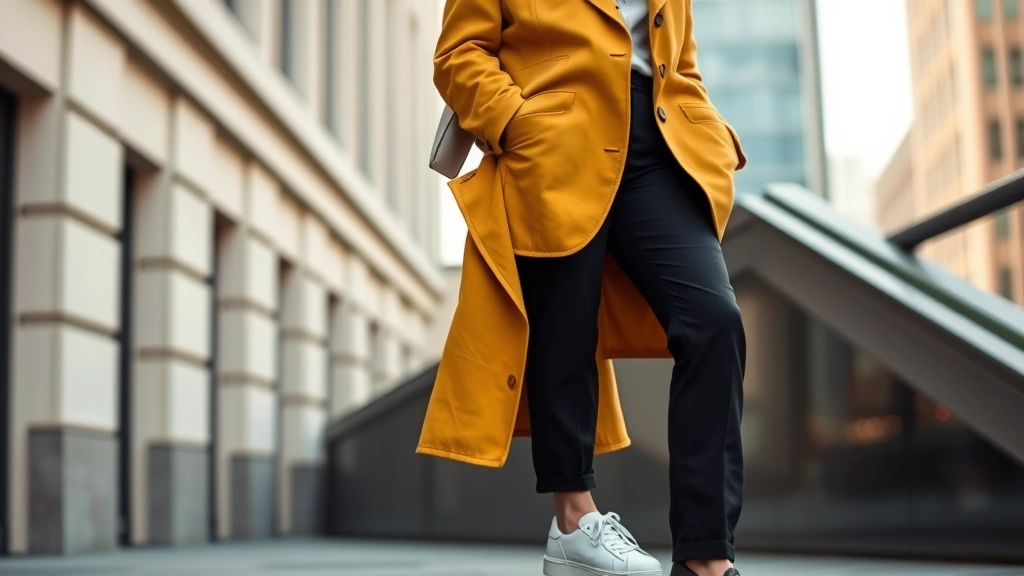
Interestingly, vintage fashion has become aspirational rather than nostalgic. Millennials and Gen Z don’t wear vintage pieces to recreate their parents’ era—they wear them to establish something entirely new. Mixing a 1960s Dior dress with contemporary sneakers, or pairing a 1980s leather jacket with modern minimalist pieces, creates hybrid aesthetics that feel fresh and intentional. This approach to styling represents the ultimate form of personal expression in fashion.
Expert Perspectives on Vintage Fashion’s Enduring Relevance
Industry experts unanimously agree that vintage fashion transcends trend cycles. Business of Fashion reports that luxury brands are increasingly investing in heritage narratives, recognizing that consumers value provenance and historical context. This shift validates what vintage fashion enthusiasts have always known: quality craftsmanship and thoughtful design never become obsolete.
Fashion historians emphasize that vintage pieces serve as educational tools and inspiration sources. When you study 90s fashion trends, you’re not just examining past aesthetics—you’re understanding the cultural, political, and social contexts that shaped design decisions. This knowledge informs contemporary creativity and helps designers avoid derivative work.
Leading fashion educators at institutions like best fashion design schools incorporate vintage study into their curricula. Students analyze construction techniques, fabric choices, and design principles evident in archival pieces. This academic validation demonstrates that vintage fashion possesses intellectual and creative merit beyond sentimental value.
Elle Magazine recently featured interviews with contemporary designers who explicitly credit vintage inspiration for their collections. These designers don’t copy vintage aesthetics; instead, they extract design principles and recontextualize them for modern consumers. This approach honors fashion heritage while pushing innovation forward.
Celebrity stylists and fashion consultants have become vocal advocates for vintage integration. They recognize that vintage pieces provide distinctive styling solutions that distinguish clients in an oversaturated contemporary market. A carefully selected vintage accessory or garment elevates entire outfits and communicates sophisticated taste.
Sustainability and Ethical Fashion Imperatives
Perhaps the most compelling argument for vintage fashion’s relevance is its environmental and ethical sustainability. The fashion industry ranks among the world’s largest polluters, with fast fashion particularly egregious in its resource consumption and waste generation. Vintage fashion directly counters this narrative by extending garment lifecycles and reducing demand for new production.
When you purchase vintage, you’re actively participating in circular fashion economy principles. Instead of contributing to landfills, you’re giving quality garments additional decades of utility. This conscious consumption approach aligns with growing consumer awareness about fashion’s environmental footprint. Studies show that younger consumers increasingly factor sustainability into purchasing decisions, making vintage fashion not just relevant but essential to their values.
Ethical considerations extend beyond environmental impact. Vintage fashion avoids the labor exploitation concerns associated with contemporary garment manufacturing. While contemporary production raises questions about worker compensation, factory conditions, and supply chain transparency, vintage pieces have already fulfilled their original production obligations. Purchasing them doesn’t perpetuate exploitative systems.
The vintage fashion industry has responded to this demand by establishing authentication standards and transparent sourcing practices. Reputable vintage retailers provide detailed information about garment provenance, condition, and care requirements. This transparency builds consumer trust and legitimizes vintage fashion as a thoughtful, informed purchasing decision rather than a budget compromise.
Vintage Styles Dominating Modern Trends
Current fashion trends overwhelmingly demonstrate vintage fashion’s relevance. Maxi skirts, oversized blazers, low-rise jeans, and mini bags—all vintage-inspired silhouettes—dominate contemporary runways and street style. Designers consistently reference archival periods, from 1970s bohemian aesthetics to 1990s minimalism, indicating that vintage inspiration fuels modern creativity.
Color palettes and fabric choices also reflect vintage influence. Muted earth tones, rich jewel hues, and natural fibers like linen and wool—hallmarks of vintage garments—have replaced the bright synthetic colors of recent fast-fashion eras. This shift suggests a collective recognition that vintage aesthetics possess timeless appeal precisely because they weren’t designed for disposability.
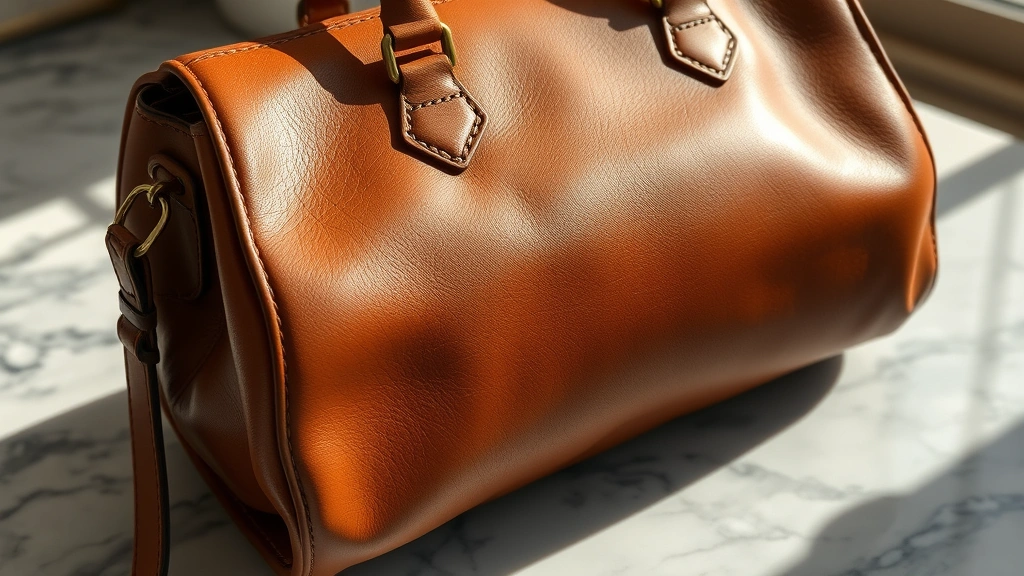
Accessories particularly showcase vintage fashion’s modern relevance. Vintage leather handbags, silk scarves, brooches, and jewelry add distinctive character to contemporary outfits. These pieces serve as conversation starters and style statements, communicating that the wearer values quality, history, and individuality. Understanding how to find your personal style often involves incorporating meaningful vintage elements that resonate with your aesthetic philosophy.
Specific vintage decades are experiencing renewed popularity. The 1970s influence appears in bohemian silhouettes, earth tones, and wide-leg pants. The 1980s resurfaces through power shoulders, bold patterns, and statement jewelry. The 1990s minimal aesthetic appeals to consumers seeking understated sophistication. This cyclical revival of specific eras demonstrates that vintage fashion doesn’t exist as monolithic nostalgia but rather as a diverse palette of design possibilities.
How to Style Vintage Pieces in Contemporary Contexts
Successfully integrating vintage fashion into modern wardrobes requires intentionality and understanding. The key principle is avoiding costumey or historically inaccurate styling. When you wear vintage pieces, you’re not attempting to recreate past eras—you’re creating hybrid aesthetics that feel current and personal.
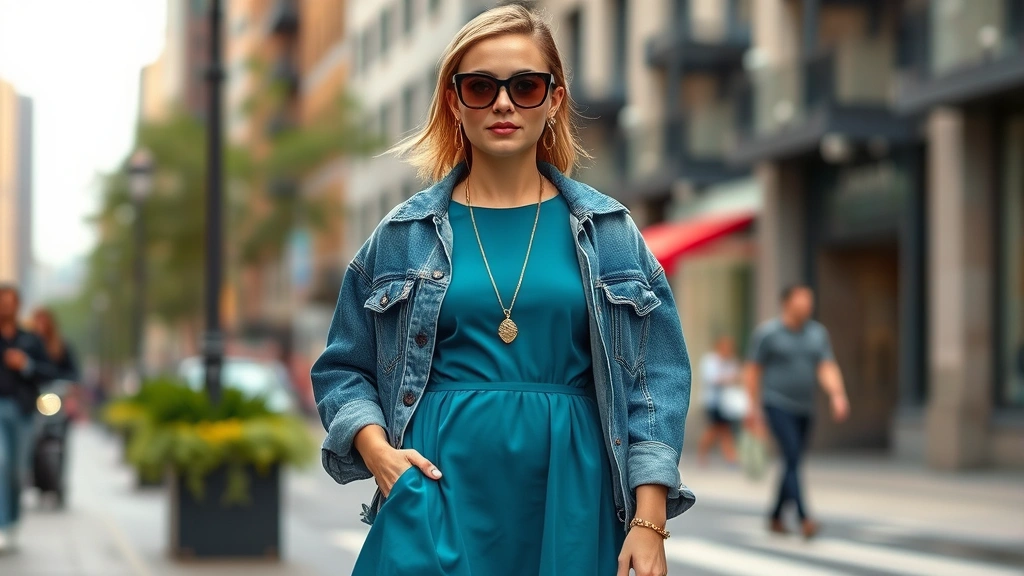
Begin by learning styling techniques that juxtapose vintage and contemporary elements. Pair a 1960s dress with modern sneakers and a contemporary leather jacket. Combine a vintage blazer with current-season jeans and accessories. This mixing approach prevents vintage pieces from feeling dated or costume-like.
Consider proportion and silhouette when selecting vintage pieces. A perfectly proportioned vintage garment that flatters your body will always feel relevant, regardless of its original era. Conversely, a trendy contemporary piece in an unflattering silhouette will appear dated within seasons. This principle validates vintage fashion’s superiority in terms of lasting appeal and wearability.
Quality assessment is crucial when shopping vintage. Examine construction, fabric condition, and overall durability. Well-made vintage pieces often surpass contemporary equivalents in quality, justifying their relevance and investment value. Learn to identify superior fabrics, precise seaming, and thoughtful design details that distinguish quality garments from disposable fast fashion.
Authentication and provenance enhance vintage fashion’s value and relevance. Knowing a piece’s designer, approximate production date, and cultural significance adds layers of meaning to your wardrobe. This knowledge transforms vintage shopping from budget-conscious necessity into informed, intentional curation. Visit StyleLoom Daily Blog for curated vintage styling inspiration and trend analysis.
The Investment Value of Vintage Fashion
Beyond immediate style benefits, vintage fashion possesses genuine investment potential. Certain vintage pieces appreciate in value, particularly designer items from significant fashion moments. Limited-edition vintage Hermès bags, iconic Chanel jackets, and rare Dior dresses have become collectible assets rivaling traditional investments.
This investment appreciation validates vintage fashion’s relevance as more than aesthetic choice—it’s a financial decision. Collectors and investors increasingly recognize vintage fashion as tangible asset class worthy of serious acquisition and curation strategies. Harper’s Bazaar regularly features articles on vintage fashion investment opportunities, legitimizing the practice within mainstream fashion discourse.
The resale market for vintage fashion continues expanding, with dedicated platforms facilitating transactions and authentication. This infrastructure development indicates institutional recognition of vintage fashion’s permanent relevance and economic significance. What was once considered secondhand shopping has evolved into sophisticated curation of appreciating assets.
For everyday consumers, vintage purchases offer superior value proposition compared to contemporary fast fashion. A well-selected vintage piece provides years of reliable utility and consistent style, whereas trendy contemporary items quickly lose appeal. This economic reality, combined with fashion cycle analysis, demonstrates that vintage fashion represents smarter purchasing than chasing fleeting trends.
FAQ
Is vintage fashion only for fashion experts?
Absolutely not. Vintage fashion is accessible to everyone. Start with basics like denim, leather jackets, or simple dresses. As you develop comfort and confidence, explore more distinctive pieces. The learning curve is enjoyable, and mistakes are part of the discovery process.
How do I know if vintage pieces are authentic?
Learn to recognize construction techniques, fabric compositions, and labeling conventions from specific eras. Research designers and their production methods. Reputable vintage retailers provide authentication documentation. When in doubt, consult expert appraisers or fashion historians.
Where should I shop for quality vintage pieces?
Explore dedicated vintage boutiques, online platforms specializing in authenticated vintage fashion, estate sales, and reputable consignment shops. Each source offers different advantages in terms of curation, pricing, and authenticity assurance.
Can I wear vintage fashion to professional settings?
Definitely. Vintage pieces often project sophistication and intentionality. A vintage blazer, vintage accessories, or a well-tailored vintage dress can enhance professional appearance while communicating individual style and taste.
How do I care for vintage garments?
Follow specific care instructions based on fabric composition and garment construction. Generally, gentle hand-washing, proper storage away from direct sunlight, and professional dry-cleaning for delicate pieces preserve vintage items. Proper care extends their lifespan and maintains investment value.
Is vintage fashion sustainable?
Yes. Purchasing vintage extends garment lifecycles, reduces demand for new production, and diverts items from landfills. It represents one of the most practical approaches to sustainable fashion consumption available to consumers today.