

Is Sustainable Fashion Worth It? Expert Insights on Ethical Style
The fashion industry stands at a crossroads. While fast fashion dominates retail landscapes globally, a growing movement of conscious consumers, designers, and industry leaders are championing sustainable alternatives. But is sustainable fashion truly worth the investment—both financially and ethically? This comprehensive guide explores expert perspectives, tangible benefits, and practical considerations that will help you make informed decisions about your wardrobe.
Sustainable fashion represents a fundamental shift in how we think about clothing. It encompasses ethical production practices, environmentally responsible materials, fair labor standards, and timeless design principles that prioritize longevity over disposability. The question isn’t simply whether sustainable fashion is worth it—it’s whether we can afford not to embrace it.
What Defines Sustainable Fashion
Sustainable fashion encompasses multiple dimensions of ethical clothing production and consumption. At its core, it prioritizes environmental stewardship, social responsibility, and economic viability throughout the entire supply chain. Understanding these components helps clarify why this movement has gained such momentum among fashion-conscious individuals and industry professionals alike.
The concept extends beyond simply using organic materials. True sustainable fashion addresses manufacturing processes, worker welfare, supply chain transparency, packaging considerations, and the garment’s entire lifecycle—from raw material sourcing through end-of-life recycling or composting. When you’re exploring how to find your personal style, incorporating sustainable pieces creates a foundation for authentic, values-aligned self-expression.
Key pillars of sustainable fashion include:
- Organic and regenerative material sourcing (cotton, hemp, linen, mushroom leather)
- Ethical labor practices with fair wages and safe working conditions
- Reduced water consumption and chemical pollution in production
- Minimal waste manufacturing processes
- Transparent supply chains and traceability
- Timeless design that resists trend cycles
- Durable construction built to last years, not seasons
This holistic approach contrasts sharply with the latest fashion industry trends, where speed and volume prioritize profit over sustainability. The distinction matters because it fundamentally changes how we evaluate a garment’s true worth.

Environmental Impact: The Real Cost of Fast Fashion
Before determining whether sustainable fashion is worth your investment, understanding fast fashion’s environmental devastation provides essential context. The conventional fashion industry ranks among the world’s largest polluters, consuming vast resources while generating significant waste.
The environmental reality:
- Water consumption: Producing a single conventional cotton t-shirt requires approximately 2,700 liters of water—enough drinking water for one person for 900 days
- Chemical pollution: Textile dyeing and treatment ranks as the second-largest industrial polluter of water globally, contaminating rivers and groundwater in manufacturing regions
- Carbon emissions: The fashion industry produces 10% of global carbon emissions annually, exceeding aviation and shipping combined
- Textile waste: An estimated 92 million tons of textile waste ends up in landfills yearly, with only 15% of clothing being recycled or donated
- Microplastics: Synthetic fabrics shed microplastics during washing, accumulating in oceans and food chains
According to Vogue’s sustainability reporting, the true cost of a cheap garment extends far beyond its price tag. When a $10 shirt pollutes waterways affecting millions of people downstream, the externalized environmental costs become staggering. This perspective reframes the sustainable fashion investment as economically rational rather than luxurious.
Sustainable fashion addresses these concerns directly. By using organic materials, reducing chemical inputs, implementing closed-loop production systems, and prioritizing durability, ethical brands minimize environmental harm while maintaining style quality.
Quality Over Quantity Philosophy
One of sustainable fashion’s most compelling arguments centers on quality fundamentals. Instead of purchasing numerous disposable garments each season, sustainable fashion encourages investing in fewer, higher-quality pieces built to last. This philosophy aligns perfectly with understanding the complete fashion history timeline, which demonstrates that enduring style transcends fleeting trends.
Quality garments offer measurable advantages:
- Longevity: Sustainable pieces withstand years of regular wear without deteriorating, compared to fast fashion items that often degrade after 5-10 wears
- Better fit and comfort: Superior construction and premium materials provide enhanced comfort and flattering silhouettes
- Versatility: Timeless designs layer easily with other pieces, maximizing outfit combinations from fewer items
- Emotional value: Owning fewer, intentional pieces creates stronger emotional connections to your wardrobe
- Reduced decision fatigue: A curated sustainable wardrobe simplifies daily dressing decisions
Fashion experts increasingly recognize this principle. The “capsule wardrobe” concept—owning 30-40 versatile, coordinating pieces—originated from understanding that quality and intentionality create more satisfying wardrobes than quantity ever could. When every piece is sustainable and well-made, building a cohesive wardrobe becomes easier and more economical.
Financial Considerations and Long-Term Value
The most common objection to sustainable fashion involves its higher upfront cost. A sustainable t-shirt might cost $50-80 compared to a $10 fast fashion equivalent. However, analyzing total cost of ownership reveals compelling financial logic supporting the sustainable investment.
Cost analysis example:
Consider purchasing 20 fast fashion t-shirts annually at $10 each ($200 yearly, $2,000 over ten years). These garments typically last 10-20 wears before significant degradation. Alternatively, purchasing 4 sustainable t-shirts at $65 each ($260 yearly for first year, $65 annually thereafter for replacements) yields garments lasting 50+ wears each. Over ten years, the sustainable approach costs approximately $1,175 while providing superior quality and environmental benefits.
Additional financial benefits:
- Reduced impulse purchases: Intentional sustainable shopping decreases overall clothing spending
- Resale value: Quality sustainable pieces retain value on secondhand markets, enabling recoup of 30-60% of purchase price
- Warranty coverage: Many sustainable brands offer extended warranties and repair services, further extending garment lifespan
- Tax deductions: Some regions offer tax incentives for purchasing sustainable products
- Lower replacement frequency: Fewer purchases mean less money spent on clothing annually
Investment-minded consumers recognize sustainable fashion as a form of financial prudence rather than extravagance. The premium price reflects genuine value: superior materials, ethical labor practices, environmental responsibility, and longevity that justify every dollar spent.
Expert Perspectives on Ethical Production
Industry leaders, fashion historians, and sustainability experts consistently advocate for sustainable fashion adoption. Their perspectives provide authoritative validation for this consumer shift.
Production ethics matter significantly. When garments are manufactured in facilities with fair wages, safe conditions, and transparent practices, workers maintain dignity while producing superior quality items. This contrasts sharply with fast fashion’s typical reliance on exploitative labor practices in developing nations, where workers—predominantly women—face poverty wages, excessive hours, and dangerous conditions.
According to research from leading fashion institutes, ethical production correlates directly with product quality and worker satisfaction. Facilities prioritizing employee wellbeing experience lower turnover, higher productivity, and superior craftsmanship. This creates a virtuous cycle where ethical practices generate better products, justifying premium pricing.
Sustainable fashion also supports local economies and artisanal traditions. Many ethical brands collaborate with traditional craftspeople, preserving cultural heritage while providing sustainable livelihoods. This approach creates meaningful employment in communities while producing authentic, culturally significant pieces.
The expert consensus is clear: sustainable fashion represents not idealistic activism but practical business sense. It acknowledges that true cost includes environmental restoration, worker welfare, and product longevity—factors that should influence purchasing decisions.
Building a Sustainable Wardrobe
Transitioning to sustainable fashion doesn’t require abandoning your current wardrobe or overhauling your style overnight. Strategic, intentional choices create a sustainable collection aligned with your personal aesthetic and values.
Step-by-step approach:
- Assess your current wardrobe: Identify pieces you genuinely love and wear frequently. These reveal your authentic style preferences and the foundation for sustainable additions.
- Define your personal style: Understanding your personal style fundamentals ensures sustainable purchases align with your aesthetic, maximizing wear frequency.
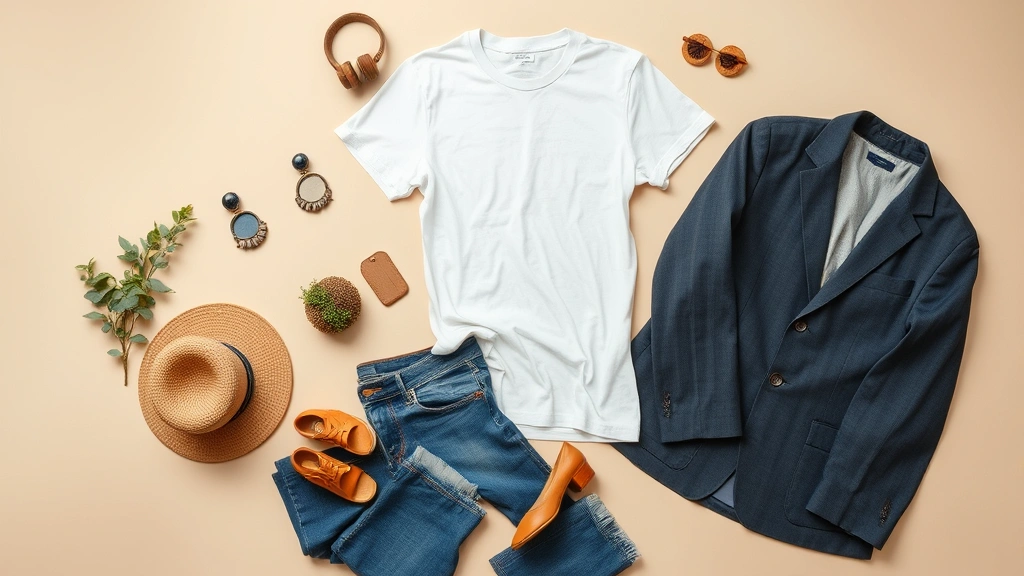
- Start with basics: Invest in sustainable foundational pieces: quality white t-shirts, neutral trousers, classic outerwear. These anchor versatile outfits.
- Research ethical brands: Investigate brands’ sustainability certifications, supply chain transparency, and production practices before purchasing.
- Prioritize investment pieces: Allocate budget toward statement items you’ll wear for years—quality jackets, tailored trousers, versatile dresses.
- Embrace secondhand shopping: Vintage and consignment sustainable pieces offer exceptional value while extending garment lifecycles.
- Quality check before purchasing: Examine seams, fabric weight, construction details, and care instructions. Superior quality justifies investment.
Many fashion enthusiasts find that exploring specific style aesthetics like dark academia or 90s fashion trends through sustainable lenses creates unique, personally meaningful wardrobes. Classic silhouettes transcend trends, making them ideal for sustainable investment.
Brands Leading the Sustainable Movement
Numerous fashion brands demonstrate that sustainability and style aren’t mutually exclusive. These leaders prove sustainable fashion delivers both aesthetic appeal and ethical integrity.
Notable sustainable fashion brands:
- Patagonia: Pioneer in sustainable outdoor wear, using recycled materials and radical transparency about supply chains
- Everlane: Champions radical transparency, revealing true production costs and ethical manufacturing practices
- Reformation: Creates trendy, sustainable basics using eco-friendly fabrics and carbon-conscious manufacturing
- Veja: Produces sustainable sneakers using organic cotton and wild rubber from Amazon, supporting fair trade practices
- Allbirds: Develops comfortable, sustainable footwear from innovative materials like sugarcane and eucalyptus
- Stella McCartney: High-fashion sustainable design proving luxury and ethics coexist
- Outdoor Voices: Creates performance-focused sustainable activewear for intentional living
These brands represent diverse price points and aesthetics, demonstrating that sustainable options exist for various style preferences and budgets. Many offer classic pieces like elevated basics that form sustainable wardrobe foundations.
Exploring contemporary fashion journalism reveals emerging sustainable brands constantly entering the market, expanding options for ethically conscious consumers.
FAQ
Is sustainable fashion significantly more expensive than fast fashion?
While initial purchase prices are higher, the cost-per-wear calculation typically favors sustainable fashion. A $65 sustainable shirt worn 100 times costs $0.65 per wear, while a $10 fast fashion shirt worn 15 times costs $0.67 per wear. Additionally, sustainable pieces retain resale value, further improving the financial equation.
How can I verify a brand’s sustainability claims?
Look for third-party certifications like GOTS (Global Organic Textile Standard), Fair Trade Certified, B-Corp certification, or Cradle to Cradle. Request information about supply chain transparency, manufacturing locations, and material sourcing. Legitimate sustainable brands readily provide detailed information.
Can sustainable fashion keep up with style trends?
Sustainable fashion emphasizes timeless design over fleeting trends, which actually creates more enduring personal style. However, sustainable brands increasingly offer trend-conscious pieces using ethical practices. The key is distinguishing between passing fads and classic silhouettes worth investing in.
What should I do with my current fast fashion items?
Wear them until they’re truly unusable, then donate or recycle responsibly. Many textile recycling programs exist. This prevents immediate waste while you transition to sustainable purchases. There’s no need to discard serviceable clothing.
Is sustainable fashion truly better for the environment?
Yes, substantially. Sustainable fashion reduces water consumption by 80-90%, eliminates toxic chemical pollution, minimizes textile waste through durability and recyclability, and typically generates 50-60% fewer carbon emissions compared to conventional fast fashion.
Where can I buy affordable sustainable fashion?
Secondhand platforms like Depop, Vestiaire Collective, and Poshmark offer affordable sustainable pieces. Many sustainable brands offer seasonal sales. Starting with basics from brands like Everlane or Uniqlo’s sustainable lines provides accessible entry points.
How many pieces do I need for a sustainable wardrobe?
Quality over quantity means 30-50 intentionally chosen pieces often suffice. The exact number depends on lifestyle, climate, and personal preference. Many people find 40-50 versatile, coordinating pieces provide sufficient variety for everyday dressing while maintaining sustainability principles.