2000s Fashion Trends: Expert Stylist Insights
The 2000s represent one of the most eclectic and transformative decades in fashion history, where digital culture collided with haute couture to create unforgettable style moments. This era witnessed the rise of celebrity culture as the primary fashion influencer, the birth of fast fashion as we know it today, and a fascinating blend of contradictory aesthetics that somehow worked in perfect harmony. From Paris Hilton’s iconic velour tracksuits to the emergence of minimalist chic, the 2000s gave us trends that continue to resurface on runways and social media feeds today.
Understanding 2000s fashion trends requires more than simply reminiscing about low-rise jeans and bedazzled everything. It demands an appreciation for the cultural, technological, and economic shifts that shaped how we dressed during this pivotal decade. As style experts and fashion historians continue to revisit this period, we find that many 2000s aesthetics have become vintage staples, inspiring contemporary designers and fashion-forward individuals seeking authentic, statement-making looks. Whether you’re interested in reviving these trends or simply understanding their cultural significance, this comprehensive guide explores the defining moments, key pieces, and expert insights that made the 2000s such a remarkable fashion era.
The Rise of Celebrity Fashion Culture
The 2000s fundamentally transformed how fashion trends originated and spread. Before social media algorithms and Instagram influencers, celebrity sightings dictated what millions of people would wear. Paris Hilton, Britney Spears, Christina Aguilera, and Jennifer Aniston weren’t just entertainers; they were fashion authorities whose every outfit choice sparked trends. The paparazzi culture intensified during this period, with photographers tracking celebrities’ movements to capture their street style moments. These images would appear in magazines and later on early fashion blogs, creating a feedback loop where fans rushed to replicate their favorite celebrities’ looks.
This celebrity-driven approach to fashion created a democratization of style that had never existed before. Unlike previous decades where high fashion was largely dictated by designers and fashion houses, the 2000s saw everyday people gaining unprecedented influence through their fashion choices. Finding your personal style during this era meant either emulating celebrity looks or deliberately rejecting them in favor of alternative aesthetics. Fashion magazines capitalized on this phenomenon, dedicating entire sections to “Celebrity Style Spotting” and “Red Carpet Recaps.” The accessibility of these trends through affordable retailers made it possible for anyone to achieve a celebrity-inspired look without spending designer prices.
According to Vogue, the 2000s marked a turning point where celebrity influence began replacing traditional fashion gatekeepers. Designers started creating pieces specifically anticipating how celebrities would style them, understanding that a single paparazzi photo could translate to thousands of sales. This symbiotic relationship between fashion houses and celebrities created an entirely new business model that continues to dominate the industry today.
Iconic Silhouettes and Cuts
The silhouettes that defined 2000s fashion were remarkably varied, reflecting the decade’s overall aesthetic confusion and creativity. Early 2000s fashion embraced excessive volume, with oversized blazers, baggy cargo pants, and oversized graphic tees dominating casual wear. However, as the decade progressed, a dramatic shift toward ultra-tight, body-conscious clothing emerged. This tension between baggy and fitted created a uniquely 2000s aesthetic that feels distinctly recognizable today.
Low-rise jeans became absolutely ubiquitous during this period, sitting dangerously low on the hips and often paired with visible thongs or whale tail designs. This trend, which now seems shocking in retrospect, was considered the height of fashion during the mid-2000s. Simultaneously, baby tees and fitted tank tops complemented these low-rise bottoms, creating an overall silhouette that emphasized the midriff. Paired with cargo pants, low-rise skirts, or tiny shorts, this look became the unofficial uniform of the era. Throughout fashion history, few decades have embraced such contradictory silhouettes simultaneously.
Evening wear during the 2000s featured equally dramatic cuts. Halter necklines, asymmetrical hems, and strategic cutouts became standard on red carpets. Wrap dresses, initially popularized in previous decades, experienced a resurgence with modern twists. Corset-inspired bodices and empire waistlines provided alternative silhouettes for those seeking more elegant options. The decade’s love of contrast meant that a single outfit might combine oversized elements with fitted pieces, creating visual interest through proportion play.
Color Palettes and Textures
The 2000s color palette was nothing if not bold and experimental. While neutral tones like black, white, and gray remained staples, the decade embraced neon brights, pastels, and jewel tones with equal enthusiasm. Hot pink, electric blue, and lime green appeared on everything from accessories to evening gowns. This chromatic fearlessness reflected the optimism and excess of the era, where more was generally considered better.
Textures played an equally important role in defining 2000s aesthetics. Velour became synonymous with the decade, particularly in tracksuits and casual wear. This plush, luxurious-feeling fabric appealed to the era’s desire for comfort combined with visible luxury. Sequins, rhinestones, and other embellishments covered everything from jeans to tank tops, satisfying the decade’s appetite for sparkle and shine. Leather, often in bright colors or metallic finishes, appeared on pants, jackets, and accessories.
Satin and silk gained prominence in evening wear, often with a lustrous sheen that caught light dramatically. Denim itself became a texture to celebrate, with acid-washed, distressed, and embroidered variations all considered equally fashionable. The 2000s rejected the notion that textures needed to be refined or subtle; instead, bold contrasts between materials created visual excitement. Mixing velour with denim, combining leather with sequins, and pairing metallic fabrics with matte finishes all represented acceptable and even desirable style choices during this period.
Fast Fashion Revolution
The 2000s witnessed the explosive growth of fast fashion, fundamentally transforming how people accessed and consumed clothing. Retailers like Zara, H&M, and Forever 21 revolutionized the industry by bringing runway looks to the high street within weeks rather than seasons. This acceleration of trend cycles meant that fashion became more disposable and accessible than ever before. Young people could now afford to participate in fashion trends without investing in expensive designer pieces, democratizing style in unprecedented ways.
This shift had profound implications for how trends spread and evolved. Previously, fashion had operated on a seasonal calendar dictated by fashion weeks and designer collections. The 2000s introduced a continuous cycle where new pieces arrived in stores constantly, allowing retailers to respond immediately to celebrity style moments and runway inspiration. The StyleLoom Daily Blog explores how this transformation continues to influence contemporary fashion consumption patterns.
However, this revolution came with significant costs. The environmental impact of fast fashion became increasingly apparent as production accelerated and clothing lifespans shortened. The labor practices at many fast fashion factories raised ethical concerns that would become more prominent in subsequent decades. Nevertheless, during the 2000s, consumers largely embraced the ability to constantly refresh their wardrobes affordably. This democratization of fashion access meant that socioeconomic status became less determinative of fashion participation, allowing teenagers and young adults from all backgrounds to engage with trends actively.
Accessories That Defined an Era
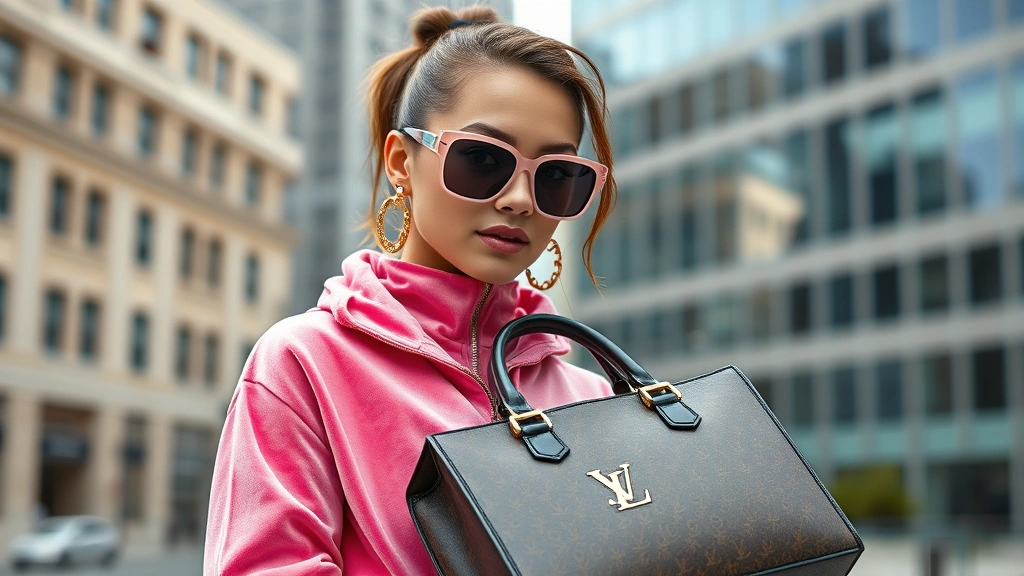
If clothing silhouettes defined 2000s fashion, accessories absolutely dominated the aesthetic conversation. The decade was an era of maximalism where more accessories were invariably considered better than fewer. Chunky belts, often with oversized buckles, cinched waists and added visual interest to outfits. Layered tank tops created opportunities for displaying multiple pieces simultaneously. Bags grew increasingly large and logo-forward, with designer monograms becoming status symbols that people proudly displayed.
Sunglasses underwent significant transformations during the 2000s. Oversized wraparound styles, tiny rectangular frames, and colorful tinted lenses all had moments of dominance. Celebrity photos showing stars in enormous sunglasses that covered most of their faces became iconic images of the era. These sunglasses functioned both as practical sun protection and as fashion statements that could completely alter an outfit’s vibe.
Jewelry became increasingly prominent, with chunky chains, oversized hoops, and stacked rings appearing everywhere. Charm bracelets, particularly those featuring customizable charms, became collectible accessories that people constantly updated. Anklets, often worn over bare skin or with socks, represented another distinctly 2000s accessory choice. The decade’s love of visible branding extended to accessories, with designer logos appearing on belts, bags, and even sunglasses. This logo-forward aesthetic contrasted sharply with contemporary minimalism, reflecting the era’s confidence in displaying wealth and status through recognizable brand symbols.
Subcultures and Alternative Styles
While celebrity-driven fashion dominated mainstream culture during the 2000s, vibrant subcultures developed their own distinctive aesthetics that rejected mainstream trends. The emo and scene subcultures emerged during this period, featuring tight black clothing, heavy eyeliner, and strategic hair coverage. These alternative movements provided a counterpoint to the bright, logo-forward mainstream aesthetic, offering young people ways to express individuality and rebellion through fashion choices.
Goth fashion continued evolving during the 2000s, incorporating contemporary elements while maintaining its dark, theatrical aesthetic. Punk influences persisted in certain circles, with safety pins, ripped clothing, and deliberately provocative style choices remaining relevant. Hip-hop culture influenced mainstream fashion significantly, introducing baggy silhouettes, oversized jerseys, and sneaker culture to wider audiences. These diverse subcultures coexisted with mainstream trends, creating a rich tapestry of 2000s fashion that extended far beyond celebrity-endorsed looks.
Indie and hipster aesthetics began crystallizing during the later 2000s, rejecting both mainstream celebrity fashion and traditional alternative movements. This emerging style embraced vintage clothing, thrifted finds, and deliberately anti-fashion fashion choices. Skinny jeans, which would become ubiquitous in the 2010s, began gaining traction among indie fashion enthusiasts during the late 2000s, representing a direct rebellion against the decade’s dominant low-rise silhouette. These subcultures demonstrated that fashion during the 2000s was far more complex than any single narrative could capture.
Denim Dominance
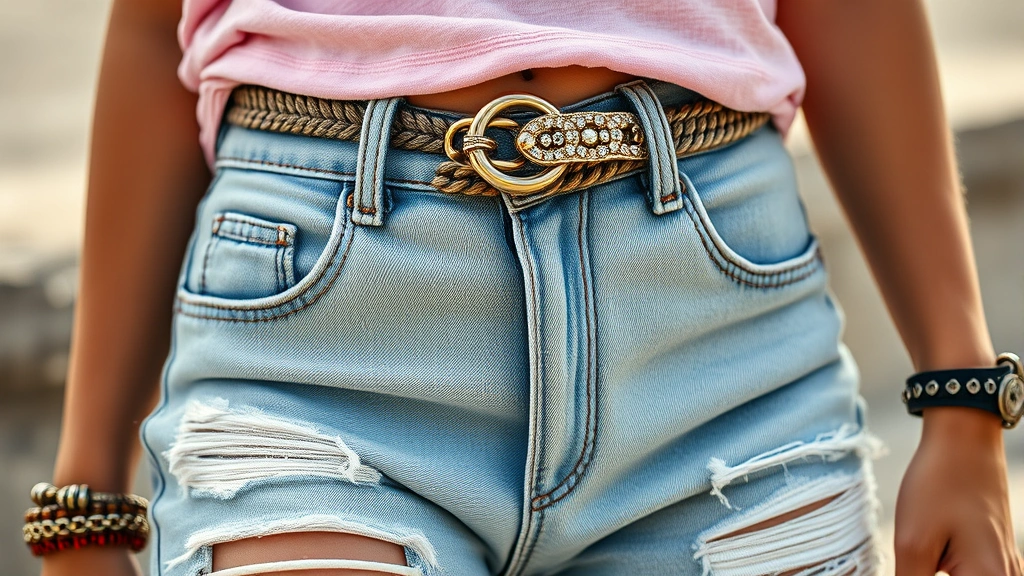
Denim underwent remarkable transformations during the 2000s, becoming perhaps the most important fabric in fashion. Low-rise jeans dominated casual wear, but the variations within this category proved nearly infinite. Distressed jeans featuring strategic rips and tears became mainstream, with prices that rivaled or exceeded those of pristine denim. Acid-washed denim experienced a revival, appearing in unexpected colors and finishes. Embroidered jeans, featuring elaborate designs on pockets and seams, represented another popular variation.
Designer denim became a status symbol during the 2000s, with brands like True Religion, Juicy Couture, and Seven for All Mankind commanding premium prices. People invested significant money in high-quality jeans, understanding them as wardrobe staples rather than disposable basics. The fit and quality of one’s jeans often indicated socioeconomic status, making denim selection a crucial style decision. Simultaneously, budget retailers offered affordable alternatives that allowed people without designer budgets to participate in current trends.
Denim also appeared in unexpected places during the 2000s. Denim jackets, often oversized and worn casually, remained popular. Denim skirts in various lengths and styles provided alternative silhouettes. Denim bags and accessories incorporated the fabric into unexpected contexts. The decade’s embrace of denim as a primary fashion material reflected its versatility and democratic appeal; denim could be dressed up or down, customized endlessly, and worn across socioeconomic boundaries in ways that few other fabrics could achieve.
Footwear Trends
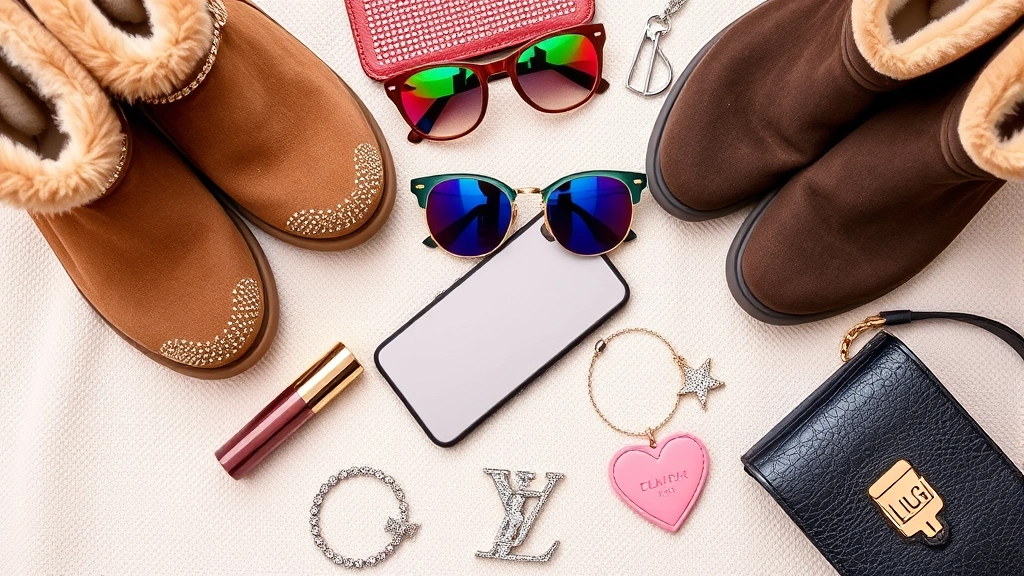
Shoes during the 2000s reflected the decade’s overall aesthetic contradictions, ranging from athletic sneakers to impossibly high heels. Ugg boots, the sheepskin-lined boots that originated in Australia, became ubiquitous status symbols, particularly among young women. These boots, often worn with low-rise jeans and baby tees, became so iconic that they essentially defined an entire aesthetic of 2000s femininity. The popularity of Uggs sparked intense debates about fashion taste, with detractors arguing they were unflattering while devotees praised their comfort and style.
Ballet flats experienced a major resurgence during the 2000s, offering an alternative to heels while maintaining a feminine aesthetic. Brands like Repetto and ballet-inspired flat styles became fashion staples that worked for casual and semi-formal occasions. Conversely, stiletto heels grew increasingly extreme, with heights reaching uncomfortable levels and becoming status symbols in their own right. Strappy sandals, often featuring metallic finishes or jeweled embellishments, dominated summer wardrobes.
Sneaker culture continued evolving during the 2000s, with athletic shoes becoming increasingly fashionable for casual wear. Converse Chuck Taylors, Vans, and various Nike models transcended their athletic origins to become legitimate fashion choices. The juxtaposition of athletic footwear with dressy outfits represented a distinctly 2000s approach to style mixing. Limited-edition sneaker releases created hype and collectibility around footwear, establishing sneaker culture as a significant fashion phenomenon that would only grow in subsequent decades.
Makeup and Beauty
The 2000s beauty aesthetic emphasized dramatic, heavily applied makeup that prioritized visible transformation. Thick, dark eyebrows replaced the thin, over-plucked brows of the 1990s, though the pendulum hadn’t yet swung to the full, natural brows that would dominate later decades. Smoky eye makeup, featuring dark, blended eyeshadow, became a go-to look for evenings. Bronzer was applied with a heavy hand, creating noticeably tanned appearances even on naturally pale complexions. Lip gloss, often extremely shiny and sometimes with visible sparkle or shimmer, represented another key beauty trend of the era.
Spray tans and artificial tanning methods became increasingly popular during the 2000s, with the bronzed, golden aesthetic representing desirability. This tanning trend, which now seems extreme in retrospect, reflected the era’s larger embrace of visible, dramatic beauty modifications. Hair extensions, both clip-in and more permanent varieties, allowed people to achieve longer, fuller hair than their natural growth permitted. Highlights and lowlights created dimension in hair, with chunky, contrasting color variations representing the decade’s maximalist approach to beauty.
Nail art became more elaborate during the 2000s, with acrylics, gel polish, and decorative embellishments becoming standard. Long, sculpted nails, often featuring French manicures or elaborate designs, represented another way to display wealth and leisure. The beauty industry during the 2000s reflected the overall fashion aesthetic: more was better, visible luxury was desirable, and dramatic transformation through makeup and styling was not only acceptable but encouraged.
According to Harper’s Bazaar, the 2000s marked a significant shift in how beauty was approached, moving away from natural-looking makeup toward more obvious, statement-making aesthetics. This reflected broader cultural values about conspicuous consumption and visible status displays that characterized the era.
The Connection to Previous Decades
Understanding 2000s fashion requires appreciating how it built upon and reacted against the trends of the 1990s. While 90s fashion emphasized minimalism, grunge, and understated cool, the 2000s embraced maximalism, conspicuous consumption, and visible luxury. The pendulum swung dramatically from the low-key aesthetic of the previous decade toward an era where more decoration, more logos, and more obvious status displays became desirable. Yet elements of 90s style persisted, particularly among alternative subcultures and in the embrace of vintage clothing that had become fashionable by the late 2000s.
The relationship between 2000s fashion and fashion education also proved significant. The best fashion design schools during this era taught students about the commercial realities of the fast fashion revolution while also emphasizing the importance of understanding historical precedent. Many designers who became prominent in subsequent decades studied during the 2000s, absorbing lessons about trend cycles and consumer behavior that would influence their later work.
Expert Perspectives on 2000s Fashion Legacy
Fashion historians and contemporary stylists increasingly recognize the 2000s as a period worthy of serious study rather than dismissal. According to The Fashion Institute, the decade represented a crucial moment when digital technology began reshaping how fashion was created, marketed, and consumed. The rise of fashion blogs during the late 2000s established the foundation for influencer culture that would dominate subsequent decades. What began as personal style blogs evolved into the Instagram and TikTok fashion landscape of today.
Contemporary designers frequently reference 2000s aesthetics in their collections, recognizing the period’s distinctive visual language and its enduring appeal to consumers seeking vintage authenticity. The return of low-rise jeans, the embrace of logo-forward luxury, and the resurgence of Y2K fashion all demonstrate that 2000s trends possess staying power beyond simple nostalgia. Business of Fashion has documented how 2000s fashion has become increasingly collectible, with vintage 2000s pieces commanding premium prices at resale markets.
Style experts emphasize that the 2000s taught important lessons about trend cycles and consumer behavior. The era demonstrated how quickly trends could spread through visual media, how celebrity influence could drive massive sales, and how technology could accelerate fashion consumption. These lessons remain relevant as the fashion industry continues evolving in response to social media, e-commerce, and changing consumer preferences. Understanding how to style classic pieces requires understanding how different eras approached fashion fundamentals, and the 2000s approach to styling represented a distinct philosophy that continues influencing contemporary fashion.
FAQ
What were the most iconic 2000s fashion trends?
The most iconic 2000s trends included low-rise jeans, velour tracksuits, baby tees, oversized sunglasses, and logo-forward designer accessories. Ugg boots, trucker hats, and visible thong underwear also defined the era’s distinctive aesthetic. These trends reflected the decade’s embrace of conspicuous consumption and celebrity-driven fashion culture.
Why did 2000s fashion embrace such extreme styles?
The 2000s represented an era of economic optimism and excess, following the economic recovery of the late 1990s. The rise of celebrity culture, reality television, and early social media created an environment where visible luxury and dramatic styling became desirable. Additionally, the affordability of fast fashion meant that people could experiment with trends without significant financial investment.
Are 2000s fashion trends coming back?
Yes, 2000s fashion has experienced significant resurgence in recent years. Low-rise jeans, Y2K aesthetics, and early 2000s silhouettes have returned to mainstream fashion. Vintage 2000s pieces have become highly collectible, and contemporary designers frequently reference the era in their collections. This revival reflects both nostalgia and genuine appreciation for the distinctive visual language of the decade.
How did fast fashion change during the 2000s?
The 2000s witnessed the explosive growth of retailers like Zara, H&M, and Forever 21, which dramatically accelerated trend cycles. Fashion moved from a seasonal model to continuous product updates, allowing retailers to respond immediately to celebrity style moments and runway inspiration. This made fashion more accessible and affordable while also increasing consumption and environmental impact.
What can we learn from 2000s fashion today?
The 2000s demonstrate how quickly trends can spread through visual media, the power of celebrity influence, and the relationship between technology and fashion consumption. The era also illustrates the environmental and social costs of accelerated trend cycles. Understanding 2000s fashion helps us appreciate contemporary style choices and recognize how historical context shapes fashion aesthetics.
Why were logos so important in 2000s fashion?
The 2000s represented an era when displaying wealth through recognizable brand symbols became desirable. Unlike previous decades where understated luxury was valued, the 2000s celebrated obvious status displays. Designer monograms on bags, visible brand names on clothing, and logo-forward accessories communicated wealth and fashion awareness. This reflected broader cultural values about consumption and status that characterized the era.