Revive 80s Fashion: Expert Styling Guide for Modern Women
The 1980s remain one of fashion’s most audacious and unapologetically bold decades. From power suits that commanded boardrooms to neon-soaked statement pieces that turned heads on dance floors, women’s eighties fashion represented liberation, confidence, and fearless self-expression. Today, this iconic era is experiencing a remarkable renaissance, with contemporary designers and style influencers mining the decade’s rich aesthetic for inspiration. Whether you’re drawn to the structured silhouettes, the daring color palettes, or the boundary-pushing accessories, reviving 80s fashion doesn’t mean looking like you stepped out of a time machine—it’s about understanding the spirit of the era and translating it into modern, wearable pieces that feel authentic to your personal style.
The beauty of 80s fashion lies in its contradictions: it was simultaneously minimalist and maximalist, structured yet playful, glamorous and rebellious. Women in the 80s rejected the quiet femininity of previous decades in favor of bold self-assertion. They wore shoulder pads not because they were flattering, but because they commanded space. They paired leather jackets with sequined tops, neon socks with heels, and oversized blazers with slim-fitting leggings. This wasn’t about following rules—it was about breaking them. In our current era of algorithmic fashion and curated aesthetics, the fearless experimentation of 80s women’s fashion offers a refreshing counterpoint. Let’s explore how to authentically incorporate these iconic elements into your contemporary wardrobe while maintaining modern sensibility and personal authenticity.
Power Dressing: The Shoulder Pad Revolution
Power dressing emerged as the defining silhouette of 1980s women’s fashion, fundamentally reshaping how women presented themselves in professional and social settings. The shoulder pad wasn’t merely a design element—it was a statement of intent. By literally broadening the shoulders, designers created a visual metaphor for women expanding their presence in spaces traditionally dominated by men. This architectural approach to tailoring represented a deliberate rejection of the soft, curved silhouettes that had dominated feminine fashion for decades.
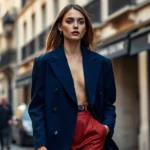
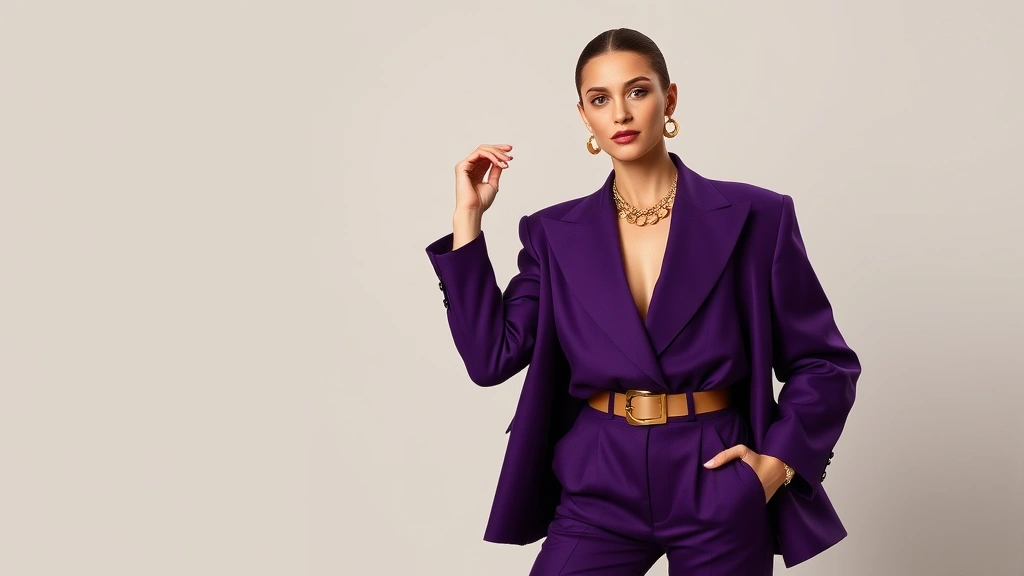
The power suit, typically consisting of a structured blazer with exaggerated shoulders paired with matching trousers or a skirt, became the uniform of ambitious women navigating corporate environments. Designers like Vogue’s featured designers championed this look, with Giorgio Armani perfecting the art of the tailored jacket. What made 80s power dressing distinct was its unapologetic boldness—these weren’t subtle garments. The jackets featured pronounced shoulder construction, often with internal padding that created dramatic angles. When paired with bold colors, metallic fabrics, or striking patterns, the power suit transformed from corporate necessity into a fashion statement.
To authentically revive this look for modern times, consider investing in a quality blazer with structured shoulders, though perhaps slightly less exaggerated than authentic 80s versions. The key is finding the balance in your personal style between honoring the era’s boldness and maintaining contemporary proportion. Pair your blazer with high-waisted trousers in a complementary color, and you’ve created a look that channels 80s confidence while feeling current. The beauty of power dressing is its versatility—wear it to professional settings for undeniable authority, or style it casually with sneakers and a graphic tee for an ironic, fashion-forward interpretation.
Bold Color Palettes and Neon Statements
If the 80s had a visual signature beyond silhouette, it was unquestionably color. The decade embraced a chromatic boldness that seems almost shocking by today’s standards of muted, “curated” palettes. Neon hues—electric pink, acid green, cobalt blue, and blazing orange—dominated 80s fashion. These weren’t subtle accents; they were declarations of presence. Women wore neon leg warmers, neon windbreakers, neon accessories, and sometimes entire neon outfits. The color intensity reflected the decade’s optimism and its rejection of restraint.
Beyond neon, the 80s embraced jewel tones with equal enthusiasm: deep purples, rich teals, and emerald greens appeared in everything from evening wear to casual pieces. Metallics—gold, silver, and copper—were used liberally, often in combination with other bold colors. Color-blocking, the practice of pairing contrasting solid colors in geometric patterns, became a signature styling technique. A typical outfit might feature a hot pink top, electric blue leggings, and yellow accessories, worn with complete confidence.
When reviving 80s color strategies for contemporary wardrobes, the goal is embracing boldness without veering into costume territory. Consider these approaches: incorporate one statement neon piece—perhaps a blazer, sweater, or pair of leggings—and pair it with neutrals for balance. Alternatively, explore jewel tones, which read as sophisticated while maintaining 80s vibrancy. Metallics remain relevant today, so a gold lamé top or silver accessories feel current while honoring the decade’s maximalism. Browse the complete fashion history timeline to understand how color palettes have evolved and influenced contemporary trends.
Iconic Silhouettes That Defined the Decade
Beyond power suits, 80s women’s fashion embraced several distinctive silhouettes that became instantly recognizable markers of the era. Understanding these shapes is essential for authentically reviving the look.
- Oversized Blazers: Not just in professional contexts, oversized blazers became casual staples. Worn with everything from jeans to skirts, they provided volume and attitude. Modern styling tip: choose a blazer slightly oversized by today’s standards and style it with fitted pieces to recreate the proportion play.
- Fitted Leggings: Worn under oversized tops, dresses, and blazers, leggings provided contrast through their body-conscious fit. They were often brightly colored or patterned and paired with leg warmers. Today’s legging trend actually owes significant debt to 80s aesthetics.
- Cinched Waists: Whether achieved through belts, gathered fabrics, or peplum details, emphasizing the waist created a distinctive silhouette. Peplum tops, which flare at the hip, were particularly popular and remain trendy today.
- Voluminous Skirts: Tulle, taffeta, and other structured fabrics created skirts with significant volume and movement. Worn at various lengths from mini to midi, these skirts made dramatic statements on dance floors and at social events.
- Asymmetrical Cuts: Off-shoulder tops, asymmetrical hemlines, and uneven necklines introduced visual interest and an element of playful rule-breaking to outfits.
The genius of 80s silhouettes was their combination of extremes. Oversized elements paired with fitted ones created dynamic visual interest. When incorporating these shapes into modern wardrobes, consider how they interact: pair an oversized blazer with slim trousers, or wear a fitted top with a voluminous skirt. This proportion play remains compelling and feels fresh even today.
Statement Accessories and Jewelry
If clothing provided the foundation, accessories delivered the personality in 80s fashion. The decade rejected the concept of “less is more,” embracing instead the philosophy that more was, definitively, more. Accessories weren’t afterthoughts—they were essential components of a cohesive look.
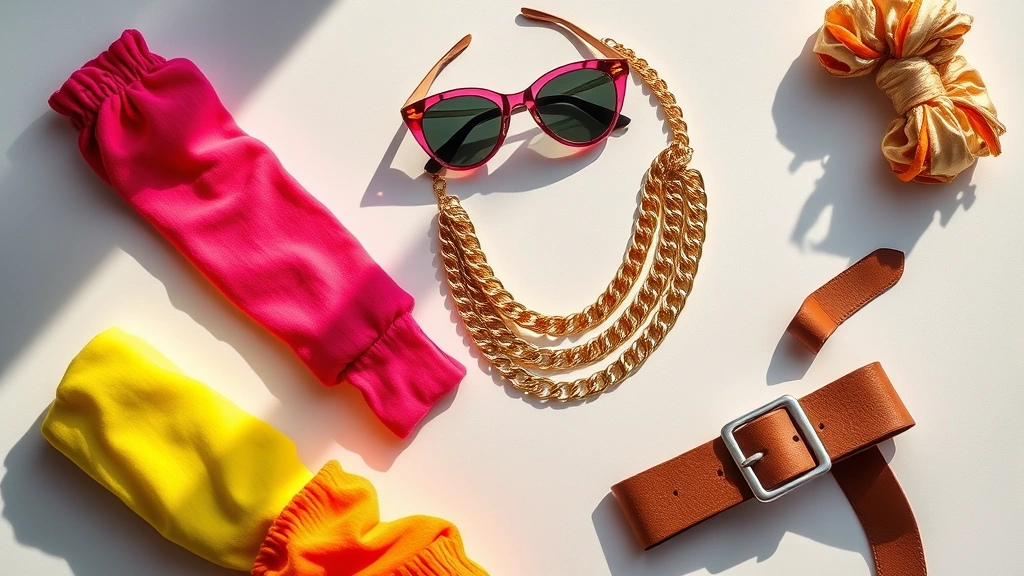
Jewelry: Bold, chunky, and often gold-toned, 80s jewelry made undeniable statements. Chandelier earrings, layered chains, oversized bangles, and statement rings were worn in abundance. Women layered multiple pieces without concern for subtlety. Madonna’s iconic layered chain necklaces and stacked bangles epitomized the aesthetic. Brooches, often large and ornamental, adorned blazers and sweaters. When reviving this element, consider investing in a few statement pieces: perhaps chunky gold hoops, a bold cocktail ring, or a layered necklace. The key is choosing quality pieces that feel intentional rather than chaotic.
Belts: Wide leather belts, often in bold colors or metallics, cinched waists and added definition. They appeared over dresses, blazers, and sweaters, creating visual interest and silhouette manipulation. A quality wide belt remains one of the easiest 80s elements to incorporate into modern outfits.
Bags: Shoulder bags, clutches, and cross-body bags in leather, suede, and metallics were oversized and often featured bold hardware. The iconic Hermès Kelly bag and similar structured styles dominated, though more casual versions existed. Look for structured leather bags with distinctive hardware for an 80s-inspired accessory that feels contemporary.
Footwear: From stiletto heels in unexpected colors to athletic-inspired sneakers, 80s shoes made statements. Leg warmers worn over socks and sneakers became iconic. Pointed-toe flats, pumps in jewel tones, and white athletic shoes were all essential. When selecting shoes, consider pairing classic silhouettes with bold colors or metallics to capture the decade’s spirit.
Hair Accessories: Scrunchies, headbands, barrettes, and clips in bright colors and metallic finishes adorned voluminous hair. While we may not recreate the exact hair volume, incorporating a colorful scrunchie or metallic headband provides an easy nod to the era.
Modern Approach to 80s Styling
The most successful contemporary interpretations of 80s fashion don’t attempt historical recreation—instead, they extract the decade’s essence and translate it through a modern lens. This requires understanding what made 80s fashion compelling and how to honor that spirit while maintaining current relevance.
Confidence Over Conformity: The fundamental principle underlying 80s fashion was unapologetic self-expression. Women wore what they wanted, paired pieces in unexpected ways, and refused to be confined by conventional rules. Modern 80s revival honors this spirit by encouraging bold choices and personal authenticity. When styling 80s-inspired pieces, ask yourself: am I wearing this because I genuinely love it, or because I think I should? That confidence is the true currency of 80s fashion.
Mixing Eras: Rather than creating head-to-toe 80s looks, contemporary styling integrates 80s elements with pieces from other eras and current trends. A vintage 80s blazer paired with modern skinny jeans and contemporary sneakers creates a balanced look that feels current while honoring the decade. A classic little black dress can be styled with 80s accessories for a fresh interpretation.
Quality and Intentionality: While authentic 80s fashion embraced excess, modern styling benefits from selectivity. Rather than incorporating every 80s element simultaneously, choose specific pieces or details that genuinely resonate with your aesthetic. This creates a more sophisticated interpretation that feels personal rather than costume-like.
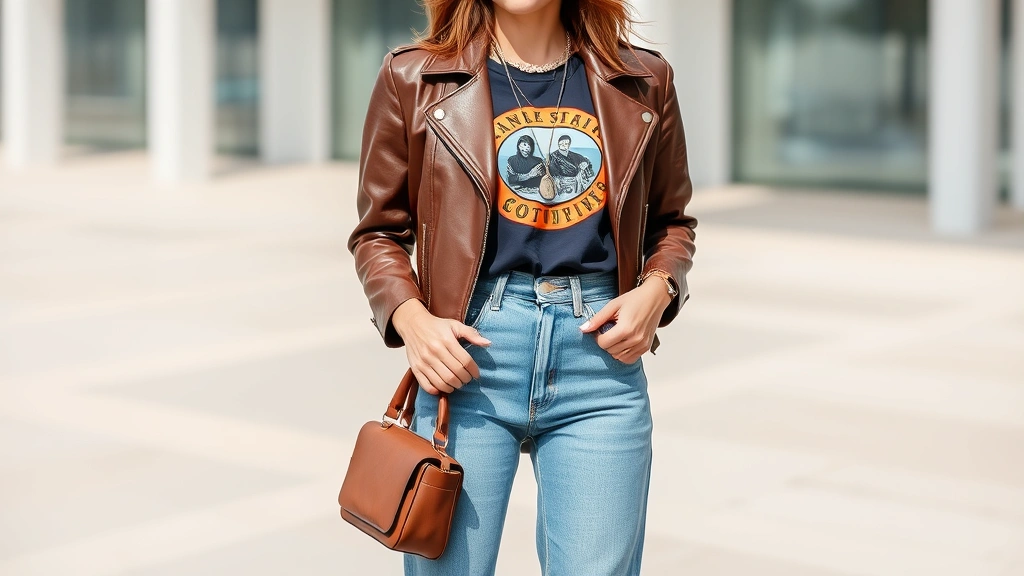
Sustainability Considerations: Sourcing authentic 80s pieces through vintage and secondhand markets not only provides genuine garments but also aligns with contemporary values around sustainability. Vintage 80s blazers, leather jackets, and accessories carry authentic history and character that new reproductions often lack.
For inspiration on developing a cohesive approach, explore how Harper’s Bazaar and other fashion authorities are interpreting retro trends for contemporary audiences.
Hair and Makeup: Completing the Look
An 80s-inspired outfit reaches its full potential when complemented by corresponding hair and makeup choices. However, this doesn’t require recreating the decade’s most extreme beauty trends.
Hair: 80s hair was characterized by volume, movement, and often, dramatic styling. The decade saw the rise of perms, teasing, and volumizing products used in abundance. Big, voluminous hair was the default. For modern interpretations, you needn’t commit to a perm, but embracing volume and movement honors the aesthetic. Consider styling with waves, curls, or intentional texture. Half-up styles, often adorned with colorful clips or scrunchies, offer an accessible nod to 80s hair aesthetics. A sleek high ponytail with a metallic scrunchie captures the vibe without requiring extreme volume.
Makeup: 80s makeup embraced boldness: heavy eyeshadow in jewel tones and metallics, dramatic eyeliner, bold lip colors, and defined cheekbones through strategic contouring (before it had that name). The makeup was visible, intentional, and unapologetic. Modern interpretations can incorporate these elements selectively: a bold eyeshadow in metallic gold or cobalt blue, a statement lip in a jewel tone, or defined cheekbones. The key is balancing boldness with contemporary makeup techniques and skin-focused beauty trends.
Nails: Bright colors, geometric patterns, and sometimes acrylic length characterized 80s nails. A modern take might include a bold nail color—perhaps a neon pink or metallic finish—without necessarily committing to extreme length.
Where to Find Authentic 80s Pieces
Successfully reviving 80s fashion requires access to quality pieces that capture the era’s aesthetic. Several avenues provide authentic options:
- Vintage and Consignment Stores: Local vintage boutiques often carry genuine 80s pieces—blazers, leather jackets, dresses, and accessories. Shopping vintage provides authenticity and supports sustainable fashion practices. Staff at reputable vintage stores can help identify quality pieces and date garments accurately.
- Online Vintage Platforms: Websites specializing in vintage fashion offer extensive 80s selections. Platforms like Vestiaire Collective, Grailed, and Ruby Lane connect buyers with sellers worldwide, providing access to curated collections. Read descriptions carefully and examine photos to assess condition and authenticity.
- Thrift Stores: Goodwill, Salvation Army, and local thrift shops occasionally yield 80s treasures at budget-friendly prices. Thrifting requires patience and regular visits, but the rewards include unique finds and exceptional value.
- Contemporary Designers Interpreting 80s Aesthetics: Modern designers regularly draw inspiration from the 80s, producing new pieces that capture the decade’s spirit while using contemporary construction and materials. These pieces feel current while honoring the era. Explore Paris Fashion Week 2025 and other fashion events to discover contemporary designers incorporating 80s elements.
- DIY and Customization: Vintage pieces can be customized or styled in unexpected ways to feel contemporary. A vintage 80s dress can be reimagined as a top, oversized blazers can be tailored slightly for modern proportions, or pieces can be layered in innovative ways.
When shopping, prioritize quality over quantity. A single well-made vintage leather jacket will serve your wardrobe better than multiple lower-quality pieces. Look for garments in good condition—check seams, zippers, and closures. Understand sizing, as 80s sizing often differs significantly from contemporary standards. Most importantly, choose pieces that genuinely excite you and fit your personal aesthetic rather than acquiring items simply because they’re from the era.
FAQ
How can I incorporate 80s fashion without looking like I’m wearing a costume?
The key is selectivity and balance. Rather than committing to head-to-toe 80s styling, integrate specific pieces or details into otherwise contemporary outfits. Pair a vintage 80s blazer with modern jeans, or wear a statement 80s accessory with current clothing. This creates a fashion-forward look that honors the era without feeling costume-like. Also consider how fashion design schools teach the principles of era-appropriate styling and proportion.
Are shoulder pads still relevant in modern fashion?
Absolutely. Shoulder pads have experienced periodic revivals and currently appear in contemporary fashion. However, modern versions are typically less exaggerated than authentic 80s versions. A blazer with subtle shoulder structure feels current while maintaining the power and presence that made 80s power dressing so compelling.
What’s the best way to style 80s pieces if I have a minimalist aesthetic?
You can absolutely incorporate 80s elements within a minimalist framework. Choose one statement piece—perhaps a bold-colored blazer or a piece of chunky jewelry—and pair it with neutral, streamlined pieces. This creates visual interest while maintaining the clean lines and simplicity of minimalist style. The contrast between a single bold element and minimalist pieces actually creates compelling styling tension.
How do I find my size in vintage 80s clothing?
Sizing has shifted significantly since the 80s, and vintage sizing varies considerably. Always check specific measurements rather than relying on labeled sizes. Most reputable vintage sellers provide detailed measurements for key areas: bust, waist, hip, length, and sleeve length. Compare these measurements to garments you currently own and fit well to determine whether a vintage piece will work for you.
Can I mix 80s fashion with other retro eras?
Definitely. Fashion history is cyclical and interconnected. Mixing elements from different decades—perhaps 80s accessories with a 70s-inspired dress, or 80s color blocking with 90s minimalism—creates unique, personally expressive looks. The most compelling contemporary styling often draws from multiple eras and current trends, creating something entirely new while honoring fashion history.
What’s the most important element to capture when reviving 80s fashion?
The spirit of confidence and self-expression. 80s fashion was fundamentally about women asserting their presence, rejecting conventional restrictions, and wearing what made them feel powerful and authentic. When incorporating 80s elements into your wardrobe, prioritize pieces that make you feel confident and genuinely excited. That authentic enthusiasm is what truly captures the essence of women’s eighties fashion and makes any outfit compelling.