
Reviving 2010 Trends: Fashion Historian Insights
The 2010s marked a transformative decade in fashion history, where digital culture collided with traditional style aesthetics to create some of the most memorable and influential trends we still reference today. As fashion cycles through its eternal rotation, many of the iconic silhouettes, color palettes, and styling techniques from 2010 are experiencing a powerful renaissance. Understanding these trends through the lens of fashion historians provides invaluable context for contemporary style enthusiasts seeking to authentically incorporate vintage elements into their modern wardrobes.
Fashion doesn’t exist in a vacuum—it reflects the cultural zeitgeist, technological innovations, and social movements of its era. The 2010 style fashion landscape was particularly fascinating because it represented a bridge between the recession-era minimalism of the late 2000s and the maximalist, individualistic expression that would define the latter half of the decade. By examining these trends with historical perspective, we can appreciate not just what looked good, but why these styles resonated so powerfully with global audiences.
The Cultural Context of 2010 Fashion
To truly understand 2010 style fashion, we must first acknowledge the cultural moment from which it emerged. The global financial crisis had fundamentally shifted consumer behavior, yet by 2010, optimism was cautiously returning. Fashion reflected this duality—there was simultaneous investment in quality basics and an explosion of experimental, trend-driven pieces accessible through emerging fast-fashion retailers.
Social media was beginning to reshape how trends spread. Instagram wouldn’t launch until October 2010, but fashion blogs and Pinterest were already becoming powerful trendsetters. According to Vogue’s historical analysis, this democratization of fashion commentary meant that trends no longer flowed exclusively from high fashion runways to the streets—they emerged organically from street style, celebrity sightings, and online communities.
The 2010 fashion landscape was also deeply influenced by the recession’s aftermath. Consumers were more conscious about their purchases, yet paradoxically, there was a desire for escapism and self-expression through fashion. This created a unique market for both investment pieces and disposable trend items, shaping the silhouettes and styles that dominated the year.
Understanding the complete fashion history timeline helps contextualize how 2010 sits within broader fashion evolution. The decade represented a pivot point where digital culture began reshaping traditional fashion hierarchies.
Iconic Silhouettes That Defined the Era
The silhouettes of 2010 were remarkably diverse, reflecting the year’s transitional nature. One of the most dominant shapes was the skinny silhouette—skinny jeans had reached peak popularity, with tapered legs and fitted cuts dominating casual wear across demographics. This represented an extreme departure from the baggy styles of the early 2000s and would remain influential throughout the decade.
Simultaneously, there was a resurgence of vintage-inspired high-waisted styles. Fashion historians note that this was partly driven by nostalgic references to 1950s and 1980s fashion, but also by practical concerns—high-waisted cuts were flattering and created visual interest. Paired with the skinny jean trend, high-waisted silhouettes created an hourglass aesthetic that dominated editorial spreads and street style photography.
The peplum top was gaining traction by 2010, though it wouldn’t reach its absolute peak until 2011-2012. These feminine, structured pieces with ruffled hemlines at the hip represented a return to more playful, feminine silhouettes after years of minimalist dressing. They offered an alternative for those seeking volume and drama in their everyday wear.
Maxi skirts and dresses were another significant silhouette gaining momentum. Often featuring bohemian prints or solid jewel tones, these floor-length pieces provided an elegant counterpoint to the fitted basics that dominated casual wear. This duality—simultaneously embracing both fitted and flowing silhouettes—was quintessentially 2010.
The boyfriend blazer emerged as a styling staple, offering an oversized, relaxed alternative to tailored jackets. This piece became essential for creating contrast with fitted bottoms, establishing a formula that finding your personal style often involves: balancing fitted and loose elements for visual interest.
Color Palettes and Textile Innovations
The color story of 2010 fashion was particularly rich and complex. Jewel tones—emerald, sapphire, amethyst, and ruby—dominated fashion weeks and retail floors. These rich, saturated colors represented a departure from the neutral palettes of the recession era, signaling renewed confidence and luxury.
Simultaneously, neons and brights were having a significant moment, particularly in accessories and statement pieces. Fluorescent yellows, pinks, and oranges appeared on everything from nail polish to handbags, creating eye-catching pops of color against neutral bases. This trend reflected the year’s optimistic energy and the influence of street art and youth culture on high fashion.
Pastels were also emerging, though they wouldn’t reach their full spring/summer dominance until subsequent years. Soft pinks, baby blues, and mint greens appeared in 2010 collections, particularly in delicate fabrics and romantic silhouettes.
From a textile perspective, 2010 saw interesting innovations. Metallic fabrics were everywhere—gold and silver lamés, holographic materials, and reflective textiles appeared in both high fashion and accessible retail. Fashion trend forecasters noted this was partly influenced by the emerging futuristic aesthetic that would define the early 2010s.
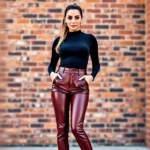
Leather experienced a major revival in 2010, particularly in unexpected applications. Leather leggings, leather shorts, and leather jackets became staple pieces rather than edgy alternatives. The texture provided tactile interest and a modern edge to otherwise classic silhouettes.
Denim also underwent significant evolution. While skinny jeans dominated, the destructed and distressed denim trend was reaching new heights of elaborateness. Rips, tears, and intentional damage became design features rather than signs of wear, with some high-fashion pieces featuring extreme distressing.
Accessories That Made the Statement
Accessories in 2010 were absolutely crucial to completing any outfit. The oversized sunglasses trend, which had been building since the late 2000s, reached its apex. Enormous frames—often in tortoiseshell or solid colors—were worn by virtually every street-style photographed individual and celebrity.
Bags experienced significant silhouette shifts. The structured, geometric handbag became increasingly popular, moving away from the soft, slouchy styles of the previous years. Hard-edged, architectural bags in bold colors or metallic finishes became status symbols and essential accessories.
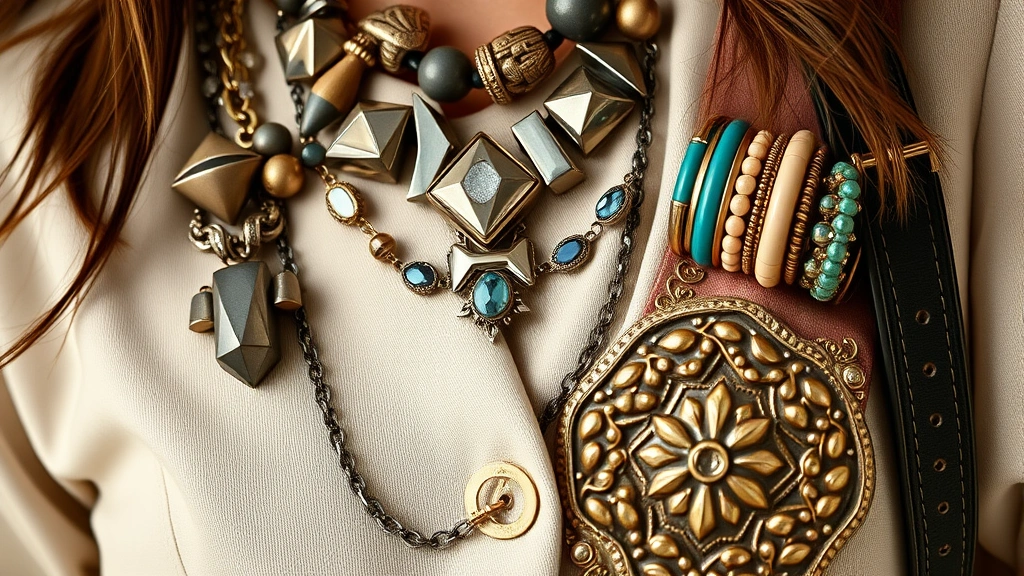
Statement jewelry was extraordinarily important in 2010 fashion. Chunky necklaces, often featuring geometric shapes or bold colors, served as the focal point of many outfits. Layered necklaces in varying lengths created dimensional, interesting looks. Bangles and bracelets were worn in stacks, sometimes mixing metals and materials for eclectic appeal.
Belts experienced a major resurgence, particularly wide, cinched belts worn over dresses, sweaters, and jackets. These pieces defined the waist and created visual interest, often featuring ornate buckles or interesting textures. This accessory became essential for styling a little black dress or other basic pieces.
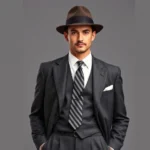
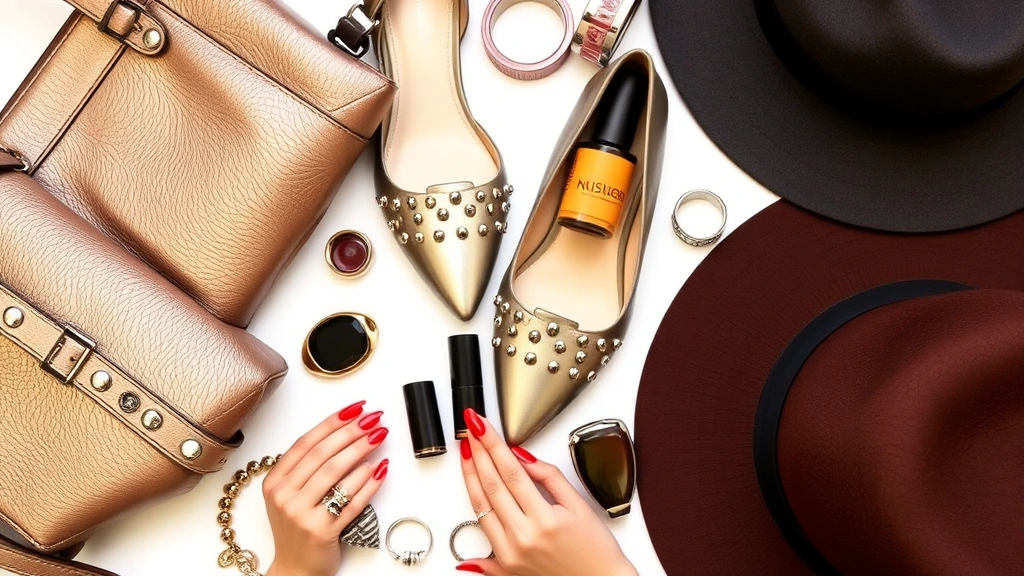
Hats were also having a significant moment. Fedoras, worn by both men and women, became ubiquitous street-style accessories. Berets, fascinators, and vintage-inspired caps also appeared regularly in fashion editorial and celebrity styling.
Footwear in 2010 was dominated by several key silhouettes: sky-high heels, studded flats, vintage-inspired oxfords, and gladiator sandals. The contrast between delicate, feminine heels and more androgynous, edgy flat options allowed for diverse personal style expression.
The Rise of Fast Fashion Influence
2010 represented a pivotal moment when fast fashion truly began reshaping the fashion industry’s structure. Retailers like H&M, Zara, and ASOS were not just selling trend interpretations—they were becoming trendsetters themselves. Fashion historians recognize this as a significant shift from the traditional top-down model where high fashion dictated trends to the masses.
The speed of trend adoption accelerated dramatically. What appeared on a runway in February could be available in high-street stores within weeks. This democratization of fashion meant that the 2010 style fashion we see referenced today includes both high-fashion designer pieces and accessible interpretations from fast-fashion retailers.
This era also saw the beginning of what would become a major conversation about sustainability and ethical fashion. While not yet mainstream, awareness was growing about the environmental and human costs of rapid trend cycles. Some designers and brands began experimenting with more conscious production methods, though this was still relatively niche in 2010.
The influence of fast fashion on 2010 trends meant that experimentation became more accessible. Young people could afford to try bold colors, new silhouettes, and trend pieces without significant financial investment. This democratization of fashion experimentation contributed to the diversity of styles we see in 2010 street photography and editorial spreads.
Gender-Bending and Androgynous Styles
One of the most progressive aspects of 2010 fashion was the increasing fluidity around gender presentation through clothing. Androgynous styling was becoming increasingly mainstream, with individuals across the gender spectrum mixing traditionally masculine and feminine elements.
Women wearing oversized blazers, menswear-inspired shirts, and tailored trousers was completely normalized. Simultaneously, men were exploring skinny silhouettes, pastel colors, and delicate accessories without the same cultural resistance that might have existed in previous decades.
This trend reflected broader social conversations about gender expression and identity. Fashion was becoming a tool for exploring and expressing identity beyond traditional binary categories. Designers were increasingly creating gender-neutral collections and challenging conventional notions of masculine and feminine dressing.
The influence of androgynous styling in 2010 set the stage for even more fluid and experimental gender expression in fashion during the subsequent years. This represented a meaningful cultural shift in how fashion related to identity and self-expression.
How to Authentically Style 2010 Trends Today
For contemporary fashion enthusiasts interested in incorporating 2010 trends into modern wardrobes, authenticity and intentionality are key. Rather than simply copying 2010 looks wholesale, the most effective approach involves understanding the principles behind these trends and adapting them to current contexts.
Start with silhouette foundations. Invest in quality high-waisted jeans—whether skinny or with a modern straight-leg cut—that create a flattering base. Layer with oversized blazers or boyfriend-cut jackets to create the fitted-meets-loose balance that defined 2010 styling.
Incorporate jewel tones strategically. Rather than dressing entirely in emerald or sapphire, consider featuring these colors in statement pieces—a jewel-toned blouse under a neutral blazer, or a rich-colored skirt with neutral basics. This approach feels contemporary while honoring the 2010 color palette.
Experiment with statement accessories. Channel 2010 accessories by choosing one bold piece per outfit—oversized sunglasses, a chunky necklace, or a wide belt. This creates visual interest without feeling costumey or overly retrospective.
Mix vintage and contemporary pieces. Pair 2010-inspired elements with current silhouettes and trends. For example, combine high-waisted jeans with a contemporary cropped top, or style a vintage-inspired blazer with modern minimalist basics.
Understanding fashion design principles can help you make more intentional choices about how to incorporate retro trends. Fashion education emphasizes the importance of balancing elements, understanding proportion, and creating cohesive narratives through clothing.
For those seriously interested in trend analysis and fashion history, fashion documentaries offer valuable visual and contextual information about how trends develop and circulate.
Celebrity and Influencer Impact
In 2010, celebrity styling was undergoing a significant transformation. Traditional celebrities remained influential, but a new category of style icons was emerging: fashion bloggers and early social media personalities who had built engaged audiences through their personal style documentation.
Icons like Alexa Chung, Olivia Palermo, and Tavi Gevinson were shaping how young people approached fashion in 2010. These individuals weren’t bound by traditional fashion industry gatekeeping—they were demonstrating that personal style, authenticity, and creative mixing of pieces could be just as influential as high-fashion editorial spreads.
Celebrity red carpet appearances remained significant, but street-style photography was becoming increasingly important. Fashion photographers stationed outside shows and events during fashion week documented what stylish individuals wore to and from shows, often creating more influential imagery than the runway presentations themselves.
The rise of celebrity-driven fast fashion collaborations also characterized this period. Stars were beginning to launch their own fashion lines or collaborate with accessible retailers, further democratizing high-fashion aesthetics and making trend-forward pieces available to broader audiences.
Understanding this shift in how fashion influence operates is crucial for appreciating 2010 trends. These weren’t styles dictated from above by fashion houses—they emerged from a complex ecosystem of designers, celebrities, bloggers, retailers, and everyday people experimenting with personal style.
For those interested in this fascinating intersection of fashion and personal branding, starting a fashion blog offers insight into how digital platforms have transformed fashion discourse.
FAQ
What were the most iconic 2010 fashion items?
The most iconic items from 2010 include skinny jeans, oversized sunglasses, high-waisted styles, boyfriend blazers, statement jewelry, and metallic accessories. These pieces defined the era and remain recognizable references in contemporary fashion conversations.
Are 2010 trends coming back in 2024?
Yes, many 2010 trends are experiencing revival in contemporary fashion. High-waisted silhouettes, jewel tones, and statement accessories are all appearing in current collections. However, they’re being interpreted through a modern lens, often combined with contemporary silhouettes and styling approaches.
How can I incorporate 2010 trends without looking dated?
The key is balancing retro elements with current pieces. Combine 2010-inspired items with contemporary silhouettes, avoid head-to-toe recreation of specific looks, and focus on understanding the principles behind trends rather than copying exact outfits. Mixing vintage pieces with modern basics creates an intentional, stylish aesthetic.
Why do fashion trends from a specific year return?
Fashion operates in cycles, with trends typically returning approximately 20-30 years after their original popularity. Additionally, nostalgia plays a significant role—as people who experienced a particular era reach influential positions in fashion, they naturally draw inspiration from their formative years. 2010 trends are returning now partly because Gen Z is discovering them as vintage/retro fashion.
What fashion historians should I follow for trend analysis?
Reputable fashion historians and institutions like The Fashion Institute of Technology, fashion journalists from publications like Vogue and Harper’s Bazaar, and academic fashion historians provide valuable context for understanding trend cycles and fashion history. Following these sources helps develop sophisticated understanding of how fashion evolves.
How did social media impact 2010 fashion?
Social media, particularly the launch of Instagram in October 2010, began fundamentally reshaping how trends spread and who influenced fashion. Rather than waiting for fashion magazines or runway shows, people could instantly share street style, personal outfits, and trend inspiration. This democratized fashion influence and accelerated trend cycles.