1940s Fashion Comeback? Expert Insights on Vintage Glamour’s Modern Revival
The 1940s represent one of fashion’s most transformative decades—a period where necessity met creativity, and elegance emerged from constraint. From power shoulders to victory rolls, this era defined silhouettes that continue to captivate contemporary style enthusiasts. Today, we’re witnessing a remarkable resurgence of 1940s aesthetics across runways, red carpets, and street style, prompting fashion experts to examine why this vintage era maintains such enduring appeal.
What makes the 1940s fashion movement so compelling isn’t merely nostalgia; it’s the sophisticated construction, timeless tailoring, and undeniable femininity that characterized the decade. As designers increasingly reference this period and consumers gravitate toward vintage pieces, understanding the nuances of 1940s fashion becomes essential for anyone seeking to develop authentic personal style. This comprehensive guide explores the historical context, key silhouettes, and contemporary applications of 1940s fashion, providing expert perspectives on why this golden era continues to influence modern wardrobes.
Historical Context and Fashion Evolution
The 1940s fashion landscape was shaped by unprecedented circumstances. World War II fundamentally altered how clothing was produced, distributed, and consumed across Europe and North America. Fabric rationing introduced the L-85 regulations in the United States, which restricted the use of wool, silk, and other essential materials for civilian clothing. These constraints paradoxically sparked innovation, forcing designers to create elegant silhouettes using minimal fabric while maintaining the sophistication that defined the decade.
Understanding fashion history timeline reveals how the 1940s bridged the glamorous 1930s with the revolutionary 1950s. Women entered the workforce in unprecedented numbers, necessitating practical yet stylish clothing that could transition from office to social events. This functional elegance became the hallmark of 1940s fashion—structured, feminine, and decidedly purposeful.
The decade also witnessed the rise of American fashion prominence. With Paris occupied during much of the war, American designers gained international recognition, establishing New York as a fashion capital. Designers like Adrian, Mainbocher, and Norman Norell created distinctive American silhouettes that emphasized broad shoulders, cinched waists, and graceful proportions. This American aesthetic continues influencing contemporary fashion, particularly among designers seeking modern style inspiration from heritage fashion movements.
Defining Silhouettes of the 1940s
Power Shoulders and Structured Jackets
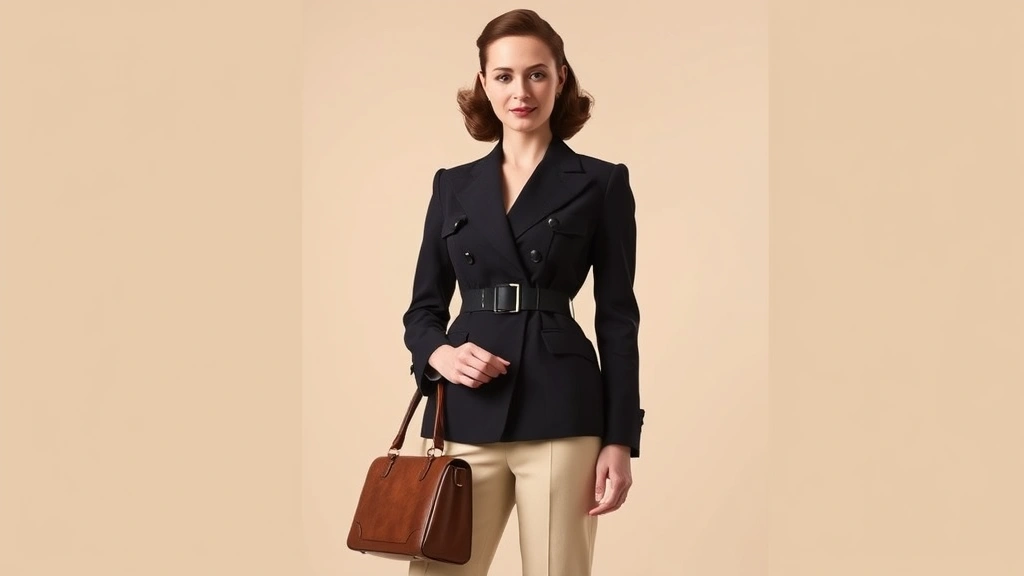
The most iconic 1940s silhouette features dramatically squared shoulders—a defining characteristic that projected confidence and authority. Women’s jackets featured extended shoulder seams, creating powerful lines that conveyed strength during a transformative period. These weren’t merely fashion statements; they symbolized women’s expanded roles in society. The structured blazer became essential wardrobe architecture, establishing proportions that contemporary designers consistently reference.
Modern interpretations of power shoulders appear across luxury collections and accessible brands alike. The appeal lies in the immediate impact: properly structured shoulders instantly elevate any ensemble, providing the same confidence boost that 1940s women experienced. Whether exploring jacket styling techniques or investing in tailored pieces, understanding shoulder architecture proves fundamental to executing 1940s-inspired looks.
Cinched Waists and Hourglass Proportions
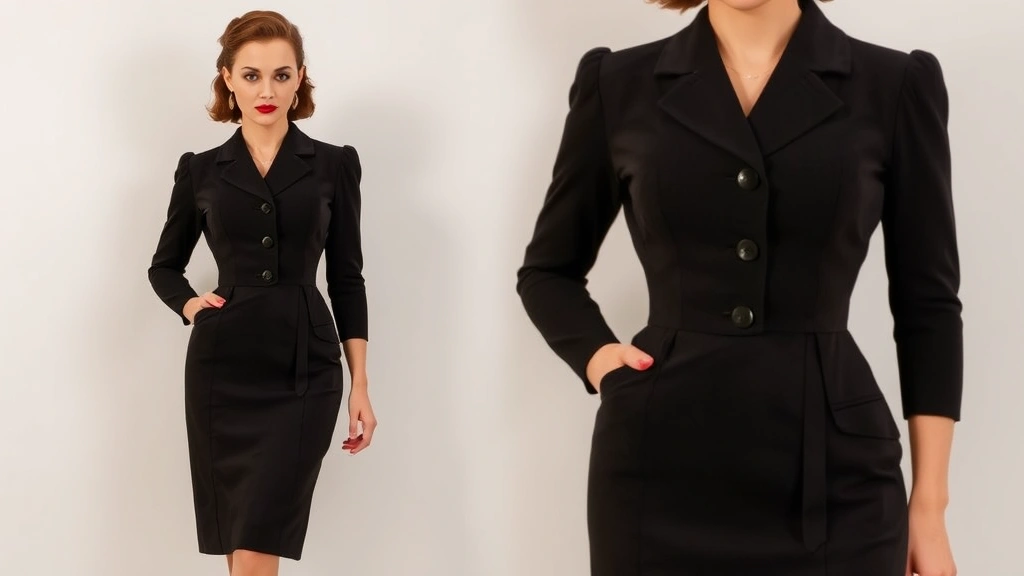
Complementing the powerful shoulders, the 1940s emphasized dramatically cinched waists that created exaggerated hourglass silhouettes. Wide belts—sometimes measuring three to four inches—defined the waistline, creating striking visual contrast against full skirts. This silhouette celebrated femininity while maintaining the decade’s structural sophistication. The proportional relationship between broad shoulders and nipped waists created an idealized feminine form that remains visually compelling.
Contemporary fashion recognizes cinching as a powerful styling tool. Belted dresses, wrap silhouettes, and strategic ruching echo this 1940s principle. The waist-defining approach works across body types because it emphasizes proportion rather than imposing rigid standards—a nuance often overlooked in discussions of vintage fashion.
Full Skirts and Hemline Variations
Despite fabric rationing, 1940s skirts maintained fullness through clever construction rather than excessive yardage. Pleats, gathers, and strategic seaming created voluminous silhouettes without violating regulations. Hemlines varied between knee-length and mid-calf, with the most fashionable looks featuring asymmetrical hems or handkerchief points. This creativity within constraints established principles of innovative design that contemporary fashion continues exploring.
Signature Elements and Details
Fabric Choices and Textures
The 1940s palette favored rich textures and sophisticated fabrics. Wool crepe, gabardine, and jersey dominated tailored pieces, while rayon—a synthetic fiber developed earlier—gained popularity for dresses and blouses. Prints ranged from small geometric patterns to bold florals, often appearing in patriotic color schemes. The quality of construction compensated for limited fabric quantities, establishing standards for durability and craftsmanship that influenced generations of tailoring.
Color Theory and Palettes
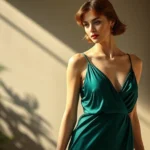
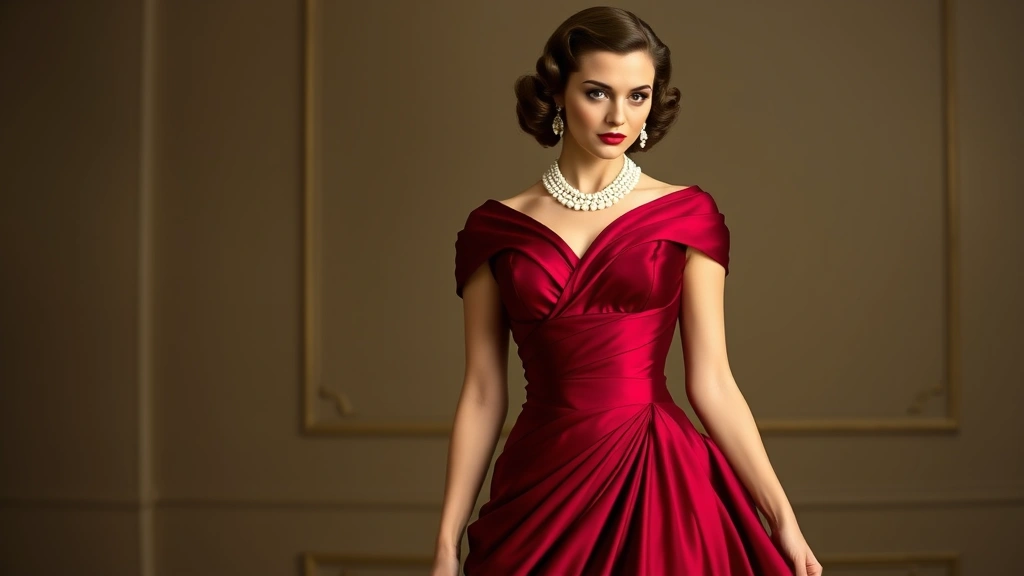
Wartime 1940s fashion embraced practical neutrals: navy, black, gray, and brown formed the foundation of most wardrobes. However, special occasion wear featured jewel tones—emerald, sapphire, and ruby—that conveyed luxury and femininity. Burgundy, deep green, and rich plum appeared frequently in evening wear, while daytime looks incorporated softer pastels and earth tones. This color hierarchy—neutral practicality with jewel-tone accents—translates seamlessly to contemporary styling.
Accessories and Finishing Details
Accessories defined 1940s elegance. Wide-brimmed hats with decorative elements, elegant gloves, structured handbags, and statement jewelry completed ensembles. Costume jewelry featuring rhinestones and faux pearls provided affordable glamour, while shoes typically featured closed toes with moderate heels—practical yet feminine. Hairstyles, particularly victory rolls and pin curls, became iconic visual markers of the decade.
Embellishments and Embroidery
Despite fabric restrictions, embellishment remained important. Beading, sequins, and embroidery adorned evening wear, while daytime pieces featured strategic topstitching, contrast piping, and decorative buttons. These details provided visual interest without requiring excessive fabric, establishing principles of thoughtful ornamentation that contemporary designers continue employing.
” alt=”Vintage 1940s inspired tailored dress with cinched waist and structured shoulders worn with period accessories and classic styling”>
Modern Integration and Contemporary Styling
The 1940s fashion resurgence reflects broader trends in contemporary style culture. As consumers seek professional, polished aesthetics, 1940s silhouettes provide solutions. The decade’s emphasis on tailoring, structure, and proportion aligns with modern preferences for elevated basics and investment pieces that transcend seasonal trends.
Fashion experts note that 1940s inspiration appears across multiple market segments. Luxury houses reference the era’s construction techniques and silhouettes, while contemporary brands offer accessible interpretations. Vintage retailers report increased demand for authentic 1940s pieces, indicating genuine consumer interest rather than fleeting trend cycles.
Contemporary Designers Embracing 1940s Aesthetics
Leading designers consistently draw from 1940s archives. Vogue’s trend forecasting regularly identifies 1940s influences in major collections. Designers appreciate the decade’s construction integrity—structured, well-proportioned silhouettes that flatter diverse body types. The era’s approach to femininity—powerful yet elegant—resonates with modern values emphasizing confidence and capability.
Brands from various price points now feature 1940s-inspired collections. Tailored trousers with high waists, structured blazers with extended shoulders, and wrap dresses echo the decade’s silhouettes. Evening wear particularly benefits from 1940s references, as the decade’s glamorous proportions and luxurious fabrications translate directly to contemporary formal occasions.
Designer Influence and Runway Presence
Heritage Brands and Vintage References
Established fashion houses with historical roots in the 1940s continue referencing their archives. These designers maintain institutional knowledge of construction techniques and proportion principles developed during the era. Their collections often feature updated interpretations of signature 1940s silhouettes, maintaining brand heritage while ensuring contemporary relevance.
Emerging Designers and Vintage Inspiration
Newer design voices frequently incorporate 1940s elements as they establish aesthetic identities. The decade provides rich inspiration for silhouette development, construction methodology, and proportion theory. Young designers studying fashion history recognize 1940s fashion as foundational to understanding modern tailoring and garment construction.
Fashion institutions worldwide, including the Fashion Institute of Technology, emphasize 1940s fashion in curriculum. Students study the decade’s construction techniques, proportion principles, and design solutions—establishing deep understanding of how historical fashion informs contemporary practice. This educational emphasis ensures continued 1940s influence across future design generations.
Red Carpet and Celebrity Styling
Celebrities and their stylists increasingly reference 1940s fashion for high-profile events. The silhouettes photograph beautifully, creating memorable imagery across media platforms. The decade’s emphasis on tailoring and proportion flatters diverse body types, making 1940s-inspired styling popular among A-list stylists navigating contemporary fashion landscapes.
Practical Styling Guide for Today
Building a 1940s-Inspired Wardrobe Foundation
Contemporary fashion enthusiasts seeking to incorporate 1940s elements should begin with foundational pieces. A well-tailored blazer with structured shoulders provides the decade’s signature silhouette while remaining versatile for modern styling. High-waisted trousers in neutral tones echo 1940s proportions, pairing seamlessly with contemporary pieces. A wrap dress—arguably the most wearable 1940s silhouette—transitions effortlessly from professional to social settings.
Color Coordination and Palette Development
Begin with 1940s-inspired neutrals: navy, black, gray, and cream form sophisticated foundations. Layer in jewel tones through accessories, blouses, or secondary pieces. Burgundy, emerald, and sapphire provide visual interest while maintaining the decade’s elegant aesthetic. Patterns should remain relatively small-scale—subtle prints rather than bold contemporary statements.
Accessorizing for Authenticity
Accessories complete 1940s-inspired ensembles. Structured handbags with defined shapes, elegant gloves, and vintage-inspired jewelry elevate contemporary pieces with historical reference. Wide-brimmed hats, pearl necklaces, and vintage brooches add authentic touches without requiring complete wardrobe overhauls. The key lies in balancing period elements with contemporary styling to avoid costume-like appearances.
Mixing Vintage and Contemporary Pieces
Successful 1940s-inspired styling combines authentic vintage pieces with modern items. Pairing a genuine 1940s blouse with contemporary trousers creates interesting temporal tension. Mixing a vintage jacket with modern dresses provides historical context while maintaining contemporary relevance. This hybrid approach allows fashion enthusiasts to explore the decade’s aesthetics without adopting wholesale period costume.
Occasion-Specific Styling Applications
Professional settings benefit from 1940s-inspired tailoring: structured blazers, high-waisted trousers, and wrapped dresses project confidence and competence. Casual occasions accommodate more relaxed interpretations—softer fabrics, less rigid silhouettes, and contemporary color palettes. Evening wear embraces full 1940s glamour: jewel-toned dresses, strategic embellishment, and statement accessories create sophisticated formal looks.
” alt=”Fashion model wearing 1940s inspired evening gown with elegant draping and period-appropriate styling showcasing vintage glamour”>
Frequently Asked Questions
Why is 1940s fashion experiencing a contemporary resurgence?
The 1940s fashion revival reflects multiple contemporary interests. Consumers increasingly value quality construction and timeless silhouettes over trend-driven fast fashion. The decade’s emphasis on tailoring, proportion, and versatility addresses modern preferences for sophisticated basics. Additionally, 1940s silhouettes flatter diverse body types, aligning with evolving beauty standards and inclusive fashion perspectives. The era’s historical significance—representing women’s changing roles and economic innovation—adds cultural resonance beyond purely aesthetic appeal.
Can 1940s fashion work for contemporary body types?
Absolutely. The 1940s emphasis on proportion rather than specific measurements makes the decade’s silhouettes surprisingly adaptable. Structured shoulders, cinched waists, and full skirts create flattering lines across diverse body types. The key lies in understanding proportion principles rather than attempting exact replication. Tailoring adjustments allow 1940s silhouettes to work beautifully for contemporary figures, whether sourcing authentic vintage pieces or contemporary interpretations.
Where can I find authentic 1940s fashion pieces?
Vintage retailers, specialty shops, and online platforms offer authentic 1940s pieces. Reputable vintage dealers verify garment authenticity and condition, though pricing reflects rarity and quality. Contemporary brands now produce 1940s-inspired collections at various price points, providing accessible alternatives to genuine vintage. Museum exhibitions and fashion archives occasionally feature pieces available for purchase, though these typically command premium prices.
How do I style 1940s pieces without appearing costume-like?
Mixing vintage 1940s pieces with contemporary items prevents costume aesthetics. Pair a 1940s blouse with modern jeans, or style a vintage jacket with contemporary trousers. Accessorize with modern pieces alongside period elements. Keep hair and makeup relatively contemporary—extreme victory rolls with modern clothing creates obvious period costume effects. The goal involves incorporating historical inspiration while maintaining contemporary style identity.
Are 1940s silhouettes flattering for professional environments?
The 1940s emphasis on tailoring, structure, and polished presentation makes the decade’s silhouettes ideal for professional settings. Structured blazers project authority, while high-waisted trousers create elongated proportions. The decade’s construction techniques ensure proper fit and movement, contributing to polished professional appearance. Many contemporary workplaces increasingly appreciate the sophistication and intentionality that 1940s-inspired styling conveys.
What’s the difference between 1940s early and late decade fashion?
Early 1940s fashion reflected wartime constraints more directly, with simpler silhouettes and limited embellishment. As the decade progressed and rationing eased, more elaborate designs emerged. Late 1940s fashion featured increased fullness, more decorative elements, and greater fabric variety. Understanding these variations helps distinguish authentic pieces and appreciate the decade’s evolution. Early-decade pieces emphasize construction and proportion, while late-decade items showcase increasing femininity and ornamentation.
How can I incorporate 1940s fashion into everyday casual wear?
Casual 1940s styling emphasizes proportion and silhouette rather than formal construction. High-waisted jeans echo the decade’s proportions, while structured knits reference period tailoring. Simple wrap dresses provide 1940s silhouettes in relaxed fabrics. Vintage accessories—scarves, brooches, handbags—add period touches without requiring elaborate outfits. The approach involves borrowing 1940s principles rather than adopting full period aesthetic.
What jewelry styles complement 1940s-inspired outfits?
1940s jewelry ranged from delicate costume pieces to statement designs. Pearl necklaces, vintage brooches, chandelier earrings, and decorative pins aligned with period aesthetics. Contemporary 1940s-inspired styling accommodates both authentic vintage jewelry and modern pieces mimicking the era’s aesthetic. The decade favored distinct, visible jewelry rather than minimal pieces—strategic placement and noticeable design created visual interest. Mixing vintage jewelry with contemporary pieces maintains period reference while ensuring modern style coherence.