Revive 90s Fashion? Expert Insights on the Comeback of Iconic 90s Trends
The 1990s were a transformative decade for fashion, a time when minimalism collided with maximalism, grunge met glamour, and individuality became the ultimate statement. Today, fashion enthusiasts and industry experts are witnessing an undeniable resurgence of 90s aesthetics, from slip dresses and oversized blazers to cargo pants and tiny sunglasses. But what makes this era so compelling that designers and consumers alike are eager to revisit it? The answer lies in a perfect storm of nostalgia, sustainability concerns, and a genuine desire to break free from current fashion conventions.
This revival isn’t merely about copying what our parents wore—it’s about understanding the cultural zeitgeist that defined an era and thoughtfully reinterpreting those elements for today’s world. Fashion historians and contemporary designers are exploring the psychology behind 90s fashion’s enduring appeal, examining how this decade’s rebellious spirit continues to influence runways and street style. Whether you’re curious about finding your personal style through vintage inspiration or understanding broader fashion movements, the 90s offer invaluable lessons in authentic self-expression.
Why 90s Fashion Never Really Left
Fashion operates in cyclical patterns, but the 90s represent something unique—a decade whose influence has remained consistently present in some form since its conclusion. Unlike trends that fade completely before resurfacing, 90s aesthetics have maintained a subtle but persistent presence in high fashion and mainstream culture. This phenomenon can be attributed to several interconnected factors that continue to resonate with contemporary audiences.
The 90s fundamentally challenged the notion that fashion needed to be aspirational in traditional ways. While previous decades celebrated conspicuous consumption and logo-heavy designs, the 90s introduced a counterculture ethos that valued authenticity over ostentation. Grunge emerged from Seattle’s music scene, bringing flannel shirts, ripped jeans, and combat boots into luxury fashion houses. Simultaneously, minimalism gained traction through designers like Vogue’s featured minimalist designers, promoting clean lines and neutral palettes. This duality—the coexistence of anti-fashion statements and refined minimalism—created a framework flexible enough to remain relevant across decades.
According to Harper’s Bazaar fashion editors, the 90s also represented the last decade before digital technology completely transformed how we consume fashion. There was an intentional, deliberate quality to style choices, a thoughtfulness that resonates powerfully with today’s consumers who feel overwhelmed by fast fashion’s endless cycles. The decade’s aesthetic authenticity—whether expressed through thrifted vintage pieces or high-end minimalist designs—continues to appeal to fashion-conscious individuals seeking meaningful wardrobe choices.
Key 90s Trends Making a Powerful Comeback
Several distinctive 90s fashion elements have transitioned from nostalgic references to genuine trend drivers in contemporary fashion. Understanding these key pieces and aesthetics helps explain why the decade’s influence persists so strongly.
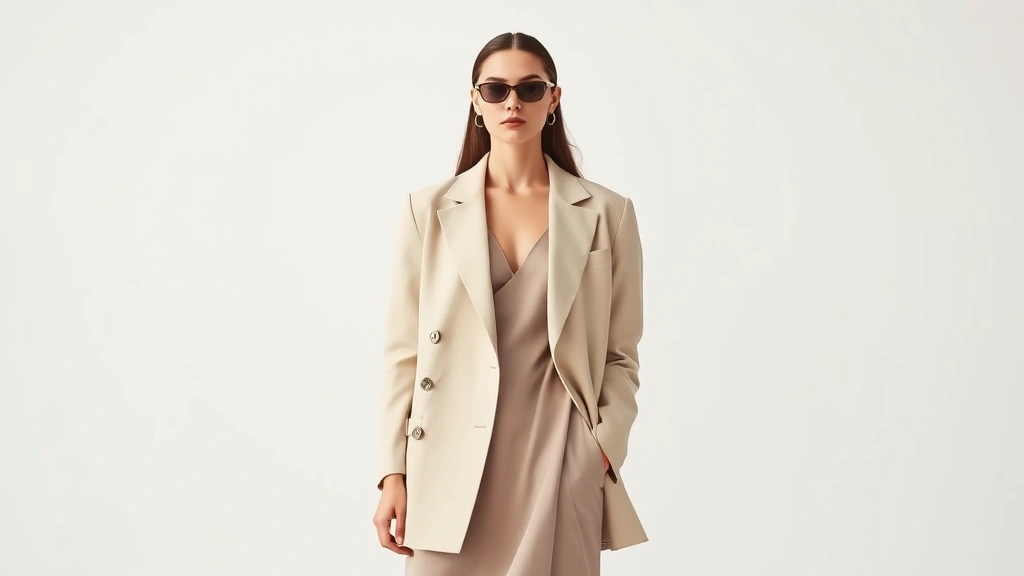
Slip Dresses and Minimalist Silhouettes: The slip dress, popularized by designers like Calvin Klein and championed by supermodels Kate Moss and Carolyn Bessette-Kennedy, represents minimalism at its most elegant. Today, luxury brands and high street retailers alike are reintroducing this versatile piece, often layered over long-sleeve shirts or worn as evening wear. The slip dress embodies the 90s principle that less is more, a philosophy increasingly valued in our era of conscious consumption.
Oversized Blazers and Tailoring: The borrowed-from-the-boys aesthetic that defined 90s power dressing has returned with renewed vigor. Oversized blazers, often in neutral tones or bold patterns, provide an effortless sophistication that bridges casual and professional styling. Fashion experts note that this silhouette appeals to contemporary desires for comfort without sacrificing polish.
Cargo Pants and Utility Wear: Once relegated to workwear and action movies, cargo pants have been elevated to high-fashion status. Designers are reimagining this functional style with premium fabrics and refined proportions, appealing to consumers who value practicality alongside aesthetics. The cargo pant’s resurgence also reflects broader fashion trends emphasizing comfort and utility.
Tiny Sunglasses and Accessory Maximalism: The 90s obsession with miniaturized sunglasses—those impossibly small, often tinted frames—has become an ironic statement piece. Contemporary fashion embraces this retro accessory as a bold, playful nod to the decade, often paired with modern outfits for deliberate anachronistic effect.
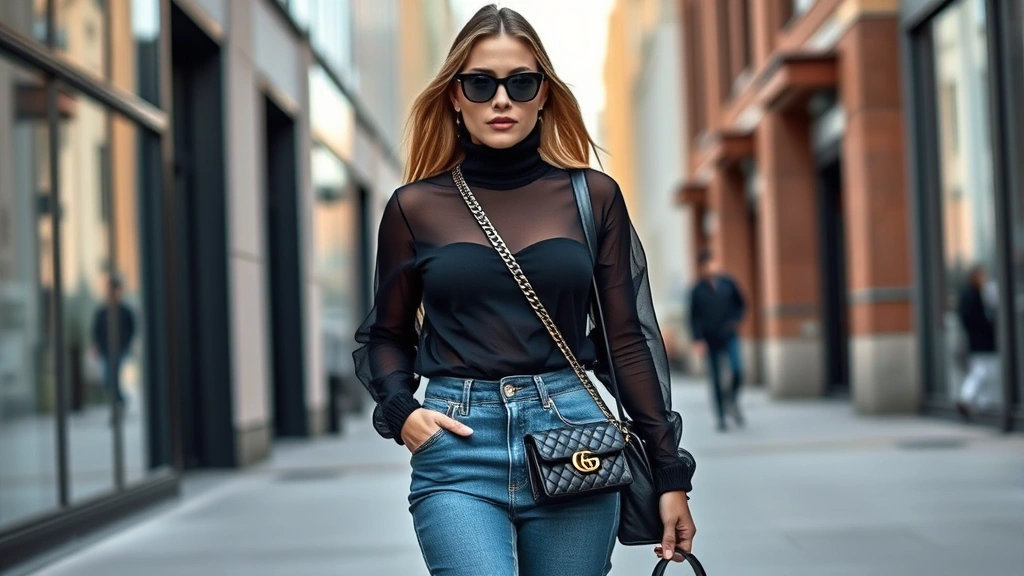
Sheer Fabrics and Layering: Transparency and strategic layering defined 90s glamour, from sheer slip dresses to baby tees worn over long sleeves. This aesthetic continues to influence contemporary design, with brands exploring how sheer materials can be incorporated into modern wardrobes in sophisticated ways.
Chokers and Neck Accessories: From velvet chokers to metallic chains, neck-level accessories were quintessentially 90s. These pieces are experiencing a genuine revival, available in updated materials and styles that feel current while maintaining nostalgic appeal.
The Psychology of Nostalgia in Fashion
Fashion scholars and psychologists have extensively studied nostalgia’s role in trend cycles, and the 90s revival offers a compelling case study. Nostalgia in fashion serves multiple psychological functions for consumers, making it a powerful driver of purchasing behavior and style choices.
The concept of “retromania,” as discussed by cultural critic Simon Reynolds, describes our current moment’s obsession with revisiting past decades. For millennials and Gen Z consumers, the 90s represent a formative period—either directly experienced or absorbed through cultural osmosis. This generation didn’t experience the 90s through the lens of aspiration; instead, they encountered it as a lived reality or inherited cultural memory. This proximity creates a different relationship with 90s fashion compared to how Gen X might approach, say, 1970s fashion.
Nostalgia also functions as a refuge during uncertain times. The 90s, despite their own complexities and challenges, are often romanticized as a simpler era before social media, constant connectivity, and algorithmic consumption. When contemporary life feels overwhelming, 90s fashion offers psychological comfort—a return to a perceived moment of authenticity and individuality. This explains why 90s fashion resurges particularly strongly during economically or socially turbulent periods.
Furthermore, the 90s represented genuine stylistic diversity. Unlike decades with more cohesive aesthetic codes, the 90s celebrated contradiction: grunge and Britpop, minimalism and logomania, androgyny and hyperfemininity all coexisted. This multiplicity appeals to contemporary consumers who resist singular style narratives and seek to develop authentic personal style rather than follow prescriptive trends.
Sustainable Fashion and Vintage Appeal
The resurgence of 90s fashion cannot be separated from the growing sustainability movement in the fashion industry. As consumers become increasingly aware of fast fashion’s environmental and social costs, vintage and secondhand 90s pieces have gained tremendous appeal.
Vintage 90s fashion represents the ultimate sustainable choice: clothing already in existence, requiring no new production resources, chemicals, or labor. Thrifting 90s pieces has become not just economically sensible but also culturally prestigious. High-end consignment boutiques now feature carefully curated collections of 90s designer pieces, commanding premium prices that reflect both their vintage status and original quality.
This sustainability angle has influenced how contemporary designers approach 90s inspiration. Rather than simply copying silhouettes, many brands are considering how 90s design principles—durability, timeless appeal, versatility—can inform sustainable production practices. The minimalist aesthetic that defined much of 90s fashion naturally aligns with sustainability values, promoting investment pieces over disposable trends.
Fashion institutions like the Fashion Institute of Technology are increasingly exploring vintage fashion’s role in sustainable consumption. Educational initiatives examine how understanding fashion history, including the complete fashion history timeline, helps consumers make more intentional choices.
How Modern Designers Reimagine 90s Aesthetics
Contemporary fashion designers aren’t simply replicating 90s styles; they’re thoughtfully reinterpreting the decade’s aesthetic principles through modern lenses. This creative approach distinguishes genuine trend evolution from nostalgic recycling.
Luxury brands like Gucci, Prada, and Saint Laurent have incorporated 90s references into their collections, but with crucial updates. Gucci’s creative director has referenced 90s logomania while infusing pieces with contemporary craftsmanship and unexpected material combinations. Prada’s minimalist heritage aligns naturally with 90s design principles, allowing the brand to reference the era authentically while maintaining its distinctive identity.
Emerging designers are particularly innovative in their 90s reinterpretations. Many are exploring how 90s silhouettes can accommodate contemporary bodies and preferences, creating more inclusive sizing and fit options than were typically available during the original era. Others are experimenting with sustainable materials, reimagining 90s classics in organic cotton, recycled synthetics, or innovative lab-grown alternatives.
The 90s emphasis on individual expression also influences how modern designers approach branding and marketing. Rather than imposing singular aesthetic codes, many contemporary brands celebrate the diversity of 90s style, acknowledging that the decade accommodated multiple, sometimes contradictory aesthetics simultaneously. This approach resonates with consumers seeking styling flexibility and personal interpretation.
Styling 90s Pieces for Contemporary Wardrobes
Successfully incorporating 90s fashion into modern wardrobes requires understanding both the original aesthetic and contemporary style contexts. Fashion experts recommend several strategies for seamlessly blending vintage 90s pieces with current clothing.
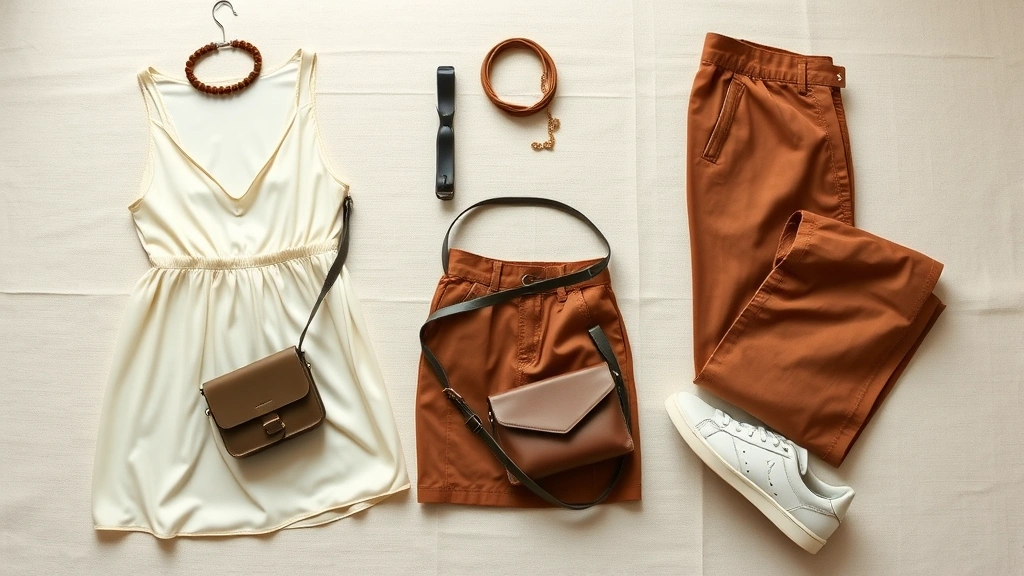
Mix Eras Deliberately: Rather than creating entirely 90s-inspired outfits, strategically combine 90s pieces with contemporary items. A vintage slip dress paired with modern minimalist sneakers and a contemporary leather jacket creates temporal contrast that feels intentional rather than costume-like.
Embrace Quality Over Quantity: The 90s valued investment pieces that transcended seasonal trends. When selecting 90s pieces to incorporate into your wardrobe, prioritize quality construction, timeless silhouettes, and versatile colorways that work with your existing clothing.
Update Proportions: While respecting 90s silhouettes, consider contemporary proportions and fit preferences. An oversized blazer might be tailored slightly or paired with fitted pieces to create a balanced silhouette that feels current.
Accessorize Thoughtfully: 90s accessories can feel dated if paired with entirely vintage outfits. Combine 90s accessories—tiny sunglasses, chokers, small shoulder bags—with contemporary clothing to create playful anachronistic moments.
Consider Context and Occasion: 90s fashion works beautifully in creative, casual, and artistic contexts. For professional environments, incorporate subtle 90s elements—a minimalist slip dress under a contemporary blazer, vintage-inspired jewelry—rather than full-throttle 90s aesthetics.
Where to Find Authentic 90s Fashion
Sourcing genuine 90s pieces requires understanding where to look and how to authenticate vintage fashion. Multiple channels offer access to 90s clothing, each with distinct advantages and considerations.
Vintage Boutiques and Consignment Shops: Specialized vintage retailers curate 90s pieces, often with detailed provenance information and quality guarantees. While prices may be higher than thrift stores, the authentication and condition assurance justify the investment.
Online Resale Platforms: Websites dedicated to secondhand fashion—Vestiaire Collective, Depop, Grailed—connect buyers with sellers worldwide. These platforms typically include detailed photos, descriptions, and seller ratings, though authentication remains the buyer’s responsibility.
Thrift Stores and Estate Sales: Traditional thrift stores remain treasure troves for 90s pieces, often at minimal cost. Estate sales frequently feature well-preserved vintage fashion from the 90s, particularly higher-end designer pieces.
Designer Vintage: Specialized retailers focusing on luxury vintage pieces offer authenticated designer 90s fashion—Chanel, Gucci, Prada, and other luxury brands’ pieces from the decade. These command premium prices but guarantee authenticity and quality.
Contemporary Brands with 90s Inspiration: If sourcing original 90s pieces feels overwhelming, many contemporary brands offer new pieces inspired by 90s aesthetics. This approach guarantees sizing accuracy, modern construction standards, and typically lower price points than genuine vintage.
When shopping for 90s fashion, experts recommend examining construction quality, checking for designer authenticity markers, and considering how pieces align with your personal style rather than purchasing purely for nostalgic value. The Style Loom Daily Blog regularly features guidance on vintage fashion evaluation and styling strategies.
FAQ
Is 90s fashion just a passing trend or a lasting movement?
Fashion experts suggest 90s fashion represents a lasting aesthetic influence rather than a temporary trend. The decade’s core principles—authenticity, individual expression, and quality over quantity—align with contemporary values, particularly among younger consumers. While specific 90s pieces may cycle in and out of mainstream popularity, the fundamental design philosophy will likely remain influential.
How can I incorporate 90s fashion without looking like I’m wearing a costume?
The key is strategic mixing. Combine 90s pieces with contemporary items, prioritize quality and condition, and choose pieces that genuinely resonate with your personal style rather than selecting items purely for nostalgic appeal. Consider the context—90s fashion works beautifully in creative settings but may require subtle interpretation in professional environments.
Are authentic 90s pieces worth the investment?
Quality vintage 90s pieces, particularly from respected designers, often appreciate in value and remain stylistically relevant across decades. From a sustainability perspective, investing in well-made vintage pieces significantly reduces your fashion footprint compared to purchasing new fast fashion. However, prioritize pieces you genuinely love and will wear frequently rather than collecting purely for investment purposes.
How do I authenticate vintage 90s designer pieces?
Learn to identify authentic designer markers: examine stitching quality, label construction, material composition, and hardware details. Familiarize yourself with brand-specific authentication features by studying original pieces and consulting authentication guides. When uncertain, purchase from reputable consignment retailers or platforms with authentication services.
Can men incorporate 90s fashion into contemporary wardrobes?
Absolutely. 90s fashion was notably gender-fluid, with oversized silhouettes, minimalist aesthetics, and utility wear appealing across gender identities. Men can incorporate 90s elements through oversized blazers, cargo pants, minimalist sneakers, and vintage band t-shirts paired with contemporary pieces for balanced styling.
What’s the difference between 90s fashion and Y2K fashion?
While overlapping chronologically, 90s and Y2K fashion represent distinct aesthetics. 90s fashion emphasizes minimalism, grunge, and understated cool, while Y2K fashion celebrates maximalism, bright colors, low-rise silhouettes, and visible branding. The early 90s leaned minimalist; late 90s transitioned toward Y2K maximalism. Understanding this distinction helps when sourcing pieces and styling outfits.