
How to Dress for Your Body Shape? Stylist Advice
Understanding your body shape is the cornerstone of developing a personal style that truly works for you. Every body is unique, and what flatters one silhouette may not work for another. This is why professional stylists spend years mastering the art of dressing different body types—it’s not about following trends blindly, but rather selecting pieces that enhance your natural proportions and boost your confidence. When you dress intentionally for your body shape, you’re investing in a wardrobe that makes you feel powerful, comfortable, and authentically yourself.
The fashion industry has evolved tremendously, moving away from rigid size standards toward celebrating diversity and individuality. Today’s approach to fashion styling embraces the idea that there’s no single “ideal” body type. Instead, stylists focus on understanding your unique proportions and recommending silhouettes, cuts, and styles that create visual balance and highlight your best features. Whether you’re an hourglass, pear, apple, rectangle, or inverted triangle shape, there are proven styling strategies that can transform how you look and feel in your clothes.
Identifying Your Body Shape
Before you can dress strategically for your body, you need to accurately identify your body shape. Stand in front of a mirror wearing form-fitting clothing that doesn’t hide your natural silhouette. Take measurements of three key areas: your bust, waist, and hips. Compare these measurements to understand your proportions. Are your shoulders and hips roughly the same width? Is your waist significantly smaller or larger than both? Do your hips extend beyond your shoulders, or are your shoulders broader?
Professional stylists use these measurements to categorize body shapes, but remember that many people are a blend of two shapes rather than fitting neatly into one category. The key is identifying which shape most closely represents your proportions so you can apply relevant styling advice. Your fashion style should always feel authentic to you, and understanding your body shape is simply a tool to help you make smarter clothing choices.
Consider consulting with a professional stylist, especially if you’re struggling to identify your body type. Many stylists offer virtual consultations and can provide personalized recommendations based on your specific measurements and lifestyle. This investment often pays dividends as you build a more cohesive, functional wardrobe.
Dressing an Hourglass Figure
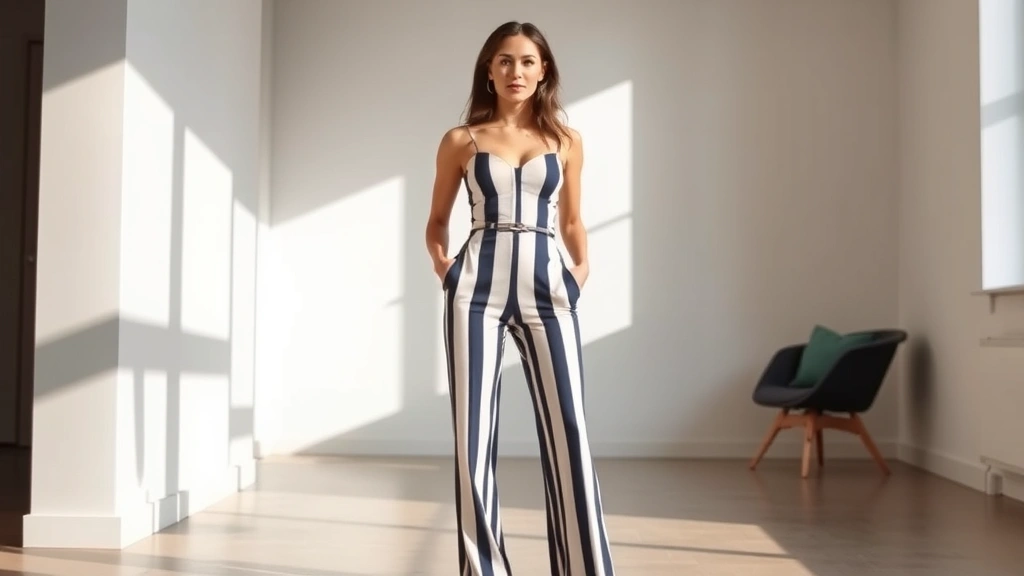
The hourglass silhouette is characterized by balanced proportions—shoulders and hips are roughly equal in width, with a defined waist. If this describes you, your styling goal should be emphasizing that beautiful waist definition while maintaining the balance between your upper and lower body.
Best styles for hourglass figures:
- Fitted dresses that cinch at the waist, such as wrap dresses or belted styles
- Peplum tops that highlight your curves while adding dimension
- Tailored blazers that follow your natural contours
- High-waisted pants and skirts that elongate your legs and define your middle
- Bodycon fabrics that showcase your proportions
- Horizontal stripes across the chest and hip areas to emphasize width
Avoid oversized, shapeless clothing that obscures your waist definition. While comfort is important, silhouettes that completely hide your natural shape miss the opportunity to celebrate what makes the hourglass so striking. The goal is creating visual harmony by following your body’s natural lines.
When selecting fashion nova dresses or other fitted options, ensure they’re tailored to your specific measurements. A dress might be the right style but the wrong size—proper tailoring can make an enormous difference in how flattering a garment looks on your frame.
Styling a Pear-Shaped Body
Pear-shaped bodies feature hips that are wider than the shoulders, with more weight distributed in the lower body. The styling strategy for pear shapes focuses on drawing attention upward while creating visual balance between the upper and lower body.
Key styling strategies for pear shapes:
- Bright colors and bold patterns on top to draw the eye upward
- Dark, neutral colors on the bottom to minimize visual weight in the hip and thigh area
- Structured tops with embellishments, ruffles, or interesting textures
- A-line skirts and flared pants that skim over the hips without clinging
- Wide-leg trousers that balance hip width
- Off-the-shoulder or boat-neck tops that broaden the shoulder line
- Horizontal stripes concentrated on the chest and shoulders
Avoid tight, form-fitting bottoms that emphasize hip width, and skip tops that are too plain or understated. Your upper body is your styling canvas—use it strategically to create the visual balance you’re seeking. Layering is also your friend; an open cardigan or oversized shirt worn over a fitted top adds dimension without adding bulk.
Dressing an Apple Shape
Apple-shaped bodies carry more weight in the midsection, with shoulders and hips that are relatively balanced. The styling objective for apple shapes is creating a smooth silhouette through the middle while adding definition and visual interest elsewhere.
Styling recommendations for apple shapes:
- Wrap dresses and tops that cinch at the side seams rather than directly at the waist
- Vertical seams and patterns that create a lengthening effect
- Structured fabrics that provide support without clinging
- Longer tops and tunics that skim over the midsection
- Bootcut or flared pants that balance the proportions
- Layering with open cardigans or jackets
- Statement necklaces and accessories that draw attention upward
- Asymmetrical hemlines that add visual interest
The key is avoiding anything too tight across the midsection or too loose and shapeless. You want fabrics that drape smoothly without clinging or ballooning. Strategic layering and the right proportions in your garments can make an enormous difference in how confident you feel.
Styling a Rectangle Body Type
Rectangle-shaped bodies have shoulders, waist, and hips that are relatively similar in width, creating a straighter silhouette. The styling goal for rectangles is creating the illusion of curves and adding dimension to your frame.
Best approaches for rectangle body shapes:
- Peplum tops and dresses that add volume at the hips
- Ruching and gathering on clothing to create texture and dimension
- Belted styles at the natural waist to create definition
- Color blocking to add visual interest and shape
- Ruffles and embellishments on tops and dresses
- Fitted styles that follow your natural lines without adding bulk
- Cropped tops paired with high-waisted bottoms to define the waist
- Horizontal stripes to add width across the chest and hips
Rectangle body types have tremendous versatility and can pull off many styles that other shapes might find challenging. Use this to your advantage by experimenting with different silhouettes and finding what makes you feel most confident. Strategic layering and accessorizing can add dimension and create the curves you’re seeking.
Dressing an Inverted Triangle
Inverted triangle body shapes have shoulders that are broader than the hips, with more weight distributed in the upper body. The styling strategy focuses on balancing the broader shoulders while adding volume and visual interest to the lower body.
Styling tips for inverted triangle shapes:
- A-line skirts and wide-leg pants that add volume to the lower body
- Bright colors and bold patterns on skirts and bottoms
- Dark, neutral colors on top to minimize the appearance of shoulder width
- V-necklines and vertical seams that create a lengthening effect
- Structured, tailored blazers in neutral tones
- Horizontal stripes concentrated on the hip and thigh area
- Ruffles and embellishments on skirts rather than tops
- Avoid shoulder details like shoulder pads or structured shoulders
The goal is creating visual balance by downplaying the broader shoulders while drawing attention to the lower body. This doesn’t mean hiding your upper body; rather, it’s about strategic styling choices that create proportion and harmony in your overall silhouette.
Universal Styling Principles
Regardless of your body shape, certain styling principles apply universally and should guide your fashion decisions. These foundational concepts, endorsed by professional stylists and fashion experts, work across all body types and personal styles.
Fit is everything: The most expensive, trendy piece in the world won’t look good if it doesn’t fit your body properly. Invest in tailoring—it’s one of the best fashion decisions you can make. A well-fitted basic is infinitely more flattering than an expensive piece that doesn’t align with your proportions.
Proportion balance: If you’re wearing a fitted top, balance it with looser bottoms, and vice versa. This creates visual harmony and prevents your outfit from looking either too tight or too shapeless. Understanding proportion is central to effective fashion styling across all body types.
Vertical lines: Vertical seams, stripes, and patterns create a lengthening effect and can make you appear taller and slimmer. Use this strategically in your styling choices, especially if you’re working with proportions you want to minimize.
Fabric matters: The right fabric can transform how a garment looks on your body. Structured fabrics hold their shape and provide support, while flowing fabrics create movement and grace. Consider the fabric weight and drape when selecting pieces for your wardrobe.
Color psychology: Understand how colors work on your skin tone and how they can be used strategically in your outfits. Darker colors recede visually, making areas appear smaller, while lighter and brighter colors advance, drawing attention to specific areas.
Color and Proportion Strategy
Color is one of the most powerful tools in a stylist’s arsenal. Beyond choosing colors that flatter your complexion, you can use color strategically to create visual balance and highlight your best features.
The strategic use of color: If you want to minimize a particular area, use darker, more muted tones. If you want to draw attention to an area, use brighter colors, patterns, or lighter shades. This principle works regardless of your body shape and can be applied to create the proportions you desire.
For instance, if you’re pear-shaped and want to balance your proportions, wear a bright, eye-catching color on top and a darker, neutral color on the bottom. This immediately draws the viewer’s eye upward, creating the illusion of more balanced proportions. The same principle applies to other body shapes—use color strategically to guide attention and create visual harmony.
When building your wardrobe, consider investing in a color palette that complements your skin tone. This doesn’t mean limiting yourself to boring neutrals; rather, it means understanding which colors make you feel confident and look your best. A professional color consultant can help you identify your color palette if you’re unsure.
Remember that fashion trends for women over 50 and other age-specific guides often emphasize the importance of color in creating polished, age-appropriate looks. The same color principles apply regardless of age—understanding your palette is timeless styling wisdom.
Proportions in your outfit also matter tremendously. If you’re wearing a cropped top, pair it with high-waisted bottoms to maintain proportion and create visual interest. If you’re wearing an oversized top, balance it with fitted bottoms. These simple proportion rules apply across all body shapes and create outfits that look intentional and polished.
When selecting patterns, consider scale. Larger patterns can overwhelm petite frames, while smaller patterns might get lost on taller or larger frames. This isn’t about restricting your choices but rather understanding how to make styling decisions that work specifically for you.
Finally, don’t underestimate the power of accessories. Belts, scarves, jewelry, and shoes can completely transform an outfit and help create the proportions and visual balance you’re seeking. A well-placed belt can instantly define your waist, while statement jewelry can draw attention upward or add visual interest to a plain outfit.
FAQ
Can my body shape change, and should I adjust my styling?
Yes, body shapes can change due to age, lifestyle, pregnancy, fitness, and other factors. When this happens, reassess your body shape and adjust your styling accordingly. The good news is that understanding body shape styling principles means you can adapt your approach regardless of how your body evolves. The fundamentals remain the same—it’s about creating balance and highlighting your best features at any given time.
What if I’m between two body shapes?
Many people don’t fit neatly into one category. If you’re between two shapes, identify which category feels most accurate and apply those principles. You might also blend recommendations from both categories. The goal isn’t perfect categorization but rather using these concepts as tools to make better styling decisions for your unique body.
Is it ever okay to wear styles that don’t match my body shape?
Absolutely. These guidelines are suggestions, not rules. If you love a particular style and it makes you feel confident, wear it. Fashion should be fun and expressive. Understanding your body shape simply gives you knowledge to make informed choices. You might choose to break these guidelines intentionally for creative expression, and that’s perfectly valid.
How do I know if something is properly tailored?
Properly tailored clothing should follow your body’s natural lines without clinging or gaping. Seams should align with your shoulders, hems should hit at the appropriate length for your height and style preference, and waistbands should sit comfortably at your natural waist. If something doesn’t feel right, a good tailor can adjust it. Investing in tailoring is one of the best fashion decisions you can make.
Where can I find styles that work for my body shape?
Many retailers now offer various silhouettes and fits to accommodate different body shapes. Look for brands that specifically cater to your body type, and don’t hesitate to try on multiple sizes and styles to find what works. Online shopping has made it easier to find niche brands that specialize in specific body types. Additionally, working with a personal stylist can help you identify brands and styles that consistently work for your proportions.
How important is personal style versus body shape styling?
Both matter equally. Body shape styling is about understanding your proportions and making choices that flatter your frame. Personal style is about expressing who you are through fashion. The best approach combines both—use body shape styling principles to make informed choices, then apply your personal style preferences within those guidelines. This creates outfits that are both flattering and authentically you.