
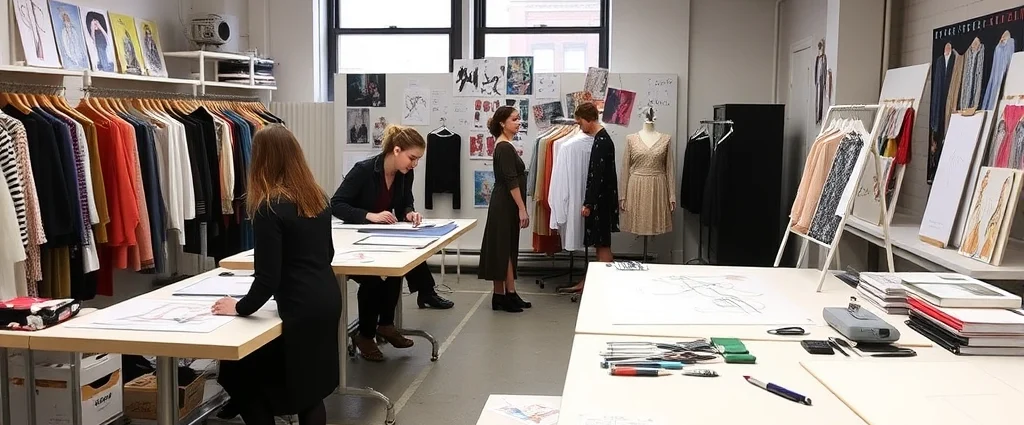
Best Fashion Internships NYC? Insider Picks for Your Career Launch
New York City remains the undisputed epicenter of the fashion world, where iconic designers, cutting-edge brands, and prestigious publishing houses converge to shape global style trends. For aspiring fashion professionals, landing an internship in NYC isn’t just about gaining experience—it’s about positioning yourself at the heart of an industry that influences billions. Whether you’re drawn to design, merchandising, styling, or fashion journalism, the city offers unparalleled opportunities to learn from industry titans and build the network that could launch your career into the stratosphere.
This comprehensive guide explores the best fashion internships available in New York City, vetted by industry insiders and curated specifically for ambitious fashion students and early-career professionals. We’ll reveal where to find these coveted positions, what top companies are looking for, and how to make your application stand out in a competitive landscape where talent is abundant but strategic guidance is invaluable.
Top Fashion Houses and Design Studios
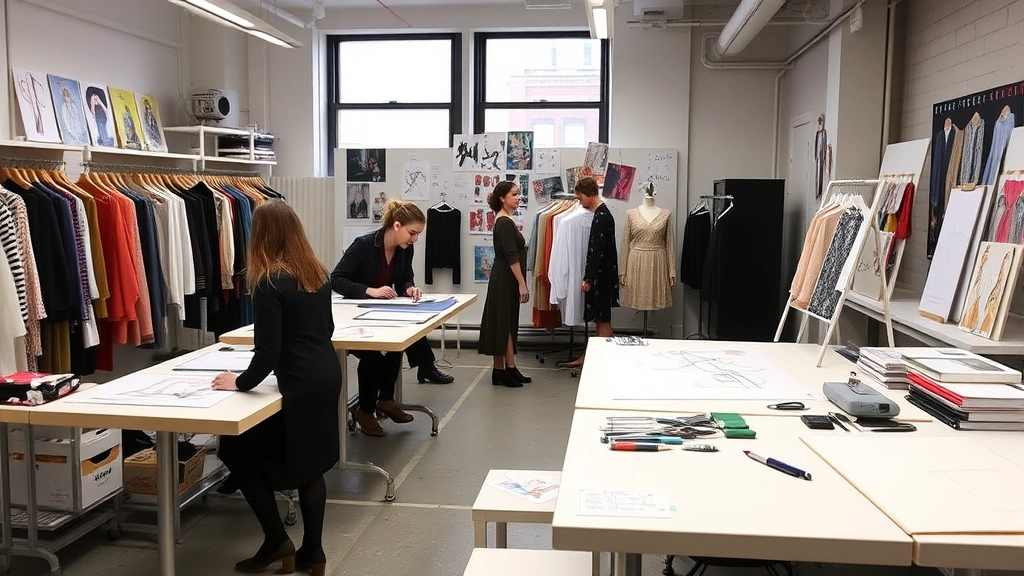
The design studio internships represent the pinnacle of hands-on fashion education. Major fashion houses headquartered or with significant operations in New York—including Ralph Lauren, Calvin Klein, Donna Karan, and DKNY—consistently recruit interns for their design, patternmaking, and production teams. These positions offer direct mentorship from established designers and the opportunity to contribute to collections that reach global markets.
Beyond the established names, emerging designer studios in neighborhoods like the Garment District and SoHo provide intimate learning environments where you’ll work closely with creative visionaries. Many independent designers actively seek interns willing to roll up their sleeves and engage in every aspect of the design process, from initial sketches to final fittings. This exposure to smaller operations often proves invaluable because you’ll understand the complete business side of fashion creation, not just the creative components.
For those interested in technical fashion roles, internships focused on how to become a fashion designer through hands-on apprenticeships are particularly valuable. These positions typically require strong sketching abilities, pattern-making knowledge, or digital design skills using software like CLO 3D and Adobe Creative Suite. The compensation varies widely, but many prestigious houses offer paid internships ranging from $15 to $20 per hour, with some providing academic credit through partnership programs with fashion schools.
Luxury Retail and Department Store Internships
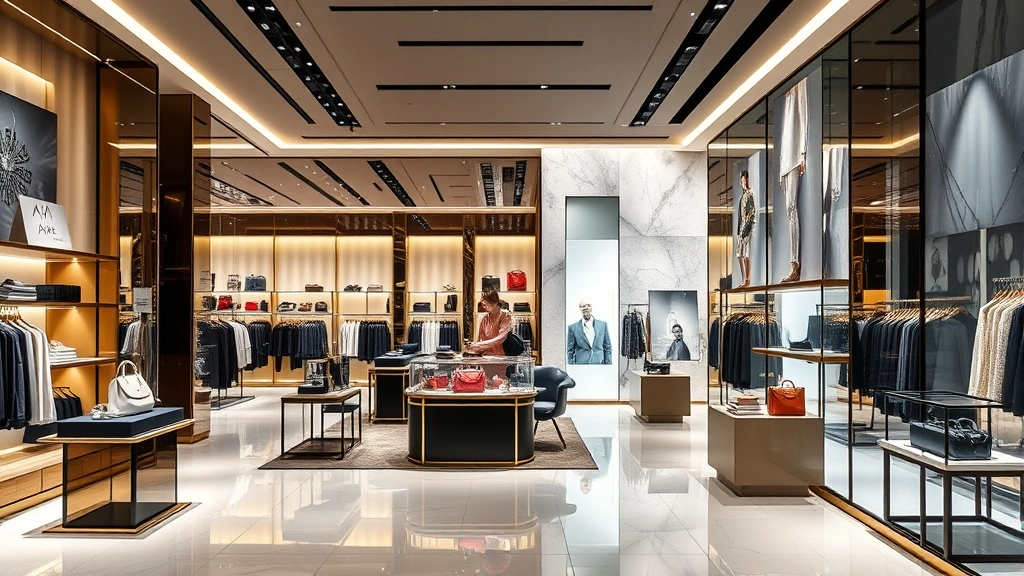
Saks Fifth Avenue, Bergdorf Goodman, and Bloomingdale’s represent the gold standard for retail internships in Manhattan. These legendary institutions employ hundreds of interns annually across merchandising, visual merchandising, buying, and customer experience departments. Working within these storied environments immerses you in luxury brand curation, trend forecasting, and the sophisticated art of presenting fashion to discerning clientele.
The merchandising internships at major department stores offer exceptional training in inventory management, sales analysis, and trend prediction. You’ll learn how fashion moves through the retail pipeline—which styles resonate with customers, which price points drive margins, and how seasonal transitions impact purchasing decisions. This knowledge proves invaluable whether you eventually pursue brand management, buying, or product development roles.
Visual merchandising internships deserve special mention because they combine creative expression with strategic business thinking. You’ll work alongside experienced visual merchants designing window displays, floor layouts, and in-store experiences that tell brand stories and drive customer engagement. The skills you develop—spatial design, color theory, storytelling through fashion—translate across virtually every fashion career path.
Many department stores partner with best fashion schools in the world to create structured internship programs, often providing semester-long placements with mentorship and skill-building workshops. These formal programs typically offer modest compensation, but the credential and network access prove tremendously valuable.
Fashion Publishing and Media Opportunities
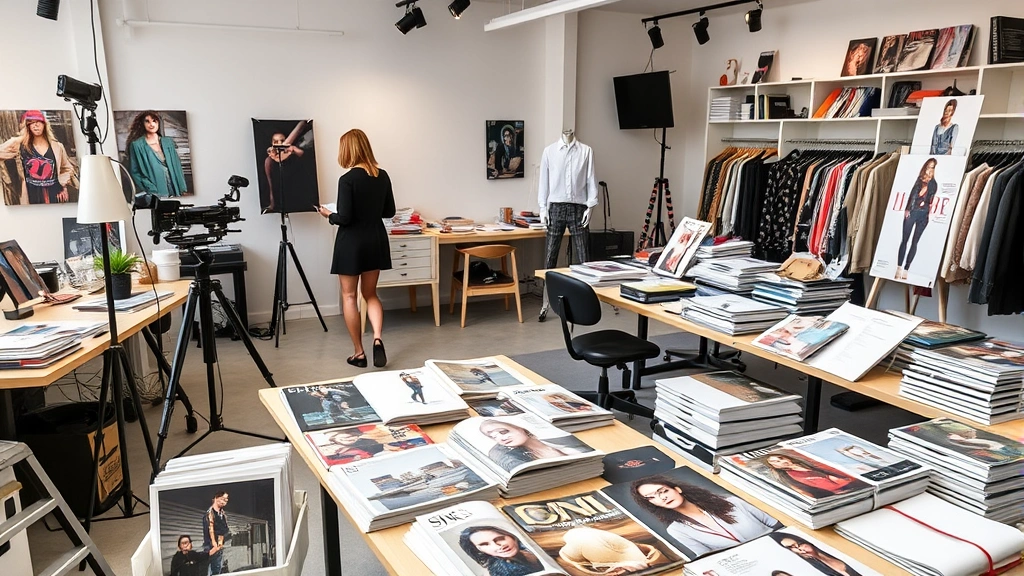
Vogue, Harper’s Bazaar, W Magazine, and other prestigious fashion publications maintain editorial offices in New York where interns contribute to content creation, trend research, and brand partnerships. Vogue’s internship program has launched countless fashion journalism careers, though competition remains fierce. These positions appeal to those passionate about fashion storytelling, trend analysis, and cultural commentary.
Editorial internships involve researching emerging designers, attending fashion shows, conducting interviews, and writing trend forecasts. You’ll develop strong writing and communication skills while building a portfolio that demonstrates your ability to identify and articulate fashion narratives. The fast-paced environment teaches you to work under deadline pressure while maintaining editorial integrity and brand voice.
Digital media internships have expanded dramatically, with fashion brands and publications seeking interns specializing in social media, content creation, and influencer relations. If you excel at Instagram storytelling, TikTok trends, or YouTube content strategy, opportunities abound at both traditional publications and digital-native fashion platforms. These roles often bridge creative and analytical thinking, requiring you to understand both aesthetic appeal and engagement metrics.
For those pursuing fashion design degree programs, publishing internships offer valuable perspective on how design translates to consumer perception and market success. You’ll understand how editorial coverage influences brand positioning and how visual presentation shapes fashion narratives.
Styling and Creative Agencies
Creative styling agencies and fashion consultancies represent an often-overlooked internship opportunity. Companies specializing in celebrity styling, brand partnerships, and content creation actively recruit interns to assist with wardrobe curation, lookbook development, and trend research. These roles suit detail-oriented individuals with strong fashion intuition and organizational skills.
Working as a styling intern exposes you to the behind-the-scenes mechanics of fashion presentation. You’ll learn how stylists select pieces for editorial shoots, coordinate with photographers and designers, and construct compelling narratives through clothing choices. Many stylists began as interns, learning the industry through apprenticeship while building the technical and creative skills necessary for independent practice.
Public relations and marketing agencies with fashion divisions also hire interns for campaign development, media relations, and event coordination. These positions teach you how fashion brands communicate with audiences, build brand loyalty, and create aspirational lifestyle narratives. If you’re interested in the business side of fashion marketing, these internships provide invaluable exposure to strategy, analytics, and consumer psychology.
Specialized creative agencies focusing on fashion business strategy and brand development offer internships for those interested in the intersection of creativity and commerce. These positions appeal to analytically-minded individuals who want to understand fashion beyond aesthetics, diving into market research, competitive analysis, and consumer behavior.
How to Secure Your Dream Internship
Landing a competitive fashion internship in NYC requires strategic planning, exceptional presentation, and persistence. Begin by clarifying your specific interests within fashion—design, retail, publishing, styling, or business development. This focus helps you target applications toward roles that genuinely excite you, and your authentic enthusiasm will resonate with recruiters evaluating dozens of applications.
Develop a polished portfolio that showcases your best work. For design-focused internships, include sketches, mood boards, and finished designs. For editorial or styling roles, compile a digital portfolio with writing samples, mood boards, or curated fashion imagery. For retail and business roles, create a professional presentation highlighting relevant coursework, analytical projects, or research. Your portfolio should be visually cohesive, professionally presented, and accessible via a personal website or digital platform.
Leverage the StyleLoom Daily Blog and similar fashion industry resources to stay informed about emerging trends and companies. Following fashion publications, industry news sites, and individual designers helps you speak intelligently about the industry during interviews. Recruiters are impressed by candidates who demonstrate genuine knowledge of the company’s aesthetic, recent collections, and market positioning.
Network strategically within the fashion community. Attend industry events, fashion shows, and networking mixers where you’ll encounter professionals and fellow aspiring fashionistas. Connect with alumni from your school working in NYC fashion roles—personal referrals significantly increase your chances of securing interviews. Many companies prioritize referrals from current employees because it indicates cultural fit and commitment.
When applying, customize your cover letter for each position, demonstrating specific knowledge about the company and explaining why you’re genuinely interested in that particular role. Generic applications rarely succeed in competitive markets. Reference specific collections, campaigns, or brand values that resonate with you, showing you’ve done your research and aren’t simply applying to every available position.
Consider the Fashion Institute of Technology tuition and other educational investments as part of your career development strategy. Many fashion schools maintain strong relationships with NYC companies and facilitate internship placements for students. If you’re not enrolled in a fashion program, seek mentorship from professionals willing to guide your career development and provide insider perspective on competitive applications.
Maximizing Your Internship Experience
Securing an internship is merely the beginning—how you approach the experience determines its career impact. From day one, demonstrate reliability, enthusiasm, and willingness to tackle any assignment, regardless of prestige. Interns who complain about mundane tasks or expect immediate creative responsibility rarely receive strong recommendations or return offers.
Seek mentorship from experienced professionals within your internship organization. Most fashion professionals remember their early careers and genuinely want to help promising interns develop skills and navigate the industry. Ask thoughtful questions, observe how senior professionals approach challenges, and request feedback on your work. This proactive approach often leads to mentorship relationships extending beyond your internship period.
Document your accomplishments and projects throughout your internship. Maintain a portfolio of work you contributed to—design sketches, merchandising analyses, written content, or visual merchandising concepts. These tangible examples of your contributions become powerful portfolio pieces when interviewing for full-time positions or subsequent internships.
Build genuine relationships with colleagues across departments. Fashion careers benefit tremendously from strong professional networks, and the connections you make as an intern often prove valuable throughout your career. Stay in touch with colleagues through LinkedIn and industry events, maintaining relationships that could lead to future opportunities or valuable collaborations.
Use your internship to identify your true passion within fashion. Many interns discover their favorite aspects of the industry through hands-on experience, helping clarify career direction. If design feels less appealing than you anticipated but merchandising excites you, your internship provides valuable data for making informed career decisions. Conversely, if your experience confirms your original passion, you’ll enter full-time employment with clarity and confidence.
Before your internship concludes, request a strong letter of recommendation from your supervisor or a senior mentor. These recommendations carry significant weight in fashion hiring, particularly from recognized brands or publications. A thoughtful recommendation from an industry professional can differentiate your candidacy for competitive full-time positions.
FAQ
What qualifications do fashion internships in NYC typically require?
Most fashion internships require enrollment in an accredited fashion or business program, though some accept recent graduates or self-taught professionals with strong portfolios. Specific requirements vary by role—design internships typically require sketching or design software skills, while editorial positions emphasize writing ability. Retail internships often require only customer service experience and enthusiasm for fashion. Review specific job postings carefully, as requirements vary considerably across companies and departments.
Are fashion internships in NYC paid?
Compensation varies significantly. Many prestigious fashion houses and publications offer paid internships ranging from $15 to $20 per hour, though some—particularly at smaller studios—offer academic credit instead of wages. Retail internships at major department stores typically pay minimum wage or slightly higher. Research specific companies and negotiate compensation when possible. Some unpaid internships exist, particularly at non-profits or very small design studios, but paid positions are increasingly standard, especially at established companies.
How competitive are NYC fashion internships?
Fashion internships in New York are highly competitive, particularly at prestigious companies like Vogue, major fashion houses, and luxury retailers. However, competition varies by specialty. Styling and creative agency internships, while still competitive, may receive fewer applications than editorial positions. Developing a strong portfolio, networking actively, and targeting less saturated niches increases your chances of success. Many interns secure positions through personal connections rather than open applications.
How long do fashion internships typically last?
Duration varies from semester-long placements (12-16 weeks) to summer internships (8-12 weeks) to year-round positions. Many companies offer flexibility, accommodating academic schedules or allowing interns to extend their commitments. Discuss duration expectations during interviews, as some roles require longer commitments than others. Longer internships generally provide deeper learning and stronger recommendations.
Can an internship lead to full-time employment?
Yes, many interns transition to full-time roles within their internship companies, particularly if they demonstrate strong performance and cultural fit. Companies often view internships as extended job interviews, evaluating candidates for permanent positions. However, don’t assume transition is automatic—perform exceptionally, express genuine interest in full-time opportunities, and discuss career development with supervisors. If your internship company doesn’t have appropriate full-time openings, strong recommendations help you secure positions elsewhere.