When to Wear Plaid? Fashion Expert Explains
Plaid has transcended its Scottish heritage to become a global fashion staple that graces runways, street style, and everyday wardrobes. Yet many style enthusiasts struggle with the fundamental question: when is plaid appropriate, and how do you wear it without appearing costume-like or dated? This comprehensive guide explores the nuanced world of plaid dressing, breaking down seasonal considerations, occasion-based styling, and expert tips that transform this classic pattern into a versatile wardrobe essential.
Whether you’re a fashion student studying textile patterns at a leading fashion institute, or simply someone eager to master this timeless print, understanding the cultural context and styling principles behind plaid will elevate your fashion game significantly. From business casual to weekend adventures, plaid works harder than most people realize.
The Rich History of Plaid in Fashion
Plaid’s journey in fashion is fascinating and deeply rooted in cultural significance. Originally, tartan patterns served as identification markers for Scottish clans, with specific color combinations denoting family lineage and regional origin. Understanding this heritage enriches your appreciation for the pattern and informs how you wear it respectfully. The pattern gained international prominence during the 19th century when it became associated with British aristocracy and sporting traditions.
The transition from traditional Highland dress to contemporary fashion occurred gradually throughout the 20th century. Historical fashion evolution shows us that plaid entered mainstream Western fashion during the 1950s through American youth culture, particularly through icons like James Dean and Marlon Brando. The pattern experienced a major resurgence during the 1990s grunge movement, when flannel shirts and plaid became symbols of anti-fashion rebellion. Today, plaid represents something entirely different—a versatile, sophisticated pattern that transcends generational and cultural boundaries.
According to Vogue, contemporary designers continuously reinterpret plaid through modern tailoring, unconventional color palettes, and innovative fabric combinations. This evolution demonstrates plaid’s remarkable staying power and adaptability in the fashion landscape.
Seasonal Guide to Wearing Plaid
Fall: Plaid’s Prime Season
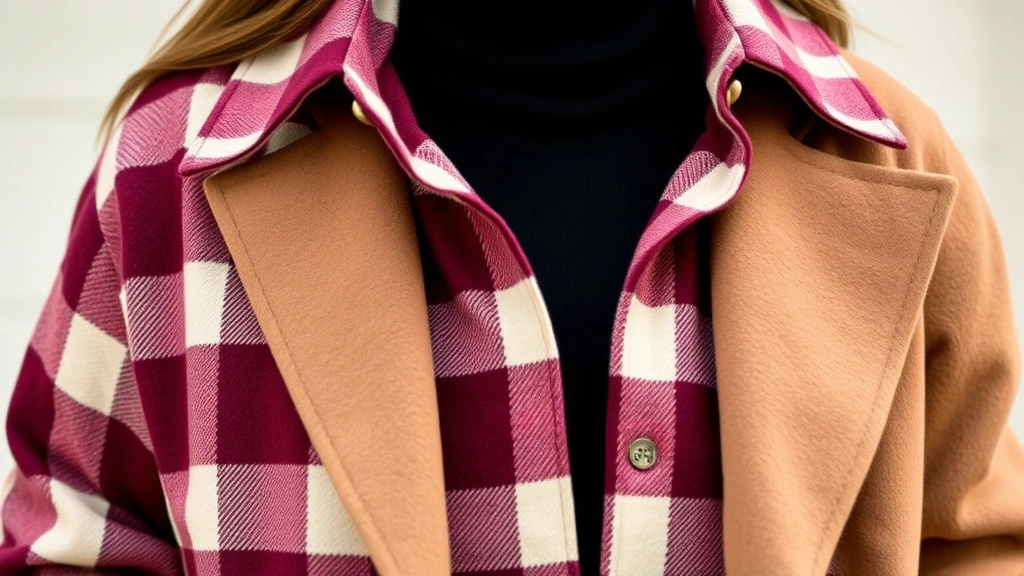
Autumn is undeniably plaid’s moment to shine. The season’s color palette—burnt orange, deep burgundy, forest green, mustard yellow, and chocolate brown—naturally complements traditional plaid patterns. This is when plaid feels most seasonally appropriate and effortless. Layer a plaid shirt over a cream turtleneck, pair it with camel trousers, and finish with ankle boots for an instantly polished autumn look. The academic calendar at fashion institutes typically emphasizes fall collections during September through November, and you’ll notice plaid features prominently in student projects during these months.
Fall styling allows you to embrace heavier plaid fabrics like wool and flannel without appearing out of place. Oversized plaid blazers become office staples, while plaid skirts paired with tights offer a preppy-chic aesthetic. The cooler temperatures justify layering plaid pieces, creating dimension and visual interest in your outfit.
Winter: Plaid with Sophistication
Winter transforms plaid into something more refined. This season calls for luxurious fabric choices—cashmere blends, silk-wool combinations, and high-quality cotton. A plaid coat in navy, grey, or burgundy becomes a statement piece that grounds your entire winter wardrobe. The key is selecting jewel tones and darker shades that feel elevated rather than casual.
Winter plaid styling benefits from minimalist accessories and clean silhouettes. A tailored plaid coat over simple black trousers and pointed-toe heels creates sophisticated elegance. Plaid scarves and blanket wraps add texture without overwhelming your look, and they’re particularly practical during cold months.
Spring: Light and Airy Plaid
Spring plaid requires a lighter touch. Transition to cotton and linen blends in pastel plaid patterns or traditional tartans in lighter colorways. Think pale pink and cream, soft blues and whites, or sage green combinations. Spring plaid works beautifully in shirt dresses, lightweight button-ups, and cropped styles that expose more skin.
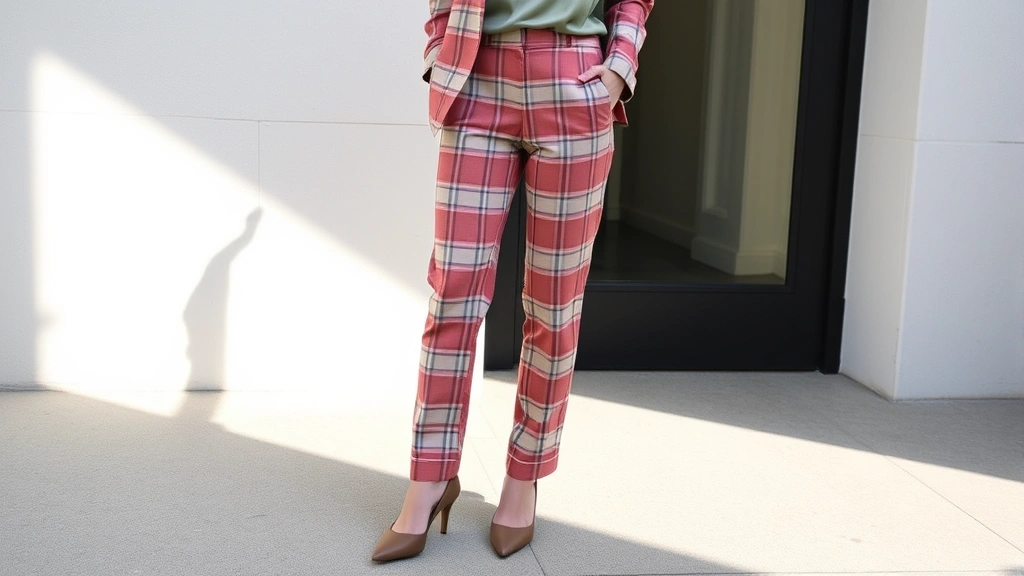
This season calls for strategic plaid placement rather than all-over patterns. A plaid shirt tied at the waist over a simple white tee, or plaid cropped pants with a neutral sweater, keeps things fresh and season-appropriate. Spring allows you to experiment with unexpected plaid pairings since the lighter fabrics feel inherently more playful.
Summer: Minimal and Intentional
Summer plaid requires the most restraint. Rather than full plaid garments, incorporate plaid through accessories—a plaid headscarf, a lightweight plaid shirt as a beach cover-up, or plaid-trimmed shorts. When wearing plaid clothing in summer, choose breathable fabrics and ensure the pattern doesn’t overwhelm your outfit. A single plaid piece should anchor your look, with everything else remaining neutral and minimal.
Linen plaid shirts work beautifully for summer, particularly in lighter color combinations. Pair them unbuttoned over a simple tank or wear them as a standalone piece in relaxed, rolled-sleeve styling. The key is keeping everything else simple so the plaid doesn’t feel heavy or out of season.
Plaid for Every Occasion
Business and Professional Settings
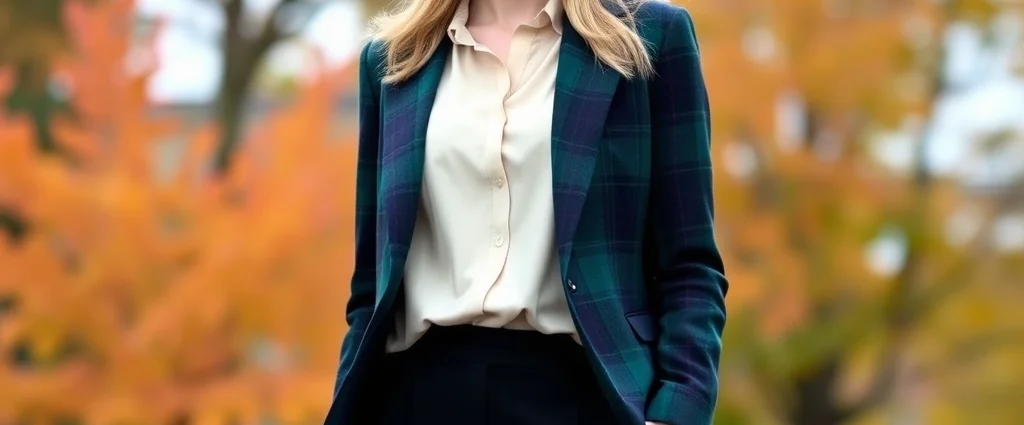
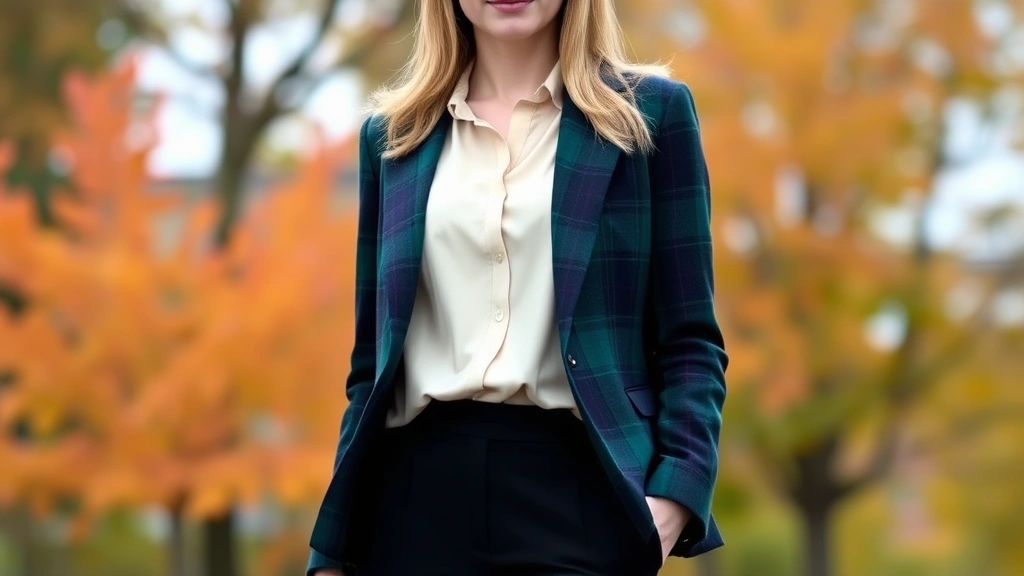
Plaid absolutely belongs in professional environments when styled correctly. A well-tailored plaid blazer in navy, grey, or burgundy over a white blouse and black trousers creates polished, authoritative style. The pattern adds personality while maintaining professionalism. Plaid skirts in classic tartans pair beautifully with structured white shirts and blazers for a sophisticated office look.
The trick to professional plaid is focusing on quality fabrics, impeccable tailoring, and restrained color choices. Avoid overly loud or neon color combinations, and ensure your plaid pieces are well-constructed and properly fitted. When you find your personal style within professional constraints, plaid becomes a powerful tool for expressing individuality while respecting workplace dress codes.
Casual Weekend Wear
This is where plaid truly shines for most people. Oversized plaid shirts, boyfriend-fit plaid jackets, and relaxed plaid pants work perfectly for weekend errands, coffee dates, and casual outings. The beauty of casual plaid styling lies in its effortlessness—throw a plaid shirt over a simple tee, pair it with jeans, and you’re instantly put-together without appearing overdressed.
Plaid flannel shirts have become iconic weekend pieces that work across age groups and style preferences. Layer them over long-sleeve shirts, tie them at the waist, or wear them fully buttoned as standalone pieces. The versatility of casual plaid makes it an essential wardrobe investment that yields countless outfit combinations.
Date Night and Evening Events
Plaid can absolutely transition to evening occasions with the right approach. A plaid dress in jewel tones, paired with heeled boots and a structured blazer, creates sophisticated evening style. Plaid separates work beautifully for date nights—think a plaid skirt with a satin blouse and delicate heels, or plaid trousers with a silky camisole and statement jewelry.
The key to evening plaid is choosing luxurious fabrics, darker color palettes, and more refined cuts. Avoid casual flannel or distressed finishes. Instead, opt for tailored silhouettes in wool blends or silk-cotton combinations. Accessorize with elegant jewelry and polished shoes to elevate the overall look into evening-appropriate territory.
Creative and Artistic Spaces
Fashion students and creative professionals often explore plaid’s artistic potential. In creative environments, plaid becomes a tool for self-expression and trend exploration. Mix unexpected plaid patterns, experiment with unconventional color combinations, and layer plaid pieces in ways that might seem risky in conservative settings. These spaces celebrate individuality and encourage fashion experimentation.
Expert Styling Tips and Tricks
The One Plaid Rule
Fashion experts often recommend the “one plaid rule”—featuring only one plaid piece as your outfit’s statement element. This prevents your look from becoming visually overwhelming or costume-like. If you’re wearing plaid pants, keep your top neutral. If you’re wearing a plaid shirt, pair it with solid-colored bottoms. This principle maintains balance and sophistication in your overall appearance.
Mixing Plaid Patterns
Advanced stylists can successfully mix multiple plaid patterns, but this requires careful consideration. When combining different plaids, ensure they share at least one color in common. This color connection creates visual harmony despite pattern variation. Additionally, vary the scale of the patterns—pair a large-scale plaid with a smaller check or fine tartan to create interesting contrast without visual chaos.
Neutralizing Plaid
Plaid’s boldness requires neutral anchors. Pair plaid pieces with white, black, grey, cream, camel, or navy basics. These neutral foundations allow the plaid pattern to shine without competing with other pattern elements. Solid-colored accessories in neutral tones further ground your look and prevent plaid from dominating your entire appearance.
Proportion and Fit
How plaid fits your body significantly impacts its visual effect. Oversized plaid can look deliberately stylish or sloppy depending on execution. Choose oversized cuts with intention—ensure they’re intentionally oversized through designer construction rather than simply ill-fitting. Similarly, fitted plaid pieces should follow your body’s contours without clinging uncomfortably. The right fit transforms plaid from costume-like to genuinely chic.
Fabric Weight Matters
Heavy wool plaid reads differently than lightweight cotton plaid. Choose fabric weights appropriate for your climate and the occasion. Heavier fabrics work for fall and winter, while lighter options suit spring and summer. Mixing fabric weights creates interesting texture and prevents your plaid pieces from feeling one-dimensional.
Color Combinations That Work
Classic Combinations
Certain plaid color combinations have proven their staying power across decades. Navy and green tartans pair beautifully with almost any neutral. Red and black plaids create bold, confident statements. Grey and white patterns offer understated sophistication. These classics remain reliable choices because their color proportions create visual balance.
Contemporary Color Pairings
Modern fashion has expanded plaid’s color palette significantly. Dusty rose and cream, sage green and ivory, and burgundy and gold represent contemporary takes on traditional patterns. These softer, more nuanced combinations appeal to fashion-forward dressers seeking something beyond classic tartans. The Fashion Spot regularly features innovative plaid colorways that challenge conventional expectations.
Unexpected Color Matches
Fashion institutes encourage students to experiment with unconventional plaid pairings. Plaid in unexpected colors—lavender, burnt orange, or teal—paired with equally unexpected neutral partners creates memorable, distinctive style. While these combinations require confidence to pull off, they showcase genuine fashion sophistication and personal style development.
Modern Plaid Trends
Oversized Silhouettes
Contemporary fashion embraces oversized plaid pieces with enthusiasm. Oversized plaid blazers, boyfriend shirts, and relaxed-fit trousers dominate current runways. This trend reflects broader fashion movement toward comfort and practicality without sacrificing style. Oversized plaid works beautifully when balanced with fitted pieces elsewhere in your outfit—pair an oversized plaid shirt with fitted trousers or skinny jeans to maintain proportion.
Plaid Layering
Strategic layering has become essential to modern plaid styling. Wearing a plaid shirt unbuttoned over a solid tee, or layering a plaid vest over a long-sleeve shirt, creates dimension and visual interest. This approach also extends plaid’s wearability across seasons by allowing you to adjust layers based on temperature. Explore StyleLoom Daily Blog for detailed layering tutorials and seasonal inspiration.
Plaid in Unexpected Garments
Designers increasingly introduce plaid to unexpected pieces—plaid swimsuits, plaid sneakers, plaid bags, and even plaid activewear. These innovations demonstrate plaid’s evolution from traditional pattern to truly versatile design element. While some interpretations work better than others, this experimentation keeps plaid fresh and relevant to contemporary fashion.
Luxury Plaid
High-end fashion houses have elevated plaid through luxurious fabric choices and refined construction. Designer plaid pieces command premium prices because of superior tailoring, quality materials, and innovative pattern applications. Investing in quality plaid pieces from respected designers ensures longevity and timeless appeal in your wardrobe.
Gender-Neutral Plaid
Modern fashion increasingly presents plaid as gender-neutral. Oversized plaid shirts, structured plaid jackets, and relaxed plaid trousers work beautifully regardless of the wearer’s gender. This shift reflects broader fashion evolution toward inclusivity and personal expression over rigid gender norms. Plaid’s inherent versatility makes it perfect for this gender-neutral movement.
FAQ
Can you wear plaid in summer?
Yes, but with intention and restraint. Choose lightweight fabrics like linen or cotton blends in pale or traditional colorways. Incorporate plaid through accessories or single statement pieces rather than full plaid outfits. Keep everything else minimal and neutral to prevent your look from feeling heavy or out of season. A linen plaid shirt worn loosely over a simple tank works beautifully for summer style.
Is plaid appropriate for formal events?
Plaid can work for formal events when styled with sophistication. A plaid skirt or trousers in jewel tones paired with an elegant blouse and heeled shoes creates refined evening style. Alternatively, a plaid blazer in luxurious fabric over a simple dress adds personality to formal wear. The key is choosing high-quality fabrics, darker color palettes, and tailored silhouettes that feel intentionally formal rather than casual.
How do I avoid looking costume-like in plaid?
Focus on quality, fit, and proportion. Invest in well-made pieces with proper tailoring. Use the one-plaid rule to prevent overwhelming your outfit. Pair plaid with neutral basics and accessories. Choose appropriate fabric weights for the season. Most importantly, wear plaid with confidence—hesitation or self-consciousness in your styling choices translates visually. When you wear plaid intentionally and confidently, it appears fashionable rather than costume-like.
What shoes work with plaid?
Virtually any shoe style works with plaid depending on the overall look you’re creating. Ankle boots ground casual plaid beautifully. Heeled shoes elevate plaid to evening-appropriate status. Sneakers create deliberately casual style. Loafers add preppy sophistication. The key is ensuring your shoes complement the overall vibe of your outfit and don’t compete with the plaid pattern for visual attention.
Can men wear plaid in modern fashion?
Absolutely. Plaid is experiencing a significant moment in menswear, with designers offering plaid shirts, blazers, trousers, and accessories. The contemporary menswear approach to plaid emphasizes tailored fits, quality fabrics, and sophisticated styling. Men can wear plaid in professional settings, casual environments, and creative spaces with the same versatility as any other pattern. The styling principles remain consistent—quality, proportion, and intentional accessorizing.
How do I style plaid for different body types?
Plaid works for all body types when you consider proportion and fit. Larger-scale plaids can overwhelm petite frames, so smaller checks or fine tartans work better. Conversely, smaller-scale plaids might get lost on larger frames, so larger patterns provide better visual impact. Oversized silhouettes work beautifully for various body types when balanced with fitted pieces. Vertical patterns create elongating effects. Ultimately, choosing pieces that fit your body properly and flatter your proportions matters more than the plaid pattern itself.
Is plaid trendy or timeless?
Plaid is both. It experiences cyclical fashion moments when it dominates runways and street style, but it never truly disappears from fashion. Understanding this dual nature helps you invest wisely in plaid pieces. Classic tartans and neutral-colored plaids remain timeless wardrobe staples. Trendy plaid comes in unexpected colors, unconventional garment types, and innovative styling approaches. Building a plaid wardrobe means combining timeless classics with trendy pieces that reflect your personal style and current fashion interests.
Where can I learn more about plaid styling?
Fashion institutes worldwide offer courses exploring pattern theory, textile history, and contemporary styling principles. Explore the complete fashion history timeline to understand plaid’s evolution. Harper’s Bazaar regularly features expert styling advice and trend forecasting. Fashion blogs, YouTube styling channels, and Instagram fashion accounts provide endless inspiration and practical guidance for incorporating plaid into your personal wardrobe.