
Elden Ring Fashion Tips: Master Your Gamer Style Guide
Elden Ring has revolutionized not just gaming, but the intersection of interactive storytelling and aesthetic expression. Beyond mastering combat mechanics and discovering hidden dungeons, one of the most captivating aspects of FromSoftware’s masterpiece is the incredible depth of character customization and fashion possibilities. Whether you’re a seasoned Tarnished or a newcomer to the Lands Between, understanding how to curate your character’s appearance is essential to creating an immersive, memorable gaming experience. This comprehensive guide explores the art of Elden Ring fashion, revealing how to construct cohesive, stunning looks that reflect your personal gaming style.
The beauty of Elden Ring’s fashion system lies in its remarkable flexibility and the sheer volume of armor sets, weapons, and accessories available throughout your journey. Unlike many modern games that prioritize functionality over aesthetics, Elden Ring celebrates the marriage of both—allowing players to look absolutely magnificent while remaining combat-effective. From ornate medieval knight armor to ethereal sorcerer robes, from menacing boss-inspired designs to subtle, understated elegance, the game offers something for every fashion sensibility and playstyle.

Understanding Elden Ring’s Fashion System
Elden Ring’s approach to character customization represents a sophisticated evolution in gaming fashion design. The system allows players to mix and match armor pieces from different sets without penalty, meaning your helmet, chest piece, gauntlets, and leg armor can come from entirely different sources. This modularity is the foundation of creating truly unique looks. Understanding the mechanics behind this system is crucial before diving into specific fashion recommendations.
The game features over 100 distinct armor pieces, each with its own visual identity, weight classification, and defensive properties. Unlike some games where fashion is purely cosmetic, Elden Ring maintains the traditional FromSoftware approach where appearance and functionality intertwine. Heavy armor looks imposing but increases equip load, while light armor provides mobility but offers less protection. This balance forces players to make meaningful choices about their aesthetic priorities.
When building your Elden Ring fashion aesthetic, consider starting with your character’s fundamental concept. Are you channeling a noble knight, a cunning sorcerer, a savage warrior, or perhaps something more unconventional? Your thematic anchor will guide all subsequent fashion decisions and ensure visual cohesion. Many players find that establishing this core identity early makes the process of selecting individual pieces significantly more intuitive and satisfying.
One often-overlooked aspect of Elden Ring fashion involves understanding how lighting affects your appearance. Different areas of the Lands Between feature distinct lighting conditions—the golden glow of Leyndell differs dramatically from the murky shadows of Siofra River or the crimson haze of Mohgwyn Palace. Test your fashion choices in various locations to ensure your carefully curated look translates across all environments.
Essential Armor Sets for Different Playstyles
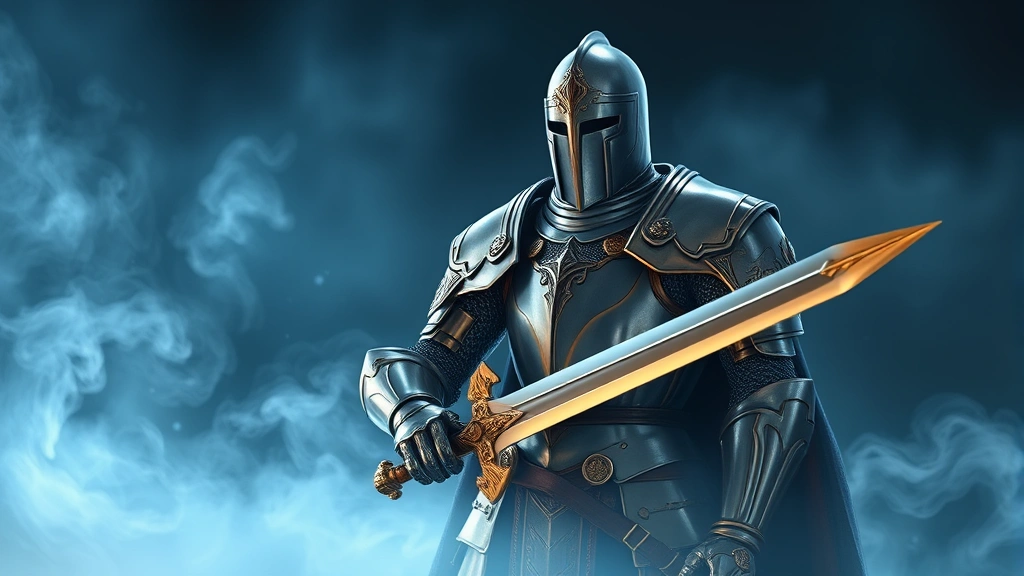
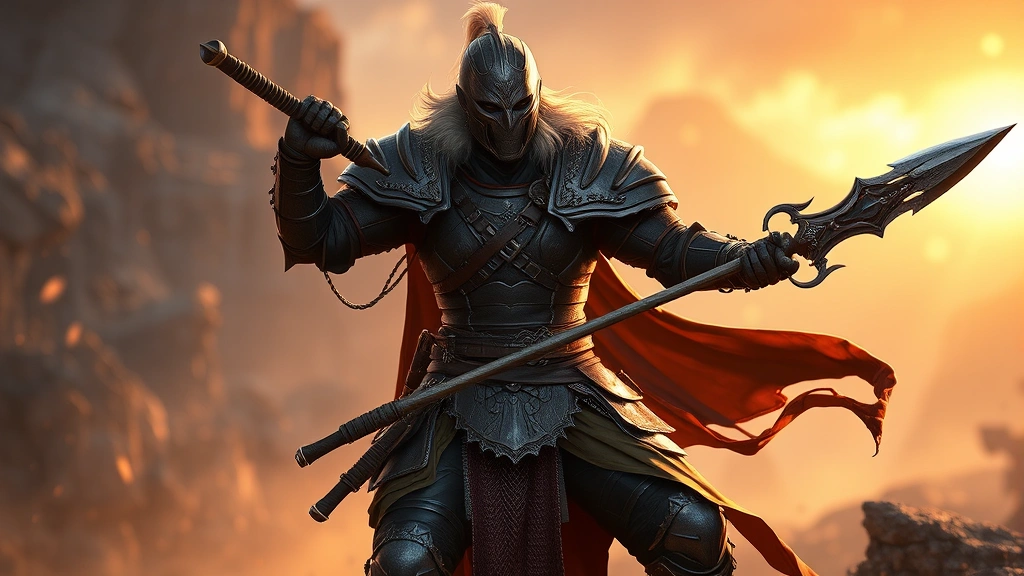
Creating a compelling Elden Ring fashion statement begins with selecting armor sets that complement your combat approach. Heavy melee builds benefit from imposing plate armor, while dexterous characters might prefer sleeker, more mobile designs. Understanding which armor sets work best for your playstyle ensures that your fashion choices enhance rather than hinder your gameplay.
For strength-based warriors, the Radahn Soldier Armor presents an excellent foundation—it captures the essence of formidable military power while maintaining respectable mobility. Pair this with the Greatsword or Greatsword Halberd for a cohesive warrior aesthetic. Alternatively, the Lionel’s Armor offers a more refined, noble appearance with similar protective properties. These sets work particularly well when you’re pursuing a finding your personal style approach to gaming fashion.
Dexterity-focused characters should explore the Raptor Black Feathers chest piece combined with lighter leg armor for a sleek, predatory appearance. The Hoslow’s Armor provides an elegant, high-fashion aesthetic while maintaining excellent mobility. For those seeking something more exotic, the Ronin’s Armor delivers an Eastern-inspired look that feels distinctly different from traditional European knight designs.
Sorcerers and magic-focused builds have access to some of the most visually distinctive armor in the game. The Raya Lucarian Robe embodies scholarly elegance, while the Astrologer Robe offers a more mysterious, cosmic aesthetic. For something bolder, the Azur’s Glintstone Crown paired with flowing robes creates an unmistakably powerful mage appearance. The Spellblade’s Pointed Hat works wonderfully for intelligence-dexterity hybrid builds.
Faith-based builds unlock some of Elden Ring’s most ornate and spiritually resonant armor pieces. The Godrick Knight Armor conveys divine authority, while the Tree Sentinel Armor radiates golden, celestial power. For a more subtle approach, the Cleanrot Armor offers elegant, plague-resistant aesthetics that feel simultaneously vulnerable and powerful. The Hoslow’s Armor also suits faith builds exceptionally well, particularly when paired with incantation-focused weapons.
Color Coordination and Visual Harmony
Fashion transcends individual pieces—it’s about creating a cohesive visual narrative. In Elden Ring, mastering color coordination separates amateur fashion attempts from truly impressive character aesthetics. The game’s diverse color palette means that thoughtful selection can yield stunning results.
Begin by identifying your character’s primary color scheme. Gold and silver combinations suggest nobility and divine power—perfect for faith builds or noble knight concepts. Deep blues and purples evoke mystery and arcane knowledge, ideal for sorcerers and intelligence builds. Reds and blacks convey danger and aggression, suiting strength builds and aggressive playstyles. Once you’ve established your primary palette, select armor pieces that reinforce this color story.
The Hoslow’s Armor mentioned earlier works beautifully because its warm metallics and refined detailing create visual interest while maintaining chromatic consistency. Similarly, the Raya Lucarian Robe features a cohesive blue-and-gold palette that feels intentional and sophisticated. Avoid randomly mixing colors—instead, think about how each piece contributes to your overall aesthetic narrative.
Consider also the visual weight of different armor pieces. Heavier, bulkier armor demands stronger color statements, while lighter pieces can incorporate more subtle tones. A character wearing heavy plate armor benefits from bold, saturated colors, whereas a character in robes can pull off more delicate, nuanced palettes. This principle mirrors professional fashion design and applies directly to creating balanced Elden Ring looks.
Accessories like talismans, shields, and secondary weapons offer additional opportunities for color refinement. A shield bearing your character’s thematic colors can tie an entire outfit together, even if the armor pieces themselves feature slightly different tones. The 90s fashion movement taught us that sometimes unexpected color combinations create compelling visual statements—apply this principle thoughtfully to your Elden Ring fashion.
Weapon Aesthetics and Matching Your Build
Your weapons represent a crucial fashion element that many players overlook. In Elden Ring, weapon choice communicates your character’s identity as powerfully as armor selection. A character wielding a Greatsword projects different energy than one carrying a Rapier, regardless of identical armor choices.
Consider your weapon’s visual language when selecting armor. Ornate, ceremonial weapons like the Greatsword or Grafted Greatsword pair beautifully with regal, noble armor sets. These combinations suggest characters of authority and power. Conversely, practical, utilitarian weapons like the Halberd or Pike complement military-aesthetic armor more effectively than overly ornate pieces.
Magical weapons introduce another dimension to fashion considerations. The ethereal glow of Moonlight Greatsword creates a striking visual spectacle, particularly when paired with sorcerer robes or magical-themed armor. The Blasphemous Blade features blood-red aesthetics that demand equally dramatic armor—it simply looks wrong paired with subtle, understated pieces. Let your weapon’s visual energy guide your armor selections.
Don’t underestimate the fashion potential of secondary weapons and shields. A beautifully designed shield can anchor an entire outfit, and your off-hand weapon choice affects your silhouette and overall visual presence. The Fingerprint Shield, despite its functional dominance in PvP, looks absolutely striking and pairs well with heavy armor builds pursuing a fortress-like aesthetic.
Advanced Fashion Techniques
Once you’ve mastered fundamental Elden Ring fashion principles, advanced techniques allow you to elevate your character’s appearance to extraordinary levels. These approaches require deeper game knowledge but yield remarkable results.
Thematic Storytelling Through Fashion: Construct your character’s appearance to tell a specific narrative. Perhaps you’re a fallen knight who’s embraced sorcery—mix knightly armor pieces with magical robes to visually communicate this character arc. Maybe you’re a mercenary who’s collected armor from defeated enemies—intentionally mismatch pieces to suggest a practical, opportunistic character. This narrative approach transforms your fashion choices from random selections into intentional artistic statements.
Asymmetrical Design: Rather than matching armor sets, deliberately create asymmetrical looks. Pair a heavy armored left side with lighter pieces on the right, or mix ornate chest armor with practical leg pieces. This advanced technique requires confidence but creates visually dynamic, memorable characters. It mirrors contemporary fashion design principles where intentional imbalance creates visual interest.
Contrast and Tension: Deliberately juxtapose opposing aesthetic elements. Combine delicate, ornate pieces with brutish, heavy armor. Mix warm and cool tones. Pair magical robes with heavy weapons. This tension creates visual complexity that rewards extended viewing and suggests psychological depth.
Minimalist Elegance: Conversely, sometimes less is more. Strip away extraneous pieces and focus on a single, striking armor set with carefully selected accessories. This approach echoes minimalist fashion philosophy and creates characters of understated sophistication. The contemporary fashion movement increasingly celebrates this restraint.
Reference External Fashion Sources: Draw inspiration from real-world fashion, historical armor, and other media. If you’re interested in fashion fundamentals, exploring fashion design education concepts can deepen your understanding of visual composition and aesthetics. Apply these principles directly to your Elden Ring character construction.
Iconic Fashion Builds Inspired by Characters
Elden Ring’s narrative characters provide excellent fashion inspiration. Studying how the game’s designers dressed its most important NPCs reveals sophisticated fashion logic applicable to your own characters.
The Maliketh Inspired Build: Channel the Black Blade himself through dark plate armor combined with flowing cloaks and the Black Blade weapon. This build emphasizes elegance within darkness—refined but menacing. The aesthetic works particularly well for dexterity-faith hybrid builds.
The Rennala Scholar Look: Embrace pure sorcerous elegance through flowing magical robes, the Azur’s Glintstone Crown, and the Moonlight Greatsword. This build celebrates intellectual power and cosmic mystery. It’s perfect for intelligence-focused characters seeking visual distinction.
The Radahn Commander Aesthetic: Embody the Starscourge through heavy, imposing armor combined with massive weapons and a commanding presence. This build celebrates strength and martial dominance. Pair it with the Radahn’s Great Swords for maximum thematic cohesion.
The Melina Wanderer Style: Create an elegant, mysterious character through flowing robes, subtle armor pieces, and a sense of purposeful journey. This aesthetic works for hybrid builds and characters pursuing a more enigmatic identity. It emphasizes grace and determination over raw power.
Beyond specific character references, consider how the game’s factions—the Golden Order, the Frenzied Flame, the Three Fingers—suggest distinct fashion aesthetics. Building characters aligned with these philosophies creates naturally cohesive, thematically resonant appearances.
Seasonal Trends in Gaming Fashion
Gaming fashion evolves just like real-world fashion. Understanding current trends in character aesthetics helps your Elden Ring looks feel contemporary and intentional. Just as the fashion world constantly evolves, gaming aesthetics shift with new releases and community discoveries.
Currently, several fashion trends dominate the Elden Ring community. Maximalist builds featuring layered, ornate armor with dramatic weapons and accessories represent one pole. These characters prioritize visual impact and complexity, creating visually overwhelming presences. They’re perfect for players who love intricate detail and visual storytelling through abundance.
Conversely, minimalist fashion emphasizes restraint and elegance. A single striking armor piece, carefully selected accessories, and a powerful weapon create characters of understated sophistication. This trend appeals to players who appreciate negative space and visual clarity.
Historical inspiration continues gaining traction, with players researching actual medieval armor and creating Elden Ring characters that reflect genuine historical aesthetics. This approach grounds fashion choices in real-world logic and creates characters that feel authentically grounded despite their fantastical setting.
Cross-cultural fusion represents another emerging trend—mixing Eastern and Western armor aesthetics, combining different regional styles, and creating visually unique characters that transcend traditional fantasy tropes. The Ronin Armor and Eastern-inspired pieces have catalyzed this movement.
Boss-inspired mimicry remains perpetually popular, with players recreating the appearances of Elden Ring’s most visually striking enemies and NPCs. This approach celebrates the game’s design while creating instantly recognizable, thematically powerful characters.
For those seeking additional perspective on fashion evolution, consulting Vogue’s fashion insights or exploring contemporary design schools can provide theoretical frameworks applicable to gaming fashion. Professional fashion commentary often includes principles that translate surprisingly well to interactive character design.
The gaming fashion community has also embraced trend forecasting approaches, with dedicated communities analyzing emerging aesthetics and predicting what will dominate in future gaming seasons. Following these discussions helps you stay ahead of fashion curves and create characters that feel both timeless and contemporary.
Additionally, fashion industry analysis regarding sustainability and intentional consumption has influenced gaming fashion philosophy. Rather than constantly changing appearances, many players now invest in carefully considered, long-term fashion statements that they’ll use throughout their playthroughs.
FAQ
What is the best armor for fashion in Elden Ring?
There’s no single “best” fashion armor—it depends entirely on your aesthetic preferences and character concept. However, versatile pieces like Hoslow’s Armor, Raya Lucarian Robe, and Radahn Soldier Armor work beautifully in most contexts. Experiment with different combinations to discover what resonates with your personal style.
Can I change my character’s appearance after creation?
Yes, you can use the Mirror of Loss at Sites of Grace to modify your character’s facial features and appearance. However, you cannot change your character’s sex or body type after creation, so plan accordingly during initial character creation.
Does armor weight affect fashion choices?
Absolutely. Heavy armor pieces increase your equip load, potentially slowing your character and limiting mobility. Balance your fashion choices with your actual playstyle—there’s no point looking incredible if you can’t move effectively in combat.
What’s the most fashionable weapon in Elden Ring?
Visual appeal is subjective, but weapons like the Moonlight Greatsword, Blasphemous Blade, Grafted Greatsword, and Greatsword are universally praised for their striking appearances. Choose weapons that align with your character’s aesthetic narrative.
How do I find specific armor pieces?
Armor pieces are scattered throughout the Lands Between as loot drops, purchasable items from merchants, or rewards for defeating specific enemies. Consult community resources and wikis to locate pieces matching your fashion vision.
Can I dye armor in Elden Ring?
Unfortunately, Elden Ring doesn’t feature a dye system. You must work with the existing colors of armor pieces, making color coordination and thoughtful piece selection essential to achieving cohesive fashion.
What’s the difference between poise and fashion?
Poise is a mechanical stat affecting your resistance to being staggered in combat, while fashion is purely aesthetic. You can be fashionable without prioritizing poise, though combining both elements creates optimal characters.