
Revamp Old Clothes: Eco-Friendly Tips & Dyeing Is Your Latest Fashion
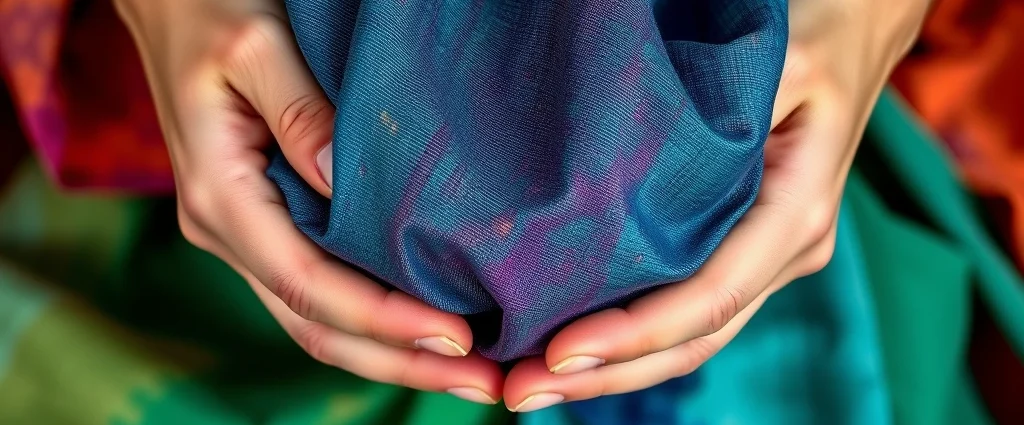
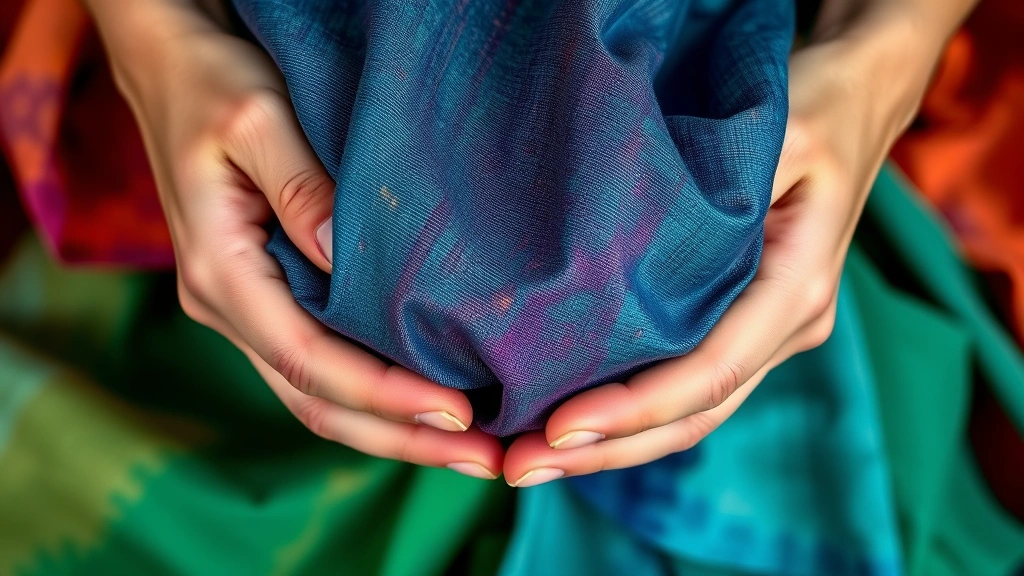
The fashion industry produces an estimated 92 million tons of textile waste annually, yet your closet holds untapped potential. Instead of discarding that faded sweater or outdated dress, consider the transformative power of fabric dyeing—a sustainable practice that’s revolutionizing how we approach personal style. Dyeing is your latest fashion statement, blending environmental consciousness with creative self-expression.
Sustainable fashion isn’t merely a trend; it’s a necessity. By revamping old clothes through eco-friendly dyeing techniques, you’re not only reducing landfill waste but also crafting unique, personalized pieces that reflect your individual aesthetic. This guide explores innovative methods to breathe new life into forgotten garments while maintaining your commitment to environmental responsibility.
Whether you’re drawn to vibrant jewel tones, earthy naturals, or bold statement hues, the art of fabric dyeing offers endless possibilities for fashion-forward individuals seeking alternatives to fast fashion consumption.
Why Dyeing Your Clothes Matters
The environmental impact of textile production is staggering. From water consumption to chemical pollution, traditional fashion manufacturing contributes significantly to global environmental degradation. When you choose to dye existing garments rather than purchase new ones, you’re actively participating in the circular fashion economy.
Dyeing is your latest fashion because it aligns with contemporary values around sustainability and authenticity. This practice empowers you to create distinctive pieces that resonate with your personal aesthetic while reducing your carbon footprint. The beauty of fabric dyeing lies in its democratization—anyone with basic supplies can transform their wardrobe.
Consider the statistics: producing a single cotton shirt requires approximately 2,700 liters of water. By dyeing clothes you already own, you eliminate this resource expenditure entirely. Moreover, Vogue’s sustainability initiatives increasingly highlight fabric dyeing as a cornerstone of responsible fashion consumption.
The psychological benefit shouldn’t be overlooked either. Revamping old clothes creates emotional attachment to your wardrobe. Each piece tells a story of transformation, making your style more intentional and meaningful than mass-produced alternatives.
Natural Dye Options for Sustainable Fashion
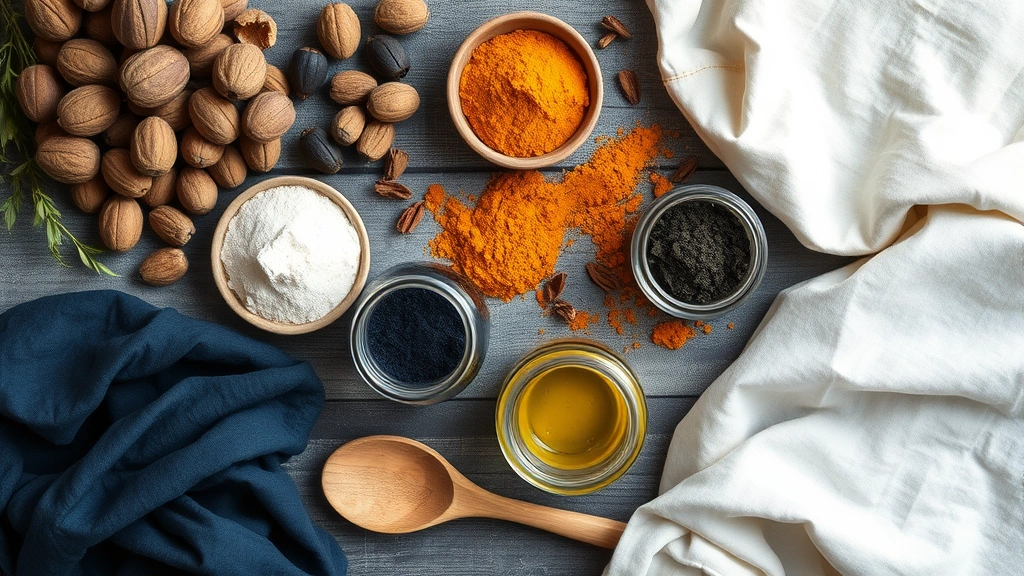
Natural dyeing represents the purest expression of eco-conscious fashion. Derived from plants, minerals, and organic materials, these dyes offer rich, nuanced colors while maintaining minimal environmental impact. Natural dyes have been used for millennia, and contemporary fashion designers are rediscovering their potential.
Common natural dye sources include:
- Turmeric produces brilliant golden yellows and warm oranges
- Indigo creates deep blues and complex navy tones—historically significant in textile history
- Madder root yields warm reds and russet hues
- Weld produces bright, lasting yellows
- Woad creates blue tones similar to indigo
- Walnut husks generate rich browns and earth tones
- Pomegranate produces yellows and oranges
- Beetroot creates pinks and purples
- Avocado pits yield peachy and rose tones
- Cochineal produces vivid reds and magentas
The appeal of finding your personal style through natural dyes lies in their unpredictability. Each batch varies slightly, ensuring your revamped pieces are truly one-of-a-kind. This uniqueness contrasts sharply with mass-produced fashion, offering authentic individuality.
Natural dyeing requires patience and proper preparation. Mordants—chemical fixatives that help dye adhere to fabric—are essential for color longevity. Common mordants include alum, tannin, and iron. While synthetic, these substances are used in minimal quantities and pose significantly less environmental risk than conventional synthetic dyes.
Chemical Dyes: The Eco-Conscious Alternative
While natural dyes capture the romantic appeal of sustainable fashion, modern eco-friendly chemical dyes offer practical advantages for home dyers. Low-impact dyes have been specifically formulated to minimize environmental harm while providing superior color consistency and durability.
Leading manufacturers have developed dye technologies that reduce water consumption, eliminate heavy metals, and decrease chemical pollution. Brands like Dharma Trading specialize in environmentally responsible dyeing supplies designed for home use.
Key advantages of eco-friendly chemical dyes include:
- Superior colorfastness—dyed garments maintain vibrancy through multiple washes
- Broader color palette—access to contemporary fashion hues
- Shorter processing time—ideal for busy lifestyles
- Reduced water usage compared to conventional synthetic dyes
- Lower toxicity profiles with proper disposal methods
- Better compatibility with various fabric types
The environmental certification matters significantly. Look for dyes certified by OEKO-TEX or GOTS standards, ensuring they meet rigorous sustainability criteria. These certifications guarantee that your dyeing process aligns with genuine environmental responsibility.
Interestingly, the fashion industry’s evolution toward sustainable practices has created demand for eco-friendly dyes. Elle’s trend reports on sustainable dye innovations showcase how fashion’s leading designers increasingly incorporate these technologies.
Step-by-Step Dyeing Process
Successful fabric dyeing requires methodical preparation and careful execution. Whether using natural or chemical dyes, following these fundamental steps ensures optimal results.
Essential supplies:
- Large stainless steel or glass pot (not aluminum)
- Thermometer for temperature monitoring
- Measuring cups and spoons
- Rubber gloves and apron
- Wooden spoon for stirring
- Your chosen dye materials
- Fiber-reactive dyes or natural dye sources
- Mordants (if using natural dyes)
- Salt or vinegar (depending on dye type)
- Distilled water
The dyeing process:
- Prepare your garment by washing it thoroughly to remove sizing and impurities
- Fill your pot with water—approximately 3-4 gallons per pound of fabric
- Heat water to appropriate temperature (varies by dye type, typically 140-185°F)
- Dissolve dye according to manufacturer instructions
- Wet your pre-cleaned garment and slowly introduce it to the dye bath
- Stir continuously for 15-30 minutes to ensure even color distribution
- Maintain temperature throughout the process
- Allow fabric to cool in the dye bath for optimal color absorption
- Rinse thoroughly with cool water until water runs clear
- Wash with mild detergent and dry according to fabric type
Temperature control is absolutely critical. Rapid temperature changes can cause uneven dyeing or fabric damage. Patience during the cooling phase allows maximum dye penetration, resulting in richer, more vibrant colors.
Fabric Preparation and Pre-Treatment
The success of your dyeing project depends substantially on proper fabric preparation. This foundational step is often overlooked but dramatically impacts final results.
Pre-treatment involves:
- Washing—Remove manufacturing residues, sizing, and finishes that impede dye absorption
- Testing colorfastness—Verify that existing colors won’t bleed into your new dye
- Checking fabric content—Natural fibers (cotton, wool, silk) accept dyes differently than synthetics
- Identifying problem areas—Address stains or wear before dyeing
- Weighing fabric—Accurate weight ensures proper dye-to-fabric ratios
Different fabrics require tailored approaches. Natural fibers like cotton, wool, and silk are ideal candidates for dyeing. These materials’ molecular structure readily accepts dye molecules, resulting in vivid, lasting colors. Synthetic fabrics like polyester present challenges—they require specialized disperse dyes and higher temperatures.
Blended fabrics (cotton-polyester blends, for example) dye unpredictably. The natural fiber component accepts dye readily while synthetic portions resist color absorption, potentially creating mottled or streaked effects. Understanding your fabric composition guides your dye selection and technique.
Color Trends Inspired by Dyeing
Contemporary fashion embraces colors that dyeing enthusiasts can easily achieve. The current trend cycle favors earthy naturals, jewel tones, and unexpected monochromes—all perfectly suited to home dyeing applications.
Trending color palettes include:
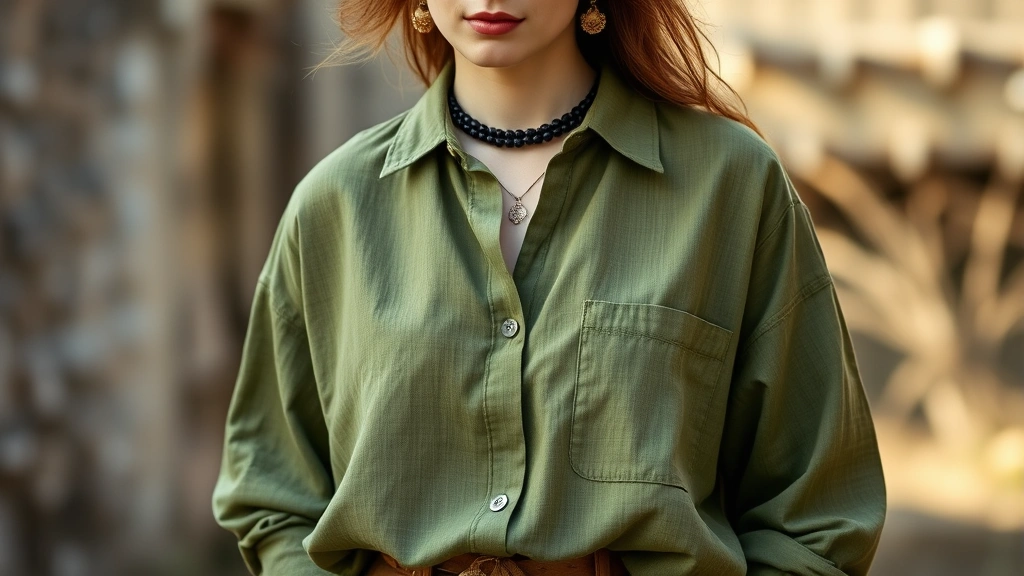
Earthy Naturals: Terracotta, olive green, warm beige, and dusty rose create sophisticated, wearable aesthetics. These colors align beautifully with 90s fashion nostalgia, which celebrates understated, natural tones. Natural dyes produce these shades effortlessly—walnut husks yield terracotta, plant-based sources create olive greens.
Jewel Tones: Deep emeralds, sapphire blues, and rich amethysts dominate luxury fashion. Indigo dyeing produces stunning blues, while madder root and cochineal create jewel-toned reds and purples. These colors convey sophistication and intentionality.
Monochromatic Statements: Fashion-forward individuals embrace tonal dressing—multiple shades of the same color. Dyeing allows you to create custom tonal variations by adjusting dye concentrations or layering different dye baths.
The resurgence of vintage fashion has created renewed interest in historical dyeing techniques. Designers increasingly reference traditional indigo dyeing, shibori techniques, and natural color palettes. By mastering these methods yourself, you’re participating in fashion history while creating contemporary pieces.
Explore how Fashion Nova dresses incorporate bold colors—these can inspire your own dyeing projects. Alternatively, fashion documentaries about sustainable design showcase innovative dyeing techniques used by contemporary designers.
Caring for Dyed Garments
Proper maintenance preserves your dyeing investment and ensures colors remain vibrant through seasons of wear.
Care guidelines:
- First wash—Rinse separately in cool water to remove excess dye residue
- Temperature—Wash in cool water; hot water fades colors and can cause bleeding
- Detergent selection—Use mild, pH-neutral soap without optical brighteners
- Wash frequency—Wash less frequently to preserve color intensity
- Drying—Air dry whenever possible; heat from dryers accelerates fading
- Storage—Keep dyed garments away from direct sunlight
- Avoid bleach—Even diluted bleach can strip or alter colors
Dyed garments may experience slight fading over time—this natural patina adds character and authenticity. Unlike mass-produced items designed for rapid replacement, dyed clothes develop personality through wear, creating deeper emotional connections to your wardrobe.
If colors fade significantly, re-dyeing is simple and economical. This cyclical approach to fashion contradicts fast-fashion consumption patterns, encouraging long-term garment relationships.
Understanding fabric care deepens your appreciation for handmade, personalized pieces. Each dyed garment represents intentional fashion choices, distinguishing you from consumers passively accepting industry-dictated trends.
Visit the StyleLoom Daily Blog for additional sustainable fashion insights and styling inspiration. Consider exploring fashion design degree programs if dyeing sparks professional interest.
FAQ
Can I dye synthetic fabrics like polyester?
Polyester requires specialized disperse dyes and higher temperatures (250-300°F), making home dyeing challenging. Natural fibers and cotton blends are far more accessible for beginners. Consult fabric composition before attempting synthetic dyeing.
What’s the difference between natural and chemical dyes?
Natural dyes derive from plants and minerals, offering sustainability and uniqueness but requiring mordants and longer processing. Eco-friendly chemical dyes provide consistency, broader color ranges, and faster results with lower environmental impact than conventional synthetic dyes.
How do I prevent uneven dyeing?
Continuous stirring, proper temperature maintenance, and thorough pre-washing are essential. Avoid crowding your pot—fabric needs space to move freely. Pre-wet garments before introducing them to dye baths to ensure even absorption.
Is dyeing expensive?
Home dyeing costs significantly less than purchasing new clothes. Natural dye materials are often free (kitchen scraps, yard waste). Eco-friendly chemical dyes cost $5-15 per project. The investment pays dividends when revamping multiple garments.
Can I dye patterned or previously dyed clothes?
Yes, but results depend on existing colors. Light colors accept new dyes beautifully; dark colors may not show dramatic changes. Test a small, inconspicuous area first. Previous dyes may influence final results—embrace this as creative variation.
What safety precautions should I take?
Wear gloves and aprons to protect skin. Ensure adequate ventilation, especially with chemical dyes. Never use dyeing equipment for food preparation afterward. Follow specific safety guidelines for your chosen dye type. Keep dyes away from children and pets.
How long does dyed color last?
Properly dyed fabric with quality dyes lasts indefinitely with proper care. Colors may fade gradually through washing and sun exposure, but this natural patina adds character. Re-dyeing refreshes colors when desired.