
Cockroach Couture: Met Gala’s Boldest Trend?
The fashion world has always thrived on provocation, pushing boundaries, and challenging our perceptions of beauty and style. Yet nothing quite prepared us for the emergence of cockroach couture—a trend that transforms nature’s most misunderstood creature into haute couture’s most daring statement. This controversial aesthetic represents the ultimate intersection of shock value, sustainability consciousness, and avant-garde artistry that defines contemporary fashion design.
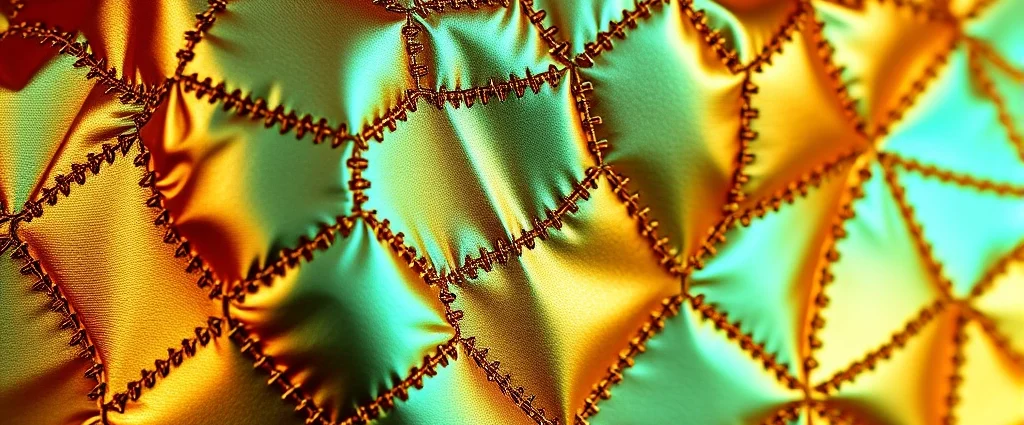
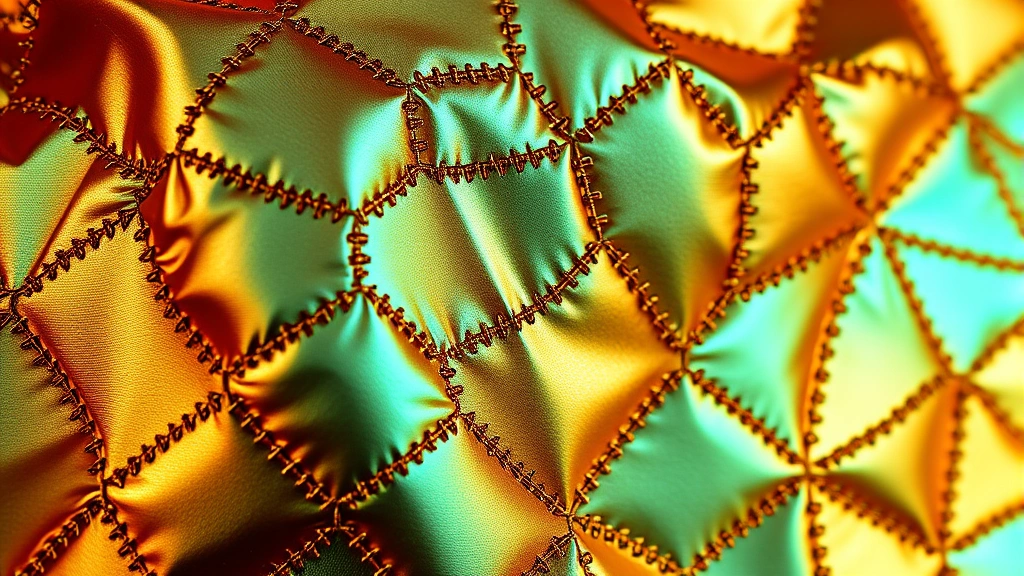
Cockroach couture isn’t merely about incorporating insect-inspired elements into garments; it’s a philosophical manifesto wrapped in iridescent exoskeletons and chitinous textures. Designers are reimagining our relationship with nature’s perceived pests, elevating them to symbols of resilience, adaptability, and unconventional beauty. From crystalline wing-mimicking fabrics to carapace-textured silhouettes, this trend challenges everything we thought we knew about luxury fashion.
Whether this movement will define the Met Gala’s next watershed moment or fade into fashion’s experimental archives remains to be seen. But one thing is certain: cockroach couture represents the fearless spirit of designers willing to risk ridicule for artistic innovation.
The Origins of Cockroach Couture
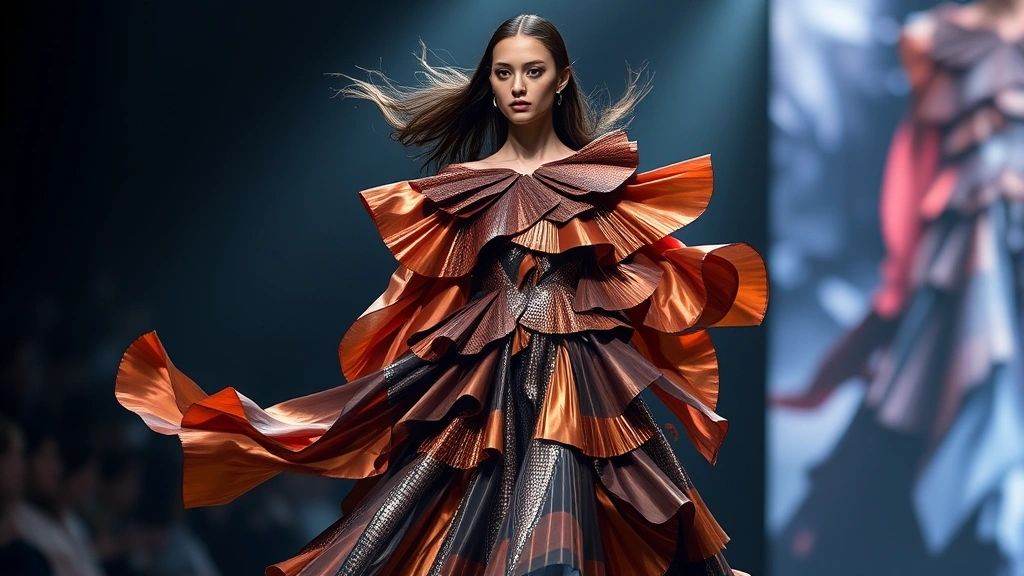
Cockroach couture emerged from the underground fashion laboratories of Tokyo, Berlin, and New York, where experimental designers began questioning the traditional sources of inspiration. The movement gained momentum when visionary designers started examining the aesthetic properties of cockroaches—their iridescent shells, their architectural segmentation, and their mesmerizing movement patterns. What began as conceptual art installations gradually transformed into wearable pieces that challenged audiences to reconsider their visceral reactions to insects.
The trend’s genesis can be traced to a provocative exhibition titled “Six-Legged Elegance” at a Berlin gallery in 2023, where designers displayed garments featuring cockroach-inspired textures and color palettes. The exhibition sparked international conversations about nature’s overlooked beauty and humanity’s arbitrary classifications of creatures worthy of admiration. Vogue featured the exhibition in their trend forecasting section, legitimizing what many initially dismissed as a shock-value stunt.
The movement represents a natural evolution within fashion’s cyclical relationship with nature. Just as we’ve seen butterfly-inspired collections, beetle-adorned gowns, and moth-themed accessories grace prestigious runways, cockroach couture simply takes this biomimicry concept to its most controversial extreme. By choosing an insect universally reviled, designers force us to examine our prejudices and expand our aesthetic boundaries.
Biomimicry Meets High Fashion
At its core, cockroach couture exemplifies biomimicry—the practice of learning from and emulating natural systems. Cockroaches possess remarkable evolutionary features: their chitinous exoskeletons display iridescent qualities that shift between deep browns, bronzes, and subtle greens. Their segmented bodies create natural geometric patterns that contemporary designers translate into sophisticated textile designs and silhouettes.
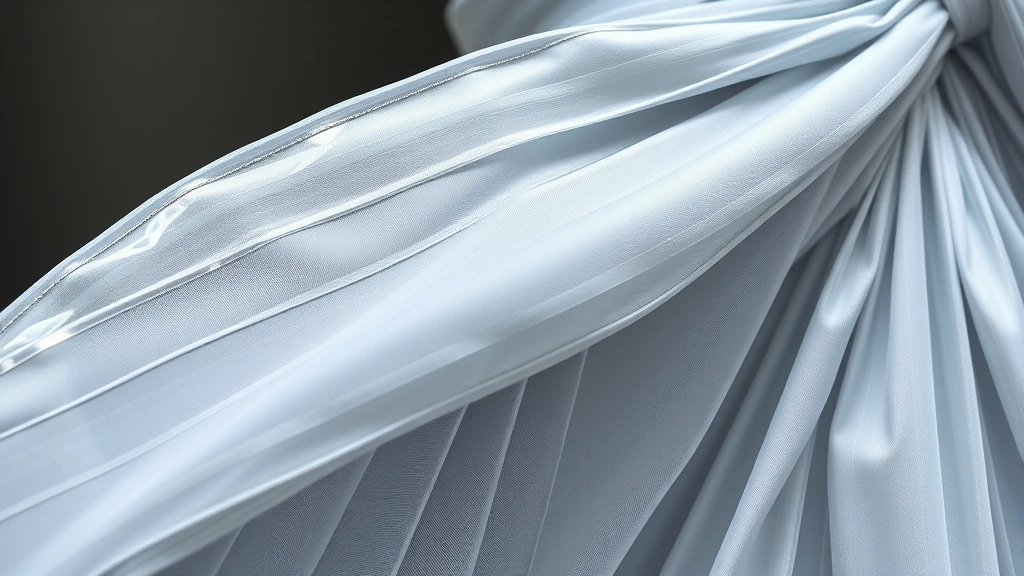
Textile engineers working within this movement have developed innovative fabrics that replicate the structural properties of cockroach shells. These materials often incorporate metallic threads, holographic elements, and three-dimensional texturing techniques that create the illusion of insect anatomy. The resulting garments possess an otherworldly quality—simultaneously repulsive and mesmerizing to observers.
Leading fashion technologists are experimenting with sustainable materials inspired by cockroach biology. Researchers at The Fashion School have begun developing bio-based polymers that mimic the durability and flexibility of insect exoskeletons. These innovations promise to revolutionize sustainable fashion design degree programs and professional practices.
The biomimicry aspect extends beyond surface aesthetics. Designers are studying how cockroaches move—their fluid, undulating gait—and translating these movements into fabric draping patterns and silhouette flows. Garments featuring cockroach-inspired construction employ segmented panels that allow for unprecedented flexibility and movement, creating dynamic pieces that transform as the wearer moves.
Sustainability and Ethical Implications
Paradoxically, cockroach couture carries significant sustainability credentials that elevate it beyond mere shock value. The fashion industry’s environmental impact demands radical innovation, and this trend offers unexpected solutions. By celebrating creatures traditionally viewed as pests, designers challenge the wastefulness inherent in conventional luxury fashion.
Many cockroach couture pieces incorporate upcycled materials, repurposed textiles, and bio-degradable components. The aesthetic itself—celebrating something typically discarded—mirrors a broader sustainable fashion philosophy: finding beauty in what society deems worthless. This reframing aligns perfectly with contemporary environmental consciousness.
Furthermore, studying cockroach biology has yielded insights into creating more efficient, durable textiles. Their exoskeletons are remarkably resilient, shedding and regenerating without environmental harm. Fashion researchers are exploring how cockroach-inspired materials could reduce textile waste by creating garments with extended lifespans and improved durability compared to conventional luxury fabrics.
However, ethical concerns arise regarding the sourcing of inspiration. Some cockroach couture designs incorporate actual insect materials—a practice that has drawn criticism from animal welfare advocates. Progressive designers within the movement have committed to using exclusively synthetic and bio-inspired alternatives, ensuring the trend remains ethically sound while maintaining its visual impact.
Designer Perspectives and Creative Process
Understanding cockroach couture requires examining the designers driving this movement. These aren’t shock-jocks seeking attention through controversy; they’re serious artists exploring profound questions about beauty, nature, and human psychology. Their creative processes reveal sophisticated artistic thinking beneath the provocative surface.
Acclaimed designer Iris Yamamoto describes her cockroach-inspired collection as exploring “the dignity of the dismissed.” Her process involves extensive entomological research, collaborating with biologists to understand cockroach anatomy at microscopic levels. Each garment in her collection corresponds to specific cockroach species, celebrating their individual characteristics and ecological roles.
Japanese designer Takeshi Nakamura approaches the trend through a lens of how to become a fashion designer by studying nature’s overlooked teachers. His atelier employs innovative textile printing techniques that replicate cockroach shell patterns with photographic accuracy. The resulting pieces possess an uncanny realism that forces viewers to confront their instinctive revulsion.
Berlin-based collective “Exoskeleton” views cockroach couture as performance art. Their designs aren’t meant solely for wearing; they’re conceptual statements about humanity’s relationship with nature. Their runway shows feature models moving in deliberately insect-like ways, challenging audiences to question the boundary between fashion, performance, and social commentary.
These designers unanimously reject the notion that their work is merely provocative. Instead, they position cockroach couture within the complete fashion history timeline, pointing to precedents where designers challenged beauty standards through unconventional inspiration. Just as Schiaparelli’s surrealist pieces initially shocked audiences, cockroach couture represents fashion’s ongoing evolution toward greater artistic freedom.
The creative process is meticulous and time-intensive. Designers spend months researching specific cockroach species, analyzing their coloration, texture, and structural properties. They collaborate with material scientists, entomologists, and textile engineers to develop fabrics that authentically capture insect characteristics while maintaining wearability and comfort.
Met Gala Predictions and Impact
The Met Gala serves as fashion’s most prestigious stage for trend validation and artistic expression. Speculation about cockroach couture’s potential appearance at the Met Gala has dominated fashion journalism and social media discussions. Industry insiders debate whether the institution will embrace this controversial trend or maintain its more conservative aesthetic standards.
Met Gala curator Andrew Bolton has historically championed avant-garde expressions and boundary-pushing designers. His recent exhibitions celebrating surrealism and nature-inspired fashion suggest openness to cockroach couture. If this trend receives the Met Gala’s institutional blessing, it would represent a watershed moment for insect-inspired fashion entering mainstream luxury consciousness.
Several high-profile celebrities have expressed interest in wearing cockroach couture pieces. Progressive fashion icons seeking to make bold statements recognize the trend’s potential for creating unforgettable red-carpet moments. The visual impact of a celebrity wearing a meticulously crafted cockroach-inspired gown would generate unprecedented media attention and cultural conversation.
However, the Met Gala’s brand requires careful curation. Appearing too experimental or shocking could alienate traditionalist audiences and donors. The institution must balance its commitment to artistic innovation with its role as arbiter of refined taste. This tension suggests that if cockroach couture appears at the Met Gala, it will likely be in sophisticated, wearable forms rather than extreme conceptual pieces.
Fashion forecasters predict that cockroach couture’s Met Gala debut—if it occurs—will trigger a broader mainstreaming of the aesthetic. High-end fashion houses including established luxury brands may incorporate cockroach-inspired elements into their collections, translating underground innovation into accessible luxury pieces.
Consumer Reception and Market Response
Consumer response to cockroach couture has proven surprisingly nuanced. Rather than uniform rejection or embrace, audiences display complex reactions reflecting their sophistication as fashion consumers. Some view the trend as essential artistic provocation; others dismiss it as pretentious nonsense designed to generate publicity.
Luxury fashion retailers report strong interest in cockroach couture pieces among avant-garde collectors and fashion-forward consumers. Online communities dedicated to experimental fashion celebrate the trend as refreshing rebellion against conventional luxury aesthetics. Social media engagement with cockroach couture content significantly exceeds typical fashion trend discussions, indicating powerful emotional responses—both positive and negative.
The trend has attracted younger consumers seeking fashion that reflects their environmental consciousness and rejection of traditional beauty standards. Cockroach couture’s sustainability messaging resonates with Gen Z and millennial shoppers concerned about fashion’s ecological impact. These consumers view the trend as more than aesthetic; it’s a philosophical statement about valuing what society discards.
However, mainstream markets remain skeptical. Department stores and conventional fashion retailers show hesitation in stocking cockroach couture pieces. The trend’s niche status—confined to high-end boutiques, avant-garde galleries, and online specialty retailers—reflects its current position as luxury art rather than mass-market fashion.
Luxury brands monitoring the trend recognize its potential as a differentiator. By incorporating cockroach-inspired elements into their collections, established houses can signal artistic credibility and innovation without fully committing to the aesthetic. This hybrid approach allows brands to engage with the trend while maintaining broader market appeal.
The Future of Nature-Inspired Fashion
Cockroach couture represents just one manifestation of fashion’s deepening engagement with nature as inspiration and teacher. As environmental concerns intensify and consumers demand greater sustainability, nature-inspired design will increasingly dominate luxury fashion conversations. The question isn’t whether nature will inspire fashion, but how designers will translate natural forms into wearable art.
Future fashion innovation will likely emphasize biomimicry’s practical applications. Rather than purely aesthetic inspiration, designers will study nature’s engineering solutions to create garments that are simultaneously beautiful and functionally superior. Cockroach-inspired materials may eventually lead to breakthrough textiles offering unprecedented durability and sustainability.
Fashion education is evolving to accommodate this trend. Progressive best fashion schools in the world now incorporate biomimicry and entomology into their curricula. Students studying fashion design degrees increasingly collaborate with biologists and environmental scientists, expanding their creative vocabulary beyond traditional fashion references.
The trend also signals fashion’s evolving relationship with disgust and beauty. As society becomes more sophisticated about psychological responses to aesthetics, designers will continue exploring how challenging our preconceptions creates meaningful artistic experiences. Cockroach couture pioneers this territory, but future designers will undoubtedly find new creatures and natural phenomena to transform into fashion statements.
Ultimately, cockroach couture’s legacy may transcend the specific aesthetic. Instead, it will be remembered as a pivotal moment when fashion embraced radical inclusivity—extending beauty standards to nature’s most marginalized creatures. This philosophical shift promises to reshape luxury fashion for generations, encouraging designers to find inspiration in unexpected places and consumers to expand their understanding of what merits admiration.
FAQ
What exactly is cockroach couture?
Cockroach couture is a contemporary fashion movement that draws inspiration from cockroach anatomy, coloration, and structural properties. Designers create garments featuring cockroach-inspired textures, silhouettes, and aesthetic elements, transforming one of nature’s most reviled creatures into haute couture inspiration.
Is cockroach couture actually wearable?
Yes, most cockroach couture pieces are designed to be worn. While some serve primarily as conceptual art, leading designers within the movement create sophisticated garments that combine insect-inspired aesthetics with practical wearability and comfort. The most successful pieces seamlessly blend shock value with genuine fashion functionality.
Will cockroach couture appear at the Met Gala?
While not officially confirmed, industry speculation suggests cockroach couture could appear at future Met Galas. The trend aligns with the institution’s historical support for avant-garde fashion, though any appearance would likely emphasize wearable sophistication over extreme conceptual pieces.
Is cockroach couture sustainable?
The trend carries significant sustainability credentials. Many designers use upcycled materials, bio-degradable components, and insect-inspired innovations that promise improved textile durability. By celebrating materials and inspiration sources traditionally dismissed, cockroach couture embodies sustainable fashion philosophy.
Why would anyone wear clothing inspired by cockroaches?
Cockroach couture appeals to fashion-forward consumers seeking artistic expression, environmental consciousness, and rejection of conventional beauty standards. Wearers view the aesthetic as philosophical statement—challenging societal prejudices while celebrating nature’s overlooked beauty.
Is real insect material used in cockroach couture?
Some early pieces incorporated actual insect materials, but progressive designers have committed to exclusively synthetic and bio-inspired alternatives. This ensures the trend remains ethically sound while maintaining visual impact and artistic integrity.
How does cockroach couture fit into fashion history?
Cockroach couture continues fashion’s tradition of challenging beauty standards through unconventional inspiration. It parallels surrealist movements and contemporary avant-garde practice, representing fashion’s ongoing evolution toward greater artistic freedom and philosophical depth.