
Mastering the Clone Stamp Tool: A Fashion Designer’s Complete Guide
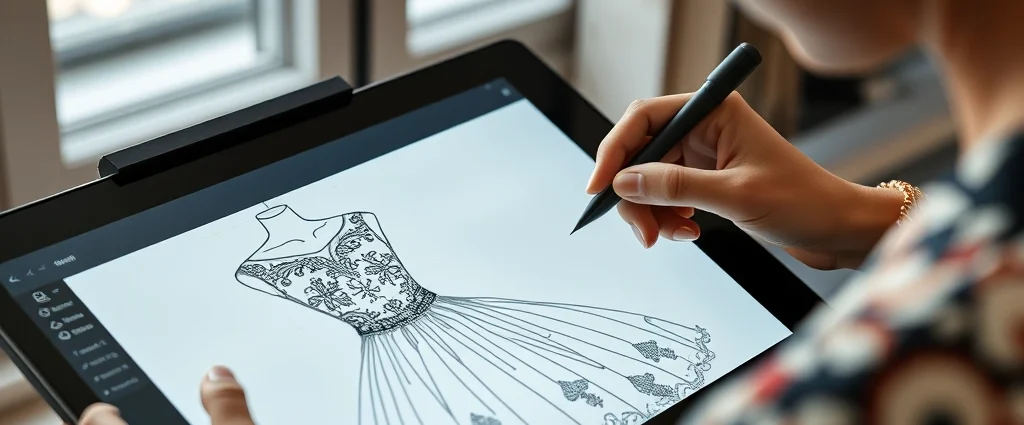
The clone stamp tool stands as one of the most powerful instruments in a fashion designer’s digital arsenal. Whether you’re working in Adobe Illustrator, Photoshop, or specialized fashion CAD software, mastering this technique transforms your ability to create cohesive designs, replicate patterns, and develop professional garment illustrations. For fashion professionals seeking to elevate their digital design capabilities, understanding the clone stamp tool isn’t just beneficial—it’s essential for competing in today’s design-forward industry.
Fashion design has evolved dramatically in the digital age, and the tools we use directly impact our creative output and professional credibility. The clone stamp tool enables designers to duplicate elements with precision, maintain consistency across collections, and experiment with pattern placement before committing to production. This comprehensive guide explores every aspect of this transformative tool, from fundamental techniques to advanced applications that will revolutionize your design workflow.
Understanding the Clone Stamp Tool Fundamentals
The clone stamp tool operates on a deceptively simple principle: it samples pixels from one area and applies them to another. In fashion design contexts, this translates to duplicating design elements—whether textile patterns, seam details, embellishments, or entire garment sections—with remarkable accuracy. The tool’s effectiveness lies in its ability to maintain consistency while allowing creative flexibility.
Before diving into complex applications, understanding the basic mechanics proves crucial. The clone stamp tool requires two fundamental steps: setting a source point and applying that sample to your target area. In Illustrator, this process differs slightly from Photoshop, as vector-based design offers unique advantages for fashion illustration. When working with fashion CAD systems like Gerber, Lectra, or CLO 3D, the tool functions within specialized parameters designed specifically for garment production.
Fashion designers working across different platforms benefit from understanding how each application implements cloning technology. The fundamental principle remains constant, but the execution, precision capabilities, and integration with other design tools varies significantly. fashion design schools increasingly emphasize digital proficiency, making clone stamp mastery a competitive advantage in professional settings.
The clone stamp tool’s precision is measured in pixels or vectors, depending on your software. For fashion designers, this precision directly impacts production accuracy. A misaligned pattern repeat or inconsistent embellishment placement can compromise an entire garment’s aesthetic. Understanding tolerance levels, resolution requirements, and output specifications ensures your digital designs translate perfectly to physical samples.
Clone Stamp in Adobe Illustrator for Fashion Design
Adobe Illustrator remains the industry standard for fashion illustration and technical design. The clone stamp tool in Illustrator functions within a vector-based environment, offering distinct advantages over raster-based alternatives. When working with fashion illustration, Illustrator’s clone capabilities allow designers to maintain crisp lines, scalable elements, and editable components essential for professional garment design.
In Illustrator, the clone stamp tool is accessed through the Tools panel or by pressing the keyboard shortcut. To begin cloning in Illustrator, first select the Clone Stamp tool, then set your source point by holding Alt (Windows) or Option (Mac) while clicking the element you wish to duplicate. Subsequently, clicking on your canvas applies that cloned element. This process enables rapid pattern development and consistent design repetition across your garment illustrations.
The beauty of using Illustrator for fashion design involves its integration with other tools that enhance cloning capabilities. The Blend tool, Pattern feature, and Symbol functionality work synergistically with the clone stamp approach. Many fashion designers use Illustrator’s pattern creation tools in conjunction with cloning techniques to develop intricate textile designs. This combination approach accelerates your workflow while maintaining the precision demands of professional fashion design.
Understanding opacity, blending modes, and brush settings transforms your cloning capabilities in Illustrator. When duplicating subtle design elements like shading on garment folds or delicate embroidery details, adjusting opacity ensures realistic representation. Fashion illustrators frequently modify brush hardness and size while cloning to achieve natural-looking transitions and authentic fabric representations. Experimenting with these settings within your specific design context develops the intuitive understanding necessary for professional-quality fashion illustration.
The StyleLoom Daily Blog frequently features digital design tutorials, and mastering Illustrator’s clone capabilities positions you as a design professional capable of producing publication-ready fashion artwork. Whether creating technical flats, detailed illustrations, or pattern presentations, Illustrator’s cloning tools provide the precision and control fashion designers demand.
Advanced Techniques in Fashion CAD Software
Fashion CAD systems represent the pinnacle of design technology for professional garment development. Programs like Gerber Accumark, Lectra Modaris, and CLO 3D integrate cloning and duplication functions specifically designed for production efficiency. These specialized platforms understand the unique requirements of fashion manufacturing, incorporating clone stamp functionality that accounts for grain lines, seam allowances, and production constraints.
In specialized fashion CAD software, the clone stamp tool operates within a production-focused framework. When duplicating pattern pieces, the software automatically maintains critical information: grain line direction, notch placement, and measurement data. This integration prevents the common errors that occur when using general-purpose design software for garment production. Professional pattern makers and CAD operators rely on these built-in safeguards to ensure every duplicated element maintains production viability.
CLO 3D, increasingly popular among contemporary fashion designers, offers three-dimensional cloning capabilities that revolutionize design visualization. Duplicating design elements on a three-dimensional garment model provides immediate feedback on how patterns, prints, and embellishments interact with fabric drape and form. This technological advancement allows designers to explore creative possibilities while maintaining awareness of real-world production constraints. The ability to clone and modify three-dimensional design elements accelerates the design iteration process significantly.
Lectra’s Modaris software provides industry-leading pattern development tools that incorporate cloning at a sophisticated level. When working with complex garments requiring multiple identical elements—such as pocket placements, button locations, or symmetrical design details—Lectra’s duplication tools ensure absolute precision. The software’s integration with manufacturing systems means cloned elements automatically propagate through grading, marker making, and production planning stages.
Fashion professionals working in these CAD environments understand that cloning transcends simple visual duplication. The clone stamp functionality in professional fashion software represents a bridge between creative design and production reality. Understanding how to leverage these tools positions designers as assets to manufacturing operations, capable of creating designs that are both visually compelling and production-efficient.
Pattern Development and Repetition
Pattern creation stands as one of the clone stamp tool’s most valuable applications in fashion design. Whether developing geometric prints, floral repeats, or abstract textile designs, the clone stamp tool enables rapid pattern experimentation. Fashion designers can establish a base motif, then systematically duplicate and position it to create sophisticated repeating patterns. This approach combines artistic vision with technical precision, essential characteristics of professional pattern design.
The mathematics of pattern repetition requires understanding repeat intervals, scale relationships, and directional considerations. When cloning pattern elements, maintaining consistent spacing and orientation ensures the final textile design appears intentional and professional. Inexperienced designers often create patterns that appear chaotic or unbalanced; mastering clone stamp technique prevents these common pitfalls. Understanding how your eye perceives pattern repetition helps you make informed decisions about spacing, rotation, and scale variation.
Contemporary fashion embraces both perfect geometric repeats and organic, seemingly random pattern distributions. The clone stamp tool accommodates both approaches. For structured geometric patterns, precise spacing and alignment create sophisticated, intentional designs. For organic patterns, strategically varying rotation, scale, and opacity of cloned elements creates natural-looking textile designs that appear hand-drawn despite digital creation. This versatility makes the clone stamp tool invaluable for developing diverse pattern collections.
The relationship between pattern scale and garment silhouette significantly impacts final design success. A pattern repeat that looks ideal at one scale may appear overwhelming or underwhelming when applied to an actual garment. Professional fashion designers clone patterns at multiple scales, testing each version on garment illustrations to assess visual impact. This iterative approach, enabled by efficient cloning techniques, ensures pattern-to-garment harmony in your final designs.
Exploring casual chic fashion aesthetics reveals how contemporary designers use pattern repetition to create cohesive collections. The clone stamp tool facilitates this collection coherence by enabling consistent pattern application across diverse silhouettes. A signature print, efficiently reproduced through cloning techniques, becomes a collection identifier that strengthens brand recognition and design narrative.
Professional Applications in Garment Design
The clone stamp tool’s applications extend far beyond simple duplication. In professional fashion design, this tool serves multiple strategic purposes that directly impact design quality and production efficiency. Understanding these applications transforms the clone stamp from a convenience feature into an essential design methodology. Fashion professionals leverage cloning techniques to solve design challenges, accelerate workflows, and maintain brand consistency across collections.
Technical design, the specialized field focused on garment construction details, relies heavily on cloning capabilities. When developing multiple garment sizes or creating variations of a base design, the clone stamp tool enables rapid duplication of construction elements. A designer can establish the technical specifications for a shirt prototype, then clone the pattern pieces to create size variations, automatically maintaining proportional relationships. This approach ensures size progression consistency throughout a garment line.
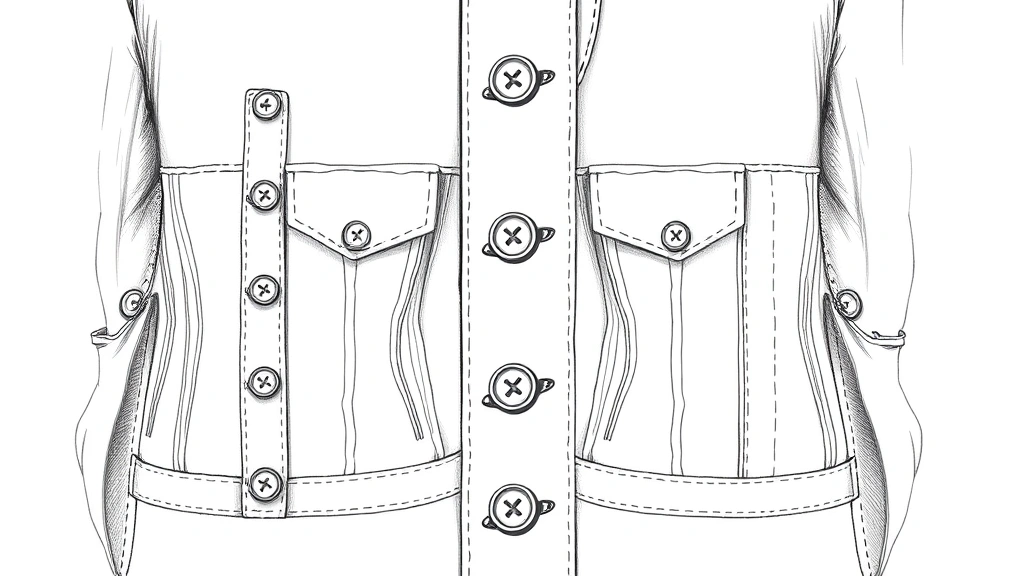
Symmetrical design elements—crucial in professional garment construction—benefit tremendously from cloning techniques. Whether developing symmetric button placements, matching pocket configurations, or balanced embellishment positioning, the clone stamp tool ensures perfect alignment. The precision this tool provides prevents the asymmetrical errors that undermine professional design credibility. Fashion designers working on high-end collections understand that symmetrical perfection communicates quality and intentional design.
Brand identity consistency represents another critical application of cloning techniques in professional fashion. Signature design elements—distinctive seam placements, signature embellishments, or characteristic color blocking—require perfect replication across multiple designs. The clone stamp tool enables designers to maintain these brand-defining elements with absolute consistency, strengthening brand recognition and design coherence across seasonal collections. This consistency, when executed perfectly, elevates brand perception and customer loyalty.
The Fashion Nova aesthetic exemplifies how contemporary brands leverage design consistency to create recognizable collections. While Fashion Nova’s success stems from multiple factors, their consistent design language and reliable execution across designs reflects the kind of technical precision enabled by mastering tools like the clone stamp. Understanding how professional brands apply these tools informs your own design practice and professional development.
Collaboration within design teams benefits from standardized cloning techniques. When multiple designers work on a collection, establishing consistent cloning methodology ensures seamless integration of individual designs. A design lead can establish cloning standards—opacity levels, source point selection, precision requirements—that all team members follow. This standardization maintains collection coherence while allowing individual creative expression within established parameters.
Troubleshooting Common Issues
Even experienced designers encounter challenges when working with clone stamp tools. Understanding common issues and their solutions prevents frustration and maintains design momentum. The most frequent challenge involves source point drift—where the source point shifts unexpectedly during cloning, resulting in unintended duplication. This typically occurs when designers fail to reset the source point between cloning sessions or when working with complex, detailed source material.
Opacity inconsistency represents another common issue, particularly when cloning subtle design elements. Variations in opacity create visual inconsistency that appears unprofessional. Maintaining consistent tool settings, including opacity and brush hardness, prevents this problem. Many designers establish preset configurations for different cloning tasks—high opacity for bold pattern elements, lower opacity for subtle shading effects—ensuring consistent results across their designs.
Misalignment problems emerge when cloning pattern elements without proper guides or reference points. Modern design software offers alignment tools and grid features specifically designed to prevent these issues. Fashion designers should leverage these built-in guides when creating repeating patterns, establishing reference points that ensure cloned elements maintain perfect alignment. The small investment in setup time prevents time-consuming corrections later.
Software compatibility issues occasionally arise when transferring designs between platforms. A pattern perfectly cloned in Illustrator may require adjustment when imported into CAD software. Understanding your software’s export/import specifications and maintaining awareness of potential compatibility issues prevents design degradation. Many professional designers maintain multiple file formats, preserving their original designs while creating platform-specific versions.
Resolution and scaling challenges occur when designs cloned at one resolution require scaling for different applications. A pattern developed at screen resolution may appear pixelated when scaled for large-format printing. Professional designers establish clear resolution standards based on final application requirements, ensuring cloned elements maintain quality regardless of scaling demands. This foresight prevents disappointing results during production stages.
The learning curve associated with mastering cloning techniques shouldn’t discourage designers. Every professional designer encountered these challenges during their development journey. Persistence, experimentation, and engagement with professional communities accelerates your problem-solving capabilities. Many fashion design communities share solutions to common cloning challenges, and learning from collective experience dramatically improves your technical proficiency.
FAQ
What’s the difference between clone stamp and other duplication methods in design software?
The clone stamp tool differs fundamentally from simple copy-paste functions. While copy-paste creates exact duplicates, the clone stamp tool allows real-time modification during duplication. You can adjust opacity, rotation, and scale while cloning, enabling creative variations impossible with standard duplication. This flexibility makes clone stamp superior for artistic applications where subtle variations enhance visual interest. Additionally, clone stamp maintains source material properties, automatically adapting to changes in the source element—a feature unavailable with static duplication methods.
How do I maintain precision when cloning fine details like embroidery or beading?
Precision cloning requires multiple supporting techniques. First, maximize your canvas zoom level—working at 200-400% magnification enables precise source point selection and accurate placement. Second, establish clear reference points using guides or grids. Third, work methodically, cloning one element at a time rather than rushing through multiple duplications. Fourth, utilize your software’s alignment tools to position cloned elements perfectly. Finally, consider using lower opacity settings for detailed work, allowing you to see underlying reference lines while cloning. These combined approaches ensure embroidery and beading details remain crisp and precisely positioned.
Can I use clone stamp tools for creating sustainable fashion designs?
Absolutely. Cloning techniques facilitate sustainable design by enabling pattern optimization and material efficiency. When developing patterns, designers can clone and test multiple configurations, identifying layouts that minimize fabric waste. Additionally, creating versatile design elements that clone across multiple garments reduces the number of unique patterns manufacturers must produce, streamlining production and reducing waste. The ability to rapidly experiment with pattern variations through cloning enables designers to make informed decisions about production efficiency before committing to manufacturing. This approach directly supports sustainable fashion practices by reducing waste at the design stage.
Which software is best for fashion designers learning clone stamp techniques?
The answer depends on your career trajectory. Adobe Illustrator offers the most versatile environment for fashion illustration and pattern development, making it ideal for designers starting their technical journey. For specialized garment production work, fashion CAD software like Lectra Modaris or Gerber Accumark provides industry-standard tools. CLO 3D offers innovative three-dimensional cloning capabilities perfect for contemporary design exploration. Most professional designers work across multiple platforms, developing software fluency that enhances career opportunities. Beginning with Illustrator builds foundational skills transferable to specialized software, making it an excellent starting point for aspiring fashion designers.
How does clone stamp tool usage impact production timelines?
Efficient cloning technique significantly accelerates production timelines. By enabling rapid pattern development, variation creation, and consistency maintenance, the clone stamp tool reduces design iteration time substantially. What might require hours of manual duplication takes minutes with efficient cloning. This time savings multiplies across large collections, potentially reducing design-to-production timelines by weeks. Additionally, the precision enabled by cloning reduces production errors, preventing costly corrections during manufacturing stages. The cumulative impact on production efficiency makes clone stamp mastery a valuable skill that directly contributes to professional success and career advancement.
Are there ethical considerations when using clone stamp tools in fashion design?
Yes. While the clone stamp tool facilitates legitimate design work, designers should respect intellectual property rights. Cloning elements from competitors’ designs without permission constitutes design theft, regardless of technical skill. However, cloning your own designs across collections, developing original patterns, and creating design variations from your own source material represents legitimate professional practice. The ethical distinction lies in original creation versus unauthorized duplication. Professional fashion designers develop their own design elements and use cloning tools to amplify their creative vision, not to reproduce others’ intellectual property. Understanding this distinction maintains professional integrity while leveraging powerful design tools.