Casual Chic Fashion: Designer Insights for Effortless Style
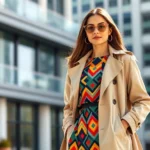
Casual chic has evolved from a simple concept into a sophisticated art form that defines modern fashion sensibility. It’s the delicate balance between comfort and elegance, where designer expertise meets everyday wearability. This aesthetic celebrates quality pieces, thoughtful styling, and an understated confidence that transcends seasonal trends. Whether you’re crafting your signature look or refining your wardrobe approach, understanding casual chic principles from industry experts can transform how you present yourself to the world.
The beauty of casual chic lies in its accessibility and versatility. Unlike haute couture’s rigid formality or streetwear’s aggressive edge, this approach welcomes everyone. Designers across the globe have embraced this philosophy, recognizing that true luxury manifests in simplicity, comfort, and intentional design choices. When fashion icons and industry leaders champion casual elegance, they’re not promoting laziness—they’re advocating for mindful self-expression through carefully curated pieces that work harmoniously together.
Understanding Casual Chic: The Designer Perspective
Casual chic represents a paradigm shift in how designers approach fashion. Rather than creating pieces that demand attention through loud statements, contemporary designers focus on craftsmanship, proportions, and timeless appeal. This philosophy stems from the recognition that true style isn’t about following trends blindly—it’s about understanding yourself and selecting pieces that reflect your authentic personality while maintaining a polished appearance.
Industry leaders like those featured in Vogue consistently showcase how casual chic dominates high-fashion editorials. The approach emphasizes quality over quantity, encouraging consumers to invest in fewer, better pieces. Designers working with this aesthetic understand that a perfectly fitted white shirt, quality denim, or a well-constructed blazer can serve as the foundation for countless outfits. This sustainability-conscious approach also aligns with growing consumer awareness about ethical fashion practices.
The casual chic movement gained momentum as designers observed real-world style evolution. Fashion insiders noticed that the most influential figures weren’t those drowning in logos or wearing head-to-toe designer pieces. Instead, they were individuals who demonstrated restraint, confidence, and an innate understanding of proportion and balance. This observation catalyzed a creative revolution where designers began prioritizing wearability without sacrificing sophistication.
Understanding how to find your personal style becomes essential when adopting casual chic principles. Designers emphasize that this aesthetic isn’t about copying celebrity looks or following Instagram trends. Instead, it’s about developing a coherent visual identity where every piece serves a purpose and reflects your values. When you approach fashion this way, getting dressed becomes intuitive rather than stressful.

Foundation Pieces Every Wardrobe Needs
Building a casual chic wardrobe begins with investing in foundational basics that transcend seasonal changes. These pieces form the backbone of countless outfits and deserve careful selection. Designers universally recommend starting with neutral-toned essentials that work together seamlessly.
Essential basics include:
- Crisp white button-down shirt in quality cotton or linen
- Well-fitting dark denim in a classic cut
- Neutral-toned t-shirts in premium fabrics
- Tailored blazer in navy, black, or camel
- Simple knit sweater in cream or gray
- Comfortable neutral trousers with proper tailoring
- Lightweight cardigan for layering
- Quality white sneakers or minimal leather shoes
When selecting these foundational pieces, prioritize fit above all else. A garment’s quality becomes irrelevant if it doesn’t complement your body proportions. Designers stress that casual chic celebrates individual body types rather than conforming to unrealistic standards. Taking time to find pieces that fit your unique shape ensures that everything in your wardrobe feels personally selected rather than borrowed from someone else’s closet.
The investment in quality basics might seem expensive initially, but designers emphasize the long-term value. A well-made white shirt worn consistently for five years provides far better value than purchasing ten cheap alternatives annually. This mindset shift—from fast fashion consumption to thoughtful investment—defines the casual chic philosophy.
Exploring fashion nova dresses and contemporary designer collections reveals how modern brands interpret casual basics. Even trend-forward pieces maintain the casual chic sensibility when they prioritize quality construction and versatile styling potential.
Color Palettes and Fabric Choices
Successful casual chic styling relies heavily on thoughtful color coordination and fabric selection. Designers recommend establishing a personal color palette that harmonizes with your skin tone, hair color, and natural undertones. This strategic approach ensures that pieces work together effortlessly, maximizing outfit combinations from minimal wardrobe pieces.
Neutral foundation colors:
- Black—offers sophistication and versatility
- White—provides brightness and freshness
- Navy—delivers classic elegance
- Gray—bridges neutral and color spectrum
- Camel—adds warmth and luxury
- Cream—softens and complements skin tones
Beyond neutrals, designers suggest introducing accent colors that reflect your personality. Rather than adopting every trending color, select shades that consistently make you feel confident. This might be a specific shade of blue, a warm terracotta, or a sophisticated olive. Limiting your palette to three or four accent colors creates cohesion across your wardrobe.
Fabric selection significantly impacts casual chic aesthetic. Premium materials like linen, cotton, silk blends, and quality wool elevate even simple designs. Designers emphasize that fabric quality determines how pieces drape, age, and feel against skin. Investing in natural fibers whenever possible ensures comfort while maintaining visual sophistication. The way fabric moves and falls is what separates casual chic from casual sloppy.
Understanding fabric properties helps with practical styling. Linen’s wrinkled texture adds intentional nonchalance to casual chic looks, while crisp cotton conveys polish. Silk brings inherent luxury, and quality wool provides structure. Mixing fabric textures—perhaps pairing a silk blouse with denim and a wool cardigan—creates visual interest without relying on patterns or bold colors.
Mastering the Art of Layering
Layering represents one of casual chic’s most powerful styling techniques. Rather than viewing layering as purely functional for temperature regulation, designers recognize it as an artistic element that adds depth and dimension to outfits. Mastering layering transforms simple pieces into sophisticated ensembles.
Effective layering follows specific principles. Begin with a fitted base layer—perhaps a slim-fitting tee or fitted shirt. Add a second layer that contrasts in texture or weight, such as a cardigan, sweater, or lightweight jacket. Complete the composition with an outer layer that brings everything together. This progression from fitted to relaxed creates visual interest while maintaining the casual chic aesthetic.
Proportions matter considerably in layering. If your base layer is fitted, subsequent layers should gradually increase in volume. Conversely, if you start with a loose piece, layer with more fitted garments to prevent shapeless silhouettes. Designers emphasize that casual chic celebrates your figure rather than hiding it beneath excessive fabric.
Sleeve length coordination enhances layered looks. Showing different sleeve lengths creates intentional visual breaks that feel curated rather than accidental. A long-sleeve fitted shirt under a short-sleeve sweater, for example, looks deliberately styled. Overlapping sleeve hemlines by half an inch or so demonstrates the thoughtfulness that defines casual chic.
Temperature considerations shouldn’t compromise style. A lightweight linen shirt over a t-shirt, topped with a structured blazer, provides functional warmth while maintaining polish. Designers recognize that practical dressing doesn’t mean sacrificing aesthetics.
Accessories: The Subtle Game-Changer
Accessories deserve careful consideration in casual chic styling. Rather than using accessories to make bold statements, this aesthetic employs them to refine and complete outfits. A single quality piece often outperforms multiple trendy accessories in creating sophisticated looks.
Key accessory categories:
- Bags: Structured leather handbags in neutral tones; simple canvas totes for casual occasions
- Footwear: Quality leather shoes; minimal white sneakers; comfortable flats
- Jewelry: Delicate pieces in gold or silver; minimal stacking approach
- Scarves: Silk or linen scarves for subtle color and texture introduction
- Belts: Quality leather belts that define silhouettes
- Watches: Classic timepieces that serve functional and style purposes
Designers emphasize that accessory restraint defines casual chic. Wearing one statement piece per outfit maintains sophistication, while multiple bold accessories create visual chaos. A quality leather handbag, simple gold earrings, and elegant watch might constitute your entire accessory approach for a polished day look.
Shoes significantly impact how outfits read. Comfortable, well-maintained footwear—whether minimalist sneakers or leather loafers—conveys intentionality. Fashion experts stress that casual chic never means worn-out or neglected; it means chosen simplicity maintained with care.
Scarves offer versatile styling possibilities without overwhelming casual chic aesthetics. Draping a silk scarf around your neck, tying it as a headband, or loosely wrapping it around your shoulders adds subtle sophistication. Patterns remain secondary to quality and how pieces coordinate with your base wardrobe.
Styling for Different Occasions
Casual chic adapts beautifully across various contexts, from professional environments to social gatherings. Understanding how to elevate or relax this aesthetic ensures you feel appropriately dressed regardless of occasion.
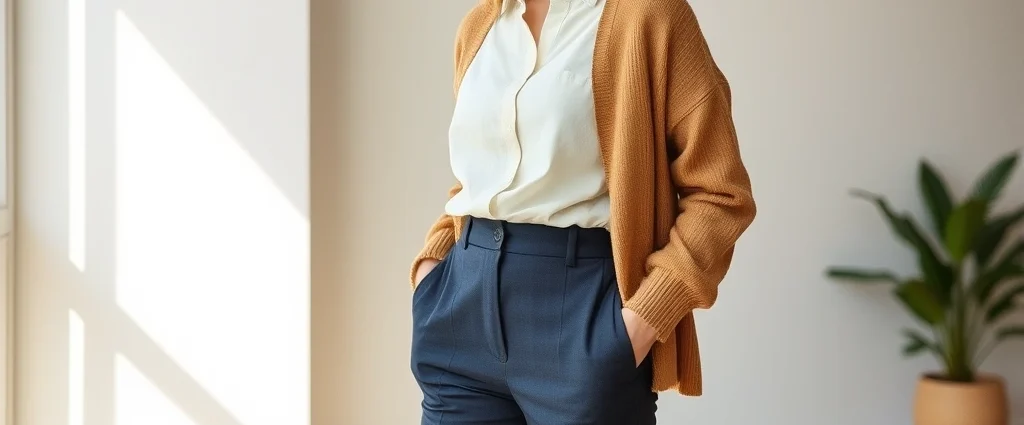
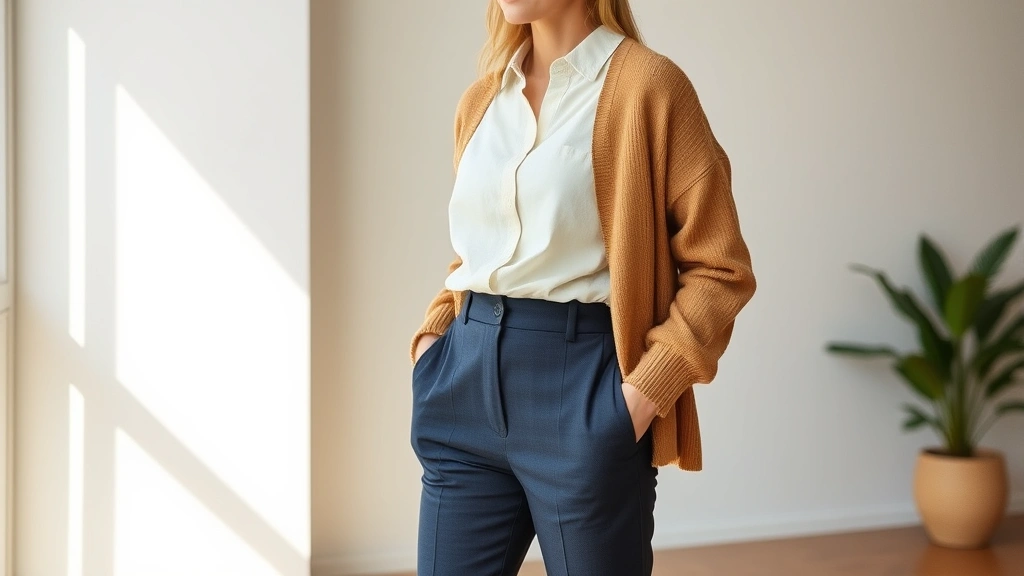
Professional casual chic: Pair tailored trousers with a crisp blouse and structured blazer. Add quality leather shoes and minimal jewelry. This approach projects competence and approachability simultaneously. Incorporating subtle color through scarves or shoes adds personality without compromising professionalism.
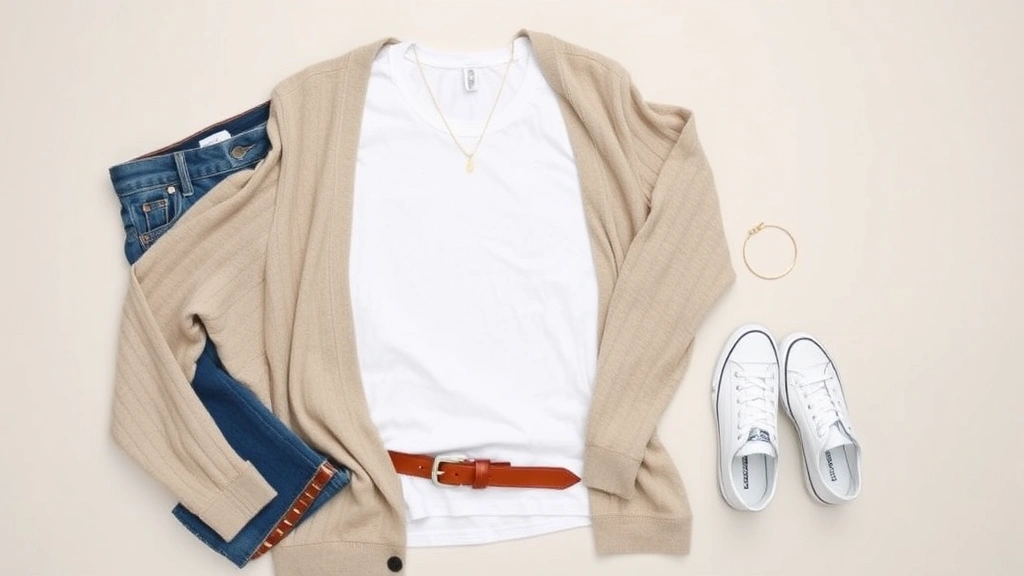
Weekend casual chic: Well-fitted jeans, quality t-shirt, and a cardigan or lightweight jacket create effortless weekend looks. Comfortable sneakers and a structured bag complete the ensemble. This level of polish suggests you’ve put thought into your appearance without appearing overdressed.
Social event casual chic: Elevated basics transition beautifully to social occasions. A silk blouse tucked into tailored trousers, topped with a structured blazer, works for cocktail events. Adding metallic accessories or slightly bolder jewelry moves the look into evening territory while maintaining casual chic’s core philosophy.
Exploring 90s fashion influences reveals how casual chic borrows minimalist sensibilities from that era. The 90s emphasized quality basics and understated elegance, principles that directly inform contemporary casual chic styling.
Seasonal transitions require thoughtful consideration. Light layers work beautifully in spring and fall, while summer calls for breathable fabrics and strategic coverage. Winter demands quality outerwear that complements your aesthetic—a well-cut wool coat or tailored puffer jacket maintains casual chic even in cold weather.
Designer Recommendations and Brand Insights
Contemporary designers across luxury and contemporary brands champion casual chic principles. Understanding their approaches provides inspiration for developing your personal style. Brands like The Standard Journal and publications featuring designer interviews offer valuable insights into how professionals build cohesive wardrobes.
Luxury brands have shifted focus toward understated elegance and quality basics. Rather than logo-heavy pieces, high-end designers now emphasize construction, fabric, and timeless design. This democratization of casual chic means that investment pieces from established brands increasingly resemble thoughtfully designed basics rather than status symbols.
Contemporary designers offer accessible entry points for casual chic adoption. Many brands now prioritize quality construction and thoughtful design at moderate price points, making sophisticated styling achievable without luxury budgets. Exploring fashion design degree programs reveals how emerging designers are trained in casual chic principles, ensuring the next generation of fashion professionals understand this aesthetic’s importance.
Sustainability-focused brands align naturally with casual chic philosophy. Investing in fewer, better pieces from ethical brands reduces environmental impact while supporting responsible manufacturing practices. Designers increasingly recognize that casual chic’s longevity—both in terms of trend-resistance and durability—makes it inherently sustainable.
Watching best fashion documentaries you need to watch provides deeper understanding of how designers approach their craft. Documentaries featuring contemporary designers often showcase casual chic principles in action, revealing the thought process behind seemingly simple pieces.
Visiting designer websites and reading interviews helps identify brands whose philosophies align with your casual chic vision. Many designers explicitly discuss their approach to timelessness, quality, and wearability. Following style loom daily blog keeps you informed about designer insights and emerging trends within casual chic styling.
Industry publications like Business of Fashion provide professional perspectives on how designers approach casual chic. These sources offer analysis of seasonal collections and designer philosophies that inform contemporary fashion direction.
FAQ
What exactly defines casual chic fashion?
Casual chic combines comfort with sophistication through quality basics, thoughtful styling, and intentional design choices. It prioritizes fit, fabric quality, and timeless appeal over trends or logo visibility. The aesthetic celebrates individual style while maintaining polished presentation across casual and professional contexts.
How much should I invest in building a casual chic wardrobe?
Rather than recommending specific budgets, designers suggest prioritizing quality over quantity. Investing in fewer, better pieces from brands committed to construction and durability provides superior long-term value. A focused wardrobe of twenty carefully selected pieces outperforms a closet of one hundred poorly made garments.
Can casual chic work for all body types?
Absolutely. Casual chic celebrates individual proportions through proper fit and flattering silhouettes. The emphasis on tailoring and proportion adjustments means these principles adapt beautifully to diverse body types. The key is finding pieces that complement your unique shape rather than conforming to standardized sizing.
How do I transition my existing wardrobe to casual chic?
Begin by evaluating current pieces against casual chic principles. Identify foundational basics you already own that align with the aesthetic. Gradually replace worn items with quality alternatives. This gradual approach prevents overwhelming wardrobe overhauls while allowing you to develop personal style preferences organically.
Is casual chic appropriate for formal events?
Casual chic adapts through elevated basics and refined accessories. Quality tailored pieces in luxurious fabrics, combined with metallic jewelry and polished footwear, transition this aesthetic to formal occasions. The sophistication comes from quality and intentionality rather than dramatic style changes.
How does casual chic differ from minimalism?
While both emphasize quality and intentionality, casual chic allows more personal expression through color, pattern, and accessorizing. Minimalism often limits palettes and silhouettes more severely, while casual chic celebrates individuality within a framework of sophistication and polish.
Can I incorporate trends into casual chic styling?
Yes, but selectively. Rather than adopting every trend, choose those that align with casual chic principles and enhance your personal aesthetic. Trends in neutral tones, quality fabrics, or refined silhouettes integrate naturally, while more extreme trends often conflict with casual chic’s timeless approach.