Embrace Beatnik Fashion: Expert Insights
The beatnik movement of the 1950s and early 1960s revolutionized not just literature and music, but also fashion itself. Born from the counterculture rebellion against conformist American society, beatnik fashion became a powerful statement of individuality, artistic expression, and intellectual freedom. Today, this iconic aesthetic continues to inspire designers, fashion enthusiasts, and anyone seeking to break free from mainstream style conventions. Understanding beatnik fashion means exploring a rich tapestry of intentional anti-fashion choices that paradoxically became some of the most influential looks in modern style history.
Beatnik style represents far more than just clothing—it’s a philosophy manifested through personal presentation. The movement rejected the polished, structured aesthetics of 1950s mainstream fashion, embracing instead a deliberately casual, intellectual, and bohemian approach to getting dressed. From black turtlenecks to loose-fitting trousers, from berets to oversized blazers, every piece in the beatnik wardrobe carried meaning and purpose. This guide explores the essential elements of beatnik fashion, how to authentically incorporate these timeless pieces into your modern wardrobe, and why this aesthetic remains eternally relevant for those who dare to dress differently.
The Origins and Philosophy of Beatnik Fashion
The beatnik movement emerged in post-World War II America, a time of unprecedented economic prosperity and social conformity. Young intellectuals, poets, musicians, and artists rejected the materialistic values and rigid social structures of mainstream American society. They gathered in coffeehouses, jazz clubs, and underground venues across major cities like San Francisco and New York, creating a subculture that valued authenticity, creative expression, and philosophical inquiry above all else.
Beatnik fashion was fundamentally a rejection of consumerism and fashion industry standards. Where mainstream 1950s fashion demanded tailored silhouettes, bright colors, and expensive designer labels, beatnik style deliberately embraced simplicity, functionality, and thrift-store finds. This wasn’t accidental—it was a calculated statement against capitalist consumer culture. Beatniks believed that what you wore should reflect your inner intellectual and artistic self, not your bank account or desire to fit in with societal expectations.
The philosophy behind beatnik fashion drew heavily from existentialist thought, particularly the ideas of French intellectuals who emphasized individual authenticity and freedom from societal constraints. Beatniks saw their clothing choices as a form of protest and self-assertion. By dressing down and rejecting conventional beauty standards, they reclaimed power over their own image and refused to participate in the fashion industry’s game of constant consumption and trend-chasing.
Understanding how to find your personal style requires understanding that beatnik fashion pioneers were among the first to truly prioritize authenticity over trend-following. Their approach to dressing remains relevant today, especially as modern consumers increasingly reject fast fashion and seek meaningful, individualized style expressions.
Essential Beatnik Wardrobe Staples
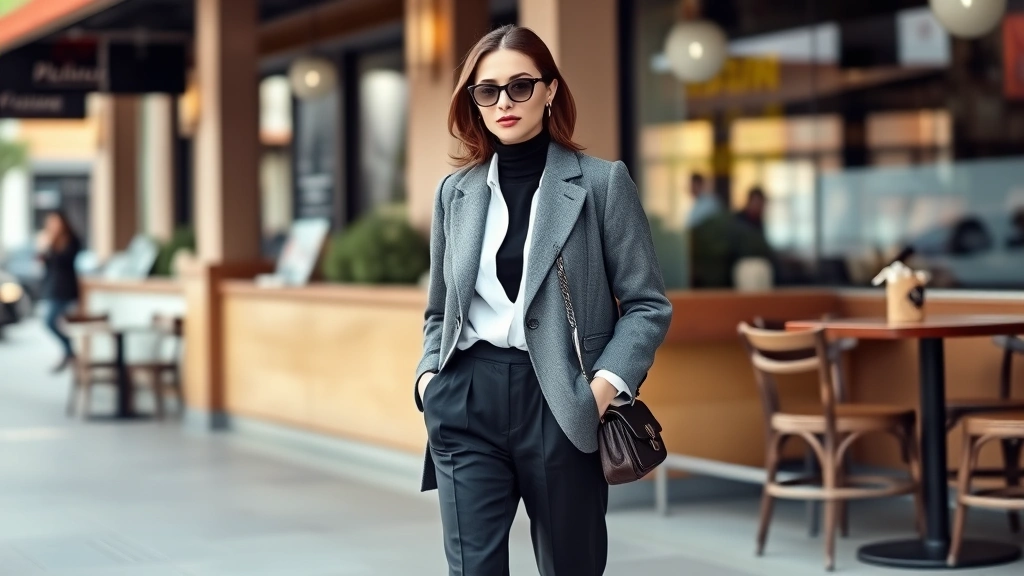
Creating an authentic beatnik-inspired wardrobe begins with understanding the core pieces that define this aesthetic. These aren’t trend pieces meant to be discarded after one season—they’re foundational items designed for longevity, versatility, and timeless appeal.
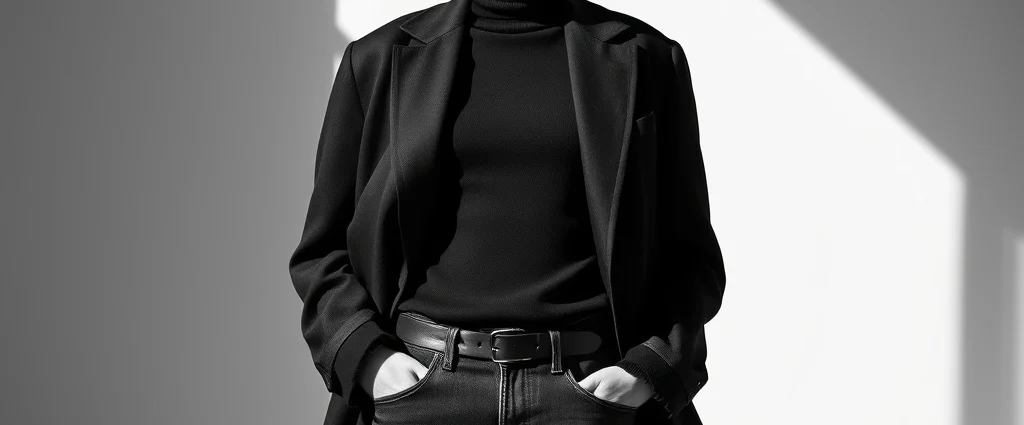
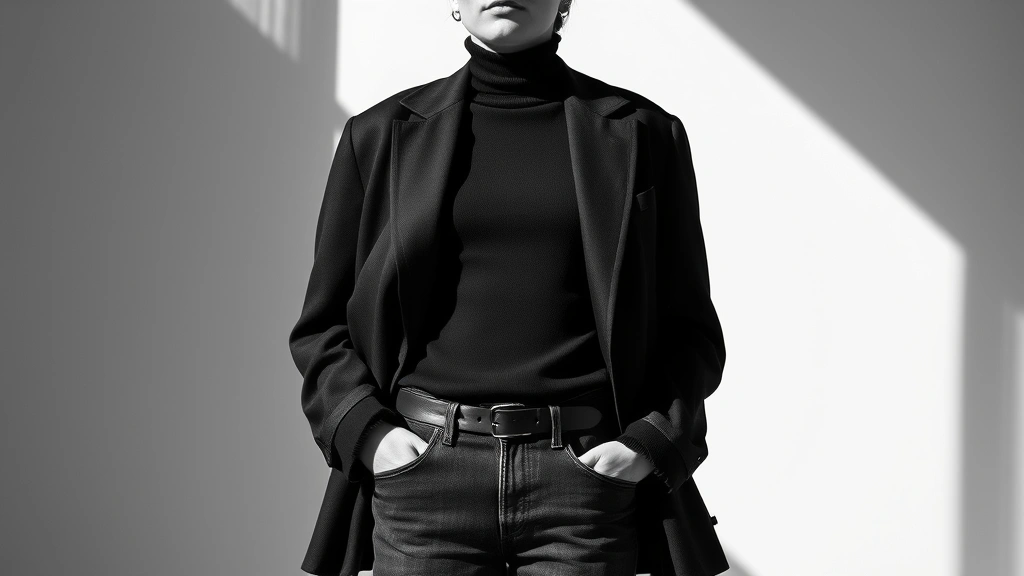
The Black Turtleneck: Perhaps the most iconic beatnik garment, the black turtleneck became synonymous with intellectual rebellion. This piece served multiple purposes: it was affordable, practical, flattering on various body types, and symbolically powerful. The turtleneck’s high neckline created an air of seriousness and introspection, while its simplicity meant it could be styled countless ways. Contemporary designers like Vogue continue to feature black turtlenecks as essential wardrobe items, proving their enduring relevance.
Dark Denim: Beatniks embraced denim as a working-class, anti-fashion fabric. Dark, straight-leg jeans became a uniform of sorts, worn with the same intentional casualness that rejected fashion industry dictates. Unlike the fitted, trend-driven denim styles that dominate contemporary fashion, beatnik denim emphasizes comfort and simplicity. The beauty of beatnik denim lies in its versatility—the same pair can be dressed up or down depending on what you pair it with.
Oversized Blazers: Borrowed from menswear or found in thrift stores, oversized blazers added structure and sophistication to beatnik outfits while maintaining an air of nonchalance. These pieces weren’t tailored to the body but rather draped loosely, creating silhouettes that prioritized comfort and movement over fashion convention. The oversized blazer remains a cornerstone of contemporary fashion, featured prominently in discussions of 90s fashion trends and styles, which drew heavily from beatnik aesthetics.
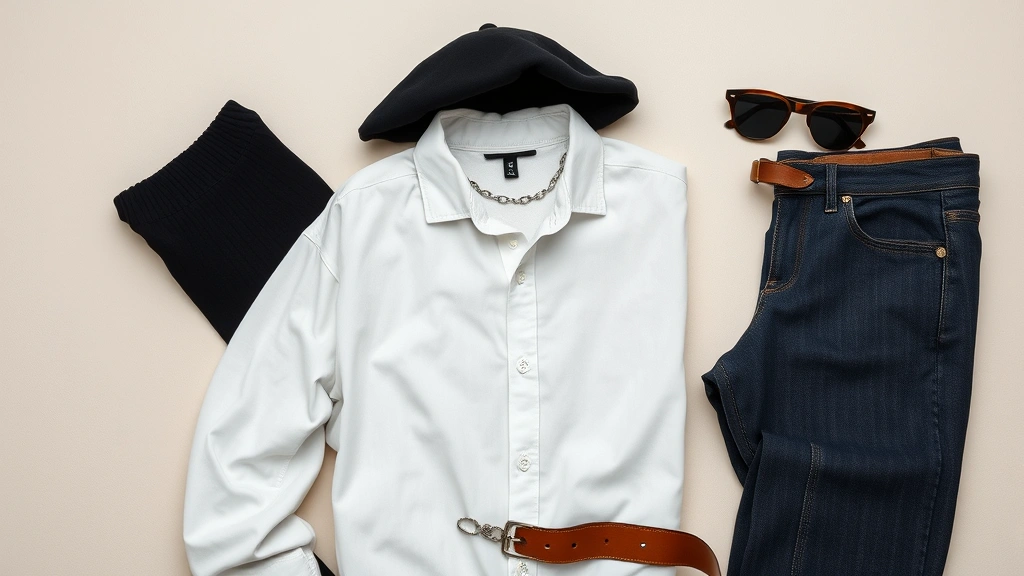
Simple White Shirts: A crisp white button-up or plain white t-shirt provided a neutral canvas that could be layered, tucked, or worn oversized. The simplicity of white allowed focus to shift to accessories, attitude, and how pieces were combined rather than relying on patterns or colors to make statements.
Black Pants and Trousers: Beyond denim, beatniks favored simple black trousers in straight or slightly tapered cuts. These pants were often thrifted or purchased from affordable retailers, emphasizing that style came from how you wore something, not how much you paid for it.
Color Palette and Textiles
The beatnik color palette was deliberately restrained, dominated by black, white, gray, and deep earth tones. This monochromatic or near-monochromatic approach wasn’t about aesthetics alone—it was a philosophical statement. By limiting color, beatniks focused attention on texture, silhouette, and the intellectual content of their presentation rather than visual spectacle.
Black as Statement: Black represented seriousness, intellectualism, and a rejection of bright 1950s femininity. It was practical, forgiving, and symbolically powerful. Black clothing became so associated with beatnik culture that it remains linked to artistic and intellectual identity today.
White as Simplicity: White provided contrast and represented purity of thought and artistic intention. White pieces balanced the heaviness of black and created visual interest through texture rather than color.
Gray and Neutrals: These versatile tones filled the middle ground, offering flexibility in styling while maintaining the overall restrained aesthetic. Beatniks weren’t interested in color theory or fashion color trends—they wanted a palette that could be mixed and matched easily, reducing decision fatigue and emphasizing that fashion shouldn’t be complicated.
Regarding textiles, beatniks favored natural, durable fabrics that aged well and required minimal maintenance. Cotton, wool, linen, and leather were preferred for their authenticity and practicality. Synthetic fabrics, which were increasingly available and promoted by the fashion industry, were largely rejected as artificial and emblematic of consumer culture.
Accessories That Define the Look
While beatnik fashion emphasized simplicity, accessories played a crucial role in completing the aesthetic. These pieces were chosen for functionality and meaning rather than decorative excess.
Berets: The black beret became an iconic beatnik accessory, borrowed from French existentialist culture and associated with artistic sophistication. Worn casually and often slightly askew, berets added an unmistakably bohemian touch to any outfit.
Sunglasses: Dark sunglasses served practical and symbolic purposes. They protected eyes during late-night club sessions and created an air of mystery and detachment. Beatniks often wore them indoors, deliberately flouting social conventions about appropriate sunglasses use.
Scarves and Neck Accessories: Simple scarves, often worn loosely around the neck or draped over shoulders, added texture and dimension to outfits. These weren’t carefully styled accessories but rather pieces thrown on with intentional casualness.
Leather Jackets: While not universally worn by all beatniks, leather jackets became associated with the movement’s rebellious spirit. Often thrifted or inherited, these jackets carried history and character, representing freedom and nonconformity.
Simple Jewelry: Beatniks avoided flashy, expensive jewelry. Instead, they favored simple silver chains, modest rings, or handmade pieces. Jewelry, when worn, should be understated and meaningful rather than decorative.
Practical Footwear: Beatniks wore simple, comfortable shoes—loafers, ballet flats, simple boots, or canvas sneakers. Like all beatnik fashion choices, footwear prioritized comfort and practicality over trend or status signaling. The goal was shoes that could be worn for hours while sitting in coffeehouses or standing at poetry readings.
How to Style Beatnik Fashion Today
Incorporating beatnik fashion into a contemporary wardrobe doesn’t mean adopting a costume. Instead, it means embracing the philosophy behind the aesthetic—prioritizing authenticity, comfort, and meaningful self-expression over trend-chasing and conspicuous consumption.
Start with Basics: Begin by investing in quality black turtlenecks, dark jeans, and simple white shirts. These foundational pieces form the backbone of beatnik style and remain eternally versatile. Unlike fast-fashion items designed for one season, invest in pieces that will last years.
Embrace Layering: Beatnik style relies on thoughtful layering to create visual interest and texture. A white shirt under a black turtleneck under an oversized blazer creates dimension and sophistication without relying on color or pattern.
Mix Thrifted and New: True to beatnik philosophy, combine thrifted vintage pieces with new purchases. Shopping secondhand reduces consumption and environmental impact while allowing you to find unique, character-filled pieces. Visit local thrift stores, consignment shops, and online vintage retailers to build a distinctive wardrobe.
Prioritize Fit Over Trend: Rather than chasing seasonal trends, focus on how pieces fit and feel. Beatnik fashion values comfort and ease of movement. Pieces should feel good to wear, not restrictive or uncomfortable.
Add One Statement Piece: While beatnik fashion is generally understated, consider adding one meaningful accessory—a vintage beret, a quality leather belt, or simple jewelry with personal significance. This piece should reflect your individuality and artistic sensibility.
Consider Your Personal Style: Finding your personal style means adapting beatnik principles to suit your lifestyle and preferences. If you work in a corporate environment, incorporate beatnik elements more subtly. If you’re in a creative field, you might embrace the aesthetic more fully.
Explore fashion design degree programs if you’re interested in creating your own beatnik-inspired pieces or understanding fashion history more deeply. Many contemporary designers draw inspiration from beatnik aesthetics when developing their collections.
Beatnik Fashion Icons and Influences
Several figures defined and embodied beatnik fashion, their personal style becoming synonymous with the movement itself.
Jack Kerouac: The author of “On the Road” epitomized the beatnik aesthetic with his simple, lived-in style. Kerouac’s photographs show him in black turtlenecks, casual shirts, and simple jackets—his clothing choices reflected his intellectual pursuits and rejection of materialistic values.
Allen Ginsberg: The poet and activist embraced beatnik fashion as a form of protest. Ginsberg’s style evolved throughout his life but always maintained elements of simplicity, authenticity, and deliberate anti-fashion positioning.
Diane di Prima: One of the few women prominently featured in Beat literature, di Prima’s style combined beatnik simplicity with her own bohemian sensibility. Her influence on how women could dress in the movement was significant, proving that beatnik fashion wasn’t exclusively masculine.
Gregory Corso: Another Beat poet, Corso embodied the movement’s aesthetic with his characteristic dark clothing, berets, and intellectual bearing. His style choices were deliberate statements about his values and artistic identity.
These icons demonstrated that beatnik fashion wasn’t about following a specific dress code but rather about using clothing as an expression of one’s values, beliefs, and artistic vision. Their influence extends far beyond the 1950s and 60s, continuing to inspire contemporary artists, writers, and fashion-forward individuals.
Modern Interpretations and Contemporary Trends
Beatnik fashion continues to influence contemporary style, with modern designers and fashion movements regularly drawing from this aesthetic. The rise of minimalism, the rejection of fast fashion, and the emphasis on sustainable, intentional consumption all reflect beatnik values.
Contemporary fashion houses frequently reference beatnik elements in their collections. Black turtlenecks, oversized blazers, and simple silhouettes remain staples on runways and in street style photography. The aesthetic appeals to modern consumers seeking to move away from trend-driven fashion and toward more meaningful, lasting style choices.
Vogue’s coverage of contemporary fashion regularly features pieces and outfits that echo beatnik sensibilities. Designers like The Row and Jil Sander create collections rooted in minimalism and simplicity that directly descend from beatnik philosophy.
The sustainability movement has also revived interest in beatnik fashion principles. As consumers become more conscious of environmental impact and labor practices, the beatnik emphasis on longevity, quality, and thrift-shopping becomes increasingly appealing. Buying fewer, better-quality pieces and shopping secondhand align perfectly with both beatnik values and contemporary sustainability concerns.
Watch the best fashion documentaries to deepen your understanding of how beatnik fashion influenced subsequent movements and continues to shape contemporary style. Many documentaries explore the intersection of fashion and cultural movements, providing valuable context for understanding beatnik aesthetics.
The beatnik influence also appears in unexpected places—high-fashion runways, streetwear collections, and even mainstream retail. What began as deliberate anti-fashion has become recognized as influential fashion history, a paradox that beatniks themselves might have appreciated.
For those interested in the broader context of fashion movements, exploring fashion articles and guides can provide additional perspective on how different eras and movements have shaped contemporary style. The beatnik movement represents just one chapter in fashion history, but its principles remain remarkably relevant.
FAQ
What are the essential pieces for a beatnik-inspired wardrobe?
The core pieces include black turtlenecks, dark denim, oversized blazers, white button-up shirts, simple black trousers, and comfortable, practical footwear. Accessories like berets, sunglasses, and simple leather jackets complete the look. The key is investing in quality basics that will last years rather than following seasonal trends.
Is beatnik fashion only black and white?
While black and white dominate the beatnik color palette, gray and deep earth tones are also appropriate. The emphasis is on a restrained, neutral palette that prioritizes texture and silhouette over color. This limited palette wasn’t arbitrary—it was a deliberate rejection of bright, trend-driven 1950s fashion.
Can I wear beatnik fashion to professional settings?
Absolutely. Black turtlenecks, tailored dark trousers, and simple blazers are perfectly appropriate for many professional environments. The key is choosing pieces that fit well and maintaining a polished appearance while embracing the aesthetic’s core values of simplicity and authenticity.
Where can I find authentic beatnik-style pieces?
Thrift stores, vintage shops, and online consignment platforms offer excellent sources for authentic and affordable beatnik pieces. Contemporary retailers like Uniqlo, The Row, and COS also create modern pieces that align with beatnik philosophy. Shopping secondhand honors the movement’s anti-consumerist values while building a unique wardrobe.
Is beatnik fashion still relevant today?
Completely. Beatnik fashion’s emphasis on authenticity, sustainability, and intentional consumption speaks directly to modern concerns about fast fashion and environmental impact. The aesthetic also appeals to anyone seeking to express individuality and intellectual identity through clothing rather than following trends.
How does beatnik fashion differ from other 1950s styles?
Mainstream 1950s fashion emphasized tailored silhouettes, bright colors, expensive designer labels, and conformity. Beatnik fashion deliberately rejected these elements, embracing simplicity, dark colors, thrifted pieces, and individualism. Where mainstream fashion was about fitting in, beatnik fashion was about standing out through authenticity.
Can men and women both wear beatnik fashion?
Yes. While the movement had more prominent male figures in literature, women participated fully in beatnik culture and fashion. Beatnik style transcends gender, focusing instead on personal expression and philosophical values. Anyone can embrace the aesthetic regardless of gender identity.