
Audrey Hepburn’s Timeless Style: Expert Insights
Audrey Hepburn remains an unparalleled icon in fashion history, transcending generations with her elegant and sophisticated aesthetic. Her influence on style extends far beyond the silver screen, shaping how millions of people approach clothing, beauty, and personal presentation. From her iconic black dress in Breakfast at Tiffany’s to her understated elegance in everyday life, Hepburn demonstrated that true style comes from authenticity, simplicity, and impeccable taste rather than excessive ornamentation.
What sets Audrey Hepburn apart from other fashion icons is her unwavering commitment to timeless principles. She understood that trends fade, but elegance endures. Her collaborations with legendary designer Givenchy produced some of cinema’s most memorable moments, establishing a partnership that would define an era. Today, fashion experts and style consultants continue to reference her work as the gold standard for refined, minimalist fashion that remains relevant decades after its creation.
This comprehensive exploration of Audrey Hepburn’s timeless style reveals the principles, designers, and aesthetic choices that made her a fashion legend. Whether you’re seeking to find your personal style or understand the foundations of classic elegance, Hepburn’s approach offers invaluable lessons for contemporary fashion enthusiasts.
The Givenchy Partnership: A Fashion Revolution
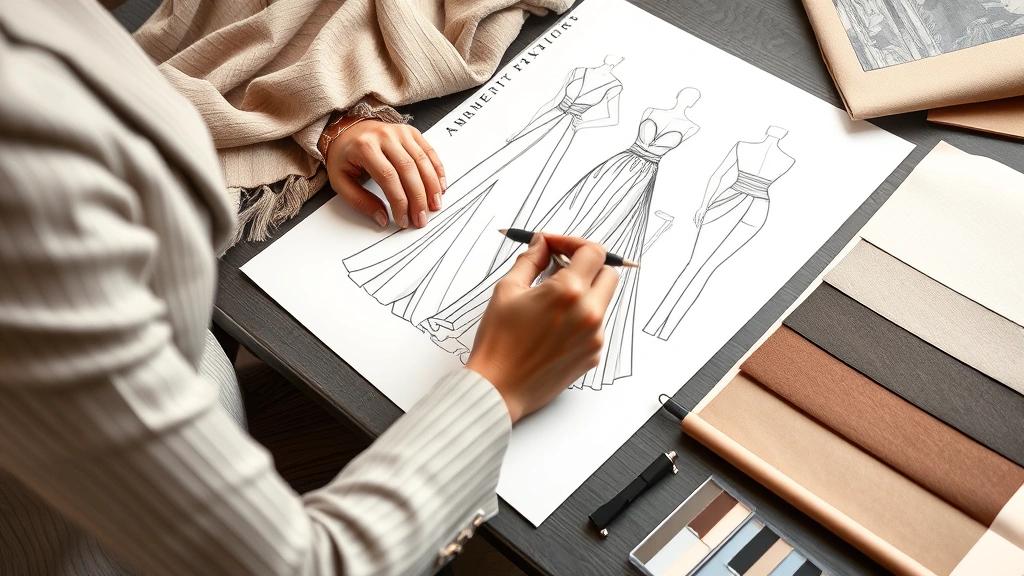
The collaboration between Audrey Hepburn and designer Hubert de Givenchy stands as one of fashion’s most transformative partnerships. When Hepburn first met Givenchy in 1953 for the film Sabrina, neither could have anticipated the profound impact their working relationship would have on fashion history. Givenchy, then an emerging designer establishing his own house, found in Hepburn the perfect muse—someone whose grace, elegance, and understanding of design aligned perfectly with his vision of sophisticated simplicity.
Givenchy’s designs for Hepburn emphasized clean lines, impeccable tailoring, and a refined color palette that highlighted her natural beauty. Unlike many designers who sought to overwhelm their clients with elaborate details, Givenchy understood that Hepburn’s power lay in understated elegance. Each piece was crafted with meticulous attention to proportion and fit, creating silhouettes that flattered without drawing unnecessary attention to themselves. This approach revolutionized how high fashion was perceived, proving that luxury could be achieved through refinement rather than ostentation.
The designer’s commitment to understanding Hepburn’s body and personal preferences resulted in garments that seemed custom-made for her specific frame and personality. This level of personalization became a hallmark of their partnership, influencing how luxury fashion houses approach dressing their clients today. Givenchy’s legacy through Hepburn demonstrates the power of collaboration between artist and muse, where both parties elevate each other’s work to unprecedented heights.
Iconic Moments That Defined an Era
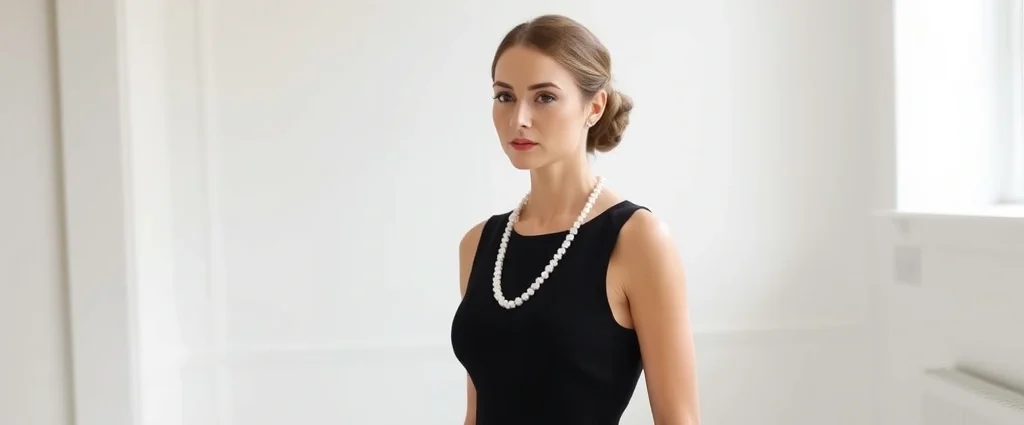
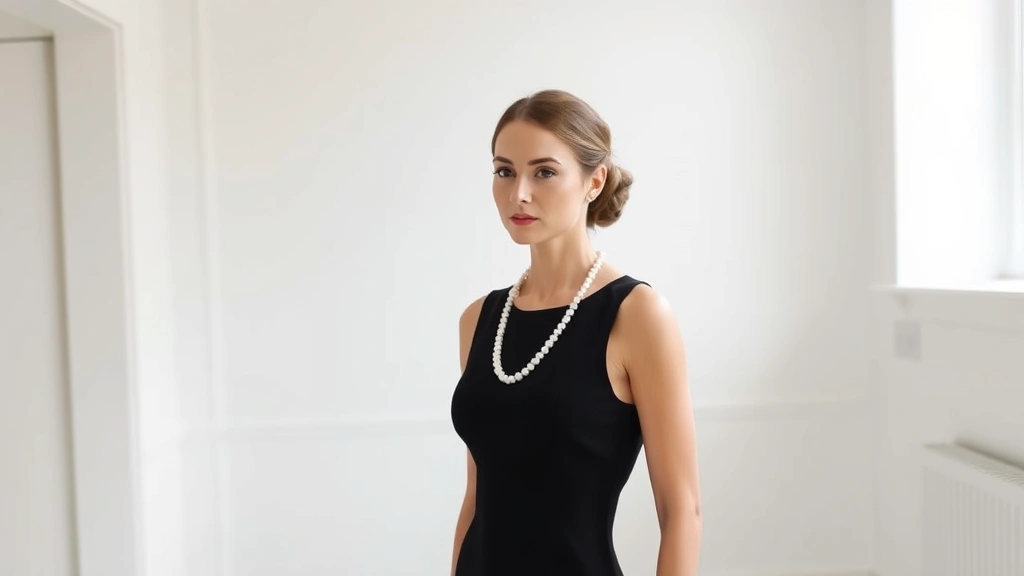
Audrey Hepburn’s most iconic fashion moments have become reference points in cinema and fashion history. The black Givenchy gown from Breakfast at Tiffany’s (1961) represents perhaps the most recognizable dress in film history. This elegant column gown, paired with a tiara and long pearl necklace, epitomizes the sophistication that Hepburn brought to every role. The simplicity of the design—a sleeveless black dress with a subtle neckline—allows the wearer’s elegance and composure to become the focal point rather than the garment itself.
In Audrey Hepburn and Fashion, style experts consistently reference this dress as the ultimate example of timeless design. The black dress has transcended its original context to become a staple of sophisticated wardrobes worldwide. Women continue to seek versions of this iconic piece, understanding intuitively that it represents an aspirational standard of elegance that remains relevant across decades and cultural contexts.
Another defining moment came from My Fair Lady (1964), where Hepburn’s white ball gown designed by Cecil Beaton became an instant classic. The ethereal quality of this dress, with its intricate beading and voluminous skirt, showcased a different facet of Hepburn’s style—one that could embrace drama and grandeur while maintaining grace and refinement. This duality in her fashion choices demonstrates her versatility and deep understanding of how different silhouettes and styles could serve different purposes and contexts.
The Roman Holiday wardrobe, featuring elegant day dresses and tailored suits, established Hepburn’s ability to make simple, classic pieces feel extraordinary. These weren’t elaborate creations but rather perfectly executed examples of quality tailoring and timeless design principles that continue to influence fashion today.
The Elements of Hepburn’s Signature Style
Understanding Audrey Hepburn’s signature style requires examining the specific elements that consistently appeared throughout her career and personal life. Her commitment to certain design principles created a cohesive aesthetic that was immediately recognizable and infinitely replicable. By studying these elements, contemporary fashion enthusiasts can incorporate Hepburn-inspired touches into their own wardrobes.
Color Palette and Neutrals: Hepburn favored a restrained color palette dominated by black, white, cream, and navy. These neutral tones provided a sophisticated backdrop that highlighted her features and allowed accessories to play supporting roles rather than dominating the overall look. Her occasional use of color—such as soft pastels or rich jewel tones—was always deliberate and measured, never overwhelming the fundamental elegance of the silhouette.
Silhouettes and Fit: The hallmark of Hepburn’s style was impeccable tailoring that emphasized her naturally slender frame without exaggerating or distorting it. She favored A-line skirts, fitted bodices, and elegant necklines that created a sense of refined proportion. Her dresses and ensembles were designed to enhance natural beauty rather than mask or transform the body into an artificial shape.
Accessories and Jewelry: Hepburn understood the power of strategic accessorizing. Rather than layering multiple pieces, she selected one or two statement accessories—a long strand of pearls, a delicate watch, a structured handbag—that complemented her outfit without competing for attention. This restraint in accessorizing became a defining characteristic of her style philosophy.
Footwear: Elegant ballet flats, refined pumps, and carefully selected shoes completed her ensembles. Hepburn’s footwear choices were always practical yet stylish, never sacrificing comfort for appearance. Her famous relationship with ballet flats influenced shoe design across the industry and remains relevant in contemporary fashion.
These elements combine to create a distinctive aesthetic that feels both aspirational and achievable. Unlike styles dependent on specific trends or trend-dependent pieces, Hepburn’s approach to fashion can be adapted and interpreted by anyone willing to prioritize quality, proportion, and restraint. This accessibility contributes significantly to her enduring influence on contemporary style.
Minimalism Before It Became Mainstream
Audrey Hepburn’s approach to fashion predated the minimalism movement by decades, yet her aesthetic principles align perfectly with minimalist philosophy. Before minimalism became a widespread design movement, Hepburn was already demonstrating its core principles: that less can indeed be more, that quality matters more than quantity, and that restraint often speaks louder than excess.
Her wardrobe philosophy emphasized investing in fewer, higher-quality pieces rather than accumulating numerous items of lesser quality. This approach to fashion forward thinking anticipated contemporary conversations about sustainable fashion and conscious consumption. Hepburn demonstrated that a carefully curated collection of well-made garments could provide endless styling possibilities and remain relevant across years and seasons.
The minimalist approach also extended to her beauty and grooming choices. Hepburn favored natural-looking makeup that enhanced rather than masked her features, simple hairstyles that emphasized her bone structure, and an overall aesthetic that prioritized authenticity over artifice. This commitment to authenticity resonated with audiences and continues to influence how beauty and style are conceptualized in contemporary culture.
Fashion historians and style experts increasingly recognize Hepburn as a pioneer of minimalist aesthetics, even if that terminology wasn’t applied to her work during her lifetime. Her influence on contemporary minimalist fashion is substantial, with designers and style influencers regularly citing her work as foundational to their understanding of elegant simplicity. This recognition underscores the timeless nature of her contributions to fashion and style philosophy.
In the context of modern style trends and fashion insights, Hepburn’s minimalist approach represents a counterpoint to fast fashion and trend-driven consumption. Her example demonstrates that true style transcends seasonal trends and remains relevant across decades, providing a model for sustainable, thoughtful fashion choices.
Hepburn’s Influence on Modern Fashion
The impact of Audrey Hepburn’s style on contemporary fashion remains profound and measurable. Designers across the luxury and contemporary markets continue to reference her work, and fashion publications regularly feature articles exploring how to incorporate Hepburn-inspired elements into modern wardrobes. Her influence extends across all price points, from haute couture to accessible fashion retailers.
Contemporary designers like Oscar de la Renta, Carolina Herrera, and Ralph Lauren have all acknowledged Hepburn’s influence on their work. Her emphasis on tailoring, proportion, and timeless elegance shaped how these designers approach creating clothing that transcends seasonal trends. The study of fashion design now regularly includes analysis of Hepburn’s aesthetic choices and her collaborative relationship with Givenchy as foundational examples of how design principles create enduring style.
Fashion editors and style experts frequently reference Hepburn when discussing the concept of a signature style or personal aesthetic. Her ability to maintain visual consistency while adapting to different contexts—from formal events to casual outings—demonstrates a sophisticated understanding of style that contemporary fashion influencers and style consultants continue to teach and promote.
The resurgence of interest in classic, timeless fashion over fast fashion trends has revived interest in Hepburn’s work among younger audiences. Gen Z fashion enthusiasts discovering her films and photographs often express admiration for her restraint and elegance, finding her aesthetic more appealing than trend-dependent styles. This intergenerational appreciation confirms the timeless nature of her contributions to fashion.
Major fashion houses including Givenchy continue to celebrate and build upon Hepburn’s legacy, with retrospective exhibitions and special collections dedicated to her iconic moments. These institutional recognitions underscore her status as a foundational figure in fashion history whose influence shows no signs of diminishing.
Building a Timeless Wardrobe Inspired by Hepburn
For those seeking to incorporate Audrey Hepburn’s timeless style principles into their own wardrobes, several practical strategies can guide the process. Building a Hepburn-inspired wardrobe requires intentionality, quality investment, and a commitment to understanding personal style rather than chasing trends.
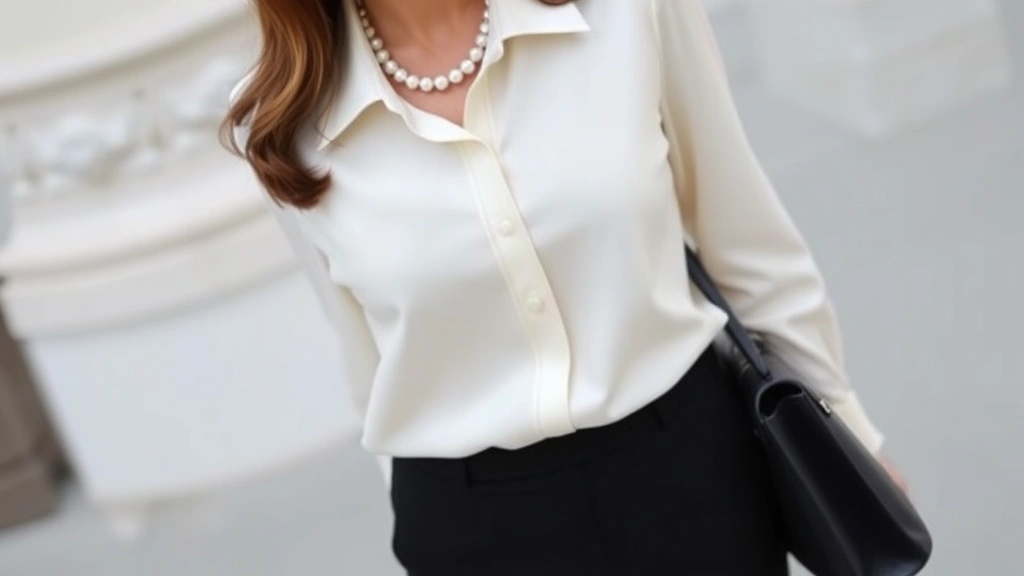
Foundation Pieces: Begin with essential basics in neutral colors: well-fitted black trousers, cream-colored blouses, white button-down shirts, and navy items that can serve as wardrobe anchors. These foundational pieces should be of high quality, with excellent tailoring and construction that will withstand years of wear. Hepburn’s approach prioritized investing in fewer, better pieces rather than accumulating quantity.
The Little Black Dress: Every wardrobe inspired by Hepburn should include at least one elegant black dress. This might be a simple shift dress, a tailored sheath, or a more elaborate option for special occasions. The key is selecting a style that flatters your body and makes you feel confident and elegant. This single piece can be styled in countless ways across different contexts and seasons.
Tailoring and Fit: Perhaps the most important principle from Hepburn’s approach is the emphasis on proper tailoring and fit. Invest in a skilled tailor who can adjust garments to fit your specific proportions perfectly. No matter how high the quality of a piece, if it doesn’t fit properly, it cannot achieve the elegant effect that defines Hepburn’s aesthetic. Proper tailoring transforms good pieces into exceptional ones.
Accessory Strategy: Follow Hepburn’s principle of selective accessorizing. Rather than wearing multiple statement pieces, choose one or two items that complement your outfit. A quality watch, a structured handbag, or a single strand of pearls can elevate an entire ensemble. This restraint creates visual impact through refinement rather than accumulation.
Shoe Selection: Invest in quality footwear that balances elegance with comfort. Include classic ballet flats, refined pumps, and perhaps one or two additional styles that align with your lifestyle. Hepburn’s shoe choices were always practical yet stylish, never sacrificing functionality for appearance.
Color Consistency: Establish a personal color palette that you find flattering and that you enjoy wearing. Hepburn’s commitment to a consistent palette created visual cohesion throughout her wardrobe. This doesn’t mean never wearing color, but rather being intentional about which colors you incorporate and how frequently.
Building a Hepburn-inspired wardrobe is an investment in timeless style that will serve you well across years and changing circumstances. Unlike trend-dependent fashion purchases that become quickly outdated, pieces selected using Hepburn’s principles remain relevant and wearable across decades. This approach aligns with contemporary conversations about sustainable fashion and conscious consumption, making it both stylistically sound and ethically responsible.
FAQ
What made Audrey Hepburn’s style so timeless?
Audrey Hepburn’s style transcended trends through its emphasis on timeless principles: impeccable tailoring, a restrained color palette, elegant simplicity, and an authentic personal aesthetic. Her commitment to these principles rather than chasing trends ensured her style remained relevant across decades. She understood that true elegance comes from proportion, quality, and restraint rather than elaborate details or trend-dependent choices.
How did Givenchy influence Audrey Hepburn’s fashion choices?
Givenchy’s collaboration with Hepburn shaped her public image and established design principles that became her signature aesthetic. His emphasis on clean lines, impeccable tailoring, and sophisticated simplicity aligned perfectly with Hepburn’s personal style preferences. Givenchy designed many of her most iconic pieces, and his influence extended throughout her career, establishing a partnership that became legendary in fashion history.
Can anyone achieve Audrey Hepburn’s style today?
Yes, Hepburn’s style principles are accessible to anyone willing to prioritize quality, proper fit, and timeless design over trends. The key is investing in well-tailored basics in neutral colors, selecting pieces that flatter your body, and maintaining a consistent aesthetic philosophy. You don’t need to wear exact replicas of her iconic pieces; rather, apply her principles of elegance, proportion, and restraint to create a personal style inspired by her approach.
What are the essential pieces in a Hepburn-inspired wardrobe?
Essential pieces include a well-fitted black dress, quality white button-down shirts, neutral-colored trousers, cream or white blouses, and navy items. Add quality footwear including ballet flats and refined pumps, a structured handbag, and simple jewelry such as pearls or a classic watch. The emphasis should be on quality and fit rather than quantity, with each piece serving multiple styling purposes.
How does Audrey Hepburn’s style compare to other fashion icons?
While other fashion icons like Marilyn Monroe or Elizabeth Taylor embraced glamorous, ornamental aesthetics, Hepburn distinguished herself through restrained elegance and minimalist principles. Her style emphasized what you didn’t wear as much as what you did, prioritizing proportion and quality over drama and excess. This fundamental difference explains why her style remains influential in contemporary fashion, particularly among those valuing timeless elegance over trend-driven choices. Explore other fashion eras and styles to understand how Hepburn’s approach compares to other influential periods.
Where can I find Audrey Hepburn-inspired clothing today?
Many contemporary brands offer Hepburn-inspired pieces, from luxury houses like Givenchy and Oscar de la Renta to accessible retailers. Look for pieces emphasizing clean lines, neutral colors, and excellent tailoring. Vintage and secondhand markets also offer authentic pieces from Hepburn’s era. The key is selecting items based on design principles rather than seeking exact replicas, allowing you to create a personal style inspired by her aesthetic approach.

