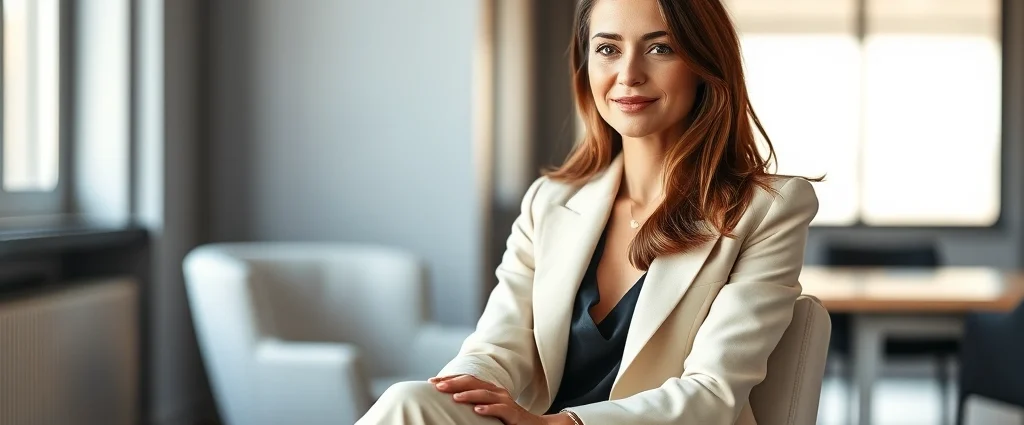

30s Women’s Fashion Trends: Expert Insights for the Modern Woman
Fashion in your thirties represents a pivotal moment of sartorial confidence and self-discovery. This is the decade where women have typically refined their aesthetic sensibilities, accumulated quality pieces, and developed an unmistakable personal style that reflects both maturity and individuality. The 30s women’s fashion landscape has evolved dramatically, moving away from trend-chasing toward more intentional, sophisticated choices that celebrate both timeless elegance and contemporary edge.
The modern woman in her thirties is rewriting the rules of fashion. She’s not bound by the fast-fashion mentality that dominated her twenties, nor is she confined to the conservative silhouettes of previous generations. Instead, today’s 30-something woman is embracing a curated approach to fashion that honors quality, sustainability, and authentic self-expression. From power dressing that commands respect in boardrooms to relaxed elegance that feels effortlessly chic, the trends defining this era reflect a woman who knows exactly what she wants—and isn’t afraid to wear it.
Whether you’re navigating professional environments, social events, or casual weekends, understanding the key trends shaping fashion articles and trends in your thirties can help you build a wardrobe that feels both current and timeless. Let’s explore the expert insights and transformative trends that are defining style for women in this dynamic decade.
Tailoring and Precision Fit: The Foundation of Sophisticated Style
Nothing defines 30s women’s fashion more powerfully than impeccable tailoring. By this stage of life, most women understand that fit is everything. A perfectly tailored blazer, well-fitting trousers, and precisely hemmed dresses form the backbone of a sophisticated wardrobe that transcends seasonal trends. The emphasis on tailoring isn’t about rigid formality—it’s about respecting your body and choosing garments that enhance your natural silhouette rather than fight against it.
Expert stylists and Vogue fashion authorities consistently emphasize that women in their thirties should invest in quality tailoring services. A $50 dress that fits perfectly will always outshine a $500 dress that doesn’t. This philosophy extends to all clothing categories: blazers should skim the body without pulling, trousers should break precisely at the ankle, and dresses should accentuate rather than obscure. The tailoring trend reflects a mature approach to fashion—one that prioritizes personal presentation and professional polish.
The contemporary tailoring movement also embraces modern silhouettes. Gone are the overly structured, boxy cuts of previous decades. Today’s tailored pieces feature softer shoulders, strategic darts that create dimension, and proportions that feel contemporary rather than dated. When exploring how to build a wardrobe with proper proportions, consider reviewing guides on finding your personal style, which emphasizes fit as a cornerstone of authentic self-expression.
The Power of Neutral Palettes: Building a Cohesive Wardrobe Foundation
The trend toward neutral color palettes represents a fundamental shift in how women in their thirties approach wardrobe building. Rather than chasing seasonal colors, savvy women are investing in foundational neutrals—creams, blacks, grays, taupes, and warm beiges—that create a unified, sophisticated aesthetic. This approach isn’t about blandness; it’s about strategic color curation that maximizes wardrobe versatility and longevity.
Neutrals serve as the canvas upon which personal style is painted. A capsule wardrobe built on neutral foundations allows for endless mixing and matching, reduces decision fatigue, and ensures that pieces remain relevant year after year. The genius of this approach lies in its sustainability—neutral pieces never feel dated because they transcend trend cycles. Fashion experts from Harper’s Bazaar regularly champion neutral wardrobes as the ultimate expression of modern sophistication.
Within the neutral palette, texture becomes paramount. A charcoal wool blazer differs dramatically from a charcoal silk camisole, yet both exist in the same color family. This decade celebrates the interplay of textures—matte and glossy, smooth and ribbed, lightweight and substantial—as a way to create visual interest without relying on bold colors. Layering neutral textures creates depth and sophistication that feels both current and timeless.
Investment Pieces Over Fast Fashion: Quality as the Ultimate Trend
Perhaps the most significant trend defining 30s women’s fashion is the wholesale rejection of disposable fashion in favor of investment pieces. This shift reflects both environmental consciousness and financial wisdom. Women in their thirties increasingly understand that a $200 leather jacket worn for fifteen years represents better value than ten $20 jackets discarded after one season.
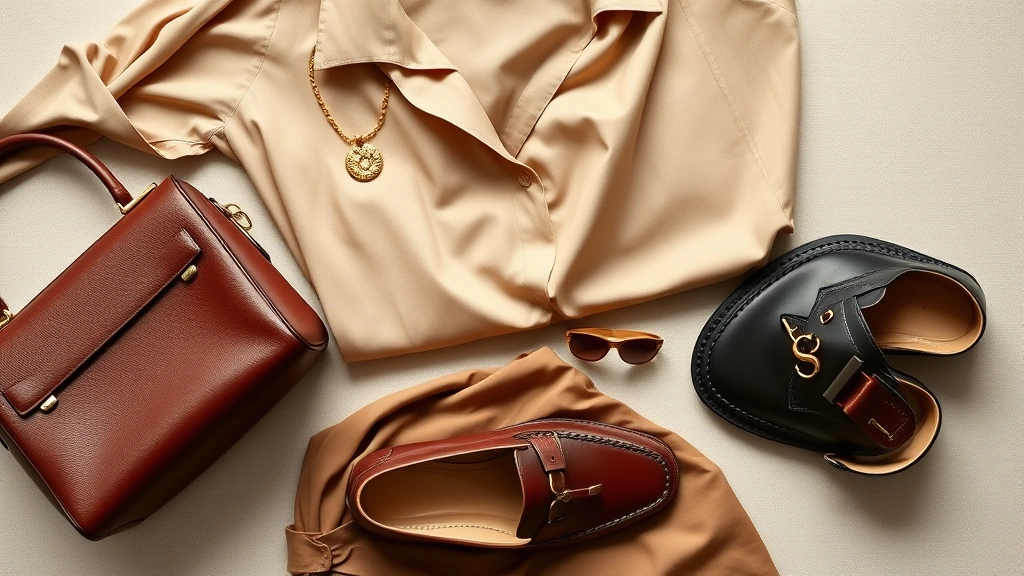
Investment pieces are characterized by superior construction, premium materials, timeless design, and the ability to transcend seasonal fluctuations. Classic items like well-made leather handbags, quality denim, silk blouses, and wool coats become foundational wardrobe staples that anchor countless outfits. The investment piece philosophy encourages women to buy less but buy better, reducing both closet clutter and environmental impact.
This trend extends beyond clothing to accessories and footwear. A pair of beautifully crafted leather loafers or elegant ballet flats becomes a wardrobe MVP that works across countless styling scenarios. Similarly, a structured leather tote or elegant crossbody bag transcends seasonal trends and becomes a reliable companion for years. When considering your wardrobe investments, exploring contemporary fashion trends can help identify which pieces will remain relevant across multiple years.
Luxury and contemporary brands are responding to this demand with collections specifically designed for longevity. Investment-focused brands emphasize craftsmanship, sustainable production methods, and designs that feel fresh without being trendy. This approach aligns perfectly with the values many women in their thirties hold dear: sustainability, quality, and authentic self-expression.
Minimalist Elegance and Simplicity: Less is Definitively More
Minimalism has evolved from a niche aesthetic into the dominant design philosophy for women in their thirties. This isn’t about deprivation or restriction; rather, it’s about intentionality. Every piece in a minimalist wardrobe serves a purpose, communicates something about the wearer, and works harmoniously with other items. The minimalist approach to 30s women’s fashion celebrates clean lines, uncluttered silhouettes, and the power of negative space.
Minimalist fashion pieces typically feature subtle details rather than loud embellishments. A perfectly placed seam, an interesting neckline, or unexpected fabric composition provides visual interest without overwhelming the overall aesthetic. This philosophy extends to jewelry and accessories, where fewer, more meaningful pieces replace collections of costume jewelry. A single statement ring worn daily communicates more personal style than a drawer full of forgotten accessories.
The minimalist trend also encompasses a psychological shift toward mindful consumption. Women in their thirties are increasingly asking themselves crucial questions before purchases: Will this work with existing pieces? Will I love wearing this in five years? Does this align with my personal values? This intentional approach to shopping results in wardrobes that feel curated rather than cluttered, sophisticated rather than chaotic.
Modern Power Dressing: Confidence Meets Contemporary Style
Power dressing has evolved dramatically since the shoulder-padded excess of the 1980s. Today’s modern power dressing celebrates authority and confidence while maintaining contemporary elegance. For women in their thirties navigating professional environments, understanding the nuances of power dressing is essential. It’s no longer about copying masculine silhouettes; instead, it’s about owning your presence through intentional, sophisticated clothing choices.
Modern power dressing emphasizes well-fitted blazers, structured trousers, and confident color choices. A perfectly tailored blazer in a jewel tone or sophisticated neutral instantly elevates any ensemble while communicating competence and authority. Pairing power pieces with unexpected elements—perhaps a silk camisole with interesting texture or elegant jewelry—creates a personal interpretation of power that feels authentic rather than costume-like.
The trend toward modern power dressing reflects broader workplace evolution. Women in their thirties are less interested in conforming to outdated professional dress codes and more focused on dressing in ways that feel both authoritative and authentically themselves. This might mean combining a structured blazer with elevated basics, or pairing traditional power pieces with contemporary accessories. The key is confidence—wearing clothes that make you feel capable, competent, and completely comfortable.
Industry leaders and fashion consultants emphasize that power dressing in this era should align with your specific professional environment and personal brand. Forbes Life regularly publishes insights on professional style, noting that the most powerful dressing choices are those that feel authentic to the wearer while commanding respect in their specific context.
Sustainable and Ethical Fashion: Values-Driven Style Choices
Environmental and ethical consciousness has become central to how women in their thirties approach fashion. This generation witnessed the rise of fast fashion’s environmental consequences and is actively choosing differently. Sustainable and ethical fashion is no longer a niche movement; it’s becoming the dominant trend in 30s women’s fashion.
Sustainable fashion choices include purchasing from brands with transparent supply chains, choosing natural and organic materials, supporting ethical manufacturing practices, and embracing secondhand and vintage pieces. Women in their thirties are increasingly exploring thrift stores, consignment shops, and online resale platforms to find quality pieces while reducing environmental impact. Vintage fashion, in particular, offers both sustainability and authentic style—exploring vintage style guides can inspire contemporary outfit combinations using timeless pieces.
The ethical fashion movement also emphasizes transparency in manufacturing. Women are choosing brands that provide information about who made their clothes, under what conditions, and what fair wages were paid. This values-driven approach to fashion consumption reflects the maturity and conscientiousness that characterize this life stage. Fashion is no longer solely about personal aesthetics; it’s about making choices that align with broader values regarding environmental stewardship and social responsibility.
Sustainable luxury brands and ethical contemporary lines are flourishing as women in their thirties vote with their wallets. These brands often combine sustainability with exceptional design, proving that ethical choices need not compromise style or quality. The result is a wardrobe that feels good not only when worn but also in terms of personal values alignment.
Accessories as Statement Making: Elevating Basics Through Thoughtful Details
In 30s women’s fashion, accessories have evolved from supplementary items into powerful tools for self-expression and style elevation. Rather than accessorizing everything, the contemporary approach emphasizes strategic, meaningful accessory choices that transform basic pieces into distinctive ensembles. A simple white button-down shirt becomes entirely different when paired with a bold leather belt, structured blazer, and elegant jewelry.
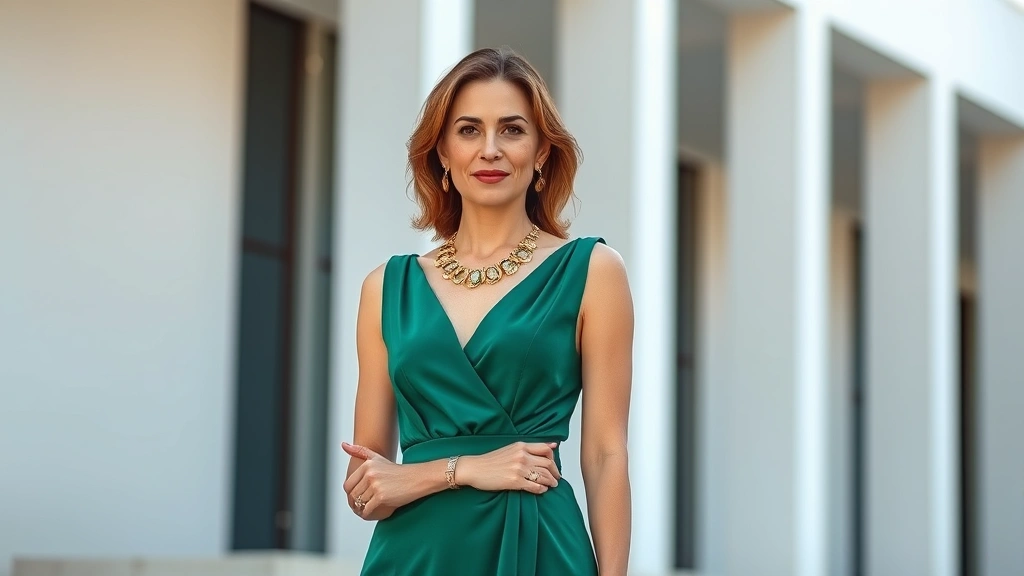
Statement jewelry represents a particularly important trend for women in their thirties. Rather than costume jewelry collections, the focus shifts toward fewer, more impactful pieces—perhaps a signature gold necklace, meaningful earrings, or distinctive rings that become part of your personal style signature. These pieces work across multiple outfits and actually increase in sentimental value over time. Handbags similarly function as statement pieces; a beautifully crafted bag in a luxe material or unexpected color can completely transform an outfit’s energy.
Footwear choices also communicate significant style messages. The 30s woman typically curates a collection of shoes that balance versatility with personality—classic pumps or loafers for professional settings, elegant flats for everyday wear, and perhaps one or two pairs that feel more adventurous or trend-forward. The key is that each shoe serves a purpose and coordinates with the broader wardrobe aesthetic. When building a well-rounded wardrobe, understanding how accessories amplify your personal style becomes crucial; resources on fashion design principles can provide deeper insights into how individual elements create cohesive visual statements.
Scarves, belts, and layering pieces also function as powerful accessory tools. A silk scarf can add color, texture, and sophistication to neutral outfits. A quality belt defines proportions and adds visual interest. Layering pieces like cardigans or lightweight jackets serve both functional and aesthetic purposes. The contemporary approach to accessories celebrates intentionality—every piece should earn its place in your wardrobe by either serving a practical function or communicating something meaningful about your style.
Color and Confidence Expression: Moving Beyond Neutrals When It Matters
While neutral palettes provide wardrobe foundation, 30s women’s fashion increasingly celebrates color confidence—the strategic use of color to express personality and mood. This isn’t about abandoning neutrals; rather, it’s about knowing when and how to introduce color in ways that feel authentic and intentional. Perhaps you wear neutrals for professional settings but express yourself through rich jewel tones on weekends, or you incorporate color through accessories rather than clothing.
The contemporary color confidence trend emphasizes finding colors that harmonize with your natural coloring and personal aesthetic. Rather than following seasonal color forecasts, women in their thirties are identifying colors that make them feel vibrant and confident—whether that’s warm terracotta, cool burgundy, sophisticated olive, or elegant navy. These become signature colors that appear repeatedly throughout the wardrobe, creating visual cohesion while expressing individuality.
Color psychology also plays a role in this trend. Understanding how colors affect mood and perception helps women make intentional choices. Perhaps a bold red lip communicates confidence for important presentations, while soft pastels feel appropriate for relaxed social gatherings. A rich jewel-toned dress might make you feel powerful and elegant, while crisp white feels fresh and clean. The key is developing awareness of how color choices influence both how you feel and how others perceive you, then using that knowledge to make deliberate style decisions.
Exploring contemporary style resources like contemporary dress collections can inspire how to incorporate color strategically into a wardrobe. The most sophisticated color usage often involves neutral foundations with strategic pops of meaningful color through dresses, jackets, or accessories.
FAQ
What are the most essential pieces for a 30-year-old woman’s wardrobe?
Essential pieces include a well-tailored blazer, quality neutral trousers, classic white and black tees, a crisp white button-down, dark denim, a neutral sweater, comfortable flats, professional pumps, a structured handbag, and a quality leather jacket. These foundational pieces create the basis for countless outfit combinations and work across professional and casual settings.
How can I transition my wardrobe from my twenties to my thirties?
Focus on quality over quantity, invest in proper tailoring, build a neutral foundation, and gradually phase out trend-heavy pieces in favor of timeless styles. Rather than discarding your entire wardrobe, identify which pieces still feel authentic and incorporate them with more sophisticated, investment-focused additions. This gradual transition allows your personal style to evolve naturally.
Is it too late to develop personal style in my thirties?
Absolutely not—many style experts argue that your thirties is the ideal time to develop authentic personal style. By this stage, you have enough life experience to understand what works for your lifestyle, body, and personality. This is when you can move beyond trend-chasing and create a wardrobe that genuinely reflects who you are.
How do I balance professional fashion with personal style?
Understand your workplace dress code, then work within those parameters to express your personality through tailoring choices, color selections, and accessories. A well-fitted blazer in your favorite color, meaningful jewelry, or elegant footwear can communicate personal style while maintaining professional appropriateness.
What’s the difference between investment pieces and fast fashion?
Investment pieces are made from quality materials, feature superior construction, employ timeless design, and remain relevant across multiple years. Fast fashion prioritizes trend-following, uses lower-quality materials, and is designed for short-term wear. Investment pieces cost more initially but provide better value over time and reduce environmental impact.
How can I make my wardrobe more sustainable?
Purchase fewer items of higher quality, explore secondhand and vintage options, choose brands with transparent ethical practices, select natural materials, and commit to wearing pieces for longer. Building a smaller wardrobe of pieces you genuinely love and will wear frequently is far more sustainable than accumulating numerous items you rarely wear.
Should I follow all fashion trends in my thirties?
No. The beauty of being in your thirties is having the confidence to choose which trends genuinely align with your personal style and lifestyle. A trend only matters if it makes you feel confident and authentic. It’s perfectly appropriate to ignore trends that don’t serve your aesthetic or practical needs.
How do I know if a color works for me?
Consider your natural coloring—skin tone, hair color, and eye color—and experiment with colors that harmonize with these elements. Notice which colors make you feel confident and vibrant. Colors that create contrast with your natural coloring typically feel more flattering. Don’t hesitate to try unexpected colors; sometimes the most flattering shade surprises you.