1840s Fashion: A Vintage Guide by Historians
The 1840s represent one of the most transformative decades in fashion history, marking a pivotal shift from the romantic excess of the 1830s toward a more structured, corseted silhouette that would define the Victorian era. This fascinating period witnessed the rise of the crinoline, the dominance of the hourglass figure, and an unprecedented emphasis on elaborate ornamentation that reflected both industrial progress and social propriety. Understanding 1840s fashion provides invaluable insights into how clothing functioned as a complex language of class, morality, and identity during the nineteenth century.
Fashion historians recognize the 1840s as a crucial bridge between Romanticism and the full flowering of Victorian aesthetics. Women’s garments became increasingly restrictive, with tight-lacing reaching new extremes, while men’s fashion paradoxically moved toward greater sobriety and uniformity. The decade’s style choices were inextricably linked to technological innovations, including the mechanization of textile production and the rise of ready-made clothing, which democratized fashion in unprecedented ways. Whether you’re a history enthusiast, costume designer, or simply curious about vintage aesthetics, exploring this era reveals how deeply fashion intertwines with cultural values and social structures.
Women’s Silhouette and Corsetry: The Hourglass Ideal
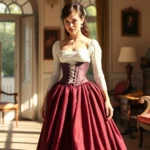
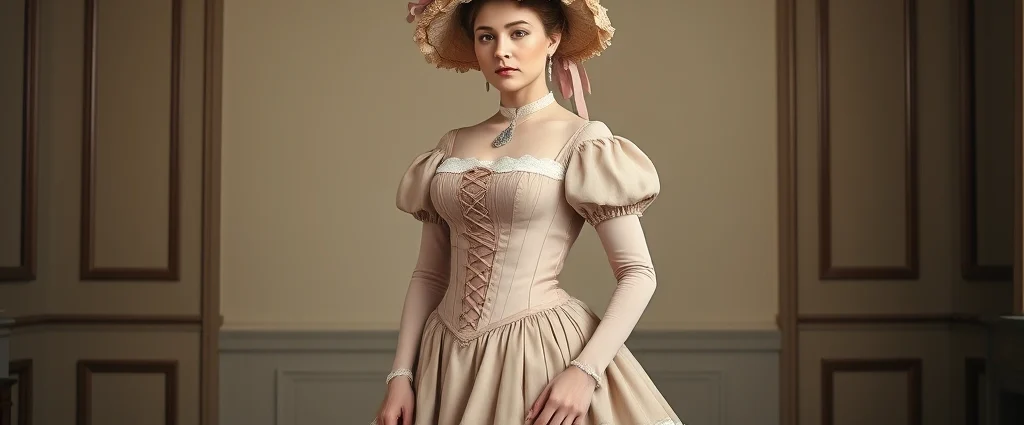
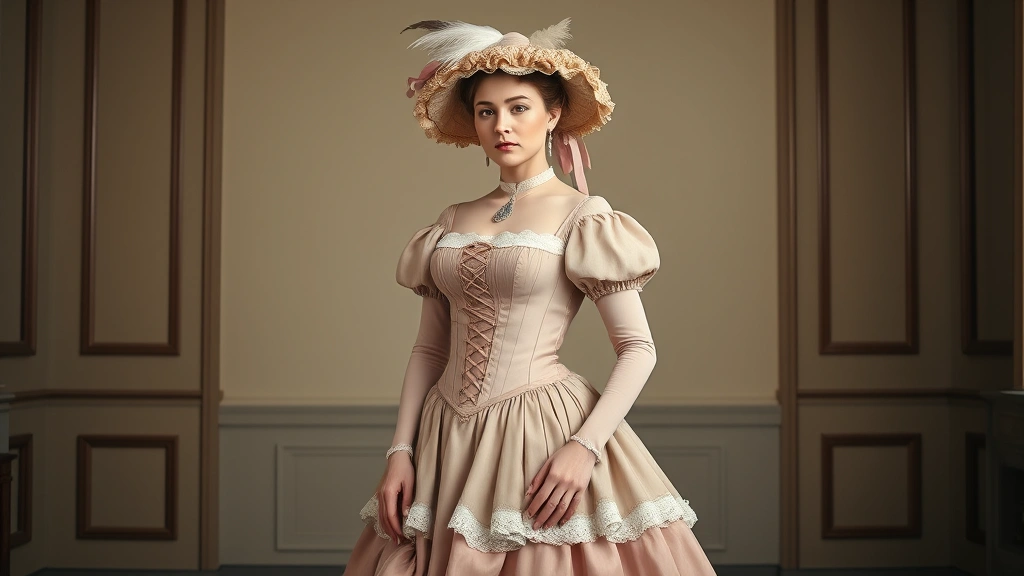
The defining characteristic of 1840s fashion was undoubtedly the extreme hourglass silhouette achieved through aggressive corsetry and elaborate skirt construction. Women’s bodies were squeezed into tight-laced corsets that compressed the waist to impossibly small measurements, often creating a circumference of merely eighteen to twenty inches for fashionable ladies. This silhouette required a dramatically sloped shoulder line, a protruding bosom achieved through corset engineering, and a compressed waist that flowed into voluminous skirts supported by multiple layers of petticoats and, toward the end of the decade, the emerging crinoline.
Corsets of this period were constructed with increasingly sophisticated boning systems, typically using whalebone, steel, or wood strips inserted into channels within the fabric. The front of the corset featured a rigid busk, usually made of wood or bone, that prevented any forward bending and forced an upright, chest-forward posture that emphasized the bust and created an exaggerated S-curve silhouette. Fashion historians note that this extreme corseting served multiple functions: it was a visible marker of wealth (only women with servants could manage such restrictive garments), a demonstration of gentility and refinement, and a physical manifestation of Victorian ideals about proper womanhood and moral restraint.
Skirts during the 1840s became progressively fuller, with the circumference at the hem reaching five to six yards of fabric by mid-decade. This volume was achieved through gathering, pleating, and the layering of multiple petticoats—sometimes as many as six or seven—creating a bell-shaped silhouette that extended from the tiny waist. The skirt was typically gathered or pleated at the waist and often featured decorative elements concentrated at the hem, including ruffles, lace insertions, and contrasting fabric bands. When you explore how to find your personal style in modern contexts, it’s worth recognizing how historical silhouettes shaped aesthetic ideals across generations.
Fabrics, Colors, and Materials: Textile Innovation and Preference
The 1840s witnessed remarkable developments in textile manufacturing, with industrialization making a wider variety of fabrics accessible to the middle classes. Silk remained the preferred fabric for fashionable garments, particularly silk taffeta, which produced the distinctive rustling sound associated with elegant 1840s dress. Silk was often combined with wool in blended fabrics, and cotton—increasingly available and affordable due to industrial production—became the standard for chemises, petticoats, and undergarments.
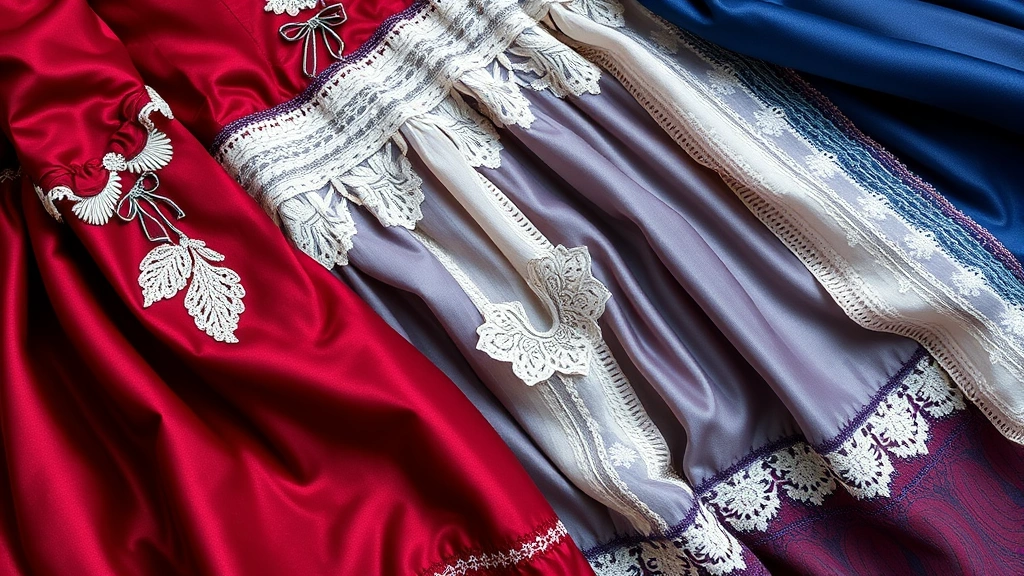
Colors during this decade reflected both romantic sensibilities and the expanding palette available through synthetic dyes. Rich jewel tones dominated fashionable dress: deep crimsons, forest greens, sapphire blues, and rich purples were particularly prized, especially for evening wear and formal occasions. Black remained essential for mourning wear, and gray was considered appropriate for half-mourning and everyday wear. Pastels and lighter shades, particularly pale pink and lavender, were favored for younger women and debutantes, while white continued to signify innocence and purity for unmarried women, though it was increasingly impractical given the extensive ornamentation and dirt accumulation that characterized daily life.
Patterned fabrics were extremely popular throughout the 1840s, with small geometric prints, floral motifs, and plaid patterns adorning day dresses and morning wear. Stripes, particularly narrow vertical stripes, were considered fashionable as they visually elongated the silhouette. Fabrics were often layered and combined, with contrasting colors and patterns used to create visual interest and demonstrate the wearer’s access to expensive materials. The emerging 90s fashion revival occasionally draws inspiration from historical pattern mixing, though the 1840s approach was distinctly more structured and formal in its application.
Accessories and Decorative Details: Ornamentation and Refinement
1840s fashion was characterized by elaborate ornamentation concentrated strategically on garments, particularly at the hem, neckline, and cuffs. Lace—whether real bobbin lace, Valenciennes lace, or machine-made imitations—became increasingly accessible and was sewn onto skirts, bodices, and sleeves in generous quantities. Silk ribbon, often in contrasting colors, was used to create bows, trim, and decorative bands that broke up large expanses of fabric and added visual complexity to garments.
Bonnets were the essential accessory for any respectable woman venturing outdoors, and 1840s bonnet styles were particularly elaborate. These bonnets featured deep brims that framed the face, often lined with gathered silk or lace, and decorated with feathers, flowers, ribbons, and sometimes even small birds or insects. The bonnet was tied under the chin with ribbons and served the dual purpose of protecting the complexion from sun damage—a crucial concern in an era when pale skin signified leisure and refinement—while also framing the face in a flattering manner.
Shawls and mantles were essential outerwear pieces, draped elegantly over the shoulders and often featuring decorative fringe, embroidery, or lace edging. Jewelry remained relatively restrained compared to later Victorian periods, with cameos, lockets, and brooches serving as the primary jewelry pieces. Gloves were universally worn and considered non-negotiable for fashionable women; long gloves in kid leather or cotton extended well above the wrist and were often coordinated with the dress color.
Fans, whether folded or fixed, served both practical and decorative purposes, and were carried by fashionable women as essential accessories. Parasols and umbrellas, often featuring decorative handles made from ivory, mother-of-pearl, or carved wood, protected both complexion and garments from the elements while serving as visible status symbols. Understanding fashion nova dresses in contemporary contexts reveals how accessorizing remains central to fashion identity, a principle equally true in the 1840s.
Men’s Fashion and Tailoring: Sobriety and Structure
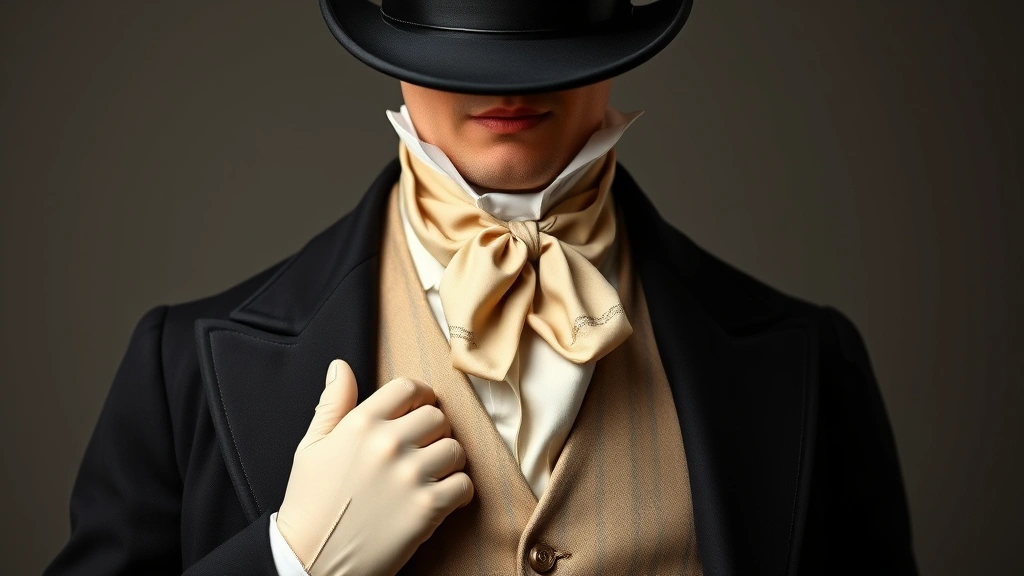
While women’s fashion of the 1840s moved toward increasing ornamentation and volume, men’s fashion underwent a dramatic shift toward sobriety, uniformity, and restraint. This period marked the beginning of what fashion historians call “the Great Male Renunciation,” wherein men’s fashion became increasingly conservative and functional, a stark contrast to the colorful, elaborate garments of previous centuries. The 1840s established masculine sartorial norms that would persist well into the twentieth century.
Men’s coats during the 1840s featured a distinctive silhouette with sloped shoulders, a nipped waist, and coat tails that extended to approximately the knee. These coats were typically constructed in dark, sober colors—black, dark blue, dark brown, or charcoal—and were worn with matching or complementary waistcoats and trousers. The coat was fitted through the torso, requiring expert tailoring to achieve the desired silhouette, and featured buttons arranged in a double-breasted or single-breasted configuration.
Trousers, which had only recently become standard masculine legwear, were cut relatively straight and featured a slight taper at the ankle. They were typically worn with suspenders and a waistcoat, and were made from wool or wool blends in colors that coordinated with the coat. The waistcoat (or vest) was an important garment that displayed a man’s personality and taste; while coats were sober, waistcoats could feature subtle patterns, brocades, or figured fabrics in jewel tones, allowing for a degree of individual expression within the constraints of masculine propriety.
Neckwear became increasingly important during the 1840s, with cravats and neck cloths folded in elaborate configurations and pinned or tied with decorative pins. Shirt collars became higher and stiffer, made from linen and often detachable for ease of laundering. Hats were essential accessories, with top hats being the standard for formal daytime wear and evening events, while shorter hats like bowlers and caps were worn for more casual occasions. Gloves, typically in pale kid leather, were universally worn and considered essential for any gentleman appearing in public.
Social Class and Fashion Distinctions: Visible Hierarchy
1840s fashion served as an extraordinarily precise visual language for communicating social class, marital status, age, and moral character. The ability to maintain the fashionable silhouette of the decade—with its extreme corseting, voluminous skirts, and elaborate ornamentation—required substantial financial resources, leisure time, and access to skilled seamstresses or tailors. Working-class women, who needed mobility and practicality in their garments, wore simpler versions of fashionable styles, with fewer layers of petticoats, less elaborate trimming, and fabrics that were more practical than fashionable.
The distinction between day dress and evening wear became increasingly pronounced during the 1840s, with fashionable women maintaining separate wardrobes for different occasions and times of day. Morning dress featured higher necklines and longer sleeves than evening wear, which displayed the shoulders and upper bosom. Visiting dress occupied a middle ground, appropriate for social calls and public appearances. This system of sartorial codes meant that a woman’s clothing immediately communicated not only her social standing but also the context of her appearance and her awareness of social propriety.
For men, the distinctions were equally precise, with different coats, waistcoats, and accessories appropriate for morning, afternoon, evening, and formal occasions. A gentleman’s tailoring and the quality of his materials immediately communicated his financial status, while his adherence to fashionable styles indicated his cultural awareness and social positioning. The increasing conformity of masculine fashion during this period reflected broader social changes, including the rise of industrial capitalism and the consolidation of a professional middle class that valued respectability and restraint.
Understanding fashion history provides crucial context for fashion design degree programs, which emphasize how clothing functions as social communication. The 1840s exemplify this principle with particular clarity.
Historical Evolution and Influences: Context and Causation
The fashion of the 1840s did not emerge spontaneously but rather developed from specific historical, technological, and cultural contexts. The Romantic movement, which had dominated aesthetics in the 1820s and 1830s, began to wane during the 1840s, replaced by a more structured, classical aesthetic that paradoxically became increasingly elaborate in its ornamentation. This shift reflected broader cultural movements, including the rise of industrial capitalism, the consolidation of Victorian moral values, and changing attitudes toward women’s bodies and sexuality.
The development of the sewing machine, though not yet widely adopted by the 1840s, was on the horizon and would eventually transform fashion production. However, during this decade, garments were still entirely hand-sewn, making the construction of elaborate 1840s fashions a time-consuming and expensive undertaking. The complexity of 1840s garments—with their numerous layers, intricate seaming, and extensive ornamentation—meant that fashionable dress required substantial resources and labor to produce and maintain.
The British Royal Family, particularly Queen Victoria and her fashion choices, profoundly influenced 1840s fashion. Victoria’s marriage to Prince Albert in 1840 was a defining moment in fashion history, and her white wedding dress established white as the color for bridal wear, a convention that persists today. Victoria’s preferences for certain silhouettes, colors, and styles were widely imitated by fashionable women throughout the British Empire and beyond, demonstrating the power of royal influence on fashion trends.
Exploring StyleLoom Daily Blog reveals how contemporary fashion writing continues to trace historical influences and cultural contexts. The 1840s represent a crucial moment when fashion became increasingly codified and standardized, setting patterns that would influence garment construction and aesthetic ideals for decades to come.
The expansion of women’s magazines during the 1840s, including publications like The Lady’s Magazine and Graham’s Magazine, played a crucial role in disseminating fashion information and standardizing styles across geographic regions. Fashion plates—hand-colored engravings showing the latest styles—became increasingly sophisticated and widely distributed, allowing women in provincial areas to access current fashion information. This democratization of fashion knowledge, combined with the growth of retail establishments and the emergence of ready-made clothing, fundamentally transformed how fashion functioned in society.
The industrial revolution’s impact on textile production meant that fabrics that had previously been luxurious and rare became increasingly accessible to the middle classes. This accessibility, paradoxically, led to increased emphasis on subtle distinctions in quality, construction, and ornamentation as markers of true gentility. A fashionable woman of the 1840s demonstrated her status not through the mere possession of silk or lace, but through her knowledge of proper construction, appropriate color combinations, and correct styling for different occasions.
For those interested in fashion trends for women over 50, it’s worth noting that the 1840s established age-appropriate dressing codes that still influence contemporary fashion thinking. Older women were expected to dress in darker, more conservative styles with higher necklines and longer sleeves, while younger unmarried women wore lighter colors and more elaborate ornamentation. These age-based distinctions reflected assumptions about sexuality, propriety, and women’s social roles that extended far beyond mere aesthetic preference.
FAQ
What was the most distinctive feature of 1840s women’s fashion?
The extreme hourglass silhouette achieved through tight-lacing and voluminous skirts was the defining characteristic of 1840s fashion. Women wore corsets that compressed the waist to eighteen to twenty inches, creating an exaggerated S-curve that was considered the height of beauty and refinement during this period.
How did 1840s fashion differ from the 1830s?
The 1830s featured a more romantic, off-shoulder aesthetic with emphasis on the shoulder line, while the 1840s moved toward higher necklines, sloped shoulders, and increased waist compression. Skirts also became progressively fuller during the 1840s, requiring more petticoats and eventually leading to the crinoline’s emergence.
What materials were used for 1840s corsets?
1840s corsets were constructed using linen or cotton fabric with channels for boning materials including whalebone, steel strips, or wood. The front featured a rigid busk made from wood or bone that prevented forward bending and enforced an upright posture.
How did men’s fashion change during the 1840s?
Men’s fashion became increasingly conservative and uniform during the 1840s, featuring dark, sober-colored coats with fitted waists and sloped shoulders. This period marked the beginning of “the Great Male Renunciation,” establishing masculine fashion norms that emphasized restraint and propriety.
What was the significance of bonnets in 1840s fashion?
Bonnets were essential accessories that served practical and aesthetic purposes. They protected the complexion from sun damage—crucial for maintaining the pale skin that signified gentility—while framing the face flatteringly. Elaborate decoration with feathers, flowers, and ribbons made bonnets important fashion statements.
How did social class influence 1840s fashion?
The extreme silhouettes and elaborate ornamentation of 1840s fashion required substantial financial resources and leisure time, making fashionable dress an immediate visual indicator of social class. Working-class women wore simpler versions with fewer layers and less elaborate trimming, while upper-class women maintained separate wardrobes for different occasions.
What external resources can help me learn more about 1840s fashion?
The Vogue Fashion Archive contains historical fashion coverage and analysis. The Metropolitan Museum of Art’s Costume Institute maintains extensive collections of 1840s garments with detailed documentation. The Fashion History Foundation provides scholarly resources on period fashion. The Courtauld Institute of Art offers academic perspectives on historical fashion. Additionally, The Victoria and Albert Museum’s collections include numerous 1840s garments with historical context.