
Western Women’s Fashion Trends: Designer Insights
The landscape of western women’s fashion continues to evolve at a breathtaking pace, shaped by innovative designers, cultural shifts, and the democratization of style through social media. Today’s fashion isn’t merely about following trends—it’s about understanding the philosophy behind each piece, the craftsmanship that elevates garments, and the personal narrative each outfit tells. From haute couture runways in Paris to street style influencers in Brooklyn, western fashion reflects a complex tapestry of influences, sustainability concerns, and a growing emphasis on individual expression over conformity.
Modern designers are breaking traditional boundaries, blending unexpected textures, silhouettes, and color palettes to create collections that challenge our perceptions of beauty and elegance. Whether it’s the resurgence of vintage aesthetics or the bold experimentation with gender-neutral silhouettes, the current era celebrates diversity and authenticity. Understanding these trends requires insight from those who shape them—the visionary designers, fashion forecasters, and style experts who predict where western women’s fashion is heading.
The Evolution of Silhouettes and Fit
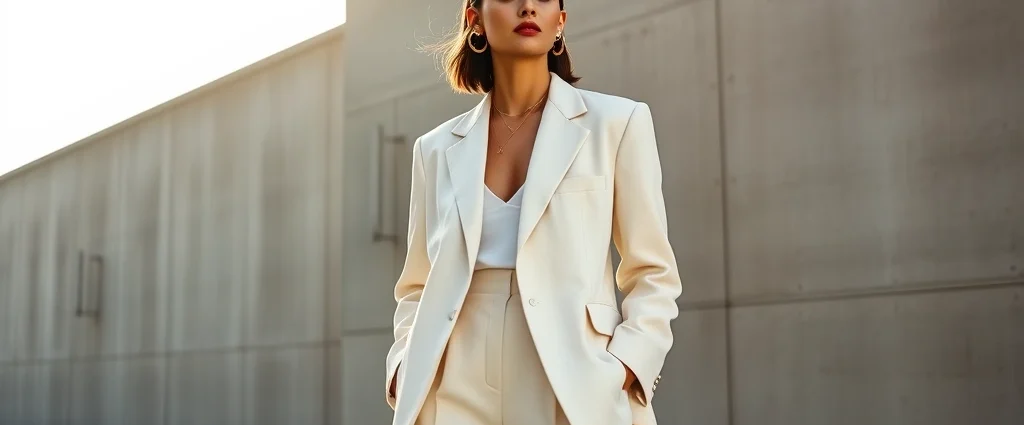
The silhouettes dominating western women’s fashion today represent a departure from rigid dress codes of previous decades. Designers are increasingly offering relaxed fits, oversized proportions, and architectural shapes that prioritize comfort without sacrificing sophistication. This shift reflects broader cultural changes—women’s desire for clothing that works as hard as they do, moving seamlessly from boardroom to evening engagements.
Contemporary designers like those featured in our exploration of Fashion Nova dresses showcase how modern silhouettes celebrate curves and individuality. The maxi dress has evolved from a bohemian staple into a versatile canvas for experimentation. Midi lengths, asymmetrical hemlines, and cut-out details create visual interest while maintaining wearability. Trousers have undergone radical transformation—from skinny jeans dominating the 2010s to wide-leg, high-waisted styles that evoke both power and elegance.
Designers are also revisiting tailoring with fresh perspectives. Sharp blazers with unexpected proportions, cropped jackets paired with high-waisted bottoms, and structured coats that command attention represent the intersection of corporate wear and high fashion. The key trend uniting these pieces is intentionality—each silhouette serves a purpose, whether that’s creating the illusion of longer legs, emphasizing the waistline, or offering freedom of movement.
The influence of 90s fashion cannot be overstated in today’s silhouette landscape. Slip dresses, minimalist slip-ons, and understated elegance have returned with renewed appreciation. This cyclical nature of fashion demonstrates that designers draw from historical references while infusing contemporary sensibilities. Understanding these silhouette trends helps women find your personal style by identifying which proportions and fits align with their body type and lifestyle.
Color Psychology in Contemporary Design
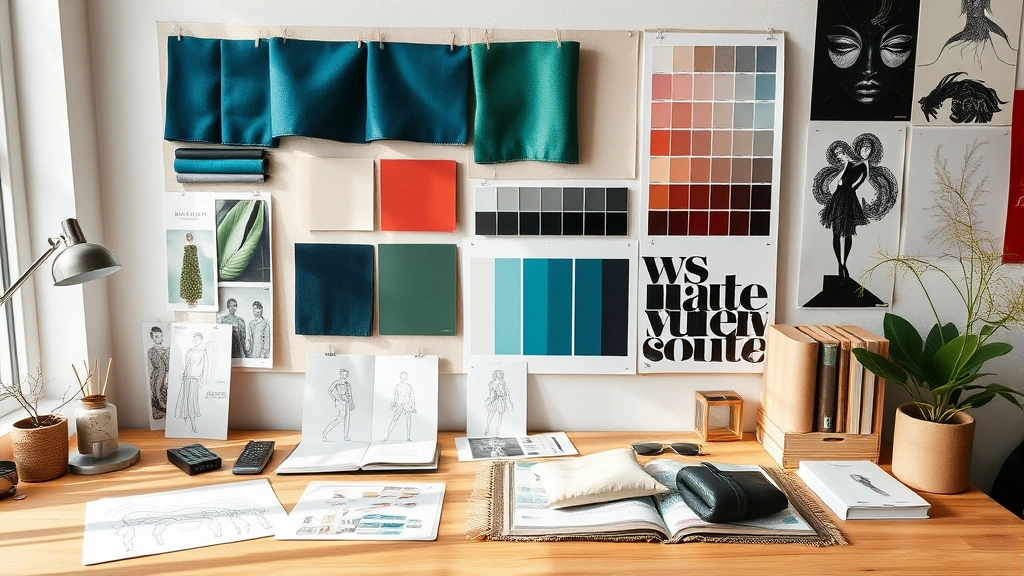
Color selection in western women’s fashion has transcended simple aesthetic preference to become a form of communication and self-expression. Designers strategically employ color psychology to evoke emotions, set moods, and create collections with cohesive narratives. The contemporary palette extends far beyond safe neutrals, embracing jewel tones, unexpected pastels, and bold saturated hues that demand attention.
Pantone’s seasonal color forecasts significantly influence designer collections, with recent years emphasizing earthy tones, moody burgundies, and surprising color combinations that challenge traditional matching rules. Millennial pink, while somewhat dated as a trend, opened doors for designers to experiment with unconventional colors in luxury fashion. Now, we’re seeing rich chocolate browns, deep forest greens, and sophisticated terracotta shades dominating runways.
The resurgence of monochromatic dressing reflects a designer approach that simplifies while sophisticating. Wearing head-to-toe navy, camel, or black creates an elongated silhouette while communicating intentionality and polish. Meanwhile, color blocking—pairing contrasting hues in structured proportions—adds visual interest and demonstrates confidence in fashion choices. Designers like those highlighted in StyleLoom Daily Blog frequently feature color theory as a foundational element in their styling recommendations.
Metallics continue to hold significant presence in designer collections, but with evolved applications. Rather than full lamé gowns, contemporary interpretations feature metallic accents, lurex details in unexpected garments, and holographic elements that catch light dynamically. This approach allows wearers to incorporate shimmer into everyday wardrobes without overwhelming their personal aesthetic.
Sustainable Fashion and Ethical Practices
Perhaps the most significant shift in western women’s fashion is the growing emphasis on sustainability and ethical production. Leading designers now integrate environmental responsibility into their creative processes, recognizing that conscious consumers increasingly prioritize these values. This movement represents a fundamental reimagining of the fashion industry’s relationship with resources, labor, and longevity.
Sustainable fashion doesn’t mean sacrificing style or quality—quite the opposite. Designers working with organic materials, implementing circular economy principles, and partnering with fair-trade manufacturers are producing some of the most innovative and beautiful pieces on the market. Luxury brands are investing in research for lab-grown alternatives to animal products, developing innovative fabrics from waste materials, and creating garments designed for longevity rather than disposability.
The concept of the capsule wardrobe aligns perfectly with sustainable fashion philosophy. Rather than accumulating countless fast-fashion pieces, building a curated collection of high-quality basics and statement items reduces consumption while maximizing outfit combinations. This approach encourages women to discover their personal style through intention rather than impulse, ultimately leading to more authentic fashion choices.
Transparency in supply chains has become a competitive advantage for ethical fashion brands. Designers now proudly communicate where materials originate, who produces their garments, and what environmental certifications their products hold. This shift empowers consumers to make informed decisions aligned with their values, transforming fashion from a purely aesthetic pursuit into a socially conscious choice.
The Power of Accessories and Details
Accessories represent the democratization of western women’s fashion—the ability to transform an outfit’s entire narrative through carefully chosen details. Contemporary designers understand that accessories aren’t afterthoughts but essential components of complete styling. A statement belt can redefine proportions, distinctive jewelry adds personality, and the right handbag elevates an entire ensemble.
The resurgence of mini bags alongside oversized totes demonstrates fashion’s both/and philosophy—there’s no single correct choice, only the choice that serves your specific needs and aesthetic. Designers are experimenting with unexpected bag shapes: rounded silhouettes, structured geometric forms, and sculptural pieces that function as wearable art. Materials range from innovative synthetics to luxurious leathers, offering options across price points and ethical considerations.
Footwear has experienced remarkable evolution, with designers moving beyond heels to celebrate flats, sneakers, and hybrid styles that blur traditional categories. Ballet flats have transitioned from dainty ballet-inspired shoes to sophisticated styles in unexpected materials. Sneakers have infiltrated luxury fashion, with high-end designers collaborating with athletic brands and creating couture sneakers that challenge the casual/formal divide. Boots—particularly knee-high and over-the-knee styles—remain perennial favorites, offering leg-lengthening benefits and versatile styling possibilities.
Jewelry trends reflect the broader shift toward personalization and layering. Delicate chains paired with bold statement pieces, stacked rings, and mismatched earrings create curated complexity. Designers are also exploring sustainable jewelry options, utilizing recycled precious metals and ethically sourced gemstones. Scarves, once relegated to practical purposes, have become dynamic styling tools—worn as headwraps, waist ties, neck accessories, or even incorporated into garments themselves.
Blending Heritage with Modern Aesthetics
Contemporary western women’s fashion increasingly draws inspiration from cultural heritage, historical periods, and global influences, creating collections that feel both timeless and innovative. This approach honors traditional craftsmanship while integrating modern design principles, resulting in garments with depth and storytelling potential.
Understanding fashion history provides crucial context for recognizing these references. The complete fashion history timeline reveals how contemporary trends often echo previous eras with updated sensibilities. Corsetry, for instance, has evolved from restrictive undergarment to intentional fashion statement—designers incorporate corset-inspired elements into dresses and tops, celebrating the silhouette’s power while ensuring comfort and agency.
Maximalism represents another fascinating trend where designers embrace pattern mixing, bold prints, and layered textures that would have seemed chaotic in previous decades. This approach celebrates abundance and individuality, rejecting minimalism’s restraint in favor of expressive, joy-filled fashion. Floral prints, geometric patterns, and abstract designs coexist in single outfits, creating visually stimulating compositions that reflect the complexity of modern life.
Global influences permeate contemporary collections—African textiles inspire color palettes and patterns, Asian design philosophies influence silhouettes and construction techniques, and Latin American craftsmanship celebrates artisanal details. This cross-cultural pollination enriches fashion while raising important questions about cultural appropriation versus appreciation. Ethical designers credit their sources and collaborate directly with artisans, ensuring cultural heritage is honored rather than exploited.
Digital Influence on Fashion Choices
Social media and digital platforms have fundamentally transformed how women engage with western women’s fashion, creating unprecedented access to inspiration while simultaneously creating new pressures and possibilities. Instagram, TikTok, and Pinterest serve as virtual mood boards where women discover styles, learn styling techniques, and connect with like-minded fashion enthusiasts globally.
The rise of fashion influencers and content creators has democratized fashion authority. Rather than relying solely on magazine editors and celebrity stylists, women now learn from diverse voices representing varied body types, budgets, and aesthetic preferences. This accessibility has empowered consumers to develop more authentic personal styles, less dictated by traditional fashion gatekeepers. Micro-influencers and everyday fashion bloggers often resonate more authentically than celebrity endorsers, offering relatable styling solutions for real-world contexts.
Virtual try-on technology and augmented reality applications are revolutionizing online shopping, allowing women to visualize how garments will look before purchasing. This innovation reduces returns, increases confidence in online purchases, and makes fashion more accessible for those unable to visit physical stores. Some luxury brands now offer digital styling consultations, connecting customers with personal stylists through video calls.
Digital platforms also facilitate the secondhand fashion market, enabling women to buy, sell, and trade clothing sustainably. Vintage and pre-owned luxury pieces now reach broader audiences through dedicated apps and websites, extending garment lifecycles while democratizing access to designer fashion. This trend aligns perfectly with sustainability goals and offers budget-conscious fashionistas the opportunity to invest in quality pieces.
Investment Pieces Worth Considering
Building a wardrobe of investment pieces requires understanding which items transcend seasonal trends and provide lasting value. These foundational pieces form the backbone of versatile, sophisticated style. A well-chosen investment piece should be versatile, well-constructed, timeless in design, and aligned with your personal aesthetic and lifestyle.
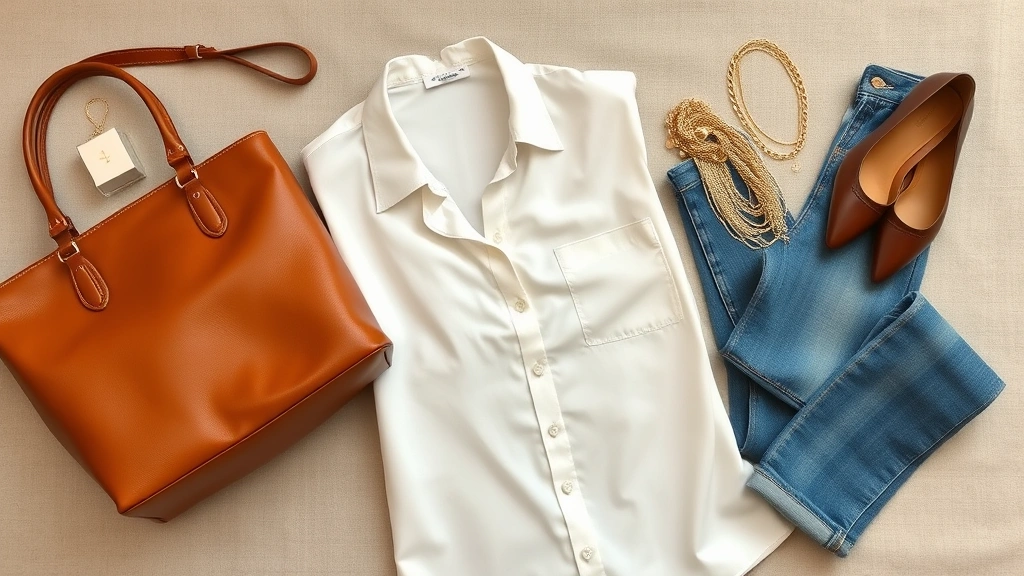
The classic white button-down shirt remains an unparalleled investment—it transitions from business casual to evening wear with simple styling adjustments. Quality matters significantly; opt for structured fabrics, precise tailoring, and thoughtful details like mother-of-pearl buttons. A perfectly fitted blazer in neutral tones offers similar versatility, creating polished silhouettes across countless outfit combinations. These foundational pieces gain value through proper care and strategic layering.
A quality leather handbag in neutral tones serves as a practical investment that ages beautifully. Rather than chasing seasonal bag trends, selecting a timeless shape in classic leather ensures longevity and compatibility with evolving wardrobes. Designers specializing in heritage craftsmanship create bags designed to last decades, with many offering repair services that extend product lifecycles indefinitely.
Denim deserves investment consideration despite its casual reputation. Premium denim from reputable manufacturers offers superior fit, durability, and aesthetic appeal compared to budget alternatives. A perfectly fitting pair of jeans in classic wash transcends seasons and trends, forming the foundation for countless casual outfits. Look for quality construction, natural fibers, and timeless cuts that flatter your proportions.
Footwear investments should prioritize comfort alongside style. Quality leather shoes, whether flats, heels, or boots, improve with age and develop character through wear. Investing in shoes crafted by manufacturers known for comfort innovations ensures wearability alongside aesthetic appeal. Classic styles in neutral tones offer maximum versatility while allowing personalization through styling choices.
For those interested in career progression within the fashion industry, understanding these investment principles proves valuable. Exploring fashion design degree programs provides comprehensive education in construction, material selection, and design principles that underpin quality garment creation.
FAQ
What defines contemporary western women’s fashion trends?
Contemporary trends emphasize individuality, sustainability, and comfort alongside style. Key characteristics include relaxed silhouettes, intentional color choices, investment-quality pieces, and ethical production practices. Modern fashion celebrates diverse body types and personal expression over conformist aesthetics.
How can I identify my personal style within current fashion trends?
Begin by analyzing which trends genuinely excite you versus those you feel pressured to follow. Consider your lifestyle, body type, and values. Explore how to find your personal style through intentional wardrobe building, focusing on pieces that make you feel confident and authentic. Curate inspiration boards reflecting colors, silhouettes, and aesthetics that resonate personally.
Are sustainable fashion options expensive?
Sustainable fashion exists across all price points. While luxury sustainable brands command premium prices, many emerging designers and established brands offer affordable sustainable options. Additionally, investing in quality basics reduces overall consumption and cost-per-wear, making sustainability economically sensible alongside ethically sound.
How do I style current trends for my body type?
Understanding how silhouettes interact with your proportions ensures trends enhance rather than diminish your appearance. Oversized pieces benefit from fitted bottoms, while slim tops pair beautifully with voluminous skirts or pants. Experiment with different proportions to identify what flatters your unique frame and makes you feel confident.
What role does social media play in fashion decisions?
Social media provides inspiration, education, and community around fashion interests. However, maintain critical perspective—not every trend suits every person, and curated social media content doesn’t reflect authentic reality. Use platforms for inspiration while trusting your instincts and personal aesthetic preferences.
Which designer resources help understand current fashion directions?
Fashion publications like Vogue provide authoritative trend forecasting and designer profiles. Business of Fashion offers industry insights and emerging designer coverage. Following individual designer accounts and fashion weeks provides direct access to creative inspiration and upcoming collections.
How do I balance following trends with developing personal style?
Select trends that align with your established aesthetic rather than abandoning personal style for fleeting fashions. Invest in timeless basics and strategically incorporate trendy elements through accessories or statement pieces. This approach ensures your wardrobe feels cohesive while remaining current and engaging.