Western Fashion for Men: Expert Styling Insights
Western fashion for men represents a timeless blend of rugged authenticity and refined sophistication. Whether you’re drawn to classic cowboy aesthetics, contemporary ranch wear, or modern interpretations of western style, mastering this distinctive genre requires understanding its core elements and how to adapt them to your personal wardrobe. This comprehensive guide explores the nuances of western fashion men styling, offering expert insights that elevate your look beyond stereotypes into genuine sartorial excellence.
The appeal of western wear extends far beyond rodeos and rural settings. Today’s fashion-forward men recognize that western style communicates confidence, individuality, and an appreciation for heritage craftsmanship. From boardrooms to casual gatherings, western-inspired pieces create memorable impressions when styled with intention. Understanding how to incorporate these elements into your everyday wardrobe transforms you into a style authority who celebrates both tradition and contemporary trends.
Understanding Western Fashion Fundamentals
Western fashion draws inspiration from American frontier heritage, cowboy culture, and ranch aesthetics. However, contemporary western style transcends historical accuracy to embrace modern sensibilities. The foundation of authentic western wear rests on several key principles: functional design, quality materials, distinctive silhouettes, and intentional ornamentation. These elements work together to create a cohesive aesthetic that feels both grounded in tradition and relevant to current fashion conversations.
The DNA of western fashion emphasizes practicality merged with personality. Historical cowboys needed durable clothing that performed under demanding conditions—hence the prevalence of sturdy denim, leather, and reinforced stitching. Modern interpretations maintain this commitment to quality while introducing contemporary cuts, innovative fabrics, and refined details. When exploring men’s fashion trends 2025, you’ll notice western influences appearing prominently, proving this style remains perpetually relevant.
Understanding the psychology behind western fashion helps you wear it authentically. Western style communicates self-assurance, individualism, and respect for craftsmanship. It appeals to men who value substance over fleeting trends and appreciate the narrative woven into their clothing choices. Whether you’re adopting full western aesthetic or incorporating selective pieces, approaching the style with genuine appreciation rather than ironic detachment ensures your look resonates with authenticity.
Essential Western Pieces for Your Wardrobe
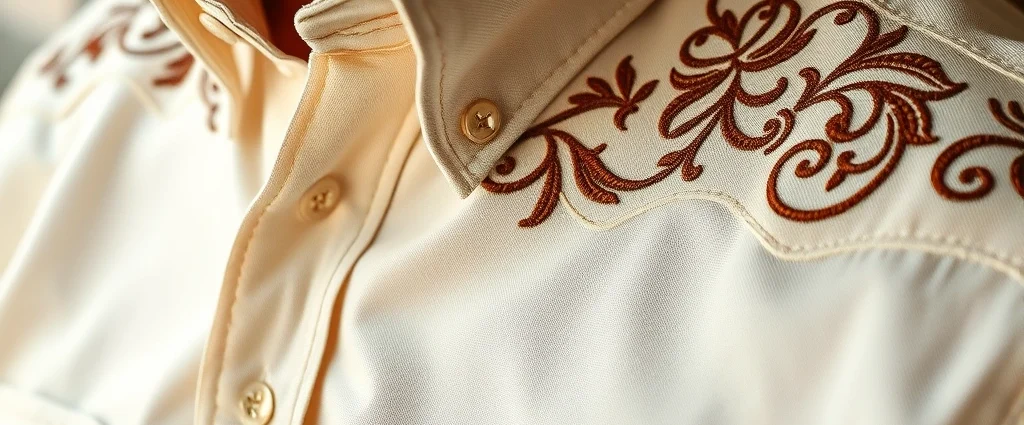
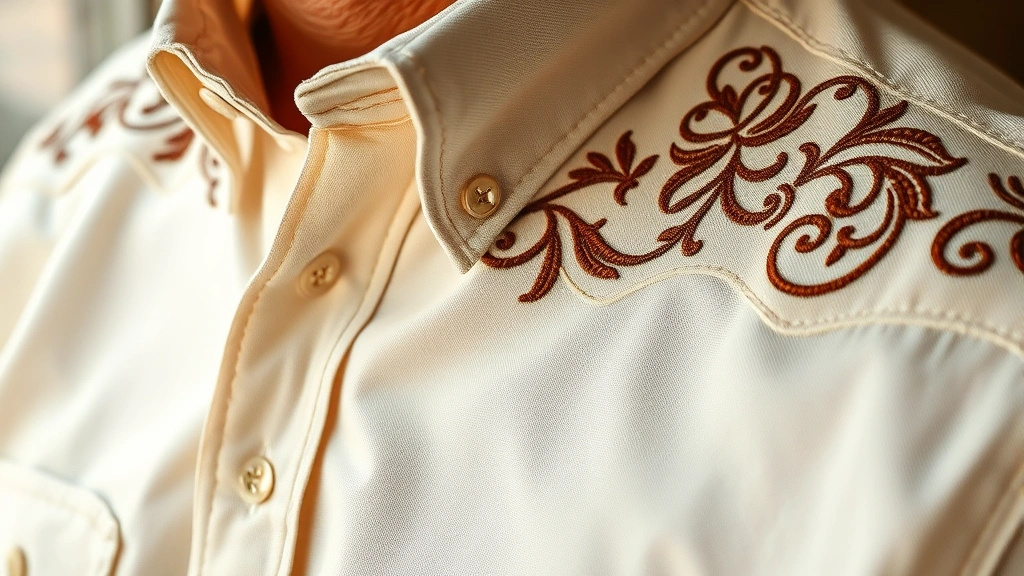
Building a credible western wardrobe begins with foundational pieces that define the aesthetic. The western shirt serves as the cornerstone—characterized by distinctive pearl snaps, exaggerated pointed yokes, and often featuring embroidered or contrasting panels. Unlike standard dress shirts, western shirts embrace bold design elements that celebrate rather than minimize ornamentation. Premium options from heritage brands offer superior construction that justifies investment.
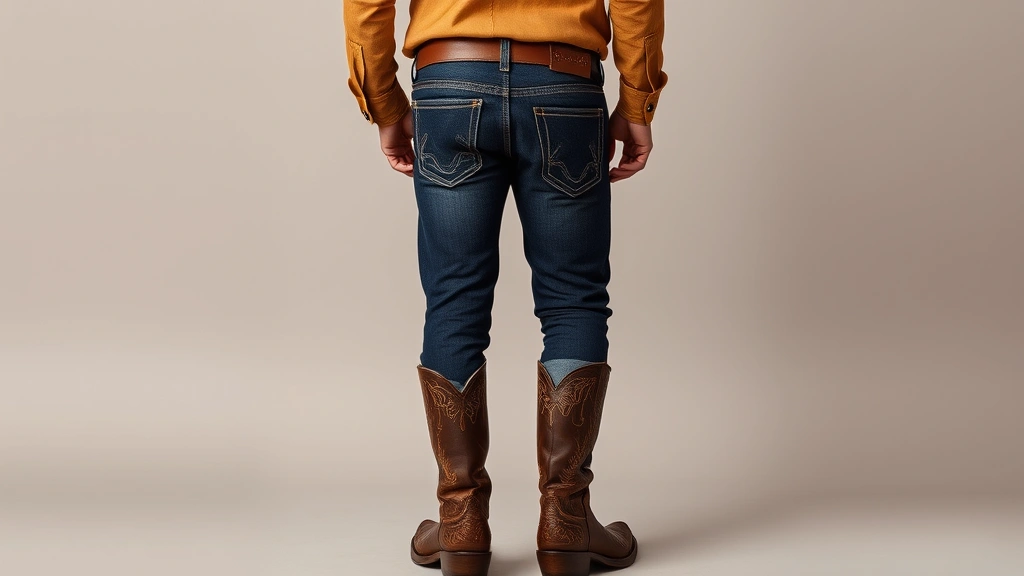
Denim represents another non-negotiable western staple. Western jeans differ from standard denim through specific details: higher rise, straighter legs, and often featuring decorative stitching on back pockets. The fit prioritizes comfort and movement rather than contemporary slim silhouettes. Quality western denim should feel substantial, develop authentic character through wear, and resist rapid fading. Investing in heritage denim brands ensures your jeans become more distinguished with age.
Leather jackets command presence in western styling. The classic western leather jacket features fringe, studded details, and substantial construction that conveys durability and edge. However, modern interpretations often strip away excessive ornamentation for refined minimalism. A well-chosen leather jacket bridges western authenticity and contemporary sophistication, making it perhaps the most versatile piece in your arsenal. Explore how to find your personal style when selecting leather pieces—your choice should feel genuinely aligned with your aesthetic vision.
Western boots represent functional art in this fashion category. Distinct from standard footwear through their stacked heels, decorative stitching, and often elaborate leather tooling, western boots anchor any outfit with unmistakable style. Quality boots improve with age, developing patina and character that reflects your personal journey. Whether you prefer classic tan leather, dramatic black, or richly patterned exotic skins, boots communicate commitment to authentic western styling.
The vest plays an underutilized but powerful role in western fashion. Leather vests, suede options, or denim versions add dimensional layering and emphasize the torso. A well-fitted vest transforms basic combinations into sophisticated statements, proving especially effective during transitional seasons when you need additional warmth without full jacket coverage.
Color Palettes and Material Selection
Successful western fashion relies on deliberate color choices that honor tradition while maintaining contemporary relevance. Earth tones dominate authentic western palettes: warm tans, rich browns, deep blacks, and weathered grays. These colors reference the natural landscape of the American West while providing neutral foundations that allow statement pieces to shine. Creams and off-whites add lightness without sacrificing authenticity.
Jewel tones introduce visual interest when applied strategically. Deep burgundy, forest green, and navy blue work beautifully in western styling, particularly in shirt selections or vest options. These colors add sophistication while remaining grounded in the aesthetic. Avoid overly bright or neon hues that clash with western sensibilities—the style celebrates richness rather than vibrancy.
Material selection profoundly influences how western pieces perform and age. Genuine leather develops character through wear, becoming softer and more beautiful over time. Quality denim from heritage mills offers superior longevity and aesthetic development compared to mass-produced alternatives. Cotton and cotton-blend fabrics in western shirts breathe well while maintaining structural integrity. Suede and exotic leather options elevate pieces into luxury territory, though they require greater maintenance commitment.
Understanding fabric weight matters significantly in western styling. Heavier materials convey durability and substance, aligning perfectly with western values. Lightweight fabrics can work in warm climates but should maintain visual density through texture or pattern rather than feeling insubstantial. The tactile quality of your clothing reinforces the narrative you’re communicating through your style choices.
When building your wardrobe, prioritize quality over quantity. A single exceptional piece worn frequently creates stronger style impact than numerous mediocre items. Investing in heritage brands and artisanal makers ensures your western pieces become treasured wardrobe foundations rather than disposable fashion.
Styling Western Wear for Different Occasions
Western fashion’s versatility extends across numerous contexts when you approach styling strategically. For casual environments, combine a classic western shirt with well-fitted jeans and leather boots. This foundational combination communicates style awareness without appearing overdressed. Layer with a denim or leather vest for dimensional sophistication. Add a simple watch and quality belt to complete the look—these accessories signal attention to detail.
Business-casual settings accommodate western styling through refined interpretation. Choose neutral-colored western shirts in premium fabrics, pair with tailored western jeans or even dress pants in solid colors, and select boots with minimal embellishment. A structured leather jacket elevates the ensemble while maintaining professional appropriateness. This approach proves particularly effective in creative industries or entrepreneurial environments where individual style expression carries weight.
Social events and evening occasions invite bolder western statements. Select western shirts with decorative elements—embroidered details, contrasting yokes, or pattern combinations. Pair with black jeans or dress pants featuring subtle western elements. Ornate boots with interesting leather work or tooling details become focal points. A statement belt with distinctive buckle adds personality without crossing into costume territory.
Seasonal considerations shape how you approach western styling. During warmer months, lighter-colored western shirts in breathable fabrics prevent overheating while maintaining aesthetic coherence. Layer strategically during cooler seasons with leather jackets, vests, and long sleeves. Discover more about seasonal styling through our fall fashion trends 2025 guide, which explores how to adapt western elements to seasonal requirements.
The key to occasion-appropriate western styling lies in adjusting ornamentation levels rather than abandoning the aesthetic entirely. Conservative settings call for minimalist western interpretation, while creative or social environments permit greater embellishment. This flexibility makes western fashion remarkably adaptable to diverse lifestyle contexts.
Accessories That Define Western Style
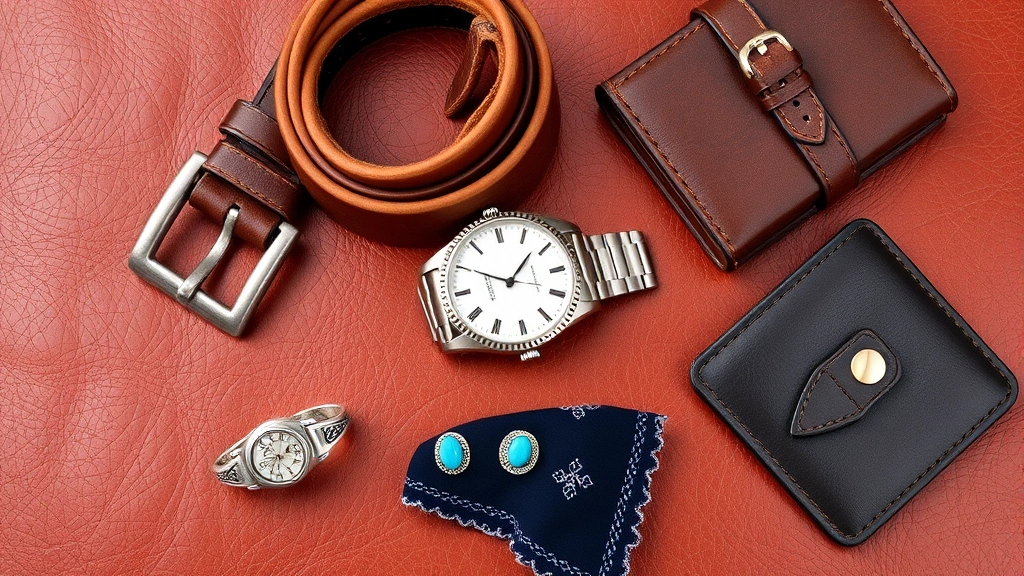
Accessories transform basic western pieces into refined personal statements. The belt ranks among the most important accessories—western belts feature distinctive buckles ranging from understated geometric designs to elaborate sculptural pieces. Leather quality matters tremendously; premium hides develop patina and character that budget options never achieve. Your belt should coordinate with your boots, creating visual continuity through the lower half of your outfit.
Hats command attention in western fashion, though modern styling permits greater flexibility than historical tradition. Classic Stetson and Resistol styles remain iconic, but contemporary interpretations offer diverse options. A well-chosen hat communicates confidence while protecting from sun exposure. If you’re new to hat wearing, start with neutral colors and classic proportions before experimenting with bolder options. Quality felt or straw construction ensures your investment appreciates over time.
Jewelry introduces personality into western outfits when selected thoughtfully. Turquoise and silver combinations honor southwestern traditions while adding visual interest. Avoid excessive ornamentation—a quality watch, simple rings, or a distinctive necklace suffices. Western styling celebrates craftsmanship, so prioritize pieces featuring genuine materials and excellent construction over costume jewelry.
Bandanas, kerchiefs, and scarves add texture and color to western ensembles. A silk bandana around the neck introduces pattern and personality while maintaining practical function. Pocket squares in complementary colors or patterns elevate casual outfits toward sophistication. These subtle accessories demonstrate styling awareness without overwhelming your overall appearance.
Bags and carriers complete western looks while serving practical purposes. Leather messenger bags, quality backpacks, or simple holdalls should reflect the craftsmanship evident in your clothing. Avoid overly trendy or logo-heavy options that clash with western aesthetics. A well-chosen bag becomes a trusted companion that improves with age and use.
Modern Interpretations and Trend Integration
Contemporary fashion increasingly embraces western influences, proving this style’s enduring relevance. High-fashion designers regularly reference western aesthetics in runway collections, validating the style for broader audiences. According to Vogue, western elements continue influencing luxury fashion through unexpected applications and refined reinterpretations. This mainstream recognition means incorporating western pieces into modern wardrobes feels current rather than costume-like.
Modern western styling emphasizes restraint and intentionality over historical accuracy. Mixing western pieces with contemporary silhouettes creates compelling tension that feels fresh and personal. Pair a classic western shirt with minimalist black pants and modern sneakers for unexpected contrast. Layer a leather western vest over contemporary hoodies or sweaters. This approach honors western heritage while demonstrating sophisticated style sensibility.
The rise of contemporary fashion conversations increasingly includes western influences as designers recognize the style’s emotional resonance. Men seeking distinctive personal style find western fashion offers genuine differentiation in oversaturated fashion landscapes. Rather than following generic trends, western styling allows you to express individuality grounded in authentic aesthetic tradition.
Sustainability aligns naturally with western fashion philosophy. The style celebrates durability, quality, and pieces that improve with age—principles fundamentally opposed to fast fashion culture. Investing in heritage western brands supports craftspeople maintaining traditional techniques while acquiring clothing that transcends seasonal trends. This conscious approach to style consumption reflects evolved fashion awareness.
Exploring how Esquire covers men’s style reveals consistent appreciation for western influences among style authorities. Premium publications recognize western fashion’s ability to communicate authenticity and confidence—qualities increasingly valued in contemporary culture. By embracing western styling, you align yourself with meaningful fashion conversations rather than disposable trend cycles.
The future of western fashion for men points toward greater integration with contemporary aesthetics. Expect to see heritage western brands collaborating with contemporary designers, innovative fabric technologies applied to traditional silhouettes, and broader mainstream acceptance of western styling across diverse contexts. Early adopters who develop genuine expertise in western fashion will find themselves positioned as style authorities as the aesthetic gains momentum.
Your journey toward mastering western fashion men styling represents investment in authentic self-expression. Rather than chasing fleeting trends, you’re engaging with an aesthetic rooted in genuine heritage and meaningful values. Quality materials, thoughtful construction, and intentional styling choices create wardrobes that transcend seasons and years, becoming trusted companions throughout your life.
FAQ
What makes western fashion different from standard men’s clothing?
Western fashion distinguishes itself through distinctive design elements: pearl snaps instead of buttons, exaggerated yokes on shirts, higher-rise and straighter-leg denim, stacked-heel boots with decorative stitching, and ornamental details celebrating craftsmanship. These features communicate heritage and individuality while emphasizing durability and functional design.
Can I wear western fashion in professional settings?
Absolutely. Western styling adapts beautifully to business-casual and creative professional environments. Choose neutral-colored pieces in premium fabrics, minimize embellishment, and pair with tailored elements. A refined western shirt with black jeans and minimal-detail boots creates professional impressions while expressing personal style.
How should I start building a western wardrobe?
Begin with essential foundations: one quality western shirt in a neutral color, premium denim jeans, leather boots you genuinely love, and a versatile leather jacket. Add pieces gradually as your style preferences clarify. Prioritize quality over quantity—fewer exceptional pieces create stronger impact than numerous mediocre items.
What brands represent authentic western fashion?
Heritage brands like Wrangler, Justin Boots, Stetson, and Resistol maintain traditional craftsmanship standards. Contemporary options like Tecovas modernize western styling while respecting authentic construction. Research brands aligning with your budget and aesthetic preferences—genuine western fashion exists across diverse price points.
How do I avoid looking like I’m wearing a costume?
Approach western styling with genuine appreciation rather than irony. Select pieces that resonate authentically with your personal style rather than adopting every element. Mix western pieces with contemporary items, keep ornamentation intentional rather than excessive, and wear your selections with confidence. Authenticity transcends costume.
Can younger men wear western fashion successfully?
Western fashion appeals across age groups when styled appropriately. Younger men often succeed by mixing western pieces with contemporary silhouettes—pairing a classic western shirt with modern jeans and sneakers, for example. This approach honors western heritage while communicating contemporary style awareness.
What’s the best way to care for western clothing?
Treat western pieces as investments warranting proper maintenance. Follow care instructions on premium items; quality leather improves with appropriate conditioning, denim develops character through selective washing, and boots benefit from regular cleaning and conditioning. Proper care ensures your pieces appreciate rather than depreciate over time.