Victorian Gothic Fashion: Expert Styling Guide
Victorian Gothic fashion represents one of the most captivating and dramatic style movements in history, blending the elegance of the Victorian era with the dark, mysterious allure of Gothic aesthetics. This distinctive fashion genre has experienced a remarkable resurgence in recent years, captivating modern style enthusiasts who seek to express their individuality through bold, unconventional clothing choices. Whether you’re drawn to the romantic melancholy of this aesthetic or simply intrigued by its theatrical appeal, understanding the nuances of Victorian Gothic fashion opens doors to a world of sophisticated self-expression.
The beauty of Victorian Gothic fashion lies in its ability to transform everyday wear into wearable art. By combining structured silhouettes, luxurious fabrics, and symbolic accessories, anyone can master this compelling style. This comprehensive guide will walk you through the essential elements, styling techniques, and expert tips needed to create authentic Victorian Gothic outfits that turn heads and express your unique personality.
Understanding Victorian Gothic Fashion Roots
Victorian Gothic fashion emerged from the convergence of two powerful cultural movements: the strict, refined aesthetics of the Victorian era (1837-1901) and the rebellious, dark romanticism of Gothic subculture. The Victorian period was characterized by rigid social structures, elaborate clothing codes, and an obsession with modesty and propriety. Simultaneously, Gothic literature and art were exploring themes of darkness, mystery, and the supernatural, creating a fascinating tension that would eventually inspire a unique fashion movement.
The origins of this style can be traced back to the Victorian period itself, when wealthy individuals began incorporating darker elements into their formal wear as a subtle form of rebellion. Black mourning clothes, which were mandatory for extended periods following death, paradoxically became symbols of elegance and sophistication. This cultural phenomenon laid the groundwork for what would eventually become Victorian Gothic fashion as we know it today.
Understanding how to find your personal style is crucial when exploring Victorian Gothic aesthetics, as this fashion requires genuine connection to its philosophical underpinnings. The movement truly gained momentum during the 1980s and 1990s, when Goth subculture embraced Victorian elements, creating a hybrid aesthetic that merged historical accuracy with contemporary darkness. Today, Victorian Gothic fashion continues to evolve, attracting everyone from history enthusiasts to avant-garde fashion lovers.
Essential Clothing Pieces and Silhouettes
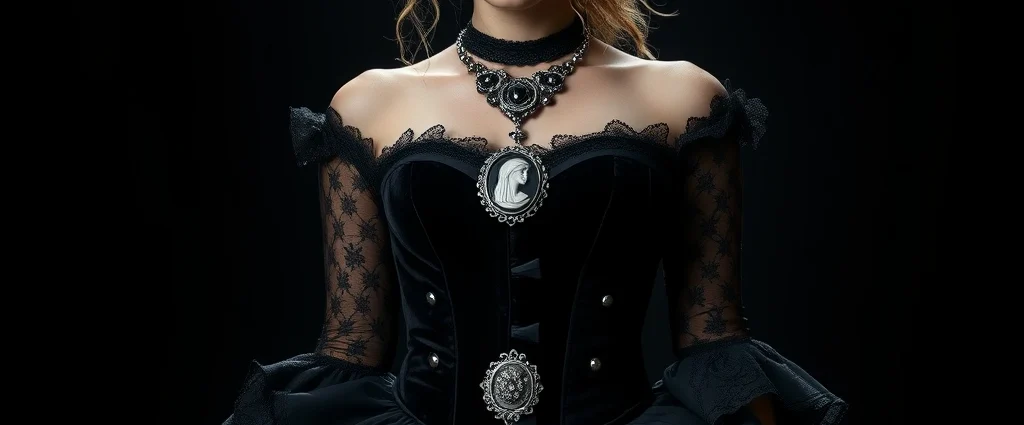
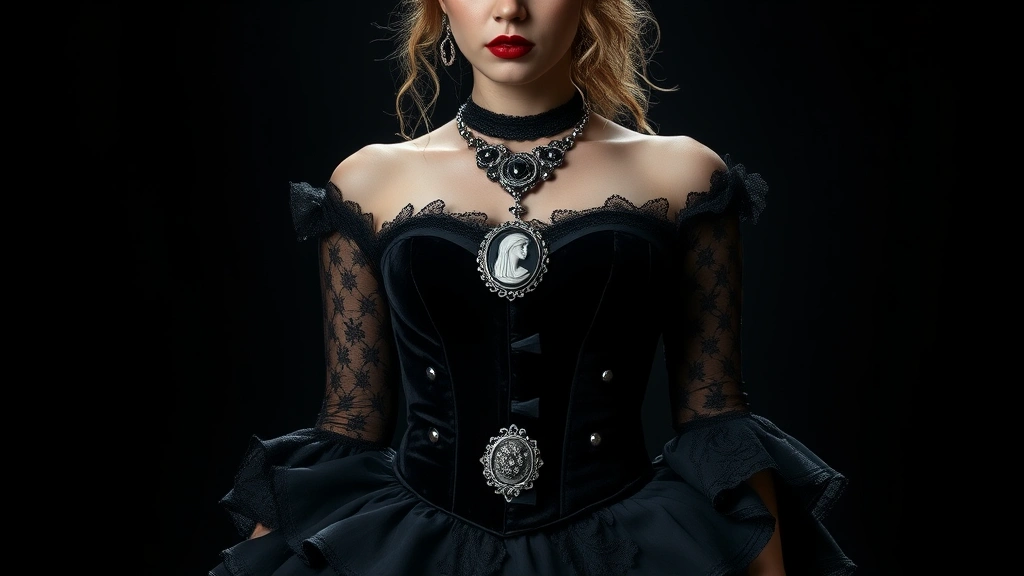
The foundation of any Victorian Gothic wardrobe rests on understanding the essential pieces that define this aesthetic. The most iconic garment is undoubtedly the Victorian corset, which cinches the waist and creates the dramatic hourglass silhouette central to this style. Unlike modern corsets worn purely for aesthetic purposes, historically accurate Victorian corsets were constructed with steel boning and created an exaggerated shape that conveyed both power and femininity.
Long skirts form another cornerstone of Victorian Gothic fashion. These skirts typically feature high waistbands and fall to the ankle, often incorporating layers, ruffles, or asymmetrical hemlines that add movement and drama. Velvet, taffeta, and brocade fabrics are particularly favored for their luxurious appearance and ability to create volume. Many enthusiasts layer multiple skirts to achieve the desired silhouette, creating depth and visual interest.
Structured jackets and bodices provide essential layering options for Victorian Gothic outfits. Victorian-inspired blazers with tailored waists, ornate buttons, and dramatic lapels can instantly elevate any ensemble. Corset-style vests worn over long-sleeved shirts create an authentically Victorian look while allowing for modern comfort and practicality. The key is balancing historical accuracy with wearability for contemporary life.
Long-sleeved shirts, particularly those featuring high necklines and intricate detailing, serve as the perfect base layer for Victorian Gothic outfits. Lace sleeves, puffed shoulders, and ruffled cuffs add romantic details that soften the overall darkness of the aesthetic. Many modern interpretations incorporate sheer fabrics that reveal glimpses of skin while maintaining the modest Victorian ideal.
Layering is absolutely essential to mastering Victorian Gothic fashion. The most successful outfits combine multiple pieces in complementary textures and silhouettes. A typical ensemble might include a corset, long skirt, jacket, and numerous accessories, all working together to create a cohesive, theatrical appearance.
Color Palettes and Fabric Selection
While black reigns supreme in Victorian Gothic fashion, the color palette extends far beyond monochrome aesthetics. Deep jewel tones like emerald green, sapphire blue, and burgundy add richness and sophistication to outfits while maintaining the dark, mysterious atmosphere. These colors evoke Victorian opulence while embracing Gothic darkness simultaneously.
Purple holds special significance in Victorian Gothic fashion, representing both royalty and the supernatural. Deep plum and eggplant shades create dramatic silhouettes that feel both historical and contemporary. Burgundy and wine tones offer warmth while maintaining the aesthetic’s inherent darkness and elegance.
Black remains the primary color because it provides the perfect canvas for layering, allows dramatic accessories to stand out, and embodies the Gothic philosophy of embracing darkness. However, incorporating accent colors through accessories, jewelry, and smaller garments prevents outfits from feeling one-dimensional or oppressive.
Fabric selection dramatically impacts the success of your Victorian Gothic look. Velvet is perhaps the most quintessentially Victorian Gothic fabric, offering luxurious texture and natural drape. Crushed velvet in particular creates visual depth and movement. Lace provides delicate detailing that adds romantic elements without compromising the dark aesthetic. Vintage lace overlays, lace sleeves, and lace trim transform basic garments into showstopping pieces.
Taffeta and silk create that distinctive rustle and movement associated with Victorian dress. These fabrics hold shape beautifully and create the volume necessary for authentic silhouettes. Brocade and damask fabrics feature ornate patterns that add visual interest and historical authenticity. Linen and cotton provide breathable options for underpinnings and base layers.
Don’t overlook the importance of fabric weight and quality. Victorian Gothic fashion benefits from substantial, high-quality materials that drape elegantly and withstand the demands of layered outfits. Investing in quality fabrics ensures your pieces maintain their shape and appearance over time.
Accessories That Define the Look
Accessories are absolutely crucial to completing an authentic Victorian Gothic ensemble. They provide opportunities to express personality while maintaining historical accuracy. Jewelry should feature ornate, detailed designs with Gothic or Victorian inspirations. Silver, pewter, and antique gold finishes work beautifully, often incorporating symbols like crosses, skulls, roses, or cameos.
Statement necklaces featuring chokers, cameos, or lockets draw attention to the face and décolletage. Long pendant necklaces create vertical lines that elongate the silhouette. Layering multiple necklaces of varying lengths adds dimension and visual interest. Remember that Victorian fashion often featured multiple layers of jewelry, so don’t hesitate to combine different pieces.
Rings deserve special attention in Victorian Gothic styling. Stack multiple ornate rings on different fingers, featuring gemstones, filigree work, or Gothic symbols. Vintage-inspired cocktail rings make powerful statements, while delicate bands can be layered for subtle elegance. Bracelets and cuffs add wrist interest, particularly when visible beneath short sleeves or sheer overlays.
Hats and headpieces elevate Victorian Gothic outfits to theatrical heights. Top hats, fascinators adorned with feathers or lace, and ornate headbands create dramatic focal points. Victorian bonnets with gothic modifications offer historical authenticity while maintaining modern appeal. Hair accessories like vintage combs, ornate clips, and decorative pins add finishing touches.
Footwear significantly impacts the overall aesthetic. Victorian-style boots with laces, buckles, and ornate heels create authentic silhouettes while providing practical footwear for daily wear. Mary Jane shoes with ankle straps offer a more delicate option. Platform boots add dramatic height and contemporary flair while maintaining historical inspiration.
Bags and purses should reflect the ornate, detailed nature of the overall look. Small beaded evening bags, ornate clutches, and vintage-inspired reticules work beautifully. Consider bags featuring Gothic symbols, lace overlays, or rich jewel-toned fabrics that complement your outfit.
Shawls, capes, and cloaks add theatrical drama while providing practical layering options. A black velvet cape instantly transforms any outfit into something truly Gothic and Victorian. Lace shawls draped over shoulders create romantic, mysterious vibes. These layering pieces allow you to adjust your look’s drama level based on the occasion and your mood.
Makeup and Styling Techniques
Makeup in Victorian Gothic fashion walks a delicate line between historical accuracy and contemporary aesthetics. Victorian women favored pale complexions, which represented wealth and leisure time spent indoors. Achieve this look with foundation several shades lighter than your natural skin tone, or use primer and powder to create a matte, porcelain-like finish.
Eyes are where Victorian Gothic makeup truly shines. Dramatic, heavily lined eyes create the mysterious, intense gaze central to this aesthetic. Apply black or dark brown eyeliner generously to both upper and lower lids, extending slightly outward for a subtle cat-eye effect. Victorian women favored kohl-lined eyes, which you can recreate with modern kohl pencils or liquid eyeliner.
Eyeshadow should feature deep, dramatic colors—charcoal, plum, emerald, or burgundy—applied to create depth and dimension. Blend these shades to create smoky effects that enhance the mysterious quality. Victorian women didn’t use eyeshadow in the modern sense, but contemporary Gothic interpretations embrace dramatic eye makeup as a form of artistic expression.
Lips should feature bold, dark colors—deep burgundy, wine, or black—that create striking contrast against pale skin. Matte finishes offer a more dramatic, historical appearance than glossy versions. Define lips carefully with dark lip liner to create precise, elegant shapes.
For hair styling, Victorian Gothic fashion offers numerous options. Elaborate updos with intricate braiding, twists, and ornate pins create authentic historical looks. Sleek, center-parted styles pulled into low buns or ponytails offer sophisticated simplicity. Voluminous waves and curls add romance and drama. Many enthusiasts incorporate hairpieces, extensions, or wigs to achieve desired volume and length.
Hair color should complement your overall aesthetic. Black or very dark brown hair feels authentically Gothic, while deep burgundy, midnight blue, or dark purple add contemporary flair while maintaining the dark aesthetic. Pale blonde or silver hair can work beautifully when styled with dark makeup and clothing.
Perfume selection adds another sensory dimension to your Victorian Gothic presentation. Scents featuring dark florals, musk, incense, or vanilla create atmosphere. Historical fragrances or gothic-inspired scents enhance the overall experience of wearing this aesthetic.
Creating Complete Outfits
Building successful Victorian Gothic outfits requires understanding how to balance different elements into cohesive ensembles. Start with a base layer—typically a long-sleeved shirt or corset top in black, deep purple, or jewel tones. This foundation sets the tone for everything else you add.
Add your main silhouette piece next, usually a long skirt, corset, or structured jacket. This is where you establish the dramatic proportions central to this aesthetic. Ensure this piece features quality fabric and excellent construction to maintain its shape throughout the day.
Incorporate layering pieces that add depth and visual interest. A velvet jacket, lace overlay, or ornate vest transforms a basic outfit into something theatrical and compelling. These middle layers are where you can play with contrasting textures and subtle color variations.
Add accessories strategically to avoid overwhelming the outfit. Choose 3-5 statement pieces that work together cohesively. If your outfit features dramatic jewelry, keep footwear simpler. If your clothing incorporates intricate details, let them speak by minimizing accessory clutter.
Consider the occasion when styling your outfit. Everyday Victorian Gothic looks might incorporate one or two statement pieces with otherwise simpler clothing. Evening or special event looks can embrace full theatrical drama with multiple layers, ornate accessories, and elaborate styling. Professional settings might call for more subdued interpretations that hint at Gothic aesthetics without overwhelming traditional dress codes.
Test your outfit combinations before committing to them for important occasions. Photograph different combinations to see how they photograph and how they feel when worn. Pay attention to how pieces move, how comfortable you feel, and whether the overall effect matches your vision.
Modern Victorian Gothic Fashion Trends
Contemporary Victorian Gothic fashion continues to evolve, incorporating modern elements while respecting historical inspiration. Current trends emphasize sustainable fashion and vintage sourcing, with many enthusiasts shopping vintage stores and thrift shops for authentic period pieces or quality garments that can be modified.
The intersection of Victorian Gothic and streetwear creates interesting hybrid aesthetics. Designers are incorporating Gothic elements into contemporary silhouettes, creating pieces that honor the aesthetic while remaining practical for modern life. Explore Fashion Nova dresses and contemporary collections to see how modern designers interpret Gothic-inspired looks.
Gender-neutral Victorian Gothic fashion represents another exciting modern development. This aesthetic transcends traditional gender presentations, with people of all genders embracing corsets, dramatic makeup, and theatrical styling. This democratization makes the aesthetic more accessible and allows for personal interpretation.
Digital fashion and social media have dramatically impacted Victorian Gothic fashion trends. Platforms like Instagram and TikTok showcase innovative styling ideas, connecting enthusiasts globally and inspiring new interpretations. Many contemporary designers draw inspiration from these online communities when creating new collections.
Sustainability has become increasingly important in Victorian Gothic fashion communities. Upcycling vintage pieces, investing in quality garments meant to last, and shopping secondhand align with both the aesthetic’s historical nature and contemporary environmental consciousness. Explore StyleLoom Daily Blog for inspiration on sustainable fashion practices.
The influence of high fashion on Victorian Gothic aesthetics cannot be overstated. Luxury designers regularly incorporate Gothic elements and Victorian silhouettes into runway collections. Resources like Vogue showcase how high fashion interprets these themes, providing inspiration for personal styling.
Contemporary interpretations increasingly embrace color experimentation beyond traditional black. Deep jewel tones, metallics, and even pastels reimagined in Gothic contexts create fresh takes on the aesthetic. This trend allows for greater personal expression while maintaining the core Gothic philosophy.
Understanding fashion influencers who specialize in Gothic aesthetics provides valuable insight into current trends and styling techniques. Many influencers document their styling journeys, offering practical tips and creative inspiration for those developing their Victorian Gothic style.
The rise of digital fashion and virtual styling has opened new possibilities for experimenting with Victorian Gothic looks. Virtual try-on tools and digital fashion communities allow people to explore the aesthetic before committing to physical purchases, making this style more accessible to newcomers.
For those interested in the broader context of fashion history and theory, fashion design degree programs offer comprehensive education in style development and historical inspiration. Many fashion professionals draw from Victorian Gothic aesthetics when creating contemporary collections.
Exploring 90s fashion trends reveals important intersections with Victorian Gothic aesthetics, as the 1990s saw significant Gothic subculture influence on mainstream fashion. Understanding these connections helps contextualize how Victorian Gothic elements have been incorporated into contemporary style.
Professional stylists increasingly work with clients interested in Victorian Gothic fashion, helping them navigate the aesthetic’s complexities and create personalized looks that feel authentic to their vision. Consulting with styling professionals can accelerate your journey toward mastering this distinctive aesthetic.
FAQ
What’s the difference between Victorian fashion and Victorian Gothic fashion?
Victorian fashion refers to the historical clothing styles worn during the Victorian era (1837-1901), characterized by strict social codes, modest silhouettes, and ornate details. Victorian Gothic fashion is a contemporary aesthetic that blends Victorian historical elements with Gothic subculture influences, emphasizing darkness, mystery, and theatrical drama. While Victorian fashion was simply what people wore, Victorian Gothic fashion is a deliberate style choice that reinterprets historical inspiration through a modern, artistic lens.
Can I wear Victorian Gothic fashion to work?
Absolutely! The key is adapting the aesthetic to your professional environment. Choose simpler silhouettes, neutral colors like black or deep gray, and minimal statement accessories. A well-tailored black dress with subtle Victorian details, paired with professional footwear and understated jewelry, maintains the aesthetic while remaining workplace-appropriate. Many professionals successfully incorporate Gothic elements into their work wardrobes through jewelry, accessories, and makeup rather than full theatrical outfits.
Is Victorian Gothic fashion only for people who identify with Goth subculture?
Not at all! While Victorian Gothic fashion emerged from Goth subculture, it has evolved into a broader aesthetic appreciated by history enthusiasts, fashion lovers, artists, and anyone drawn to its dramatic beauty. You don’t need to identify with any particular subculture to appreciate and wear this style. Many people simply love the aesthetic qualities and historical inspiration.
Where can I find authentic Victorian Gothic clothing?
Vintage and thrift stores offer authentic historical pieces that can be incorporated into contemporary outfits. Specialized online retailers focus specifically on Gothic and Victorian-inspired fashion. Custom seamstresses can create bespoke pieces tailored to your exact specifications. Contemporary fashion designers increasingly offer Gothic-inspired collections. Combining pieces from multiple sources often creates the most unique and personalized looks.
How do I start building a Victorian Gothic wardrobe on a budget?
Begin with essential basics—a black corset top, long black skirt, and white long-sleeved shirt form the foundation for numerous outfits. Shop vintage and thrift stores for unique pieces at affordable prices. Focus on building versatile basics first, then gradually add statement accessories and specialty items. Learn basic sewing or alterations to modify existing pieces. Invest in quality basics that work with multiple outfits rather than numerous single-use pieces.
Can men wear Victorian Gothic fashion?
Absolutely! Victorian Gothic fashion transcends gender, with many men embracing this aesthetic through tailored jackets, dramatic accessories, bold makeup, and theatrical styling. Historical Victorian fashion included distinctive men’s clothing that can be reinterpreted through a Gothic lens. The contemporary fashion world increasingly celebrates gender-neutral and non-conforming approaches to style.
How do I balance Victorian Gothic fashion with modern practicality?
Adapt silhouettes and fabrics for functionality while maintaining aesthetic integrity. Choose structured but breathable fabrics for everyday wear. Opt for modern footwear that complements historical silhouettes. Streamline accessories for practical situations. Many contemporary interpretations successfully blend historical inspiration with modern comfort and practicality, proving that beauty and functionality aren’t mutually exclusive.