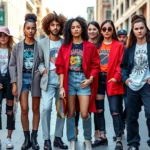
How to Rock Punk Fashion: Expert Insights
Punk fashion isn’t merely about wearing torn clothing or adopting an edgy aesthetic—it’s a powerful statement of rebellion, individuality, and cultural resistance that has defined generations since the 1970s. Whether you’re drawn to the raw energy of the Sex Pistols era or the modern interpretations seen on today’s runways, understanding how to authentically rock punk fashion requires more than surface-level styling. It demands knowledge of the movement’s rich history, its core philosophy, and the technical elements that transform a casual outfit into a genuine punk statement.
The beauty of punk fashion lies in its paradoxical nature: while it emerged as an anti-establishment movement rejecting mainstream fashion conventions, it has paradoxically become one of the most influential style movements in history. Today, incorporating punk elements into your wardrobe isn’t about being a walking cliché—it’s about understanding the nuances that separate authentic punk styling from costume-like attempts. This comprehensive guide draws from fashion industry experts, trend forecasters, and style authorities to help you navigate the world of punk fashion with confidence and credibility.
The Philosophy Behind Punk Fashion
To truly rock punk fashion style, you must first understand its ideological foundation. Punk emerged in the mid-1970s as a cultural rebellion against commercialism, conformity, and the polished aesthetics of mainstream fashion. Designers like Vivienne Westwood and Malcolm McLaren, who operated the legendary Sex boutique on London’s King’s Road, weaponized fashion as a tool for social commentary and youth empowerment. Their designs weren’t created to flatter; they were designed to provoke, challenge, and disrupt.
The punk philosophy emphasizes authenticity over perfection, DIY ethics over mass production, and personal expression over trend-following. When you wear punk fashion, you’re not simply adopting a look—you’re participating in a tradition of questioning authority and celebrating individuality. This mindset should inform every styling choice you make, from how you customize your garments to which pieces you choose to emphasize.
According to fashion historians and trend experts at Vogue, punk’s influence on contemporary fashion remains unparalleled. The movement’s emphasis on subversion and authenticity continues to inspire designers across luxury and streetwear sectors. Understanding this philosophical foundation will help you distinguish between genuine punk styling and superficial appropriation of the aesthetic.
Essential Punk Wardrobe Staples
Building an authentic punk wardrobe begins with understanding the core pieces that define the aesthetic. These aren’t trend-dependent items that will fall out of fashion next season; they’re foundational elements that have remained relevant for decades. The pop culture fashion landscape continues to celebrate these timeless pieces as essential components of modern style.
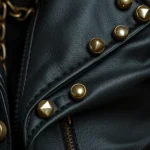
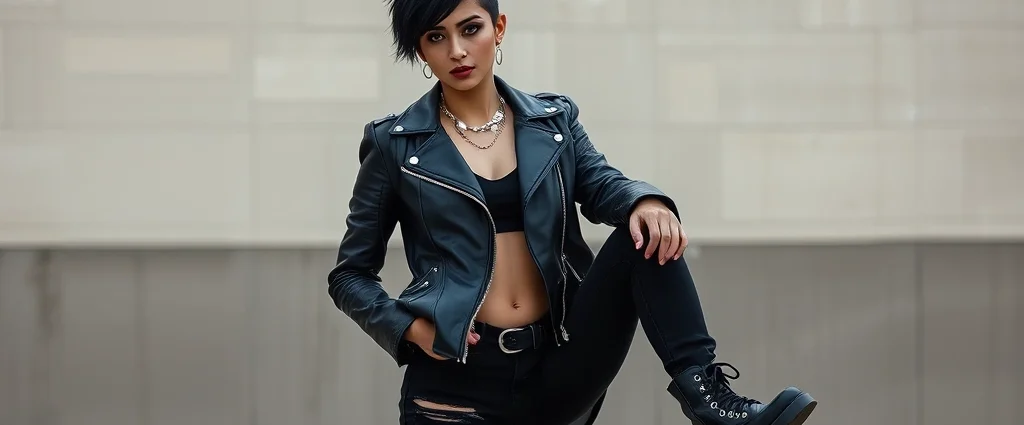
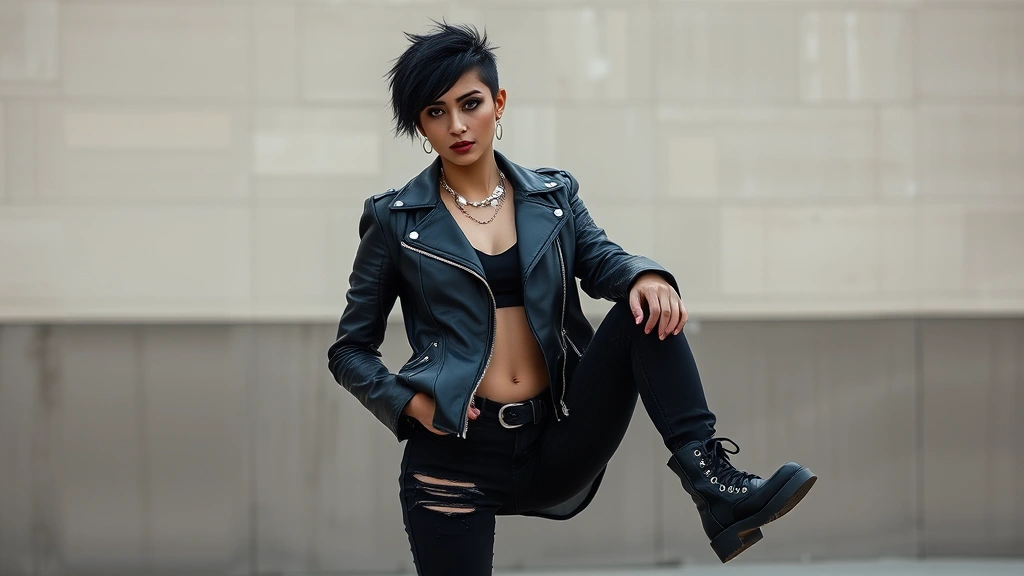
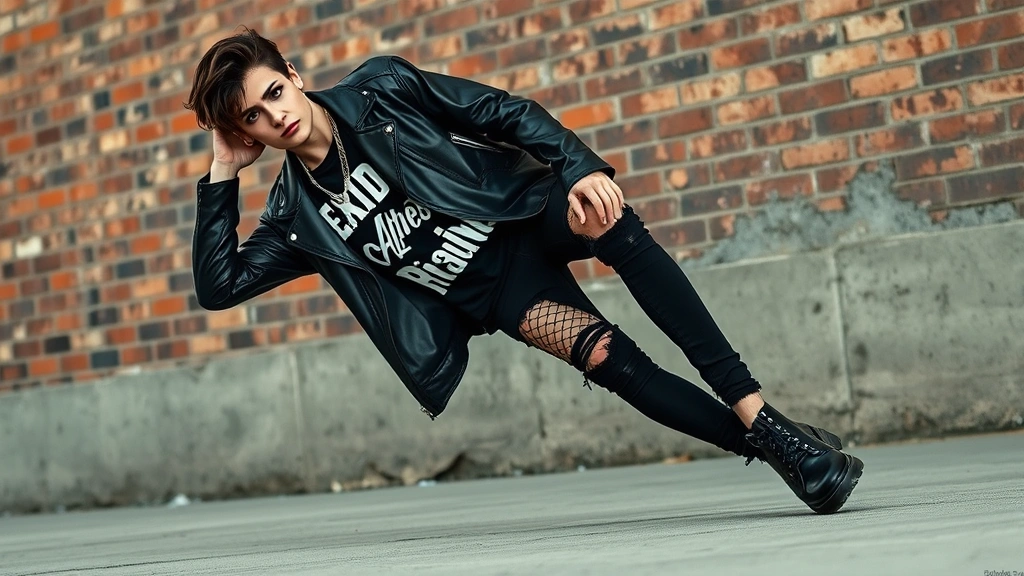
The Black Leather Jacket: No punk wardrobe is complete without a black leather jacket. This piece serves as the foundation of countless punk outfits and represents the movement’s rebellious spirit. Look for jackets with asymmetrical zippers, hardware details, or custom modifications. The jacket should feel lived-in and personal, whether through intentional distressing or accumulated wear over time.
Ripped and Distressed Jeans: Punk fashion celebrates imperfection and decay as aesthetic choices. Distressed denim became iconic during the movement’s golden era, representing a rejection of pristine, consumer-culture ideals. Modern punk styling often features strategically placed rips, patches, and fading that tell a visual story. These aren’t mass-produced distressed jeans from mainstream retailers—authentic punk denim feels intentional and personalized.
Band T-Shirts and Graphic Tees: Vintage band merchandise represents punk’s connection to music culture. Seek out authentic vintage t-shirts featuring legendary punk bands, or invest in modern reprints from independent designers. The t-shirt serves as a canvas for your musical allegiances and cultural references.
Combat Boots and Doc Martens: Footwear in punk fashion prioritizes attitude over elegance. Combat boots and Doc Martens provide the heavy, grounded aesthetic that punk styling demands. These shoes aren’t delicate or refined; they’re sturdy, practical, and visually commanding. Customizing your boots with studs, chains, or custom lacing elevates them from standard footwear to statement pieces.
Plaid and Tartan Pieces: Borrowed from Scottish heritage and recontextualized by punk culture, plaid patterns feature prominently in authentic punk styling. Plaid skirts, shirts, and pants offer visual interest while maintaining the movement’s aesthetic. This pattern works particularly well when mixed with leather and metal elements.
Mastering the Leather and Metal Elements
Metal and leather form the visual foundation of punk fashion’s most recognizable aesthetic. These materials carry symbolic weight—leather representing toughness and rebellion, metal adding literal weight and visual intensity to outfits. Understanding how to incorporate these elements separates authentic punk styling from costume-like attempts.
Leather Beyond the Jacket: While the leather jacket remains paramount, punk fashion extends leather into other garment categories. Leather pants offer a more daring alternative to denim, creating a sleek, dramatic silhouette. Leather vests can be layered over band tees for added edge. Some punk enthusiasts incorporate leather accessories like belts, arm cuffs, and gloves to create cohesive, head-to-toe leather looks. The key is balancing leather pieces so your outfit feels intentional rather than overwhelming.
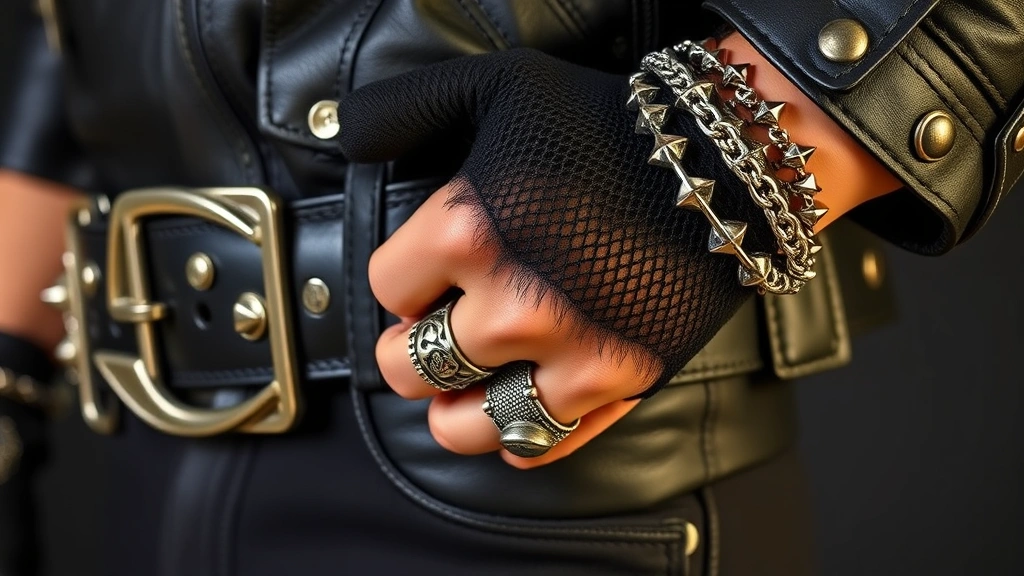
Metal Hardware and Studs: Metal studs, chains, and hardware serve both functional and decorative purposes in punk fashion. Studded belts, spiked collars, chain wallets, and metal-embellished clothing create visual texture and reinforce the movement’s aggressive aesthetic. However, restraint matters—too many metal elements can appear costume-like. Strategic placement of studs on jackets, boots, or accessories creates impact without overwhelming your overall look.
Chains and Accessories: Chains represent punk’s connection to bondage and S&M aesthetics, elements that Vivienne Westwood famously incorporated into her designs. Wallet chains, body chains, and chain belts add movement and visual interest to outfits. These pieces work best when they feel like natural extensions of your styling rather than afterthoughts.
Fashion experts emphasize that the most effective punk styling balances these heavier, more aggressive elements with lighter pieces. A studded leather jacket paired with a simple white t-shirt and black jeans creates more impact than layering multiple leather and metal pieces simultaneously. This restraint demonstrates sophisticated understanding of punk aesthetics.
Hair, Makeup, and Accessories
Punk fashion extends far beyond clothing into the realm of personal grooming and presentation. Hair, makeup, and accessories serve as crucial components of an authentic punk aesthetic, allowing for creative expression and individual interpretation within the movement’s established visual language.
Iconic Punk Hairstyles: The mohawk remains punk’s most recognizable hairstyle, but authentic punk hair encompasses numerous variations. Spiky, gravity-defying styles created with gel or pomade represent punk’s rejection of natural, refined aesthetics. Shaved sections, asymmetrical cuts, and bold color choices—neon, jet black, or two-tone combinations—signal punk allegiance. The intentionality matters more than the specific style; your hair should appear deliberately styled to challenge conventional beauty standards.
Makeup as Rebellion: Punk makeup emphasizes dramatic contrast and artistic expression. Heavy black eyeliner, dark eyeshadow, and pale foundation create a striking, almost theatrical appearance. This makeup style serves a purpose beyond aesthetics—it visually separates punk individuals from mainstream society. Some punk enthusiasts incorporate unconventional elements like face paint, stickers, or temporary tattoos to further emphasize their rebellious stance.
Jewelry and Accessories: Punk jewelry prioritizes impact over delicacy. Chunky silver rings, spiked bracelets, and statement necklaces made from unconventional materials (chain, metal, industrial materials) align with punk’s aesthetic. Chokers, particularly those made from materials like velvet or studded leather, became iconic during the 1990s punk revival. Bags should be practical and edgy—backpacks, messenger bags, or small crossbody bags in leather or canvas with metal hardware work better than refined handbags.
Modern Punk Fashion Interpretations
Contemporary punk fashion has evolved significantly from its 1970s origins while maintaining core aesthetic and philosophical principles. Understanding modern interpretations helps you rock punk fashion in ways that feel current and relevant rather than historically derivative. The complete fashion history timeline demonstrates how punk continues influencing design at every level of the fashion industry.
Luxury Punk: High-fashion designers from Givenchy to Alexander McQueen have incorporated punk elements into luxury collections. This approach maintains punk’s aesthetic while elevating materials and construction quality. Luxury punk pieces often feature refined leather, premium hardware, and expert tailoring while preserving the movement’s visual language. This interpretation appeals to individuals seeking punk’s visual impact with luxury quality and price points.
Streetwear Punk: Contemporary streetwear brands have democratized punk aesthetics, making the style accessible to broader audiences. Brands incorporate punk elements like studded details, distressed fabrics, and graphic designs into modern silhouettes. This interpretation emphasizes punk’s rebellious spirit while embracing contemporary comfort and functionality.
Soft Punk and Romantic Punk: Modern interpretations have softened punk’s aggressive edges, creating variations that blend punk elements with feminine or romantic aesthetics. Delicate lace paired with leather, flowing fabrics combined with studded accessories, and softer color palettes alongside traditional black create more nuanced punk expressions. These variations allow broader participation in punk fashion while maintaining the movement’s core values.
Gender-Fluid Punk: Contemporary punk fashion has embraced gender fluidity and non-binary styling. The movement’s historical emphasis on rejecting conventional norms naturally extends to challenging gender-based fashion rules. Modern punk styling celebrates androgynous silhouettes, unconventional combinations, and personal expression beyond traditional masculine or feminine aesthetics.
Building Your Punk Aesthetic
Developing an authentic punk fashion aesthetic requires intentional curation rather than random accumulation of edgy pieces. This process involves understanding your personal style while respecting punk’s established visual language and values. The process of finding your personal style within punk fashion means identifying which interpretations and elements resonate most authentically with you.
Start with Foundational Pieces: Begin by investing in quality basics—a well-fitting black leather jacket, quality denim, and sturdy boots. These pieces form your foundation and will anchor countless outfits. Rather than purchasing numerous trend-dependent items, focus on pieces you’ll wear repeatedly and that genuinely reflect your aesthetic sensibilities.
Layer Intentionally: Punk styling relies on layering to create visual interest and depth. Combine band tees with leather jackets, layer mesh or fishnet under ripped sections of clothing, and use accessories to add texture. Each layer should serve a purpose, contributing to your overall aesthetic rather than appearing random or costume-like.
Customize and Personalize: The DIY ethos remains central to punk fashion. Customize your pieces through patches, hand-drawn designs, safety pins, or intentional distressing. These personal modifications transform mass-produced items into unique expressions of your individual style. This customization process honors punk’s emphasis on authenticity and personal expression.
Mix High and Low: Authentic punk styling often combines expensive investment pieces with thrifted finds and affordable basics. A luxury leather jacket pairs perfectly with vintage band tees and thrifted distressed jeans. This mixing reflects punk’s anti-consumerist values while creating visually interesting, layered outfits.
Develop Your Color Palette: While black dominates punk fashion, modern interpretations incorporate broader color ranges. Determine whether you’re drawn to traditional all-black styling, incorporating jewel tones, or experimenting with neon accents. Your color choices should feel intentional and cohesive rather than random.
Common Mistakes to Avoid
Understanding what doesn’t work in punk fashion proves as valuable as knowing what does. These common mistakes undermine authentic punk styling and can make outfits appear costume-like or disconnected from the movement’s core values.
Over-accessorizing: The most common punk fashion mistake involves adding too many studded, chain, and metal elements simultaneously. Authentic punk styling emphasizes strategic impact over visual overwhelm. Select 2-3 statement accessories rather than adorning every possible surface with hardware.
Ignoring Fit: Punk fashion celebrates unconventional silhouettes, but pieces should still fit intentionally. Oversized or ill-fitting garments should appear deliberately styled rather than simply too large. The distinction lies in intentionality—does your outfit reflect deliberate choices or accidental poor fit?
Purchasing “Punk” Items from Mainstream Retailers: Mass-produced “punk” clothing often lacks authenticity and quality. Seek pieces from independent designers, fashion professionals with design training, vintage sources, or authentic punk brands. These sources offer greater authenticity and often better quality than mainstream retailers attempting to capitalize on punk aesthetics.
Neglecting the Philosophy: Wearing punk fashion without understanding its values and history creates a superficial, costume-like appearance. Educate yourself about punk’s cultural significance, its musical connections, and its role in challenging mainstream norms. This knowledge informs authentic styling choices.
Overdone Makeup: While dramatic makeup aligns with punk aesthetics, theatrical excess can undermine your overall look. Develop makeup that feels like an extension of your personal style rather than a character costume. The most effective punk makeup appears intentionally bold rather than clownish.
Ignoring Your Personal Authenticity: Perhaps the most important mistake involves adopting punk fashion without genuine connection to the movement’s values or aesthetics. Authentic punk styling requires that you feel genuinely connected to the look and values you’re expressing. If punk fashion doesn’t authentically resonate with you, other styles might better serve your personal expression. The StyleLoom Daily Blog explores numerous fashion movements and styles that might align better with your personal aesthetic.
FAQ
Can you wear punk fashion if you don’t listen to punk music?
Absolutely. While punk fashion originated within punk music culture, contemporary punk aesthetics have evolved into broader fashion movements. Understanding punk’s cultural significance and values matters more than specific music preferences. However, educating yourself about punk’s musical and cultural history will deepen your appreciation for the fashion movement.
How do I style punk fashion for professional environments?
Modern workplaces increasingly accept individual style expression. Incorporate punk elements through accessories like studded belts or chain jewelry, subtle makeup choices, or band tees worn under structured blazers. A black leather jacket over professional clothing creates punk edge while maintaining workplace appropriateness. The key is balancing punk aesthetics with your specific professional context.
What’s the difference between punk and goth fashion?
While these movements share aesthetic similarities and historical overlap, they differ significantly. Punk emphasizes rebellion, DIY ethics, and aggressive visual impact. Goth prioritizes darkness, romanticism, and sometimes gothic literature influences. Punk fashion celebrates imperfection and decay; goth fashion often emphasizes refined aesthetics within darker color palettes. Both movements can influence contemporary styling, but understanding their distinct philosophies helps create authentic looks.
How should I care for leather jackets and other punk staples?
Quality leather requires proper maintenance. Clean your jacket regularly with appropriate leather cleaners, condition it to prevent cracking, and store it properly. Distressed and customized pieces may require special care to preserve intentional damage while preventing unintended deterioration. Research specific care instructions based on your jacket’s material and finish.
Where can I find authentic vintage punk pieces?
Vintage clothing stores, online marketplaces like Depop and Vestiaire Collective, and punk-specific retailers offer authentic vintage pieces. Estate sales and thrift stores occasionally yield genuine punk-era clothing. When purchasing vintage items, research authenticity markers and seller reputation. Investing in genuine vintage pieces honors punk’s DIY and anti-consumerist values while supporting sustainable fashion practices.
Can punk fashion work with other style aesthetics?
Absolutely. Contemporary fashion celebrates hybrid aesthetics that blend punk elements with other styles. Punk-romantic, punk-preppy, and punk-minimalist combinations create interesting, individualized looks. The key is ensuring each element feels intentional and cohesive rather than random or conflicting. Your personal style evolution might incorporate punk elements alongside other aesthetic influences.