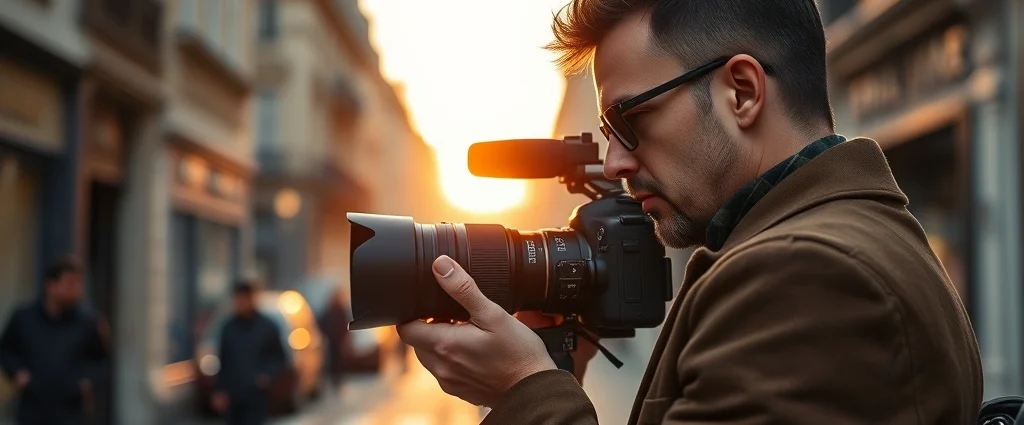
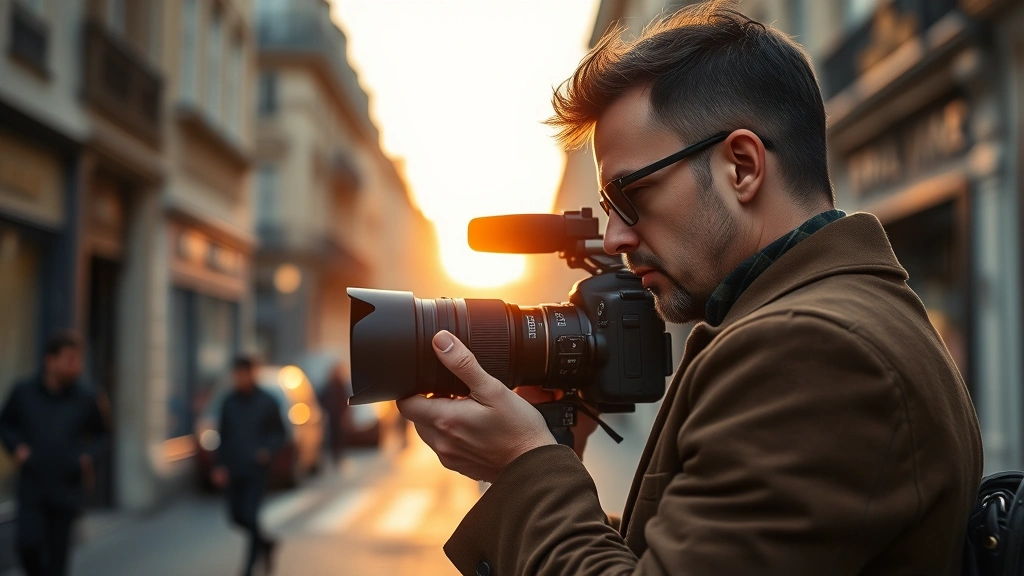
Paris Fashion Photography: Expert Insights from Industry Leaders
Paris stands as the undisputed capital of fashion and visual storytelling, where every cobblestone street and historic landmark becomes a canvas for extraordinary photography. The art of fashion photography in Paris transcends mere documentation—it captures the essence of elegance, the spirit of innovation, and the timeless allure that has made the City of Light a pilgrimage site for creatives worldwide. Whether you’re an aspiring fashion design degree candidate or an established photographer seeking to elevate your craft, understanding the nuances of Paris fashion photography is essential in today’s competitive visual landscape.
The intersection of haute couture heritage and contemporary visual expression in Paris creates a unique ecosystem where photographers transform concepts into iconic imagery. From the grandeur of the Marais district to the bohemian vibes of Montmartre, Paris fashion photographers leverage architectural splendor, natural light, and cultural authenticity to produce work that resonates globally. This comprehensive guide explores expert insights into mastering Paris fashion photography, revealing techniques, philosophies, and strategies that distinguish world-class photographers from the rest.
The Legacy of Paris Fashion Photography
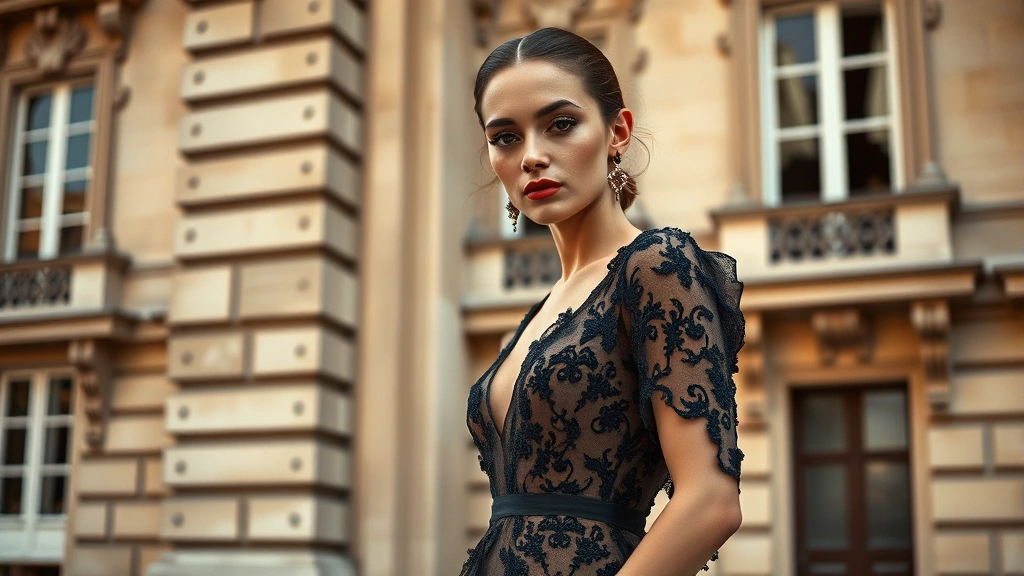
Paris fashion photography emerged as a distinct discipline during the early twentieth century, when pioneering photographers began documenting haute couture collections with artistic intention rather than mere commercial purpose. The city’s role as the epicenter of fashion design naturally positioned it as the birthplace of fashion photography as we know it. Legendary photographers like Irving Penn, Patrick Demarchelier, and Peter Lindbergh established paradigms that contemporary Paris fashion photographers continue to reference and innovate upon today.
The cultural significance of Paris fashion photography extends beyond aesthetics—it represents a philosophy of excellence, refinement, and visual poetry. When clients commission a Paris fashion photographer, they’re investing in the city’s accumulated wisdom about beauty, proportion, and narrative composition. This heritage creates both opportunity and responsibility for modern practitioners. Understanding this legacy means recognizing that every frame carries the weight of fashion history while simultaneously pushing toward fresh, contemporary expression.
Modern Paris fashion photographers balance reverence for tradition with hunger for innovation. They study the compositions of masters while embracing digital technology, exploring unconventional angles, and challenging established beauty standards. This duality—honoring the past while creating the future—defines the most compelling work emerging from Paris today. Many photographers cite StyleLoom Daily Blog as a resource for understanding contemporary fashion trends that influence visual storytelling.
Essential Technical Skills and Equipment
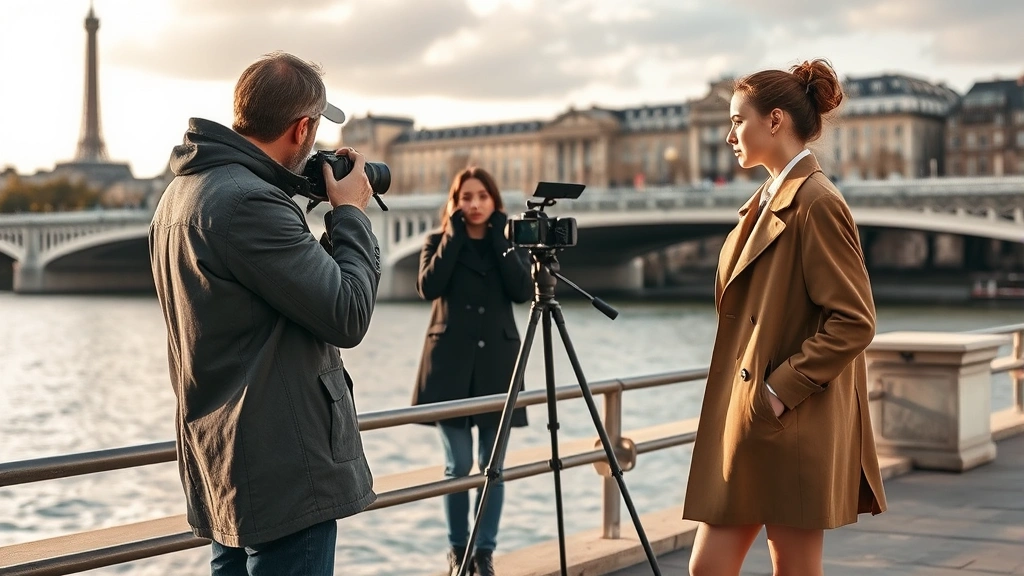
Mastering Paris fashion photography demands technical proficiency across multiple domains. Professional photographers operating in Paris typically invest in high-end camera bodies capable of exceptional image quality in variable lighting conditions. Full-frame DSLR or mirrorless systems remain industry standard, with preference varying based on individual shooting style and client requirements. The ability to capture sharp detail, maintain color accuracy, and preserve skin tones across diverse lighting scenarios separates competent photographers from exceptional ones.
Lens selection profoundly impacts fashion photography outcomes. A versatile kit typically includes prime lenses in the 50mm, 85mm, and 135mm range, each offering distinct perspectives and optical characteristics. The 85mm focal length remains the fashion photography favorite, providing flattering subject compression while maintaining natural perspective. Wide-angle lenses (35mm and 24mm) serve specific creative purposes, enabling environmental storytelling and contextual framing that situates fashion within Parisian landscapes.
Lighting equipment represents another critical investment area. Professional Paris fashion photographers typically employ portable strobe systems, reflectors, and diffusion tools that enable light modification in outdoor settings. Understanding how to manipulate natural light—the most elegant resource available in Paris—separates masters from novices. Mastering light requires knowledge of color temperature, inverse square law, and the psychological impact of directional illumination on subject presentation. Many photographers working in Paris combine natural light with subtle fill flash, creating dimensionality while maintaining authenticity.
Digital workflow infrastructure has become equally essential. Professional photographers require robust backup systems, color-calibrated monitors, and efficient file management protocols. The volume of images generated during fashion shoots demands organizational discipline and technical infrastructure capable of handling thousands of files without data loss. Understanding RAW processing, color grading, and digital asset management constitutes the modern technical foundation that fashion photographers cannot ignore.
Location Scouting and Urban Aesthetics
Paris itself functions as an infinite studio, with architectural diversity, historical significance, and photogenic qualities unmatched by most cities globally. Expert Paris fashion photographers develop intimate knowledge of neighborhoods, understanding how light behaves across seasons and times of day in specific locations. This knowledge transforms scouting from random exploration into strategic reconnaissance, identifying locations that align with brand narratives and creative visions.
The Marais district offers Renaissance architecture and narrow streets that create intimate, boutique-scale backdrops perfect for luxury fashion editorial. Montmartre provides bohemian authenticity with winding staircases and artistic heritage that communicates creativity and heritage. The Seine’s embankments deliver romantic, timeless scenery that flatters virtually any aesthetic. Canal Saint-Martin attracts photographers seeking contemporary urban energy blended with historic charm. Each neighborhood possesses distinct character—successful Paris fashion photographers develop location portfolios that enable rapid matching between brand identity and environmental context.
Light behavior varies dramatically across Parisian locations and seasons. North-facing streets provide consistent, soft light ideal for beauty-focused imagery, while south-facing avenues deliver dramatic directional light creating sculptural dimension. Understanding how architectural elements—bridges, building facades, cobblestone textures—interact with light enables photographers to predict visual outcomes and execute shoots with precision. Seasonal variations in light quality, vegetation, and atmospheric conditions create continuously evolving possibilities that sustain creative momentum throughout the year.
Permits and logistics require attention when shooting in popular Parisian locations. Professional photographers develop relationships with local authorities, understand permit requirements, and plan shoots strategically to minimize disruption while maximizing creative opportunity. This practical knowledge, often invisible in final images, distinguishes professional operations from amateur efforts. When exploring how to find your personal style through fashion photography, location selection becomes an extension of personal creative vision.
Working with Models and Talent
Exceptional fashion photography depends fundamentally on human talent—models, stylists, makeup artists, and creative collaborators who translate vision into reality. Paris fashion photographers work with diverse talent pools, from established supermodels to emerging faces discovered through social media. The ability to direct talent, communicate creative intention, and establish psychological safety enables photographers to extract authentic, compelling performances.
Communication forms the foundation of productive talent relationships. Before shoots commence, experienced photographers conduct detailed briefings explaining creative direction, mood, and specific shot requirements. This clarity enables talent to enter appropriate mental states and deliver consistent, high-quality performances. Establishing rapport—genuine human connection—transforms shoots from transactional exchanges into collaborative creative experiences where talent feels invested in outcomes.
Directing models requires understanding body language, posture, and the subtle adjustments that transform adequate images into exceptional ones. Expert Paris fashion photographers develop vocabularies for describing desired positions, emotional states, and technical requirements. Rather than simply demonstrating poses, masterful directors communicate intention—explaining why specific angles flatter features, how particular expressions convey brand narratives, and what emotional resonance photographers seek to capture.
The relationship between photographer and talent extends beyond individual shoots. Photographers who build reputation for professionalism, fair treatment, and exceptional results attract premium talent, creating virtuous cycles of collaboration that elevate overall work quality. Many fashion photographers maintain ongoing relationships with models, stylists, and makeup artists, developing shorthand communication and shared aesthetic understanding that accelerates production while improving outcomes.
Styling and Creative Direction
Fashion photography transforms clothing into cultural statements, emotional narratives, and aspirational visions. Styling—the strategic selection and presentation of garments, accessories, and aesthetic elements—drives this transformation. Expert Paris fashion photographers collaborate closely with stylists, understanding how clothing silhouettes, colors, textures, and proportions interact with photographic composition, lighting, and environmental context.
The psychology of fashion styling influences viewer perception and brand communication. Oversized silhouettes convey confidence and contemporary edge, while tailored, structured clothing communicates sophistication and heritage. Color psychology—the emotional associations triggered by specific hues—shapes mood and narrative. Layering creates visual complexity and dimension, while minimalist styling emphasizes clean lines and architectural garment structure. Understanding these principles enables photographers to guide styling decisions that amplify photographic impact.
Brands like Opium Fashion demonstrate how distinctive aesthetic voices emerge through consistent styling choices and visual presentation. When photographers develop collaborative relationships with stylists, they create coherent visual languages that distinguish their work in competitive markets. This consistency builds recognition, attracts ideal clients, and establishes authority within specific fashion niches.
Props and accessories function as visual punctuation, adding interest and narrative dimension without overwhelming primary subjects. Expert photographers understand negative space and composition principles that prevent styling from becoming cluttered or distracting. The goal remains elevating fashion presentation while maintaining focus on garment construction, fit, and quality—the ultimate subjects of fashion photography.
Lighting Mastery in Parisian Settings
Light represents the fundamental material of photography, and Paris fashion photographers develop sophisticated understanding of how illumination shapes visual storytelling. Natural light—available throughout Parisian days—provides the most elegant, authentic lighting source, but requires knowledge and skill to leverage effectively. The quality of Parisian light varies seasonally; winter light delivers cool, directional illumination, while summer light becomes warmer and more diffused.
Golden hour—the period shortly after sunrise or before sunset—delivers warm, directional light that flatters skin tones and creates romantic atmosphere. This phenomenon explains why experienced photographers schedule shoots strategically around light availability rather than arbitrary client preferences. Understanding light direction, intensity, and color temperature enables photographers to predict outcomes and execute precisely planned shoots.
Reflectors and diffusion tools amplify photographer control over natural light. White reflectors bounce light into shadow areas, reducing contrast and evening skin tone illumination. Diffusion panels soften harsh midday light, creating flattering illumination even during challenging times. Black reflectors remove light from specific areas, creating sculptural dimension and emphasizing subject separation from backgrounds. Mastering these tools transforms Parisian locations into customizable studios where photographers maintain creative control while preserving authenticity.
Artificial lighting—strobes, continuous lights, and creative modifications—enables photographers to shape light in ways natural sources cannot. Fill flash at low power levels subtly brightens shadows without creating unnatural appearance. Key lights positioned at specific angles create dimension and visual interest. Understanding the inverse square law, color temperature matching, and synchronization timing enables photographers to blend artificial and natural light seamlessly.
Post-Production and Visual Storytelling
Image capture represents merely the beginning of photographic storytelling; post-production transforms raw files into polished, cohesive visual narratives. Expert Paris fashion photographers develop consistent processing styles that distinguish their work while maintaining editorial integrity. Color grading—adjusting hue, saturation, and luminosity—establishes mood and emotional resonance. Skin retouching requires balancing technical perfection with authentic human presentation, avoiding the artificial appearance that undermines fashion photography credibility.
Consistency across image sets—maintaining uniform color palettes, contrast ratios, and aesthetic qualities—creates cohesive editorial narratives that communicate brand identity and photographer vision. Many photographers develop preset systems that enable rapid processing while ensuring stylistic consistency. These presets function as personal signatures, immediately recognizable to viewers and clients alike.
Narrative sequencing transforms individual images into stories. Expert photographers understand editorial flow, pacing emotional intensity, and building visual momentum through strategic image sequencing. The first image establishes context and draws viewer attention, middle images develop narrative and showcase variations, while final images deliver emotional climax or thoughtful resolution. This storytelling discipline elevates fashion photography beyond isolated aesthetic moments into meaningful visual experiences.
Retouching requires ethical consideration and technical skill. Fashion photography conventionally involves skin refinement, but excessive manipulation creates unrealistic standards and undermines authenticity. Contemporary audiences increasingly demand realistic presentation, and photographers who balance enhancement with authenticity build stronger reputations and client relationships. Understanding when to refine and when to preserve human authenticity distinguishes ethical professionals from those pursuing unrealistic perfection.
Building Your Photography Brand
Professional success in Paris fashion photography depends on strategic brand development, portfolio curation, and consistent visibility within fashion communities. Your photography brand encompasses aesthetic philosophy, service offerings, client relationships, and professional reputation. Expert photographers invest deliberately in brand clarity, understanding how visual identity, communication style, and service excellence differentiate their practices.
Portfolio development requires ruthless curation, showcasing only exceptional work that represents your highest standards and distinctive aesthetic voice. Rather than comprehensive documentation of all projects, selective portfolios communicate clear creative vision and attract ideal clients. Photographers targeting luxury brands curate differently from those serving emerging designers or commercial fashion retailers. This strategic differentiation enables photographers to position themselves as specialists rather than generalists, commanding premium rates and attracting better-aligned clients.
Platforms like Fashion Nova Dresses demonstrate how contemporary brands build visual identities through consistent, distinctive imagery. Photographers seeking to work with such brands must develop portfolios that demonstrate understanding of their aesthetic languages and audience expectations. This strategic alignment—matching photographer capabilities with brand identity—creates mutually beneficial collaborations.
Visibility within fashion communities accelerates brand development. Photographers build reputations through consistent portfolio sharing, industry event participation, and relationship cultivation with stylists, designers, and creative directors. Social media platforms enable direct audience engagement, while traditional portfolio presentations maintain credibility within professional circles. Successful photographers balance digital visibility with personal relationship building, understanding that fashion ultimately remains a relationship-driven industry.
Continuing education sustains competitive advantage. Expert Paris fashion photographers engage with emerging technologies, study work of international peers, and regularly challenge creative assumptions. Workshops, online courses, and collaborative projects provide ongoing development opportunities that prevent creative stagnation and maintain skill excellence.
FAQ
What camera equipment do professional Paris fashion photographers use?
Professional Paris fashion photographers typically employ full-frame mirrorless or DSLR systems with high-resolution sensors (24-45 megapixels), supplemented with prime lenses in 50mm, 85mm, and 135mm focal lengths. Lighting equipment includes portable strobes, reflectors, and diffusion panels. Backup systems, color-calibrated monitors, and robust storage infrastructure complete professional setups.
How do I find the best locations for fashion photography in Paris?
Expert location scouting involves visiting neighborhoods during different seasons and times of day, understanding light behavior, and assessing architectural features. The Marais, Montmartre, and Canal Saint-Martin offer distinct aesthetics. Building location knowledge through repeated exploration enables photographers to match environments with creative visions and client brand identities.
What skills distinguish exceptional Paris fashion photographers from average practitioners?
Technical proficiency, creative vision, talent direction abilities, styling collaboration expertise, and post-production mastery separate exceptional photographers. Beyond technical skills, emotional intelligence, communication clarity, and ethical practice distinguish professionals who build sustainable careers from those struggling for consistent work.
How much does hiring a Paris fashion photographer typically cost?
Pricing varies dramatically based on photographer experience, project scope, usage rights, and client requirements. Emerging photographers charge €300-€800 daily, while established professionals command €1,500-€5,000+ per day. Commercial campaigns and luxury brand work commands premium rates reflecting photographer reputation and market positioning.
Can I learn Paris fashion photography through online courses?
Online resources provide foundational knowledge about composition, lighting, and post-production, but fashion photography mastery requires practical experience, mentorship, and location-specific knowledge. Combining online education with Paris-based workshops, apprenticeships, and extensive practice accelerates skill development more effectively than online learning alone.
What’s the relationship between fashion design and photography?
Fashion design and photography exist in symbiotic relationship; photographers must understand garment construction, silhouette, and design intent to present clothing effectively. Understanding fashion design degree concepts enhances photographer credibility and enables more sophisticated visual communication with designers and stylists.
How do I build a fashion photography portfolio?
Portfolio development requires creating editorial projects that showcase aesthetic vision and technical capability. Collaborate with stylists, makeup artists, and models on self-directed shoots that demonstrate distinctive creative voice. Curate ruthlessly, featuring only exceptional work that aligns with target client aesthetics and market positioning.
For additional professional insights, explore resources like Vogue, The Fashion Spot, and Designers Database for industry trends and professional development opportunities.