How to Style Vintage? Fashion Experts Share
Vintage fashion has transcended being merely a nostalgic trend—it’s now a sophisticated styling statement that speaks to individuality, sustainability, and timeless elegance. Whether you’re drawn to the structured silhouettes of the 1950s, the bohemian vibes of the 1970s, or the minimalist chic of the 1990s, vintage pieces offer endless possibilities for creating distinctive looks that reflect your personal aesthetic. Fashion experts worldwide agree that mastering vintage styling is about understanding the history behind each era while seamlessly blending heritage pieces with contemporary fashion sensibilities.
The beauty of vintage fashion lies in its authenticity and craftsmanship. Unlike mass-produced contemporary garments, vintage pieces often feature superior construction, premium fabrics, and unique design details that simply cannot be replicated in modern fast fashion. When you invest in vintage clothing, you’re acquiring pieces with character, history, and soul. The challenge—and the art—lies in knowing how to style these treasures in ways that feel fresh, wearable, and distinctly yours. This comprehensive guide draws insights from leading fashion experts, stylists, and trendsetters who have mastered the art of vintage fashion.
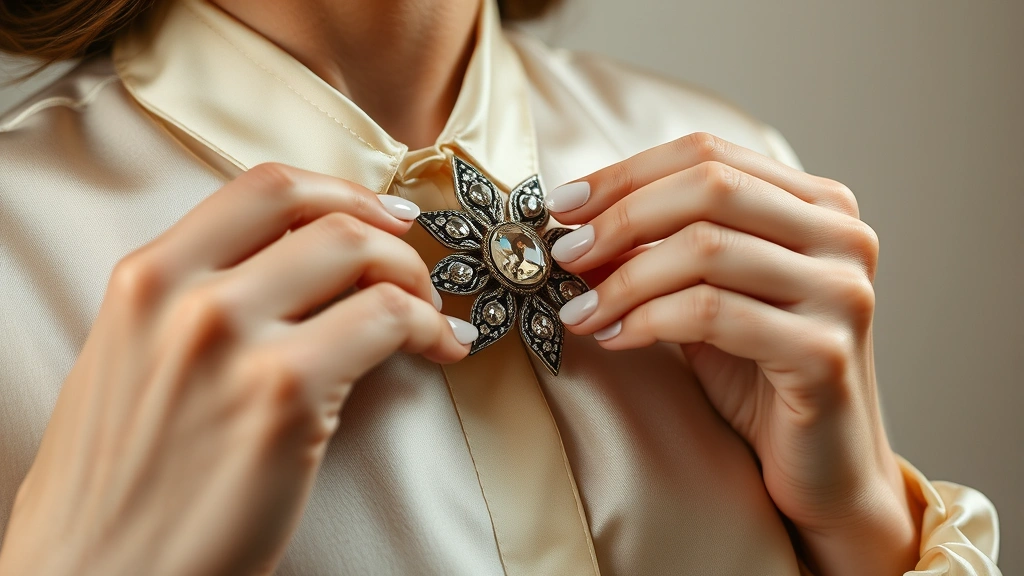
Understanding Vintage Fashion Eras
Each decade brought distinct design philosophies, silhouettes, and color palettes that defined its era. Understanding these characteristics is fundamental to styling vintage pieces authentically. The 1920s introduced the flapper dress—a revolutionary garment that liberated women from restrictive corsetry with its straight lines, dropped waists, and knee-length hemlines. The 1940s emphasized utility and structure, with strong shoulders and practical designs reflecting wartime sensibilities. The 1950s celebrated femininity through full skirts, cinched waists, and elegant dresses that epitomized post-war optimism.
The 1960s brought mod minimalism and bold geometric prints, while the 1970s embraced earthy tones, flowing fabrics, and bohemian aesthetics that still influence contemporary design. The 1980s introduced power dressing with oversized blazers and statement accessories, and the 1990s pioneered grunge minimalism alongside slip dresses and minimalist silhouettes. As Vogue frequently highlights, understanding these historical contexts helps you select pieces that genuinely resonate with your personal style rather than randomly collecting vintage items.
Fashion historians and stylists emphasize that era awareness prevents costume-like appearances. When you know the defining characteristics of your chosen vintage period, you can select pieces that authentically represent that aesthetic while avoiding clichés or overwrought vintage styling. This knowledge becomes your foundation for creating sophisticated, intentional looks.
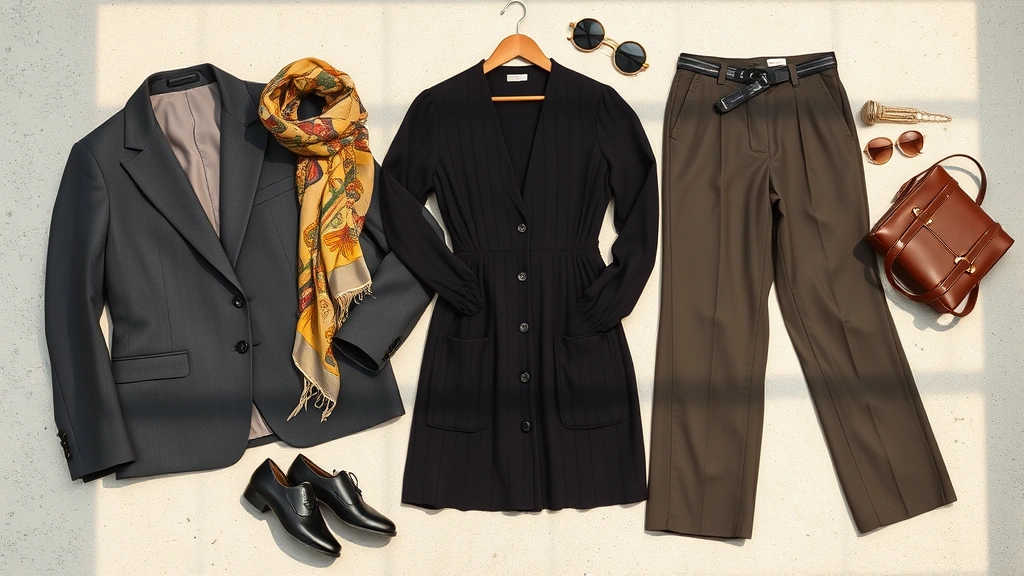
Finding Your Vintage Sweet Spot
Not every vintage era will appeal to everyone, and that’s perfectly acceptable. Your vintage sweet spot is the period whose aesthetics naturally align with your body type, lifestyle, personality, and contemporary sensibilities. Some people gravitate toward the structured elegance of 1950s silhouettes, while others prefer the relaxed, individualistic nature of 1970s fashion. Your choice should feel authentic rather than performative.
When exploring vintage options, consider which eras’ color palettes speak to you. The jewel tones and pastels of the 1950s differ dramatically from the earth tones and burnt oranges of the 1970s or the monochromatic schemes of the 1990s. Additionally, think about practicality. If you lead an active lifestyle, vintage pieces requiring extensive care or featuring delicate fabrics might not serve you well. Conversely, if you work in creative industries, dramatic vintage pieces might be perfect for expressing your aesthetic vision.
Leading fashion experts recommend visiting fashion institutes and museums to see original vintage pieces in person. This immersive experience helps you understand proportions, fabrications, and construction methods in ways that photographs cannot convey. Many institutions offer exhibitions dedicated to specific decades or designers, providing invaluable styling inspiration and historical context.
Mixing Vintage with Modern Pieces
The most successful vintage styling approach involves thoughtfully blending heritage pieces with contemporary fashion. This juxtaposition creates visual interest and prevents outfits from appearing dated or costume-like. The key is achieving balance—if your entire outfit is vintage, it can feel disconnected from modern life; conversely, vintage pieces need enough contemporary elements to feel intentional rather than accidental.
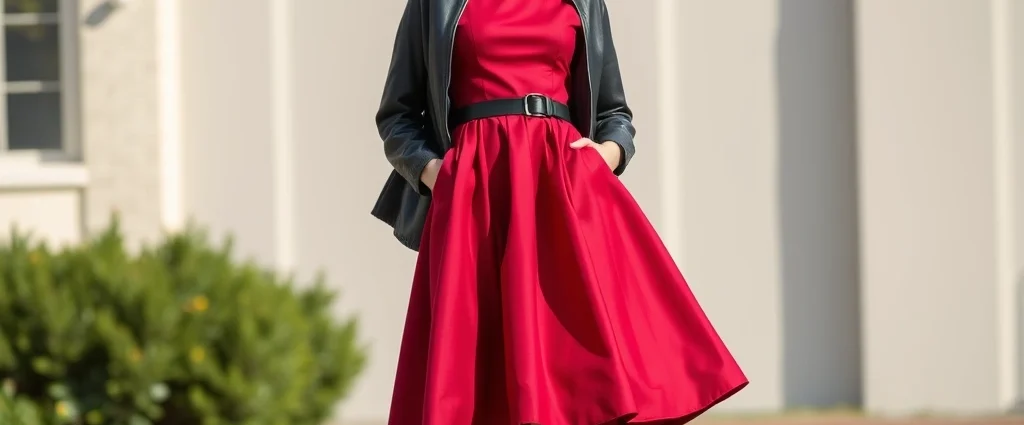
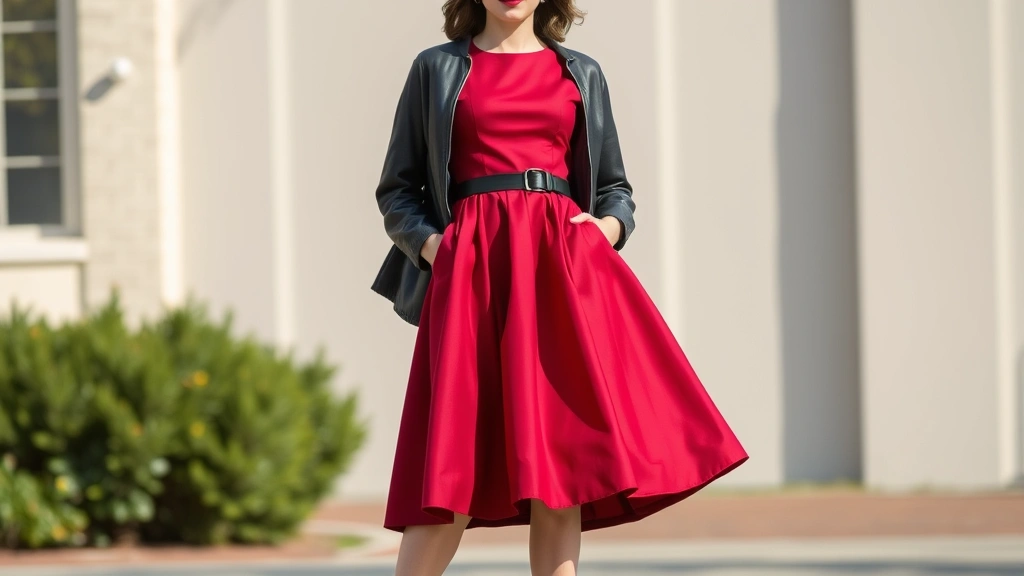
Expert stylists recommend the 70-30 rule: build your outfit with either 70% vintage and 30% modern, or vice versa, depending on how boldly you want to express vintage aesthetics. A vintage 1950s dress paired with modern sneakers and a contemporary leather jacket creates an appealing contrast that feels fresh and wearable. Alternatively, modern tailored trousers styled with a vintage silk blouse and contemporary accessories creates sophisticated balance.
Accessories play crucial roles in vintage-modern combinations. Modern jewelry, bags, and shoes can instantly update vintage pieces, while vintage accessories can elevate contemporary basics. A Fashion Nova dress styled with vintage brooches and classic pumps takes on entirely different character than when paired with modern sneakers and contemporary jewelry. This flexibility allows you to wear vintage pieces in multiple ways, maximizing your wardrobe’s versatility.
Styling Tips from Fashion Experts
Renowned stylists and fashion consultants consistently emphasize several key principles when styling vintage pieces. First, prioritize fit above all else. Vintage sizing differs significantly from modern standards, and alterations are often necessary. Expert tailors can adjust vintage pieces to flatter your body while preserving their integrity and character. Investing in professional alterations transforms uncomfortable vintage finds into wardrobe staples.
Second, understand your undertones and color theory. Vintage color palettes reflected different dye technologies and aesthetic preferences than contemporary fashion. Knowing which vintage colors complement your skin tone, hair color, and natural undertones ensures that vintage pieces enhance rather than clash with your appearance. Many fashion experts recommend getting a professional color analysis to identify which vintage eras’ color stories work best for you.
Third, confidence is your best accessory. Vintage styling requires conviction—wearing a statement vintage piece with uncertainty reads as costume rather than style. When you genuinely love a piece and understand why it works in your outfit, that confidence translates visually. Fashion blogger and stylist communities consistently note that the most compelling vintage outfits emanate authentic enthusiasm.
Fourth, develop a style loom daily blog habit of documenting outfit combinations. Photographing your vintage styling experiments helps you recognize successful combinations, identify gaps in your wardrobe, and develop a cohesive aesthetic vision. Over time, you’ll intuitively understand which vintage pieces work together and how to integrate new finds.
Finally, experts emphasize quality over quantity. Vintage fashion rewards intentional curation rather than indiscriminate collecting. Each piece should earn its place in your wardrobe by offering genuine style value and versatility. This approach aligns with sustainable fashion principles and ensures your vintage collection remains wearable and beloved.
Caring for Your Vintage Collection
Vintage pieces require specific care to maintain their longevity and beauty. Understanding proper storage, cleaning, and maintenance prevents deterioration and ensures your investment remains wearable for years. Most vintage fabrics are delicate—silk, wool, and vintage synthetics require gentle handling and appropriate storage conditions.
Storage fundamentals include maintaining consistent temperature and humidity levels, protecting pieces from direct sunlight, and using acid-free tissue paper or cotton storage bags. Never use plastic bags, which trap moisture and promote mildew. Fold delicate pieces carefully, and hang structured items like jackets on padded hangers. Proper storage prevents color fading, fabric weakening, and pest damage.
Cleaning vintage garments demands caution. Many vintage pieces should be dry-cleaned by professionals experienced with delicate fabrics and vintage construction. Always test cleaning methods on inconspicuous areas first. For minor stains, consult specialized vintage clothing care resources before attempting removal. Some vintage pieces improve with age and gentle wear, while others require careful preservation.
Professional restoration services can address damage, repair seams, and refresh vintage pieces without compromising their authenticity. Skilled restorers understand historical construction methods and can maintain pieces’ integrity while extending their wearable life. This investment proves worthwhile for treasured vintage items you plan to wear frequently.
Building a Cohesive Vintage Wardrobe
Rather than randomly acquiring vintage pieces, fashion experts recommend developing a strategic approach to building a cohesive vintage wardrobe. Start by identifying 2-3 core vintage eras that genuinely appeal to you. This focus prevents overwhelming eclecticism and helps you develop a recognizable personal aesthetic.
Next, establish a color palette that complements your undertones and lifestyle. If you choose 1950s vintage pieces, you might develop a palette around jewel tones and pastels. For 1970s pieces, earthy tones and warm hues create cohesion. This consistency ensures pieces work together harmoniously rather than clashing.
Build your vintage wardrobe around foundational pieces—well-fitting jeans, basic tees, classic blazers, and versatile dresses that serve as styling bases. These fundamentals provide structure that allows you to integrate more statement-making vintage pieces. A men’s fashion fall 2024 approach emphasizes similar foundational principles regardless of era.
Develop relationships with reliable vintage vendors, whether local thrift stores, vintage boutiques, or online platforms. Consistent sourcing ensures you understand quality standards and can identify authentic pieces. Many experienced vintage collectors develop trusted networks of sellers who notify them when pieces matching their criteria become available.
Consider your lifestyle and work environment when building your collection. Creative professionals might embrace more dramatic vintage pieces, while corporate environments may require subtle vintage integration. The goal is creating a wardrobe where every piece genuinely serves your life rather than requiring special occasions or extensive styling considerations.
Fashion consultants recommend maintaining a capsule approach—a curated collection of approximately 30-40 versatile pieces that work together in numerous combinations. This strategy prevents closet overcrowding while ensuring you actually wear everything you own. Quality trumps quantity, and each piece should earn its space through genuine wearability and joy.
FAQ
How do I know if a vintage piece is authentic?
Authenticity requires examining construction details, fabric content labels, design elements, and hardware. Genuine vintage pieces feature period-appropriate construction methods, original tags or labels, and materials consistent with their era. Research specific designers and manufacturing techniques from your target era. When purchasing from reputable vintage retailers, ask for detailed provenance information. Many experts recommend consulting vintage fashion reference books or online communities dedicated to specific eras for authentication guidance.
What’s the difference between vintage and retro fashion?
Vintage refers to authentic garments from specific historical periods, typically at least 20-40 years old, featuring original construction and materials. Retro describes contemporary garments designed to evoke vintage aesthetics using modern manufacturing. Both have styling merit—vintage offers authenticity and craftsmanship, while retro provides accessibility and modern fit. Many stylists combine both for maximum flexibility and wearability.
Where should I shop for vintage pieces?
Quality vintage sources include local thrift stores, dedicated vintage boutiques, online platforms specializing in curated vintage, estate sales, and fashion consignment shops. Each source offers different advantages—thrift stores provide affordable exploration, boutiques offer curated selections, and online platforms offer convenience. Develop relationships with multiple sources to maximize your chances of finding pieces matching your criteria. Check out resources like The Fashion Spot for vintage marketplace recommendations.
How can I style vintage pieces for professional environments?
Professional vintage styling emphasizes subtle integration rather than bold statements. Choose well-tailored vintage blazers, classic shift dresses, or structured trousers as foundational pieces. Pair these with contemporary basics and modern accessories to create polished, professional appearances. Avoid overly theatrical or heavily patterned vintage pieces in conservative corporate environments. Many professionals successfully incorporate vintage through accessories—scarves, jewelry, or bags—which provide vintage character without overwhelming professional aesthetics.
Should I invest in expensive vintage designer pieces?
Investment-worthy vintage pieces are those you’ll wear frequently and genuinely love. Expensive designer vintage offers superior craftsmanship and enduring quality, but only if the piece serves your lifestyle and aesthetic. Many experts recommend building your vintage foundation with accessible, quality pieces before investing in luxury vintage. Focus on pieces that make you feel confident and beautiful rather than collecting based on brand prestige alone.
How do I prevent vintage outfits from looking costumey?
Prevent costume-like appearances by mixing vintage with contemporary pieces, ensuring proper fit through alterations, choosing pieces that suit your lifestyle, and styling with confidence. Avoid head-to-toe vintage styling unless you’re deliberately creating a themed look. Modern jewelry, shoes, and accessories help ground vintage pieces in contemporary reality. Study how fashion influencers and stylists blend eras, and practice building outfits that feel intentional rather than assembled.