Is Tuna Casserole Back? Chef Insights on the Revival of Classic Comfort Food
The kitchen is experiencing a fascinating cultural moment where nostalgia meets culinary innovation, and nowhere is this more evident than in the unexpected resurgence of the old fashioned tuna casserole. Once relegated to potluck gatherings and 1950s dinner party mythology, this iconic dish is experiencing a remarkable comeback among both home cooks and professional chefs who recognize its potential for modern reinvention. The trend reflects a broader cultural shift toward authenticity, sustainability, and the comforting embrace of heritage recipes that defined generations of family dining.
What was once considered outdated comfort food is now being celebrated as a canvas for culinary creativity. Top chefs are deconstructing the traditional formula, experimenting with premium ingredients, innovative cooking techniques, and sophisticated flavor profiles that honor the original concept while elevating it to contemporary dining standards. This revival isn’t about nostalgia for nostalgia’s sake—it’s about understanding the fundamental appeal of these dishes and repositioning them within modern food culture where sustainability, home cooking, and intentional eating have become paramount concerns.
The Cultural Comeback of Retro Comfort Foods
The resurgence of old fashioned tuna casserole represents something far deeper than a simple food trend. It’s part of a comprehensive cultural reassessment of what we value in our food systems, our homes, and our relationships with cooking. Similar to how 90s fashion trends have cycled back into mainstream consciousness, culinary trends follow predictable patterns of revival and reinterpretation. The difference is that food carries emotional weight—it connects us to family history, childhood memories, and the specific sensory experiences that shaped our understanding of nourishment and love.
During the pandemic, home cooking became more than a practical necessity; it became a form of meditation, self-care, and cultural exploration. People began seeking recipes that felt grounding, recipes their grandmothers made, dishes that required minimal ingredients but delivered maximum comfort. The tuna casserole fits this requirement perfectly. It represents an era when cooking was straightforward, when meals brought families together around shared tables, and when the goal was simply to feed people well with what was available.
Food historians and culinary experts point to this moment as a significant inflection point in how we approach cooking. The constant pursuit of novelty has given way to a more thoughtful consideration of what actually matters in the kitchen. This shift mirrors broader aesthetic movements we’re seeing across design and fashion, where authenticity and intentionality have become more valuable than constant innovation. Just as fashion style embraces vintage elements alongside contemporary pieces, modern cuisine is learning to value heritage recipes as legitimate expressions of culinary artistry.
Chef Perspectives on Tuna Casserole Evolution
Renowned chefs are taking the old fashioned tuna casserole seriously as a vehicle for culinary expression. Executive chefs at Michelin-recommended restaurants have begun featuring deconstructed versions on tasting menus, reframing the dish within fine dining contexts. These interpretations maintain the essential DNA of the original—the combination of tuna, noodles, and binding sauce—while introducing unexpected elements that challenge diners’ preconceptions about what comfort food can be.
According to insights from The Guardian’s food section, contemporary chefs are fascinated by the tuna casserole’s structural simplicity and its potential for transformation. The dish becomes an opportunity to explore questions about technique, sourcing, and the relationship between tradition and innovation. Some chefs are using sustainable, responsibly-sourced tuna, incorporating seasonal vegetables, experimenting with house-made noodles, and creating sophisticated sauce compositions that replace the traditional canned cream soup base.
The beauty of this culinary moment is that it validates both approaches—the straightforward home cook making the dish exactly as their grandmother did, and the experimental chef reimagining every component. There’s room for both expressions because they share a common understanding of the dish’s fundamental value. Professional chefs appreciate how the tuna casserole represents democratic cooking, food that doesn’t require expensive ingredients or elaborate techniques, yet delivers profound satisfaction.
Many chefs emphasize that the key to successful reinterpretation lies in respecting the original intent. The casserole was designed to be efficient, nourishing, and inclusive—something that could feed a family or a crowd without excessive cost or complexity. Modern versions honor these principles while introducing refinements that reflect contemporary values around quality ingredients, ethical sourcing, and nutritional awareness.
Modern Ingredients Transforming Classic Recipes
The ingredient revolution is where much of the exciting transformation in old fashioned tuna casserole is occurring. While traditional recipes relied on pantry staples like canned tuna, cream of mushroom soup, and egg noodles, contemporary versions are exploring how premium alternatives can elevate the dish without fundamentally altering its character.
Wild-caught tuna varieties like yellowfin and albacore are replacing generic canned options, offering superior flavor and better nutritional profiles. Fresh or freshly-made pasta is substituting for processed egg noodles, providing better texture and more interesting flavor dimensions. Homemade béchamel or velouté sauces replace the condensed soup base, offering chefs control over sodium levels, flavor intensity, and sauce consistency. The addition of fresh herbs—dill, tarragon, chives—brings brightness and sophistication without overwhelming the dish’s essential character.
Vegetables are being integrated more thoughtfully, moving beyond the token peas and carrots of vintage recipes. Contemporary versions might feature roasted broccoli, caramelized onions, sautéed mushrooms, or fresh green beans. Some chefs are incorporating umami-rich ingredients like miso, soy sauce, or fish sauce to deepen flavor complexity. Cheese components are also evolving, with artisanal selections replacing the processed American cheese of earlier iterations.
This ingredient evolution mirrors broader food trends we’re seeing across culinary culture. Just as the old fashioned recipe bourbon category has experienced revival through craft distilleries producing premium spirits, the tuna casserole is being elevated through thoughtful ingredient selection and sourcing practices. The principle is identical: respect the original formula while introducing quality improvements that reflect contemporary standards.
Sustainability and Conscious Cooking Trends
The resurgence of old fashioned tuna casserole cannot be separated from conversations about sustainability and conscious consumption. The dish represents an inherently sustainable cooking philosophy—using whole proteins efficiently, minimizing waste, and creating nourishing meals from straightforward components. In an era of increasing environmental awareness, this approach has become genuinely trendy.
Chefs and home cooks are becoming more deliberate about tuna sourcing, seeking out sustainably-caught varieties and supporting fisheries that employ responsible harvesting practices. Organizations like the Marine Stewardship Council provide certification standards that allow consumers to make informed choices. The shift toward fresh tuna when possible, rather than relying entirely on canned options, represents a broader movement toward transparency in food sourcing.
The casserole format itself is inherently sustainable—it’s a one-dish meal that minimizes cooking time, energy usage, and cleanup. It’s designed to feed multiple people from a single preparation, which aligns perfectly with contemporary values around reducing food waste and cooking intentionally. There’s something genuinely progressive about embracing a recipe format that was developed during an era of scarcity and resource consciousness.
This sustainability angle connects the tuna casserole revival to broader cultural movements. The appreciation for heritage recipes parallels how Fashion Nova dresses have evolved to incorporate sustainable practices, reflecting how conscious consumers are making values-aligned choices across all categories of consumption. Whether it’s food, fashion, or other lifestyle domains, authenticity and sustainability have become inseparable from contemporary style.
How Home Cooks Are Reimagining Tuna Casserole
Beyond professional kitchens, home cooks are experiencing their own creative renaissance with the old fashioned tuna casserole. Social media platforms and cooking blogs are showcasing innovative interpretations that prove this dish remains relevant and exciting for everyday cooking. Home cooks are experimenting with different pasta shapes, exploring various sauce compositions, and incorporating personal flavor preferences that reflect their unique culinary identities.
The beauty of the casserole format is that it’s forgiving and adaptable. Home cooks can make substitutions based on dietary preferences, ingredient availability, or personal taste preferences without compromising the dish’s essential appeal. Gluten-free pasta options, dairy-free sauce bases, and plant-based protein alternatives have made the dish accessible to people with various dietary requirements, expanding its contemporary relevance.
Many home cooks are also rediscovering the joy of making food that nourishes both body and soul, recognizing that not every meal needs to be complicated or trendy to be satisfying. There’s a quiet rebellion happening in home kitchens against the pressure to constantly create Instagram-worthy dishes. Sometimes the most satisfying meal is one that tastes like home, that connects you to your personal history, and that brings people together without pretense or performance.
This approach to home cooking reflects a broader cultural shift toward intentionality and authenticity. Just as people are revisiting old fashioned thumbprint cookies and other heritage recipes, the tuna casserole is being reclaimed as a legitimate expression of culinary care and creativity. Home cooks are discovering that tradition and innovation aren’t mutually exclusive—they can coexist beautifully when approached with respect and curiosity.
The Aesthetic Appeal of Vintage Dining
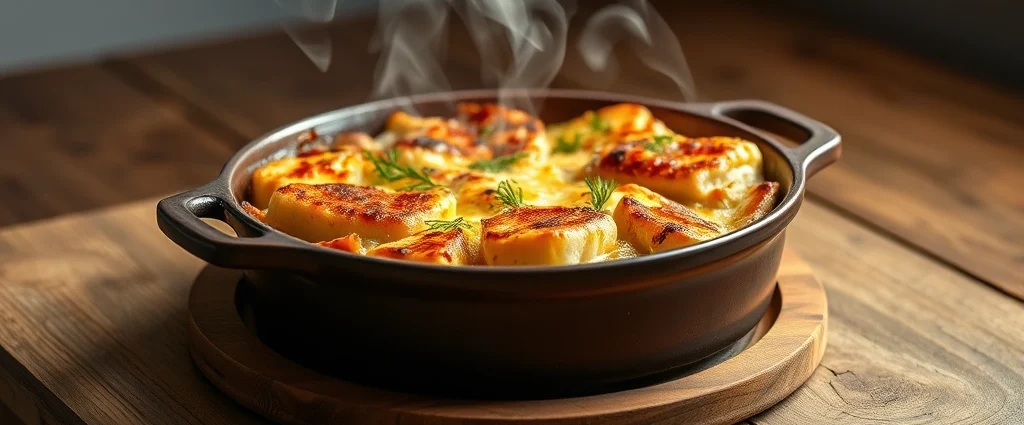
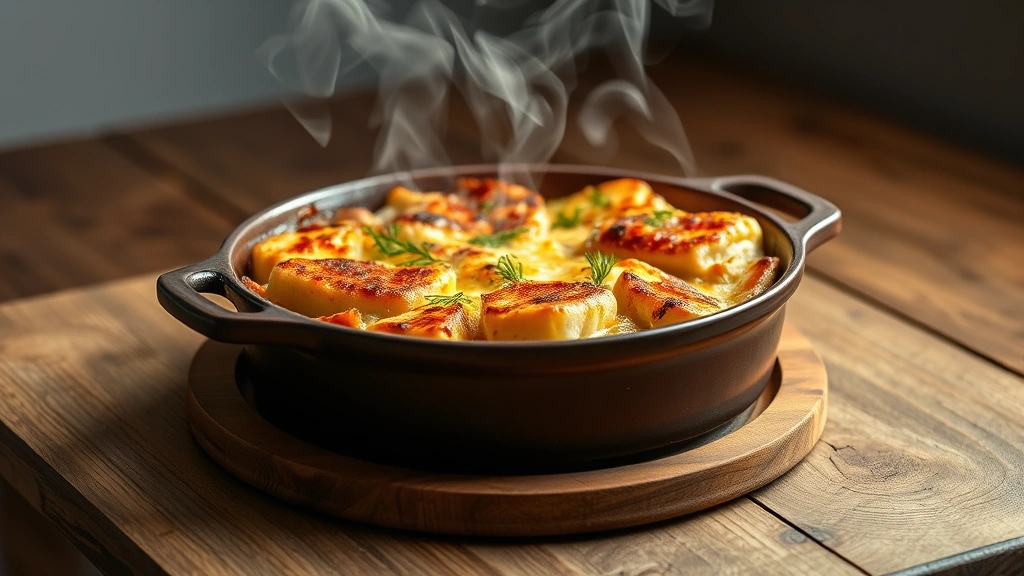
Part of the tuna casserole revival is undoubtedly aesthetic. There’s something visually appealing about the dish’s golden-brown surface, the homey presentation in a ceramic baking dish, and the nostalgic associations that come with serving food in this format. In an era of plating sophistication and restaurant-style presentation, there’s genuine appeal in food that doesn’t pretend to be something it’s not.
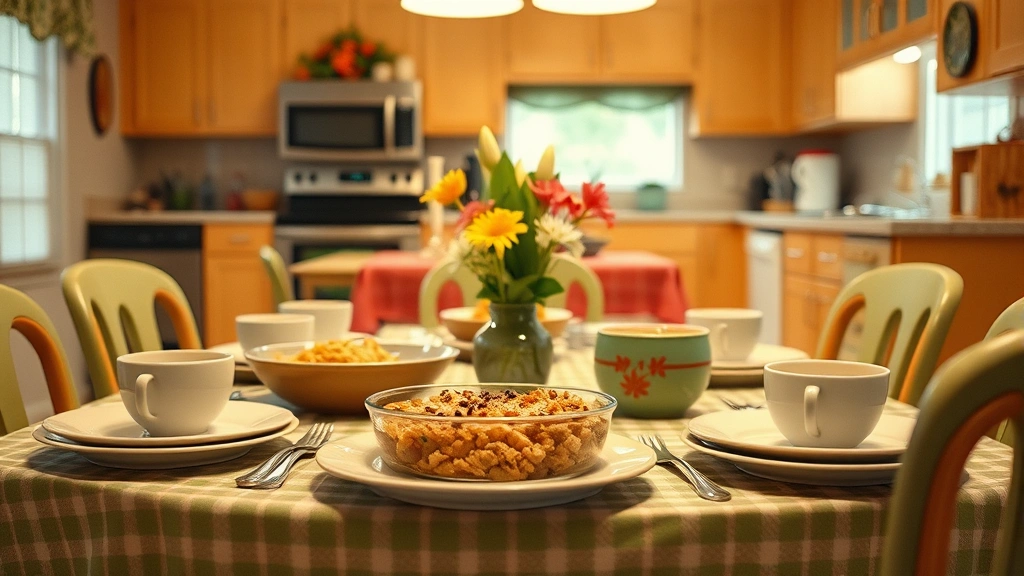
The aesthetic of vintage dining has become genuinely fashionable. People are collecting mid-century dishware, investing in quality baking dishes, and creating dining spaces that celebrate rather than apologize for retro sensibilities. This visual trend connects to broader aesthetic movements where authenticity and historical reference are more valued than constant stylistic innovation.
Food styling and food photography have evolved to celebrate comfort food in sophisticated ways. The golden, bubbly surface of a baked tuna casserole can be absolutely stunning when photographed with intention and care. The dish photographs well, tells a story visually, and communicates values around home, care, and nourishment that resonate deeply with contemporary audiences.
This aesthetic appreciation mirrors how fashion has embraced vintage elements. The Style Loom Daily Blog frequently explores how historical design and fashion references inform contemporary style, and the same principle applies to culinary aesthetics. Vintage dishes aren’t being celebrated ironically or self-consciously; they’re being recognized as genuinely beautiful and meaningful expressions of design and culture.
Restaurant Trends and High-End Interpretations
The most surprising development in the old fashioned tuna casserole revival is its appearance on high-end restaurant menus. Progressive chefs are recognizing that comfort food classics represent an opportunity to explore themes of nostalgia, cultural memory, and the relationship between simplicity and sophistication. These restaurant interpretations aren’t parodies or ironic exercises—they’re serious culinary engagements with meaningful cultural artifacts.
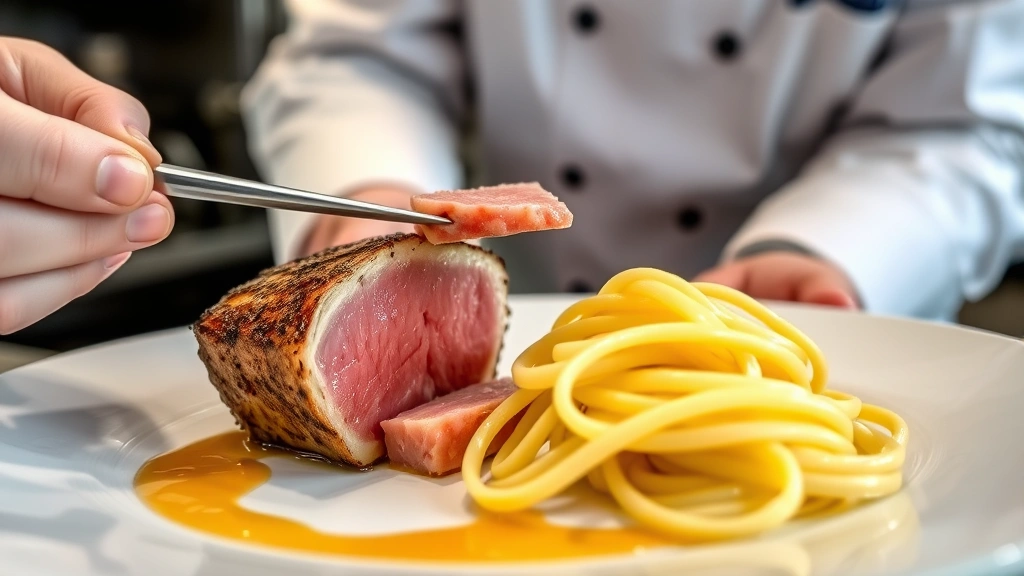
According to Vogue’s restaurant coverage, some of the most exciting dining experiences are happening when chefs approach heritage recipes with genuine respect and creative ambition. A deconstructed tuna casserole might feature seared tuna loin, house-made pasta, silky sauce, and carefully arranged components that maintain the dish’s essential identity while presenting it through a refined lens.
These high-end interpretations serve important cultural functions. They validate comfort food as worthy of serious culinary attention. They challenge assumptions about what belongs in fine dining contexts. They demonstrate that innovation and tradition aren’t opposing forces but rather complementary approaches to creating meaningful eating experiences. They also make these dishes more accessible by showing home cooks and casual diners that there’s no single correct way to prepare the tuna casserole—the format is flexible enough to accommodate various levels of ambition and sophistication.
Professional chefs working with tuna casseroles are often drawn to the dish’s democratic philosophy. In an industry that can sometimes feel elitist or exclusionary, recipes that originated from practical necessity and broad accessibility offer a refreshing counterbalance. The tuna casserole represents cooking that prioritizes nourishment and community over status or exclusivity, values that are increasingly important within contemporary culinary culture.
The restaurant trend also reflects how The Guardian’s lifestyle section documents the evolution of food culture—comfort food classics are no longer confined to home kitchens or casual dining contexts. They’re legitimate subjects for culinary innovation and sophisticated reinterpretation. This democratization of food culture is genuinely progressive, suggesting that all cooking, regardless of its origins or traditional contexts, deserves thoughtful engagement and creative exploration.
FAQ
Is tuna casserole experiencing a genuine culinary revival?
Yes, the old fashioned tuna casserole is experiencing authentic revival across home cooking, professional kitchens, and food culture broadly. This isn’t a fleeting trend but rather reflects deeper cultural shifts toward sustainability, authenticity, and the revaluation of heritage recipes. Chefs are taking the dish seriously as a vehicle for culinary expression, and home cooks are discovering its continued relevance and adaptability.
How are professional chefs reinterpreting traditional tuna casserole?
Contemporary chefs are elevating the dish through premium ingredient selection, refined cooking techniques, and sophisticated flavor development while maintaining respect for the original formula. They’re using sustainably-sourced tuna, fresh pasta, house-made sauces, and carefully chosen vegetables and aromatics. These interpretations appear on fine dining menus as legitimate culinary expressions rather than ironic exercises.
What ingredients are replacing traditional casserole components?
Modern versions feature wild-caught tuna varieties, fresh or artisanal pasta, homemade béchamel or velouté sauces, premium cheeses, and thoughtfully selected vegetables. Fresh herbs like dill and tarragon provide sophistication, while umami-rich ingredients deepen flavor complexity. These upgrades reflect contemporary values around quality, sustainability, and nutritional awareness.
Why has comfort food become trendy in contemporary cooking?
The shift toward comfort food classics reflects cultural values around authenticity, sustainability, intentionality, and meaningful connection. After years of pursuing novelty and complexity, people are recognizing the genuine satisfaction that comes from straightforward, nourishing food. Comfort food represents democratic cooking that prioritizes people over performance, a philosophy increasingly valued across culinary culture.
Can tuna casserole fit into modern dietary preferences?
Absolutely. The casserole format is remarkably adaptable. Gluten-free pasta, dairy-free sauces, plant-based proteins, and various vegetable combinations can be incorporated without compromising the dish’s essential appeal. This flexibility makes the tuna casserole accessible to people with diverse dietary requirements and preferences, expanding its contemporary relevance.
Where can I find contemporary tuna casserole recipes?
Professional chefs and food writers are sharing innovative interpretations through cookbooks, food blogs, and restaurant menus. Food publications and culinary websites regularly feature reimagined heritage recipes. The key is approaching the dish with curiosity about how traditional elements can be elevated or modified while maintaining respect for the original’s fundamental appeal and character.