
How to Style Vintage: Expert Fashion Tips
Vintage fashion represents more than just wearing old clothes—it’s about embracing timeless elegance, sustainability, and personal expression. Whether you’re drawn to the rebellious spirit of 90s fashion or the refined sophistication of mid-century silhouettes, styling vintage pieces requires thoughtful curation and confidence. The key to mastering vintage style lies in understanding how to blend nostalgic elements with contemporary fashion sensibilities, creating looks that feel both authentically retro and refreshingly modern.
The resurgence of vintage styling has transformed the fashion industry, with designers and style influencers increasingly championing pre-loved garments as statements of individuality. From thrifted leather jackets to carefully selected designer pieces from decades past, vintage fashion allows you to express your unique aesthetic while making environmentally conscious choices. This comprehensive guide will walk you through expert techniques for styling vintage pieces, ensuring you look polished, intentional, and utterly stylish in every vintage ensemble you create.
Understanding Vintage Fashion Eras
Each decade in fashion history carries distinct characteristics, silhouettes, and cultural significance that define its aesthetic. Understanding these nuances is essential for styling vintage pieces authentically and purposefully. The 1920s brought us the liberating flapper silhouette with dropped waistlines and shorter hemlines, representing a radical shift toward modernity. The 1940s introduced structured tailoring and practical fashion born from wartime necessity, while the 1950s celebrated femininity through full skirts, nipped waists, and elegant evening wear.
The 1960s revolutionized fashion with mod minimalism and bold geometric prints, while the 1970s embraced bohemian textures, earth tones, and flowing fabrics. The 1980s brought power dressing and bold colors, and the 1990s introduced grunge, minimalism, and the beginning of streetwear culture. When exploring vintage fashion, familiarize yourself with these historical contexts—they inform design choices and help you understand why certain pieces work together. Vogue’s comprehensive fashion history provides excellent resources for deepening your knowledge of these transformative decades.
Recognizing quality construction and authentic vintage pieces requires attention to details like seams, zippers, fabric composition, and manufacturing techniques specific to each era. Vintage doesn’t necessarily mean old; it typically refers to pieces that are at least 20-30 years old and represent a specific period’s design philosophy. Understanding these distinctions helps you make informed purchases and style choices that honor the piece’s original context while making it feel contemporary.
Finding Quality Vintage Pieces
The hunt for exceptional vintage pieces is an adventure that combines thrifting expertise with fashion knowledge. Start by exploring local thrift stores, estate sales, and specialized vintage boutiques where you can examine garments in person. Online platforms like Depop, Vestiaire Collective, and The RealReal offer curated selections with detailed photographs and seller ratings, making remote vintage shopping more reliable. When evaluating potential purchases, inspect seams for strength, check zippers for functionality, and examine fabric for stains, tears, or excessive wear.
Quality vintage pieces should fit well or have potential for minor alterations. Look for natural fibers like silk, wool, linen, and cotton—these materials age beautifully and offer superior comfort compared to synthetic alternatives. Authentic designer vintage carries both investment value and superior construction; pieces from houses like Chanel, Dior, Givenchy, and Yves Saint Laurent represent exceptional quality and timeless appeal. When shopping vintage, develop an eye for pieces that resonate with your personal aesthetic rather than collecting indiscriminately. Consider how potential purchases coordinate with pieces you already own, ensuring they’ll integrate seamlessly into your wardrobe.
Building relationships with vintage dealers and shop owners provides access to insider knowledge and first picks of new inventory. Attend vintage fairs and fashion markets where multiple dealers gather, allowing you to compare quality and pricing. Document pieces you love by taking photos and noting measurements, helping you make intentional decisions rather than impulse purchases. Fashion Beans’ vintage shopping guide offers additional tips for navigating the vintage marketplace with confidence.
Mixing Vintage with Modern
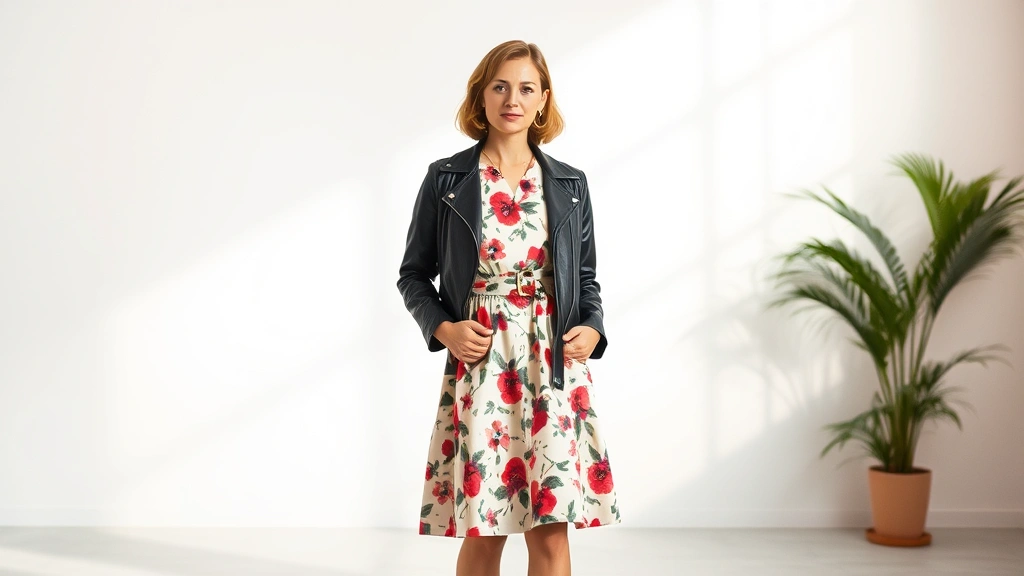
The art of blending vintage pieces with contemporary fashion creates dynamic, personalized looks that feel current and intentional. Rather than creating full vintage outfits that risk looking costume-like, strategic mixing ensures your vintage pieces feel integrated and relevant. Pair a structured vintage blazer with modern skinny jeans and contemporary sneakers for effortless sophistication. Combine a 1970s floral print dress with a modern leather jacket and minimalist accessories for an updated retro aesthetic.
When mixing eras, establish visual balance between old and new elements. If your vintage piece makes a bold statement through color, pattern, or silhouette, anchor it with neutral modern basics. Conversely, a subtle vintage piece can be elevated with contemporary statement jewelry or modern footwear. This approach prevents your outfit from feeling dated while celebrating the vintage piece’s unique character. Layering vintage and modern pieces creates depth and visual interest—a vintage slip dress becomes a contemporary slip-dress-over-t-shirt moment when styled with modern casualwear.
Understanding proportions helps vintage-modern mixing feel intentional rather than accidental. If your vintage piece features a voluminous silhouette, balance it with fitted modern pieces. A structured vintage pencil skirt pairs beautifully with an oversized modern sweater and contemporary boots. Experiment with unexpected combinations—a delicate vintage blouse tucked into modern high-waisted trousers, or a vintage band tee styled under a modern slip dress. The goal is creating cohesive outfits where vintage and modern elements enhance rather than compete with each other, resulting in looks that feel both nostalgic and thoroughly contemporary.
Styling by Vintage Era
Each vintage era offers distinct styling possibilities and aesthetic directions. For 1950s pieces, embrace the era’s romantic femininity by pairing full skirts with fitted cardigans and vintage-inspired heels. Add modern accessories like contemporary jewelry or a leather jacket to prevent the look from feeling overly costume-like. The 1960s mod aesthetic translates beautifully into contemporary styling—pair a geometric print shift dress with white boots and minimal jewelry for a look that feels both retro and current. Add a modern blazer or denim jacket to ground the silhouette.
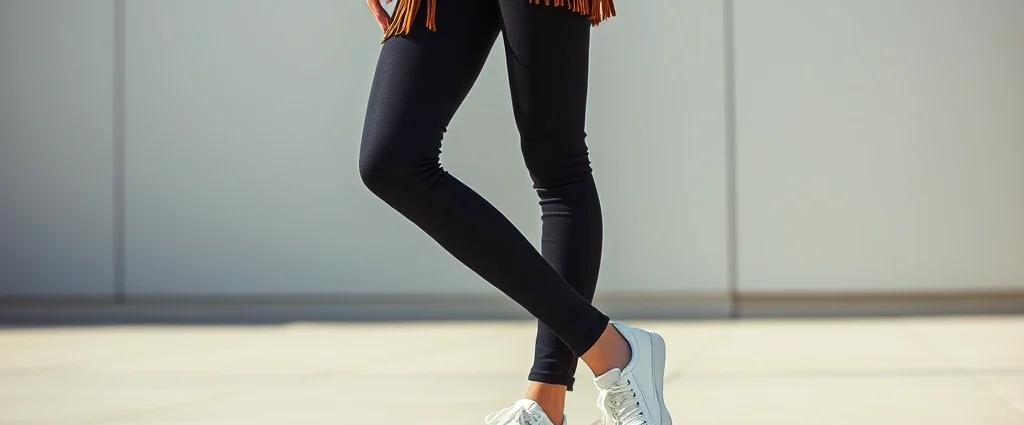
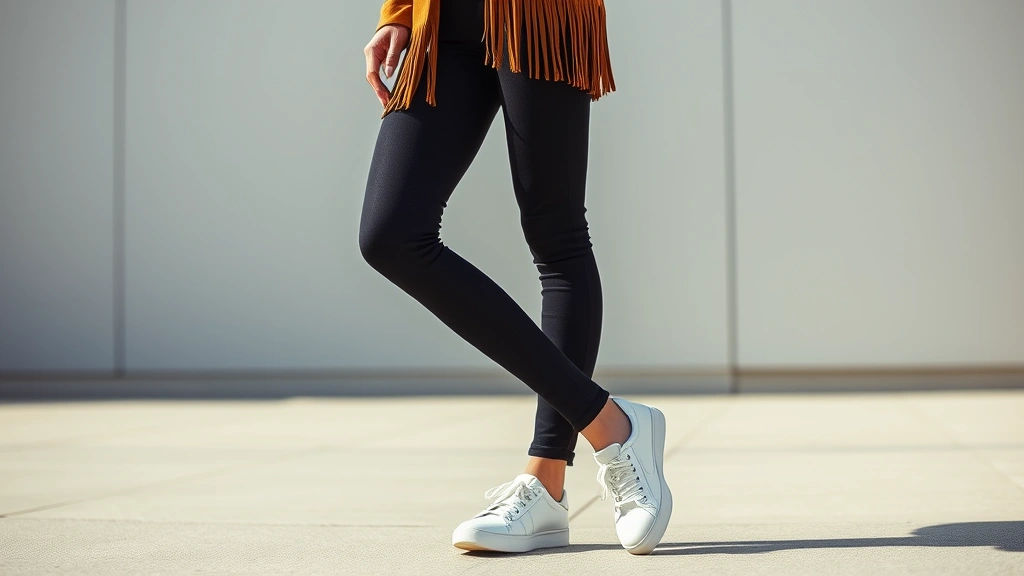
Styling 1970s vintage celebrates bohemian textures and earthy tones. Flowy vintage dresses work beautifully with modern boots and structured outerwear that provides contemporary contrast. Layer vintage suede fringe jackets over modern basics to capture the era’s essence without appearing costume-like. For 1980s pieces, embrace bold colors and statement silhouettes with restraint—pair a vintage sequined top with modern black trousers and contemporary footwear. The 1990s minimalism translates seamlessly into modern styling; vintage slip dresses, simple knits, and clean-lined pieces require minimal additional styling.
When exploring how to find your personal style, vintage pieces from your favorite era naturally emerge as core wardrobe elements. Develop signature vintage styling approaches that feel authentically you—perhaps you’re drawn to romantic 1950s silhouettes, minimalist 1990s pieces, or bohemian 1970s textures. Consistency in your vintage curation helps you build a cohesive wardrobe where pieces work together, creating multiple outfit combinations rather than standalone vintage moments. This intentional approach transforms vintage styling from random thrifting into a sophisticated personal aesthetic.
Accessorizing Your Vintage Looks
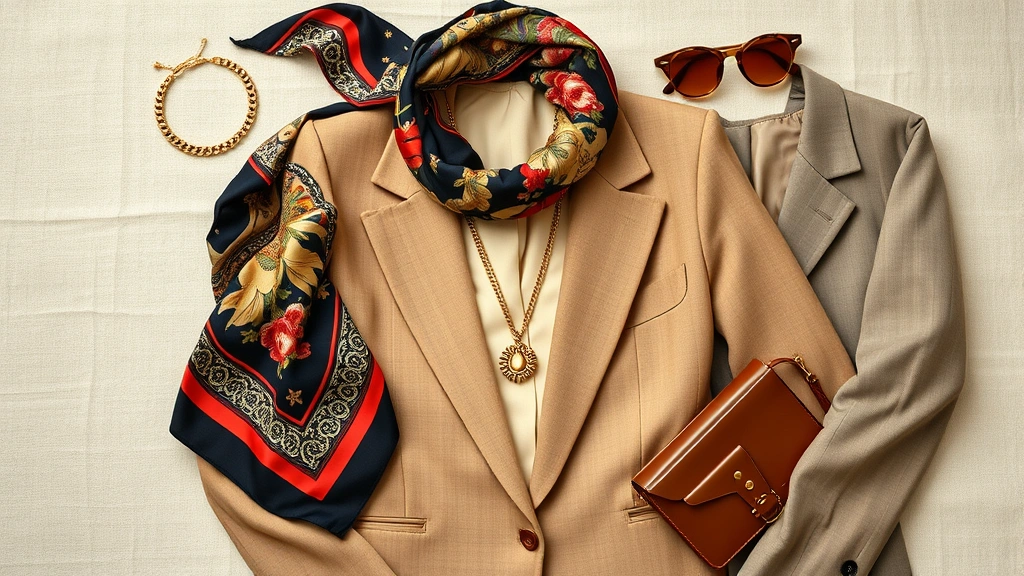
Accessories elevate vintage pieces from thrifted finds to polished, intentional outfits. Vintage accessories offer authentic era-appropriate options—1950s costume jewelry, 1970s scarves, or 1980s belts add genuine period details. However, modern accessories often work better for blending eras; contemporary jewelry in minimalist designs prevents vintage outfits from feeling costume-like. A delicate vintage slip dress becomes utterly current when styled with modern gold jewelry, contemporary loafers, and a sleek modern bag.
Footwear significantly impacts how vintage pieces read in contemporary styling. Modern sneakers, loafers, or boots ground vintage silhouettes in the present, while vintage-appropriate shoes can enhance era-specific styling when done intentionally. A 1950s dress paired with modern white sneakers feels fresh and youthful, while the same dress with vintage heels and classic accessories reads more formally nostalgic. Bags offer similar styling flexibility—a vintage piece styled with a modern structured bag feels curated and intentional, while vintage bags can enhance period-appropriate styling when they’re in excellent condition.
Layering accessories creates visual interest and helps vintage pieces integrate into modern wardrobes. Scarves, belts, and jewelry transform how vintage pieces function and feel. A simple vintage slip dress becomes three different outfits through accessory changes—paired with minimalist jewelry and modern sneakers for casual sophistication, with vintage-inspired jewelry and heels for evening elegance, or with a leather belt and contemporary jacket for edgy modernity. This approach maximizes your vintage investment while demonstrating how thoughtful accessorizing elevates every outfit.
Tailoring and Alterations
Vintage pieces often require professional tailoring to fit contemporary bodies and personal preferences. Sizing standards have shifted dramatically—vintage pieces sized medium might fit like contemporary small or large depending on the era. Rather than dismissing pieces that don’t fit perfectly, consider whether professional alterations can achieve your desired fit. Hemming, taking in seams, and adjusting sleeve length are common adjustments that preserve vintage integrity while ensuring proper fit.
Work with tailors experienced in vintage garments who understand construction techniques and fabric requirements. Delicate vintage fabrics require careful handling; a skilled tailor knows how to adjust pieces without compromising integrity. Discuss your vision clearly—whether you want to maintain the original silhouette with minor adjustments or modernize the piece through more significant alterations. Some vintage pieces benefit from subtle updates like removing shoulder pads for contemporary proportions, while others maintain their character through period-accurate construction.
Alterations represent an investment in pieces you genuinely love rather than purchasing new garments. A perfectly fitted vintage piece worn regularly offers better value than trendy fast-fashion alternatives. Set realistic alteration budgets when purchasing vintage—sometimes tailoring costs exceed the purchase price, making the investment worthwhile only for exceptional pieces. Conversely, minimal alterations on well-fitting vintage pieces maximize your investment and allow you to build a functional wardrobe of pieces you actually wear.
Building a Cohesive Vintage Wardrobe
Strategic vintage curation creates a wardrobe where pieces work together, maximizing outfit combinations. Rather than collecting random vintage finds, develop a cohesive color palette and silhouette preference that guides your purchases. If you love neutral tones and minimalist silhouettes, focus on vintage pieces in blacks, whites, grays, and taupes from eras emphasizing clean lines. If you’re drawn to color and pattern, build your vintage wardrobe around complementary color families and textile combinations.
Identify essential vintage basics that anchor your wardrobe—a well-fitting vintage white button-up, a structured blazer, or quality denim creates foundation pieces that work with numerous other items. Layer in statement pieces gradually—a bold vintage dress or patterned blouse—that coordinate with your basics. This approach prevents your wardrobe from feeling disjointed while allowing personality to shine through vintage statement pieces. Consider the seasons; vintage pieces from different eras serve different climate needs, and thoughtful selection ensures you have appropriate options year-round.
Document your vintage wardrobe through photos and detailed notes about sizing, condition, and styling ideas. This system helps you identify gaps, remember pieces when shopping, and maximize outfit combinations. Review your vintage pieces regularly, identifying which items you wear frequently and which remain unworn. This practice informs future purchasing decisions, ensuring each new vintage piece genuinely integrates into your lifestyle and aesthetic. Building a cohesive wardrobe through intentional curation transforms vintage shopping from hobby into sophisticated personal style development.
Vintage fashion offers unparalleled opportunities for self-expression, sustainability, and developing a distinctive personal aesthetic. By understanding fashion history, learning to identify quality pieces, and mastering the art of mixing eras, you create looks that feel authentically you while celebrating vintage fashion’s timeless appeal. The most stylish vintage styling combines knowledge, intention, and confidence—wear your vintage pieces with pride, knowing they represent both individual taste and thoughtful fashion choices.
FAQ
What’s the difference between vintage and retro fashion?
Vintage refers to authentic pieces from a specific era, typically at least 20-30 years old, while retro describes contemporary clothing designed to replicate vintage aesthetics. Vintage pieces have genuine historical construction and aging, while retro items are newly made in vintage-inspired styles. Both have place in fashion, but understanding the distinction helps you make informed styling choices and purchases.
How do I know if a vintage piece is authentic?
Examine construction details like seams, stitching, zippers, and fabric composition specific to the era. Research designer labels and their production methods; authentic vintage designer pieces show specific hallmarks. Check for manufacturer tags with period-appropriate formatting. When purchasing, ask sellers detailed questions about provenance and condition. Specialized vintage dealers and authentication services can verify designer pieces’ authenticity.
Can I wear vintage pieces to formal events?
Absolutely. Vintage formal wear—evening gowns, tailored jackets, and quality dress pieces—often surpasses contemporary formal fashion in quality and uniqueness. A vintage designer gown or elegant 1950s dress makes a sophisticated statement at formal events. Ensure pieces are in excellent condition, properly fitted through professional tailoring if needed, and styled with appropriate modern or vintage accessories.
How should I care for vintage pieces?
Handle vintage garments gently; use delicate wash cycles for washable items, or professional dry cleaning for delicate fabrics. Store pieces in breathable garment bags away from direct sunlight to prevent fading. Use cedar blocks or lavender sachets for moth prevention rather than naphthalene mothballs. Address stains and damage promptly through professional cleaning or repair services. Proper care extends vintage pieces’ lifespan and maintains their condition and appearance.
Where’s the best place to find vintage pieces?
Local thrift stores, estate sales, and vintage boutiques offer in-person shopping advantages. Online platforms like Depop, Vestiaire Collective, and The RealReal provide curated selections with seller ratings. Vintage fairs and fashion markets gather multiple dealers in one location. Develop relationships with local vintage dealers for first access to new inventory. Each venue offers different price points, selection, and shopping experiences—explore multiple sources to find your preferred vintage shopping locations.
How do I style vintage pieces without looking costumey?
Balance vintage pieces with modern elements—contemporary jewelry, footwear, and bags ground vintage silhouettes in the present. Avoid full vintage outfits that risk appearing costume-like; instead, mix one significant vintage piece with contemporary basics. Keep proportions in mind; pair voluminous vintage pieces with fitted modern items. Ensure vintage pieces are in excellent condition and properly fitted; worn or ill-fitting garments appear neglected rather than intentionally styled.