How to Wear Scalloped Edges? Designer Insights
Scalloped edges represent one of fashion’s most delightfully romantic and versatile design elements, offering a sophisticated way to elevate everyday styling with vintage charm and contemporary flair. Whether adorning the neckline of a blouse, the hem of a skirt, or the cuffs of a sleeve, scalloped detailing brings an undeniable elegance that transcends seasons and trends. This intricate edging technique, characterized by its curved, shell-like pattern, has resurged as a must-have design feature among luxury fashion houses and emerging designers alike, proving that classic aesthetics never truly fade from the style conversation.
The beauty of scalloped edges lies in their remarkable adaptability—they work seamlessly across casual daywear, professional attire, and elegant evening wear. From delicate lace trims to bold statement pieces, scalloped detailing adds texture, movement, and visual interest to any garment. Understanding how to style these charming details allows fashion enthusiasts to unlock a treasure trove of styling possibilities that celebrate both nostalgia and modernity. Whether you’re exploring different types of fashion styles or refining your personal aesthetic, scalloped edges offer an accessible entry point into elevated, intentional dressing.
Understanding Scalloped Edge Design Elements
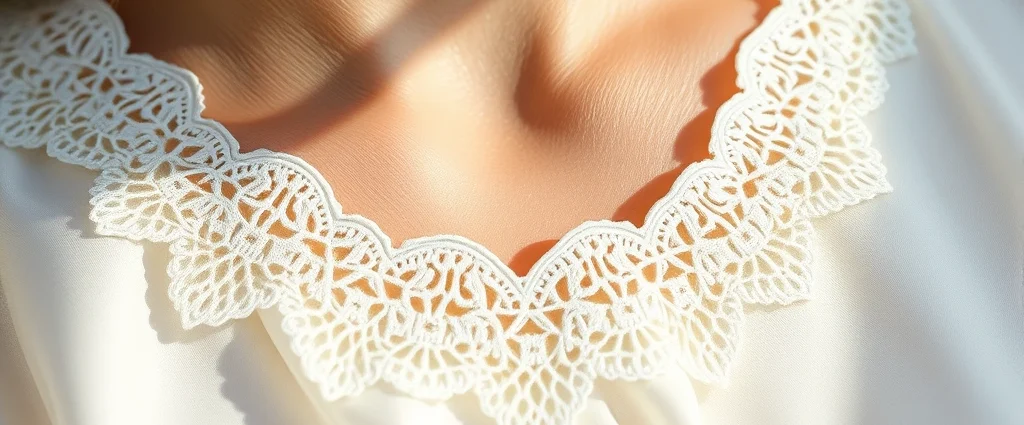
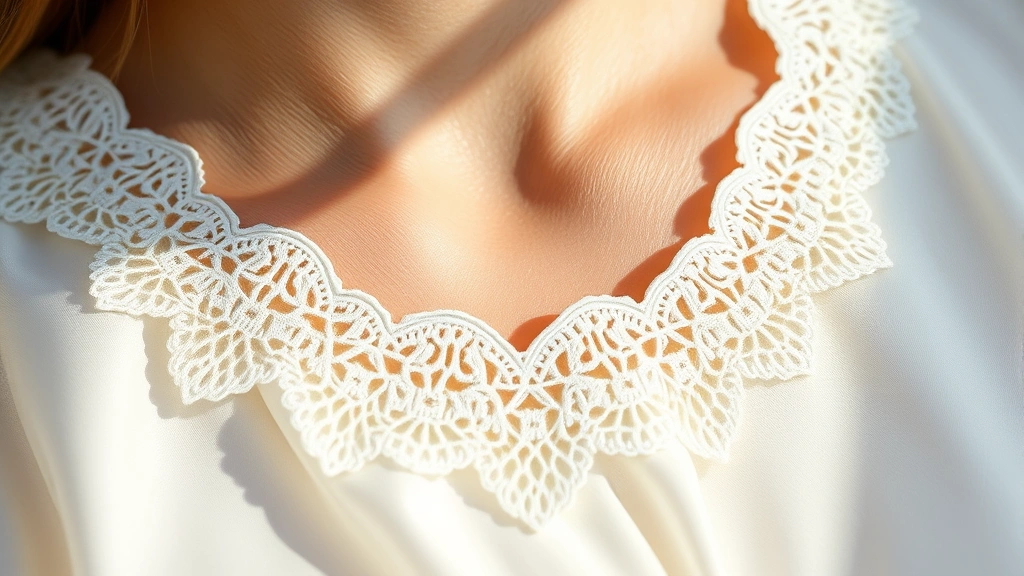
Scalloped edges represent a decorative edging technique that creates a series of rounded, semi-circular indentations along the perimeter of a fabric. The term derives from the scallop shell’s natural curves, and fashion designers have embraced this organic shape as a symbol of refined femininity and vintage-inspired aesthetics. Unlike straight hems or simple rolled edges, scalloped detailing requires precision cutting and often features complementary stitching or embellishment that enhances the dimensional quality of the design.
The construction of scalloped edges varies significantly depending on the garment’s purpose and the designer’s vision. Some pieces feature hand-finished scallops with delicate embroidery or beading, while others showcase machine-cut precision that creates perfectly uniform curves. Materials play a crucial role in how scalloped edges appear and perform—lightweight fabrics like cotton, silk, and linen showcase the detail’s graceful movement, while structured materials such as taffeta or dupioni create more dramatic, architectural presentations. Understanding these technical aspects helps you appreciate the craftsmanship behind luxury scalloped pieces and make informed purchasing decisions.
Designer perspectives emphasize that scalloped edges serve multiple functions beyond mere aesthetics. They create visual softness that flatters various body types, add movement and flow to garments, and provide a sophisticated alternative to conventional finishing techniques. Vogue’s fashion editors frequently highlight scalloped detailing in their seasonal trend reports, noting how this feature bridges nostalgic elegance with contemporary design sensibilities. When selecting scalloped pieces, consider the scale of the scallops—smaller curves suggest delicacy and refinement, while larger scallops make bolder, more playful statements.
Styling Scalloped Blouses for Every Occasion
Scalloped blouses represent the cornerstone of any sophisticated wardrobe, offering unparalleled versatility across professional, casual, and formal settings. A classic white scalloped blouse with intricate lace detailing transitions seamlessly from office environments to evening events, requiring only minor accessory adjustments to completely transform your look. The key to mastering scalloped blouse styling involves understanding how the neckline treatment influences your overall aesthetic—scalloped V-necks create elongating, flattering silhouettes, while scalloped Peter Pan collars evoke whimsical, youthful energy.
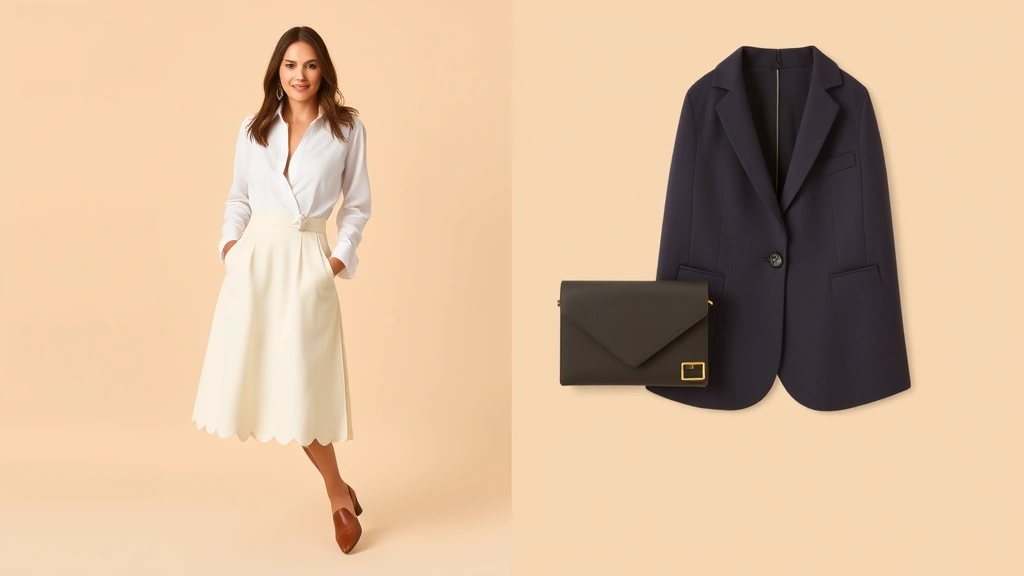
For professional environments, pair a scalloped blouse with tailored trousers or a pencil skirt in neutral tones to allow the blouse’s detailing to command attention. Layer with a structured blazer to maintain workplace sophistication while the scalloped edges peek through, creating visual intrigue. This approach aligns with types of fashion that emphasize polished professionalism. During warmer months, wear scalloped linen blouses with lightweight linen pants in cream or soft pastels, allowing the fabric’s natural texture to enhance the scalloped detail’s delicate nature.
Casual styling with scalloped blouses invites more creative expression. Tuck a scalloped blouse into high-waisted denim jeans and add a vintage leather belt to create effortlessly chic daytime looks. Layer oversized scalloped blouses over simple tank tops, allowing the scalloped sleeves to frame your arms with romantic flair. For evening occasions, style a scalloped silk blouse with tailored black trousers and statement jewelry—the scalloped edges provide sufficient visual interest that you needn’t overcomplicate the remaining ensemble.
Color choices dramatically influence how scalloped blouses read in different contexts. Crisp white and ivory scalloped blouses project timeless elegance suitable for virtually any occasion. Jewel tones like emerald, sapphire, and burgundy add richness and sophistication, while soft pastels like blush pink, powder blue, and sage green emphasize the romantic qualities inherent in scalloped detailing. Patterned scalloped blouses featuring florals, polka dots, or subtle prints create focal points that reduce the need for elaborate accessorizing.
Incorporating Scalloped Skirts Into Your Wardrobe
Scalloped skirts offer exceptional opportunities for expressing personal style while maintaining sophisticated elegance. Whether featuring scalloped hemlines, waistbands, or both, these pieces instantly elevate casual basics into polished, intentional outfits. The scalloped hem creates a flattering visual effect by breaking up the leg line and drawing attention to the transition between skirt and shoes—a styling detail that fashion professionals consistently exploit to create lengthening, refined silhouettes.
A-line scalloped skirts in midi lengths represent the ultimate sophisticated staple, pairing beautifully with tucked-in blouses, sweaters, and even oversized blazers. This silhouette flatters most body types while the scalloped hem adds feminine charm without sacrificing wearability. Pair with simple leather flats or pointed-toe pumps to emphasize the skirt’s elegant proportions. For more daring styling, opt for scalloped mini skirts paired with opaque tights and knee-high boots—this combination balances the sweetness of scalloped detailing with edgier accessories, creating multidimensional, fashion-forward looks.
Pencil skirts featuring scalloped waistbands or side seams offer professional elegance with subtle design flair. These pieces work exceptionally well in office environments where you want to project competence while expressing individuality. Layer with fitted turtlenecks or structured blouses that allow the scalloped waistband to remain visible, creating visual interest without appearing unprofessional. The scalloped detailing draws attention upward, creating balanced proportions that elongate your silhouette.
Experimenting with how to find your personal style often involves testing how specific silhouettes and details resonate with your aesthetic. Scalloped skirts in flowing fabrics like chiffon or silk charmeuse create romantic, ethereal presentations perfect for special occasions and creative professions. Structured scalloped skirts in cotton or linen project crisp, tailored sophistication suitable for traditional professional environments. Experiment with different lengths, colors, and fabric weights to discover which scalloped skirt styles align with your personal fashion sensibilities.
Layering Techniques With Scalloped Pieces
Mastering layering with scalloped garments requires strategic thinking about how different pieces interact visually and functionally. The fundamental principle involves allowing scalloped details to remain visible while creating cohesive, balanced compositions. When layering a scalloped blouse under a sweater or cardigan, ensure the scalloped neckline or sleeve edges peek through, creating visual complexity that suggests intentional styling rather than accidental layering.
Sheer layering offers exceptional opportunities for showcasing scalloped detailing while adding warmth and dimension. A scalloped camisole or tank top worn under a sheer blouse or mesh top creates delicate, romantic layering that feels contemporary and sophisticated. This technique works particularly well in transitional seasons when you need additional coverage but want to maintain the visual appeal of scalloped pieces. Pair with tailored trousers or skirts to create polished, office-appropriate looks.
Cardigans and structured jackets provide excellent layering partners for scalloped dresses and skirts. Opt for cardigans in complementary colors that either match your scalloped piece for tonal harmony or contrast subtly to create visual distinction. A cream-colored cardigan layered over a blush scalloped dress creates soft, cohesive elegance, while a navy cardigan over the same dress establishes more defined, structured styling. The key involves ensuring that layered pieces enhance rather than compete with scalloped details.
Cropped layers introduce modern sensibility to vintage-inspired scalloped pieces. A fitted cropped sweater or short-sleeve tee layered over a scalloped slip dress creates contemporary silhouettes that feel current while honoring classic design elements. This approach works beautifully for younger fashion enthusiasts seeking to balance nostalgic aesthetics with contemporary trends. The cropped layer allows the scalloped hem or waistband of the underlying piece to remain prominently visible, creating visual interest and demonstrating intentional styling choices.
Texture mixing represents another sophisticated layering technique that elevates scalloped pieces. Combine delicate lace scalloped blouses with structured wool cardigans, or pair soft silk scalloped camisoles with crisp cotton button-ups. These contrasting textures create visual depth and prevent outfits from appearing one-dimensional. Ensure that your layered composition balances visual weight—if your outer layer features significant texture or pattern, choose a simpler scalloped piece underneath, and vice versa.
Accessorizing Scalloped Edge Garments
Strategic accessorizing amplifies the impact of scalloped pieces while maintaining visual harmony within your overall composition. Since scalloped detailing naturally commands attention through its unique construction, accessory choices should either complement this focal point or direct attention to other elements deliberately. The principle of intentional styling suggests that every accessory choice should serve a purpose rather than simply filling space.
Jewelry selections significantly influence how scalloped garments read in different contexts. Delicate, minimalist jewelry allows scalloped details to remain the primary focal point—choose simple gold or silver chains, small stud earrings, or understated rings that don’t compete for visual attention. Conversely, statement jewelry paired with scalloped pieces creates bold, fashion-forward presentations suitable for creative professionals and style-conscious individuals willing to take risks. A chunky gold necklace worn with a scalloped blouse creates modern luxury, while chandelier earrings paired with a scalloped dress elevate the piece for evening occasions.
Footwear choices establish the tone for scalloped garment styling. Delicate strappy heels emphasize the romantic qualities inherent in scalloped detailing, while clean leather flats create sophisticated, approachable presentations. For more casual interpretations, minimalist sneakers or loafers ground scalloped pieces with contemporary edge. The key involves selecting footwear that aligns with your overall styling intention—romantic and feminine, professional and polished, or modern and fashion-forward.
Belts serve both functional and aesthetic purposes when styling scalloped pieces. A simple leather belt worn over a scalloped dress creates definition and breaks up the silhouette, while statement belts featuring interesting buckles or embellishments add personality to understated scalloped garments. Wide belts create dramatic visual impact when worn with scalloped skirts, emphasizing the waistline while the scalloped hem remains a secondary focal point. This layered approach to accessorizing creates multidimensional styling that feels intentional and sophisticated.
Bags and outerwear round out accessory choices for scalloped pieces. A structured leather bag in neutral tones complements scalloped garments without overwhelming them, while patterned or textured bags create visual interest when paired with simpler scalloped pieces. Outerwear selections should consider the scalloped piece’s neckline and sleeve treatment—ensure that jackets or blazers don’t obscure scalloped details you’ve intentionally chosen to showcase. A lightweight scarf adds movement and softness to scalloped ensembles while providing practical warmth during transitional seasons.
Seasonal Styling With Scalloped Details
Seasonal transitions offer perfect opportunities to reimagine scalloped pieces through fresh styling approaches and updated accessory pairings. Spring represents the quintessential season for scalloped detailing, as the delicate, romantic qualities of this design element align naturally with the season’s renewal energy. Embrace pastel-colored scalloped blouses and dresses, lightweight fabrics that showcase the detail’s graceful movement, and fresh color combinations that celebrate spring’s optimistic aesthetic. Pair scalloped pieces with simple white sneakers, canvas bags, and minimal jewelry to create effortlessly chic warm-weather looks.
Summer styling with scalloped pieces emphasizes breathable fabrics and strategic layering for sun protection. Scalloped linen blouses and cotton dresses provide comfortable warmth while the natural texture of these fabrics enhances scalloped detailing. Layer with lightweight linen shirts or sheer cover-ups that allow scalloped necklines and sleeves to remain visible. Accessorize with straw bags, oversized sunglasses, and delicate gold jewelry that catches sunlight, creating luminous, vacation-ready presentations. The key to summer scalloped styling involves maintaining freshness through color choices and fabric selections that feel appropriate for warm weather.
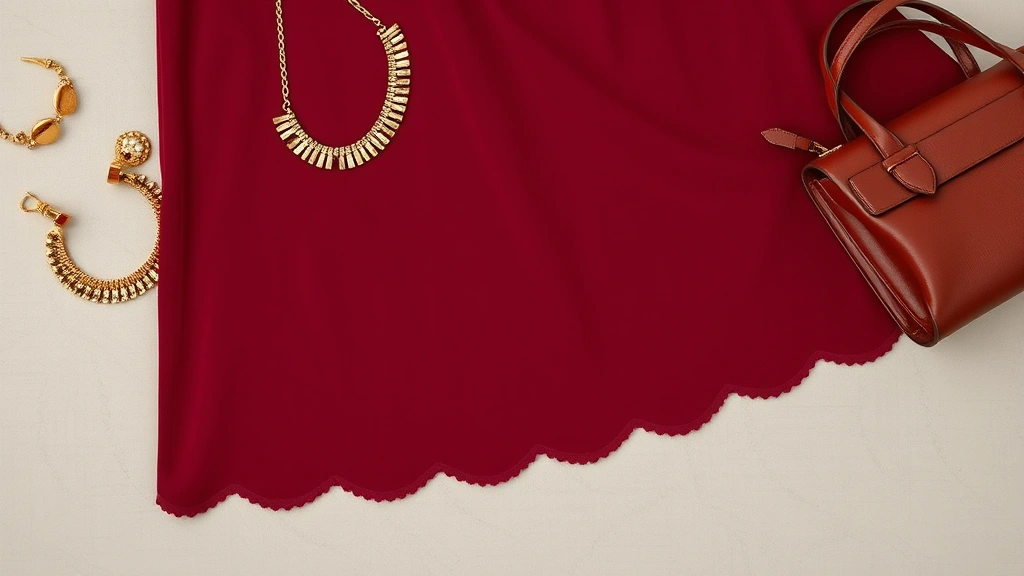
Autumn introduces opportunities to pair scalloped pieces with richer textures and deeper color palettes. Burgundy, chocolate brown, forest green, and burnt orange scalloped garments align beautifully with autumn’s natural aesthetic. Layer scalloped blouses under structured cardigans and blazers in complementary fall tones, allowing the scalloped details to peek through and create visual interest. Pair with tailored trousers or midi skirts in neutral tones to create balanced, sophisticated autumn looks. Accessorize with leather belts, structured bags, and layered gold jewelry that evokes autumn’s warm, grounded energy.
Winter styling with scalloped pieces requires thoughtful fabric selections and strategic layering to maintain visual impact while ensuring appropriate warmth. Scalloped sweaters in heavyweight knits provide comfort and style simultaneously, while scalloped dresses layered with opaque tights and boots create polished winter presentations. Choose scalloped pieces in jewel tones and rich neutrals that align with winter’s sophisticated color palette. Layer with oversized blazers, wool coats, and chunky knit cardigans that frame scalloped details rather than obscure them. Winter accessories like scarves, gloves, and hats offer opportunities to introduce additional texture and visual interest to scalloped ensembles.
Understanding how StyleLoom Daily Blog approaches seasonal fashion transitions helps you develop more sophisticated styling strategies. The intersection of scalloped detailing with seasonal aesthetics creates opportunities for creating cohesive, intentional wardrobes that feel fresh and relevant throughout the year. Rather than storing scalloped pieces away during certain seasons, consider how different styling approaches, color choices, and layering techniques allow these versatile garments to shine across all twelve months.
Professional stylists consistently recommend investing in quality scalloped basics that transition seamlessly across seasons. A white scalloped blouse, neutral-toned scalloped skirt, and classic scalloped dress in a versatile color serve as foundational pieces that support countless styling variations. By building your scalloped wardrobe strategically, you create a cohesive collection that maximizes outfit combinations while maintaining visual consistency that projects intentional, sophisticated style.
FAQ
What body types look best in scalloped edge clothing?
Scalloped edges flatter virtually all body types through their unique visual properties. The curved, flowing nature of scalloped detailing creates soft, feminine lines that complement fuller figures, while the dimensional texture adds visual interest to smaller frames. Scalloped necklines elongate shorter necks and draw attention upward, while scalloped hems break up leg lines in flattering ways. The key involves selecting scalloped pieces in silhouettes that align with your specific body shape and personal aesthetic preferences.
Can scalloped edges work in professional office environments?
Absolutely. Scalloped blouses, cardigans, and skirts represent entirely appropriate professional choices when styled thoughtfully. Opt for scalloped pieces in neutral colors like white, cream, navy, and black, and pair with classic tailored silhouettes. Ensure scalloped details remain subtle rather than overwhelming, and avoid pieces featuring excessive embellishment or overly playful aesthetics. A white scalloped blouse under a structured blazer projects professional sophistication while maintaining individual style expression.
How do I care for delicate scalloped garments?
Scalloped pieces require gentle handling to preserve their intricate detailing. Hand wash delicate scalloped blouses and dresses in cool water with mild detergent, or utilize your washing machine’s delicate cycle. Avoid wringing or twisting scalloped garments, as this can distort the carefully constructed edges. Air dry flat whenever possible to maintain the scalloped detail’s structural integrity. For pieces featuring embellishment or embroidery, professional dry cleaning ensures optimal care and preservation of intricate details.
Are scalloped edges only appropriate for feminine presentations?
While scalloped detailing traditionally carries feminine associations, contemporary fashion embraces more expansive interpretations of this design element. Gender-neutral styling approaches pair scalloped pieces with oversized silhouettes, structured blazers, and edgier accessories to create presentations that feel modern and fashion-forward rather than traditionally feminine. A scalloped shirt worn oversized with tailored trousers and masculine-influenced accessories creates contemporary appeal that transcends conventional gender presentations.
Where can I find quality scalloped pieces?
Luxury fashion houses like Chanel, Valentino, and Oscar de la Renta consistently feature scalloped detailing in their collections, offering investment pieces that justify their premium price points through exceptional craftsmanship. Contemporary brands provide more accessible scalloped options, while vintage and secondhand markets offer unique, one-of-a-kind pieces with character and history. Fashion Nova dresses frequently incorporate scalloped elements at moderate price points, making this design detail accessible to diverse budgets.
How do I style scalloped pieces for different age groups?
Scalloped detailing suits all ages through thoughtful styling choices. Younger individuals might pair scalloped pieces with trendy accessories and contemporary silhouettes, while older fashion enthusiasts could emphasize classic elegance through timeless color choices and refined accessories. The key involves selecting scalloped pieces in styles that align with your personal aesthetic and lifestyle, regardless of age. Quality fabrics and construction ensure that scalloped pieces read as sophisticated rather than costume-like, appropriate for individuals across the entire age spectrum.